Can Dogs Eat Longan Fruit? Safety, Risks and Safer Swaps

Dogs can eat a tiny piece of peeled, seedless longan flesh once in a while, but longan is a poor treat choice because the seed and peel bring real choking and gut risks while the flesh adds mostly sugar. Longan is not in the same danger class as grapes, yet the case for feeding it is weak. The flesh offers little a dog needs, and the hard seed sits in the middle of every fruit. Most owners are better off skipping longan and handing over a fruit with a cleaner safety record.
Can dogs eat longan fruit?
Dogs can eat longan fruit in very small amounts when the fruit is fresh and ripe, peeled, with the seed and shell removed. Longan flesh itself is not listed as toxic to dogs, and a piece or two of plain flesh will pass through most healthy dogs without trouble.
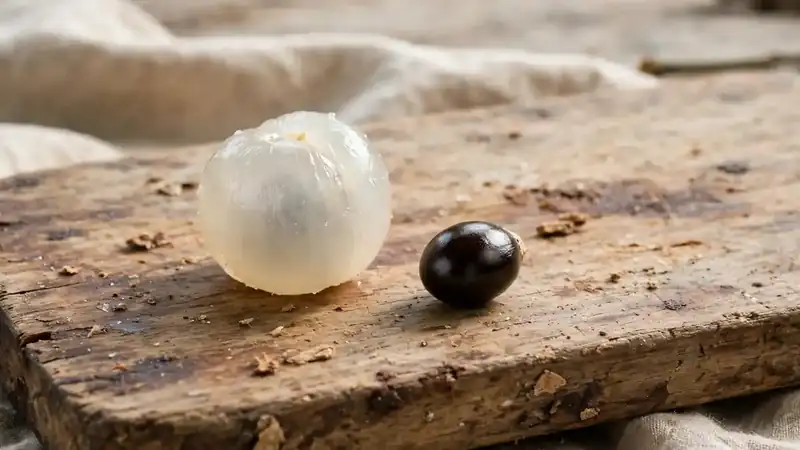
The problem is the package around the flesh. Every longan carries a hard round seed inside a thin brittle shell, and both parts can choke a dog or block the gut. Sugar is the second problem. Longan flesh is sweet, so regular servings add calories a dog does not need.
What is longan and why do dogs notice it?
Longan is a small round tropical fruit from Asia, about the size of a grape, with a thin brown shell around clear flesh and one hard black seed. Longan grows in clusters and is sold fresh, dried, or canned in syrup in Asian grocery stores across the United States.

Dogs notice longan because it smells sweet and rolls across the floor like a ball. A dropped longan is an easy target for a fast dog, and the fruit is small enough to swallow whole. That size is the core of the risk. A whole longan fits a dog throat in one gulp, shell and seed included.
Longan flesh carries vitamin C and small amounts of potassium, but those nutrients do not make it a useful dog treat. Dog food already covers vitamin C, since dogs make their own, and potassium comes from plenty of safer foods. Longan tastes like a mild grape with a musky edge, and dogs that like sweet fruit will keep asking for more.
Owners should know that liking a food says nothing about safety. Dogs also like chocolate, and that comparison is worth keeping in mind when a new fruit shows up in the kitchen.
Is longan toxic to dogs?
Longan is not classed as toxic to dogs in the way grapes and raisins are, and no veterinary authority lists longan flesh as a poison. The ASPCA list of people foods to avoid covers grapes, onions, garlic, chocolate, xylitol, and raw yeast dough, and longan does not appear on it.

That absence matters, but it is not a green light. Absence from a poison list means no strong evidence of toxicity, not proof of safety. Dog specific research on longan is thin, and most guidance comes from general fruit safety rules plus what is known about the seed.
Two compounds in longan deserve a plain mention. Longan seeds contain saponins, plant compounds that irritate the gut and can trigger vomiting and diarrhea. Longan also contains hypoglycin A, the same compound linked to low blood sugar problems from lychee and ackee when eaten in large amounts.
Grapes show how fast a fruit risk can turn serious: the AKC notes that grape poisoning signs often start within six to 12 hours, while kidney damage may not show until 24 to 72 hours later. The flesh holds far less of these compounds than the seed, which is one more reason the seed must never be fed. A dog that eats plain flesh is not facing the same exposure as a dog that crunches a seed. The seed stays the problem.
Which parts of longan are dangerous?
Longan flesh is the only part that belongs near a dog, and even that part is optional. Longan peel is thin and brittle, and it resists digestion and can lodge in the throat or gut. Longan seed is worse. The seed is hard and round, with a smooth surface, so it slides down easily and resists digestion.
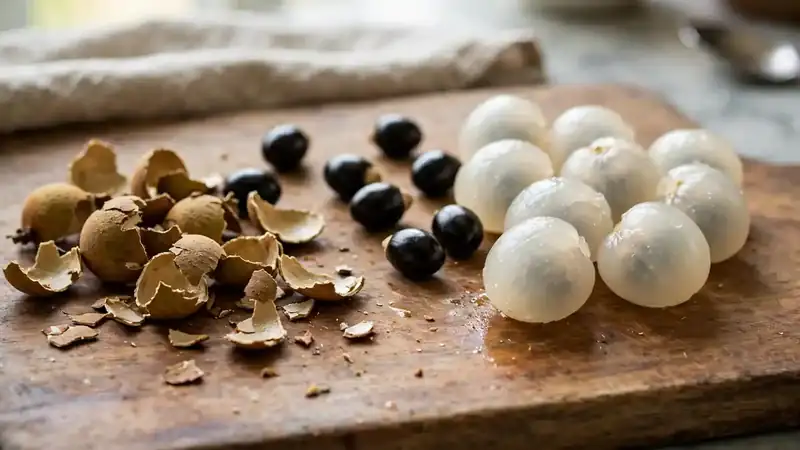
A swallowed seed can block the intestine, and a blocked intestine is a surgical emergency. Seeds also carry the saponins that irritate the gut lining, so a chewed seed adds chemical irritation to the physical blockage risk.
Fresh longan, dried longan, and canned longan each change the risk in a different way. Fresh fruit has the seed and shell problem. Dried longan has no shell, but the drying process concentrates sugar and shrinks the fruit, so a dog can eat many pieces before feeling full.
Canned longan sits in syrup, which adds sugar and sometimes preservatives a dog does not need. None of these forms is a good dog treat, and canned longan is the weakest of the three. Sugar is the quiet cost.
What happens if a dog eats longan seeds or peel?
A dog that swallows one longan seed may pass it without trouble, or it may choke, vomit, or develop a blockage over the next day or two. Size decides much of the outcome. A large dog may pass a single seed, while a small dog faces a higher chance of trouble from the same seed.

Signs to watch for after a dog eats longan seed or peel include vomiting, loose stool, loss of appetite, belly pain, straining to pass stool, and unusual tiredness. A dog that retches without bringing anything up needs a vet right away, since that pattern can signal bloat or blockage.
Veterinary care for a swallowed seed depends on timing and symptoms. A vet may watch the dog, take an X-ray, or induce vomiting when the seed was eaten very recently and the vet judges it safe. Pet Poison Helpline lists all grape and raisin products, including bagels and trail mix, as toxic to dogs, which shows why a quick call beats a wait and see approach with any risky fruit.
Owners should never induce vomiting at home without veterinary direction, since the wrong method can cause choking or lung damage. Call the vet first, note the time the dog ate the fruit, and keep the packaging or remaining fruit for reference. Fast action gives the vet more options than waiting to see what happens.
How much longan flesh is too much?
No veterinary body publishes a serving amount for longan, because longan is not a recommended dog food. Competitor pages suggest one or two pea sized pieces at most, and that range is a reasonable ceiling for a healthy adult dog that has already tried the fruit without trouble.
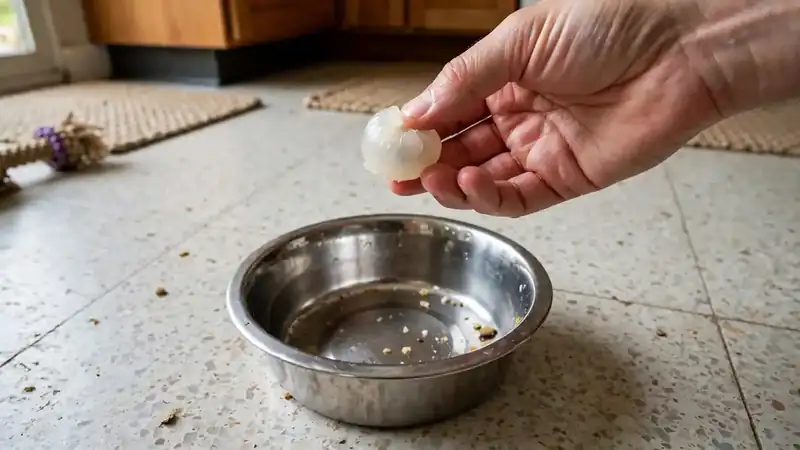
That gap is worth stating plainly instead of filling it with a made up number. Toy breeds should get less, and puppies should get none until a vet says otherwise. Treats of every kind should stay under 10 percent of daily calories, and longan should sit far below that ceiling.
Frequency matters as much as portion size. Longan should never become a daily treat, since daily sugar adds up fast in a small body. A single taste once in a while is the outer limit for most dogs, and many vets would rather owners skip it entirely.
Dogs with diabetes, extra weight, or a sensitive stomach should not eat longan at all, since sugar and new fruit both strain those conditions. When a dog has never tried longan, start with one small piece and watch for vomiting or loose stool over the next day. When in doubt, skip it.
Dried and canned longan: a different risk
Dried longan looks harmless because the shell and seed are gone, but the drying process packs more sugar into each piece. A dog can eat a small handful of dried longan without noticing, and that handful carries far more sugar than the same amount of fresh flesh.

Dried fruit also sticks to teeth, which adds a dental concern on top of the sugar load. Some dried longan sold in stores carries added sugar or sulfur dioxide as a preservative, and the label is the only way to know. Skip dried longan for dogs and keep it in the pantry for people.
Canned longan is the worst form for dogs. The fruit sits in syrup, so each piece carries added sugar on top of the fruit own sugar. Some cans list preservatives or flavorings that add nothing for a dog.
The soft texture also removes the only small benefit of fresh fruit, which is the chewing time that slows a dog down. A dog that eats canned longan gets sugar fast with no fiber payoff. Fresh flesh is the only form worth discussing, and even that form is optional. Skip the syrup.
Dogs that should skip longan completely
Diabetic dogs should skip longan, since the fruit is high in natural sugar and can push blood sugar up. Overweight dogs should skip it too, since longan adds calories without fiber or protein to balance them. Dogs with kidney disease should avoid longan because the fruit carries potassium, and potassium load matters when kidneys struggle to clear it.

Puppies should skip longan because their digestive systems are still settling and a hard seed is a bigger hazard at their size. Senior dogs with dental problems should skip it as well, since the seed is hard enough to crack a weak tooth.
Dogs with a history of gut blockage or surgery should never get longan. A dog that has blocked once is more likely to block again, and a round hard seed is exactly the wrong shape to test that history. Dogs on a prescription diet should skip longan unless the vet approves it, since vets build prescription diets around strict nutrient limits.
When in doubt, the safe move is to skip the fruit and ask the vet at the next visit. No dog misses out on anything by never tasting longan.
Safer fruit swaps for dogs that like sweet treats
Blueberries are the strongest swap for a dog that likes small sweet fruit. Blueberries are low in sugar next to longan, rich in fiber, and small enough to use as training treats. Apple slices without seeds or core give a dog crunch and sweetness with fiber that slows the sugar down.
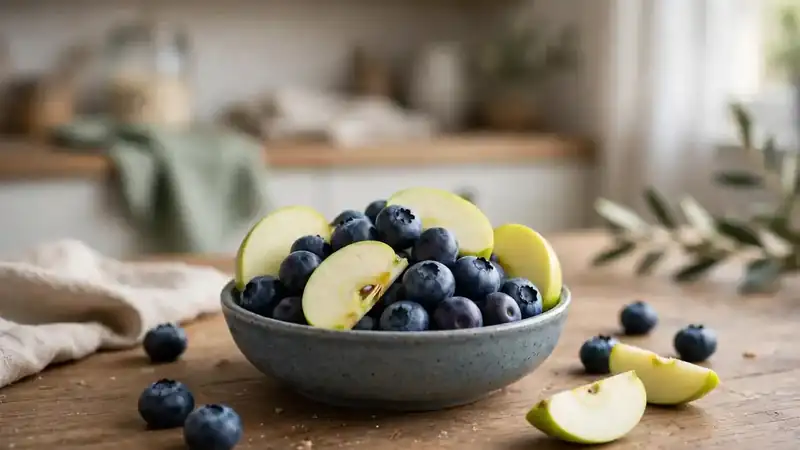
Watermelon flesh without seeds or rind is mostly water, so a dog gets a sweet bite with very few calories. Mango flesh without the pit is another tropical swap, though mango is also sweet, so portions should stay small.
Pineapple chunks without the peel work for dogs that like sharp sweet flavors, and the fruit carries bromelain, an enzyme that helps dogs absorb protein. All of these swaps share one trait that longan lacks, which is a safety record backed by veterinary guidance. The AKC lists blueberries, mango, watermelon, apples, and pineapple among fruits dogs can eat in moderation, with pits, seeds, and rinds removed.
That list is a better starting point than any single exotic fruit. Keep portions small, wash the fruit, and cut pieces to fit the dog size. Peel it first.
Frequently asked questions about longan and dogs
Longan questions usually come down to the same few worries, which are the seed, the sugar, and what to do after a dog grabs a fallen fruit. The answers below cover the most common ones, with the same plain rule throughout: peel and seed every piece, keep portions tiny, and call the vet fast when a seed goes down.

Is longan toxic to dogs?
No poison list names longan flesh as toxic, yet the seed and peel are dangerous. Longan seeds contain saponins that irritate the gut, and the hard seed can choke a dog or block the intestine. The flesh is safe only in tiny amounts, peeled and seedless, and most vets would rather dogs skip it.
Can dogs eat longan seeds?
Dogs should never eat longan seeds. The seed is hard and round, so it can lodge in the throat or gut, and it carries saponins that cause vomiting and diarrhea. A dog that swallows a seed needs close watching, and a vet visit is the right call when symptoms show up or the dog is small.
Can dogs eat dried longan?
Dogs should not eat dried longan. Drying concentrates the fruit sugar, so a small handful carries far more sugar than fresh flesh. Some dried longan also has added sugar or preservatives. Fresh fruit swaps like blueberries give a dog sweetness with less sugar and no seed risk.
Can dogs eat canned longan?
Dogs should not eat canned longan. The fruit sits in syrup, which adds sugar a dog does not need, and some cans include preservatives. The soft texture also lets a dog eat a lot fast. Plain fresh fruit without syrup is always the better choice for dogs.
Can puppies eat longan?
Puppies should not eat longan. Their digestive systems are still developing, and the hard seed is a bigger choking and blockage risk at their size. Puppies also gain weight fast on sugary treats. Stick to puppy food and vet approved treats until the dog is grown.
What should I do if my dog ate a whole longan?
Call the vet and note the time the dog ate it. Watch for vomiting, loose stool, belly pain, loss of appetite, straining, or retching without result. Do not induce vomiting at home unless the vet tells you to. A vet may watch the dog, take an X-ray, or act fast when the seed is still recent.
Longan is a fruit dogs can taste in a tiny amount, but it earns no place in a regular treat rotation. The seed and peel carry risks that outweigh the small pleasure of the flesh, and better fruits do the same job with a cleaner record. Keep longan out of reach, peel and seed any piece before it reaches a dog, and reach for blueberries or apple slices instead.