Anti Inflammatory for Dogs: Safe Options and Drugs to Avoid

An anti inflammatory for dogs should be a prescription drug chosen by a vet, because no over-the-counter NSAID is FDA approved for dogs. Vets prescribe a small group of dog-specific NSAIDs, and the right one depends on the dog’s age and weight, plus health and the cause of the pain. Human painkillers such as ibuprofen and naproxen can poison a dog, even in small amounts.
What does an anti-inflammatory do in a dog?
An anti-inflammatory drug lowers swelling, pain, or fever by blocking the chemicals that drive inflammation. In dogs, the main group is NSAIDs, short for non-steroidal anti-inflammatory drugs. The drug eases sore joints and post-surgical pain. Injuries respond too, and it helps many arthritic dogs move and climb stairs with less pain.

Inflammation is the body response to injury and irritation. A sore joint swells and warms because the body sends chemicals called prostaglandins to the area.
It hurts for the same reason. Prostaglandins drive the pain signal. They also protect the stomach lining and support kidney blood flow. They help blood clot too.
NSAIDs block the enzymes that make prostaglandins, so pain and swelling drop. The stomach and kidneys lose some of their protection at the same time. Clotting weakens too.
A dog that feels better on an NSAID still carries a risk of gut upset, kidney strain, or liver trouble. The risk grows with the wrong dose, a second NSAID, or a steroid taken at the same time. The FDA puts it plainly: NSAIDs help many dogs lead more comfortable lives, and every one of them can cause side effects, some of which can be serious.
Which anti-inflammatory drugs are FDA approved for dogs?
The FDA approved NSAIDs for dogs are carprofen, deracoxib, firocoxib, grapiprant, meloxicam, robenacoxib, or etodolac. Every one of them needs a prescription. Each carries its own label for use, age limits, or length of treatment. No human over-the-counter NSAID appears on that list. No dog NSAID is sold over the counter.
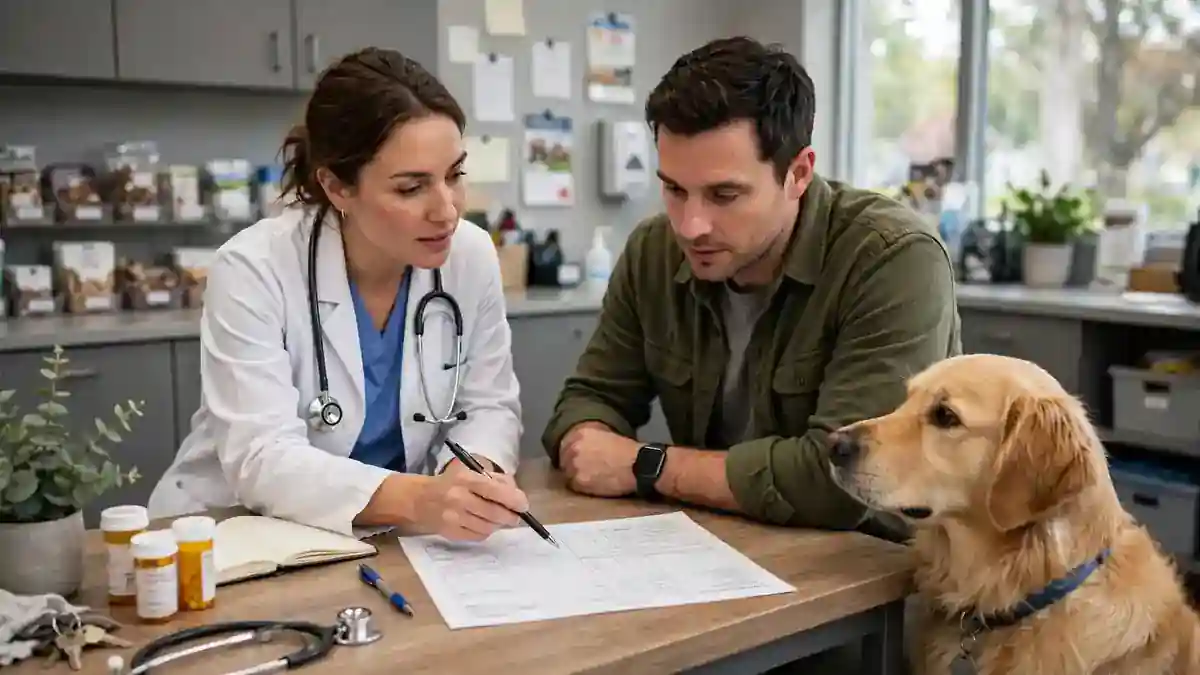
Carprofen, sold as Rimadyl and as generics, is the most prescribed dog NSAID. Vets use it for arthritis pain and for pain after surgery, and most dogs tolerate it well.
The FDA veterinary NSAIDs page lists each approved drug with its label. Carprofen dose for dogs follows a weight-based pattern. Bloodwork before treatment is standard. Deracoxib, sold as Deramaxx, covers osteoarthritis and post-surgical pain.
It also covers dental and orthopedic surgery. Firocoxib, sold as Previcox, covers arthritis and post-surgical pain. Puppies under seven months old should not take it.
Meloxicam, sold as Metacam and as generics, comes as a liquid or chewable tablets. A vet may give it as an injection in the clinic. It suits dogs that need a small precise dose.
Robenacoxib, sold as Onsior, is approved for pain after soft-tissue surgery for a maximum of three days. It is the only dog NSAID with that short a label limit. Etodolac, sold as Etogesic, is an older dog NSAID that vets use less often now that newer options exist.
Grapiprant stands apart from the rest. The drug blocks the EP4 receptor, the spot where a prostaglandin docks to cause pain and swelling, instead of blocking the enzymes that make prostaglandins. Galliprant for dogs is the brand name, and the label allows it from nine months of age in dogs that weigh at least 8 lb.
How do vets pick the right NSAID for a dog?
Vets pick an NSAID from the dog’s age, size, health history, other medicines, or the reason pain control is needed. A dog with kidney disease may suit one drug, and a dog with a sensitive stomach may suit another. There is no single best anti-inflammatory for every dog.
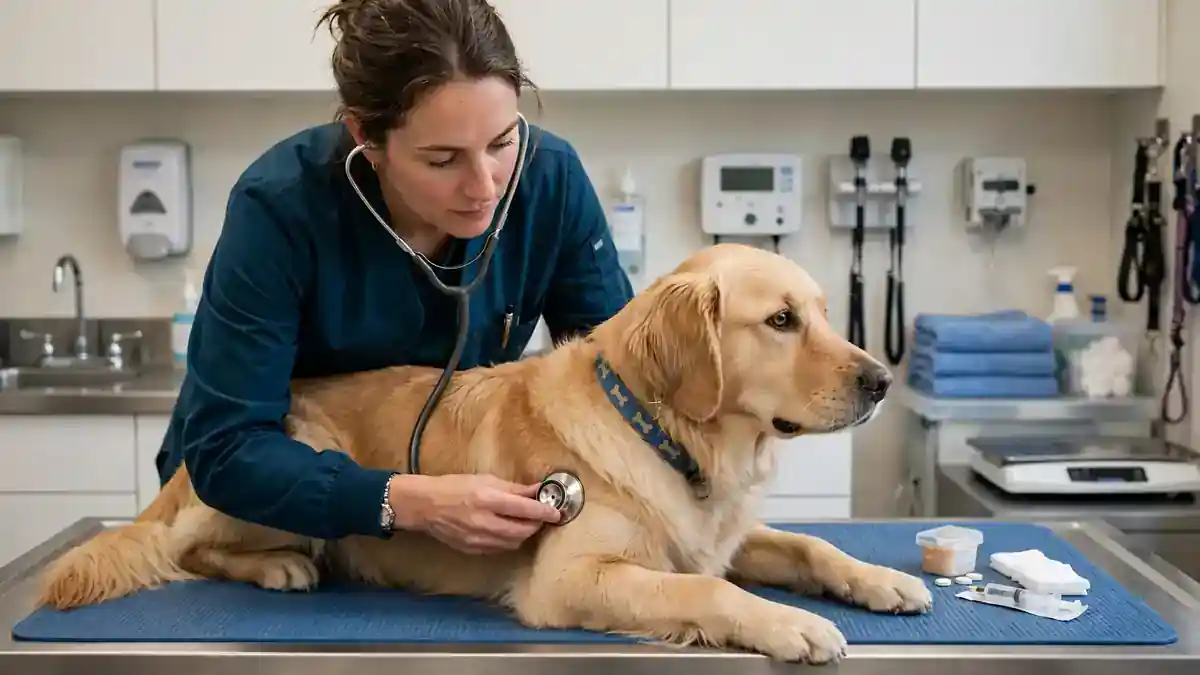
The exam comes first. A vet checks the joints, watches the dog walk, and runs bloodwork to set baseline liver and kidney values. That baseline matters, because a later blood test means little without a starting point.
What side effects can dog NSAIDs cause?
Dog NSAIDs most often cause vomiting, diarrhea, soft stools, loss of appetite, or tiredness. Serious effects are rarer and include stomach ulcers, kidney failure, liver damage, or bleeding problems. Any black stool, vomit with blood, or yellow gums means stop the drug and call the vet right away.

Gut effects show up first and most often. A dog that vomits once after the first dose may settle, and a dog that vomits twice, refuses food, or passes black tarry stool needs a call the same day. Black stool points to bleeding higher in the gut, and blood in vomit points the same way. An ulcer can deepen fast while the drug continues, so the call comes before the next dose, not after it.
Kidney effects show up as drinking far more water than usual and urinating more or less than usual. A dog that seems weak or wobbly needs a vet call. Liver effects can show as yellowing of the gums or the whites of the eyes, and the inside of the ear flap is a spot owners can check.
VCA notes that liver damage from NSAIDs is very rare. It shows up mostly in Labradors and similar breeds. The signs may be subtle until blood tests catch them.
Why human painkillers are dangerous for dogs
Human painkillers are dangerous for dogs because dogs process them differently. The margin between a human dose and a toxic dose is small. Ibuprofen can cause stomach ulcers, kidney failure, or seizures. Naproxen is stronger still, and even one tablet can injure a small dog. Acetaminophen sits outside the NSAID group. It carries a narrow safety margin in dogs.

Ibuprofen leads the danger list. Pet Poison Helpline states that ibuprofen is a human-specific NSAID and should not go to companion animals.
It names stomach ulceration among the severe signs. Ibuprofen for dogs has no safe at-home dose. A single 200 mg tablet can harm a medium dog.
Signs include vomiting and diarrhea, plus black stools and belly pain. Thirst and tiredness can follow too. They can start hours after the tablet goes down.
Naproxen, sold as Aleve, lasts longer in a dog than in a person, so one dose can act for days. That long action turns a small mistake into a long poisoning.
Aspirin for dogs has a longer history in vet care. Vets once used it often. It can still cause stomach ulcers after one dose at old recommended levels.
Modern dog NSAIDs replaced it for a reason. Aspirin now has a place only when a vet directs it for a narrow purpose.
Acetaminophen, sold as Tylenol, sits outside the NSAID group. It does not reduce swelling the way NSAIDs do.
Dogs have a narrow safety margin for it. Liver damage can follow an overdose. The rule for all three drugs is the same: never give a human painkiller to a dog unless a vet prescribes that exact drug and dose for that dog.
How long can a dog stay on an anti-inflammatory?
A dog can stay on an NSAID for months or years when a vet monitors the treatment, and many arthritic dogs take one daily for life. The vet runs bloodwork before treatment starts, and the dose drops to the lowest amount that controls pain. Long use without bloodwork raises the risk, and the vet decides the length.

Short courses cover surgery recovery and injuries. A dog that had an operation may take an NSAID for a few days, then stop once healing allows it. Arthritis is different, because joint wear does not heal.
The drug may run for months. The vet adjusts the dose as the seasons change. Cold weather and activity levels shift pain up and down, so a dog that needs more drug in winter may need less in summer.
Bloodwork is the safety net for long courses. A baseline panel before the first dose records liver and kidney values.
Repeat tests catch changes early. The FDA advises lab tests before and during NSAID use. Most vets repeat them every six to twelve months for a stable dog, or sooner when the dose changes or a new drug joins the list.
Kidney disease in dogs can rule out an NSAID altogether. The blood test is how the vet finds it early.
What happens when NSAIDs mix with other drugs?
Mixing an NSAID with another NSAID or with a steroid raises the risk of stomach ulcers, gut bleeding, or kidney damage. Vets forbid the combination. A switch from one NSAID to another needs a washout gap of several days. A switch from a steroid to an NSAID needs one too. Only the vet sets the gap.
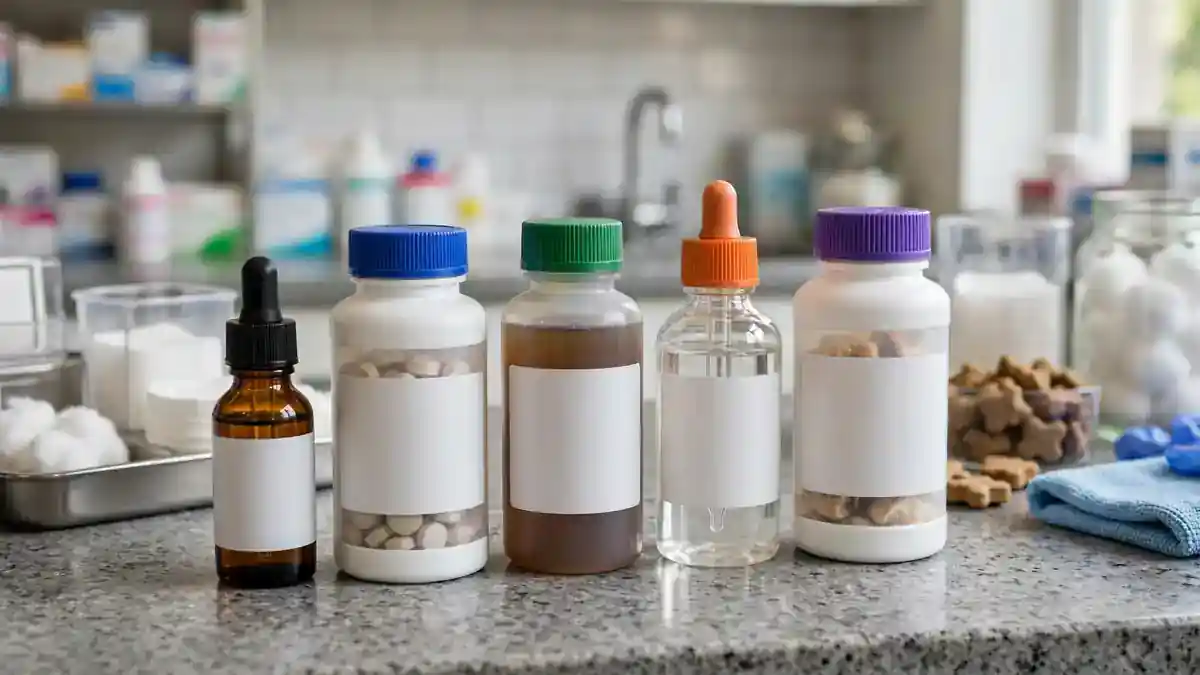
The danger comes from the same mechanism that makes the drugs work. Two NSAIDs together block prostaglandins twice as hard, and the stomach lining loses its protection faster. A steroid adds its own gut risk on top, and the pair can perforate the gut wall, which is a surgical emergency. The FDA warns owners never to give aspirin or a steroid along with an NSAID, and the VCA guide says the same: an NSAID should never mix with another NSAID or a steroid.
Other drugs interact in quieter ways. Diuretics, often called water pills, lower kidney blood flow. An NSAID on top can push a borderline kidney into failure.
Blood thinners raise the bleeding risk from an NSAID ulcer. Some antibiotics and antifungals change how fast the body clears an NSAID, which can raise drug levels without a dose change. The vet needs the full drug list, including supplements, to spot these pairs before the first dose.
The washout gap
A washout gap is a drug-free stretch between two anti-inflammatory drugs, and it lets the first drug clear the body before the second starts. The gap runs a few days for most switches, and longer when a steroid was used at a high dose for a long time. Never shorten the gap because the dog looks sore, and never bridge the gap with a human painkiller from the cabinet. Call the vet when pain spikes during a washout, because the vet can add a non-NSAID pain drug that does not clash with either side of the switch.
Are there non-drug ways to ease inflammation?
Weight control and exercise help, along with ramps and warm bedding. Physical therapy can ease inflammation without a drug. It works best alongside a vet-prescribed NSAID. A dog that carries extra weight loads sore joints with every step. Losing that weight can cut pain more than a dose change. Supplements can help some dogs. The evidence for them is thinner.
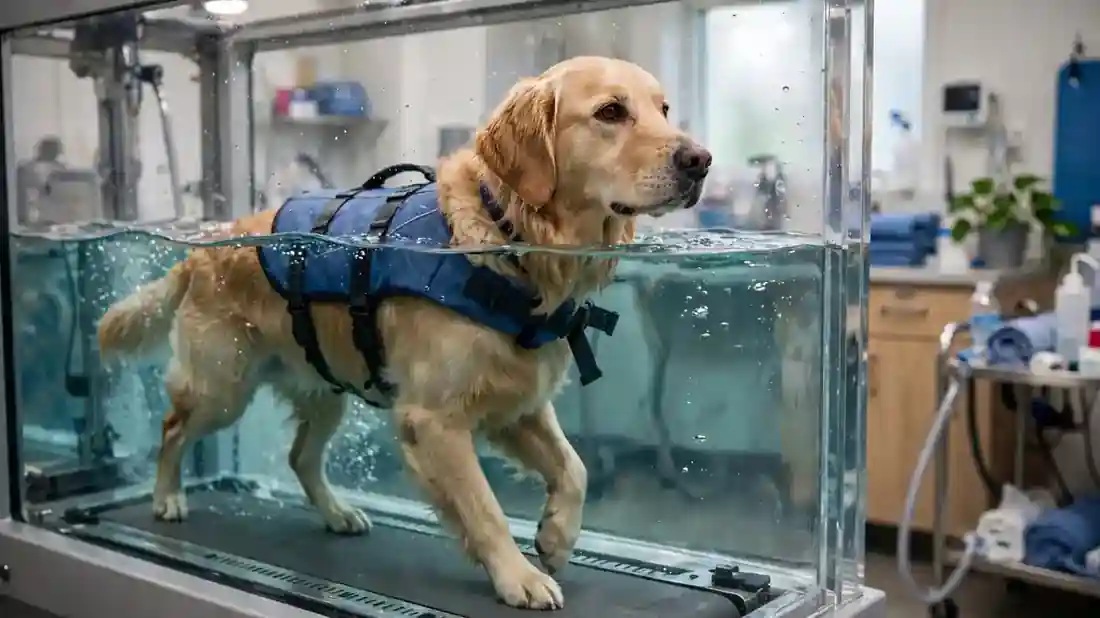
Weight loss is the strongest non-drug step. A vet can set a target weight and a feeding plan, and a slow loss can show up as easier rising and longer walks. Joint supplements for dogs often contain glucosamine and chondroitin, and glucosamine for dogs has a long record of safe use, and vets see modest gains in some dogs and none in others.
Movement helps when it is gentle and regular. Short walks on soft ground and swimming build muscle without pounding joints.
Underwater treadmill sessions help too. Stairs and jumping hurt arthritic dogs, so a ramp to the car and a ramp to the bed can cut daily strain. Warm bedding eases stiff mornings.
A cold floor can make them worse. A rehab vet can build a plan that fits the dog’s joints. The plan changes as the dog ages.
What to do if your dog swallows a human painkiller
Call your vet when your dog swallows a human painkiller, and have the box and your dog’s weight ready. Pet Poison Helpline runs a 24-hour line at 855-764-7661, and ASPCA Animal Poison Control runs one at 888-426-4435. Do not wait for symptoms, and do not make the dog vomit unless a vet tells you to.

Speed matters more than any home remedy. Vets may give activated charcoal to bind drug still in the gut, intravenous fluids to protect the kidneys, and medicines to shield the stomach lining. Blood tests track kidney and liver values over the next day or two. The sooner treatment starts, the better the odds, and a dog that looks fine in the first hour can still develop ulcers and kidney failure later.
Bring the box. The vet needs the active ingredient and the tablet strength, plus the number missing. Each drug needs a different treatment plan, so name the one the dog took.
Note the time the dog took the tablets. Note any vomit or stool changes since then. A photo of the box label helps when the box is torn or the print is small.
Keep human painkillers in a closed cabinet, never in a purse or a coat pocket on the floor, and never in a pill organizer a dog can chew open. A dog that eats a whole bottle of ibuprofen has taken a massive overdose, and the bottle will look empty before the owner notices. Count tablets when a new bottle starts, and store it high, closed, and out of reach.
Frequently asked questions about anti inflammatory for dogs
Owners ask the same six questions about anti-inflammatory drugs in almost every arthritis visit. The answers below use the FDA and VCA guidance, and each one still ends the same way: your vet picks the drug and the dose for your dog.

What is the safest anti-inflammatory for dogs?
There is no single safest drug for every dog. Vets most often prescribe carprofen or meloxicam. Deracoxib and firocoxib are also common, along with grapiprant.
The safest choice depends on the dog’s age and health, plus other medicines. A vet exam and bloodwork decide it. The drug with the best record for one dog may suit another dog poorly.
Can I give my dog ibuprofen for pain?
No, never give a dog ibuprofen. Ibuprofen is toxic to dogs. It can cause stomach ulcers and kidney failure.
Death can follow in severe cases, even in small amounts. Safer dog-specific NSAIDs exist by prescription. The vet can pick one after an exam.
Is aspirin safe for dogs?
Aspirin is not a first-choice pain drug for dogs anymore. Vets once used it often, and it can cause stomach ulcers after one dose at old recommended levels. A vet may still direct it for a narrow purpose, such as blood thinning, and the dose and monitoring come from the vet alone.
Can dogs take anti-inflammatory drugs long term?
Daily use is normal for arthritis, and many dogs take an NSAID once a day for months or years under vet care. The vet checks bloodwork during long courses and drops the dose to the lowest amount that controls pain. Long use without vet checks raises the risk.
What is the best natural anti-inflammatory for dogs?
No supplement matches a prescription NSAID for pain relief. The evidence for supplements is thinner. Weight loss and gentle exercise can help some dogs.
Fish oil and joint supplements may help too. They work best alongside vet care, not instead of it. Ask the vet before adding any supplement.
Can I give my dog Tylenol for pain?
Acetaminophen, sold as Tylenol, sits outside the NSAID group. It carries a narrow safety margin in dogs. Vets use it only in rare cases at a precise dose.
It is far more dangerous in cats. Never give it to a dog without a vet order. Never give a human dose from the box.
An anti inflammatory for dogs works best when it is the right drug, at the right dose, for the right dog, with bloodwork behind it. Human painkillers fail that test, and the FDA-approved dog NSAIDs pass it only under vet care. Know the drug name, watch the first week for vomiting and black stools, and keep human tablets locked away. The FDA page on NSAIDs for dogs and the VCA guide to NSAIDs both end on the same point: a prescription drug, a labeled dose, and bloodwork checks keep the treatment safe.