Can Dogs Eat Blackberries? Safety, Benefits, and Serving Guide

Yes, dogs can eat blackberries when the berries are plain, fresh, washed, and served in a small amount. Blackberries are safe for most adult dogs, and they carry fiber, vitamins, and antioxidants in very few calories. The fruit itself is not toxic, and the risks come from portion size and from sweetened products built around the berry. A few berries now and then make a fine treat.
This guide covers the parts that change the answer: how many berries fit your dog’s size, how to wash and cut them, what the xylitol talk really means, and which blackberry foods stay off the menu. With a little care, they are a simple treat.
Can dogs eat blackberries?
Yes, dogs can eat blackberries when the berries are fresh, washed, and served in a small amount. The fruit is safe for most adult dogs, and it carries fiber, vitamins, and antioxidants in few calories. Never serve blackberry jam, syrup, or desserts, since those products add sugar and sometimes xylitol. Keep berries as a treat, and keep portions small.

The PetMD blackberries guide says blackberries are safe and offer some health benefits, yet it stresses moderation to avoid stomach upset and nutritional imbalance. Fresh berries are the best form, and frozen berries without added sugar work too. Wash the berries, pull off stems, and cut large berries in half for small dogs.
Blackberries are not on the ASPCA toxic plant list for dogs, and vets group them with other safe berries such as blueberries, raspberries, and strawberries. The berry itself is gentle. Trouble starts when owners serve a large bowl, or when a sweetened product sneaks in. A few plain berries suit most dogs, and a handful every day does not.
What nutrients do blackberries offer dogs?
Blackberries offer dogs fiber, vitamin C, vitamin K, vitamin A, vitamin E, B vitamins, and antioxidants called anthocyanins. A cup of raw blackberries holds about 62 calories, with roughly 7.6 grams of fiber and 14 grams of carbohydrate. The deep purple color comes from anthocyanins, which help fight inflammation.
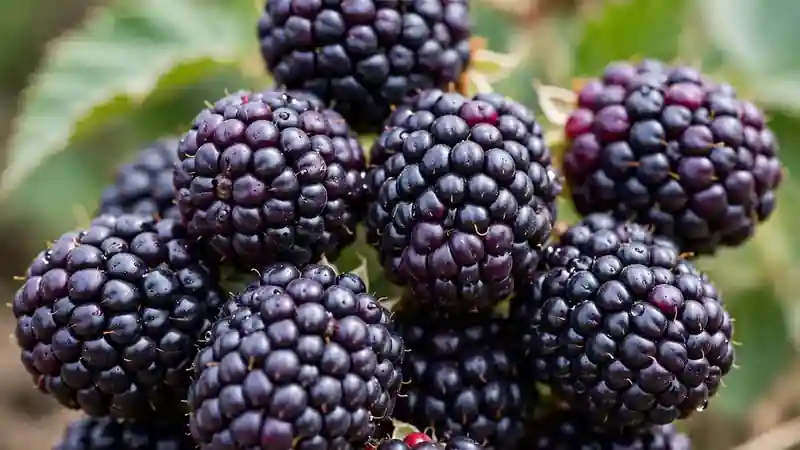
Anthocyanins are the nutrient that earns blackberries the superfood label for people. In dogs, they may help protect cells from damage and support heart health, yet the serving is so small that the effect stays modest. Fiber helps the gut move food along and supports steady stool, while vitamin C supports immune function and wound healing. Vitamin K helps blood clot, and vitamin E supports skin and circulation.
Here is the honest limit. PetMD points out that dogs eat blackberries in such small amounts that the berries give almost no real nutrition. A dog that eats two berries gets a trace of vitamins, not a meaningful dose. That makes them a low calorie treat with a good nutrient profile, rather than a supplement. Owners who want real nutrition should look at the dog’s main food, not the berry bowl.
How many blackberries can a dog eat?
Serving size depends on body weight, and the guide below sets the number by size. Extra small dogs get one berry, small dogs get two, medium dogs get two to five, large dogs get five to six, and extra large dogs get seven to eight. Offer berries a few times a week, inside the 10 percent treat rule.

These serving sizes come from the PetMD blackberries guide, which sets portions by body weight rather than by guess. The numbers look small because a single blackberry weighs about five grams and holds roughly two calories. The bands run from one berry for a dog under 10 pounds up to seven or eight for a dog over 91 pounds. A large dog that eats eight berries takes in about 16 calories, which is a small slice of a daily budget, while a toy dog that eats eight berries has eaten far past its share.
Start with half the amount for your dog’s size on the first try. Offer one berry, wait a day, and watch the stool, appetite, and energy. Loose stool or extra gas means the gut was not ready. Dogs that handle one berry well can move up to the full amount for their size. Dogs with diabetes or extra weight need smaller amounts still, and a vet can set the number.
How do you prepare blackberries for dogs?
Wash the berries under running water, pull off any stems, and cut large berries in half or mash them for small dogs. Serve the berries plain, with no sugar, cream, honey, or topping. Offer them by hand, mix them into the regular food, or freeze mashed berries in a toy for a cool snack.

Washing matters because berries grow close to the ground and can carry dirt, spray residue, and small insects. Rinse them gently in a colander, since blackberries crush easily under a hard stream. Stems are tough to digest and can pose a choking risk, so pull them off before serving. Cutting a berry in half stops a small dog from gulping it whole, and mashing works well for puppies and older dogs.
Frozen berries are a fine swap when fresh berries are out of season. Pick unsweetened frozen blackberries and check the label for added sugar or sweeteners. Let frozen berries soften a little, since a rock hard berry can crack a tooth. Dried blackberries are a different food, since drying concentrates sugar, and sweetened dried berries should stay out of the bowl.
Can dogs eat wild blackberries?
Dogs can eat wild blackberries when the owner can identify the bush with certainty and the berries are free of spray and dirt. Wild blackberries belong to the same Rubus group as store bought berries, and they carry the same nutrition. The risk is not the berry, but the bush and the ground it grows on.
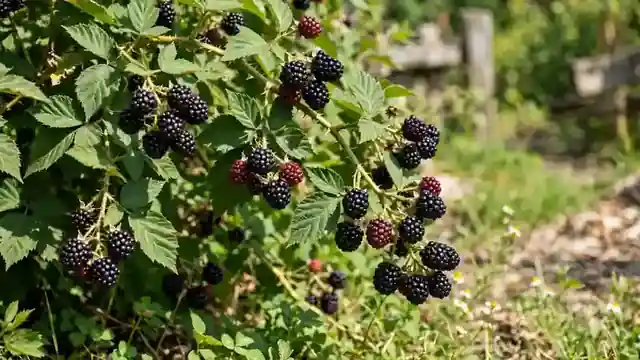
Identification comes first. Holly berries, poke berries, juniper berries, and mistletoe berries are toxic to dogs, and a wild hedge can mix safe and unsafe fruit on the same stretch. Pick only from a bush you know is a true blackberry, with dark clustered fruit and thorny canes. When in doubt, leave the berries on the bush and buy a punnet from a shop instead.
Roadside bushes carry a second risk. Berries near roads can hold exhaust residue and road salt, and bushes on farmland or park edges may have been sprayed. Wash wild berries twice and skip any that look moldy or soft. A dog that eats wild berries from a known clean bush in a garden faces little risk, while a dog that grazes a roadside hedge faces more.
What is the xylitol question with blackberries?
Blackberries carry a trace of natural xylitol, yet the amount is so small that a normal serving cannot harm a dog. The real xylitol danger sits in sweetened products such as sugar free jam, jelly, yogurt, and baked goods, where added xylitol can drop a dog’s blood sugar fast. Plain berries are safe, and sweetened blackberry products are not.
Xylitol is a sugar alcohol that triggers a sharp insulin release in dogs. The Merck Veterinary Manual page on xylitol toxicosis in dogs says doses above about 100 milligrams per kilogram of body weight can cause dangerous low blood sugar, with liver injury at about 500 milligrams per kilogram. Blackberries hold natural xylitol at a tiny fraction of one percent of their weight, so a dog would need an unrealistically large pile of berries to reach a harmful dose.
The AKC guide to fruits and vegetables dogs can and cannot eat makes the same point about raspberries, which also carry trace natural xylitol, and it caps raspberries at eight ounces. For blackberries, the portion limits in this guide sit far below any xylitol concern. Read labels on every sweetened product, since xylitol can hide under the names birch sugar and wood sugar.
Can dogs eat blackberry jam or desserts?
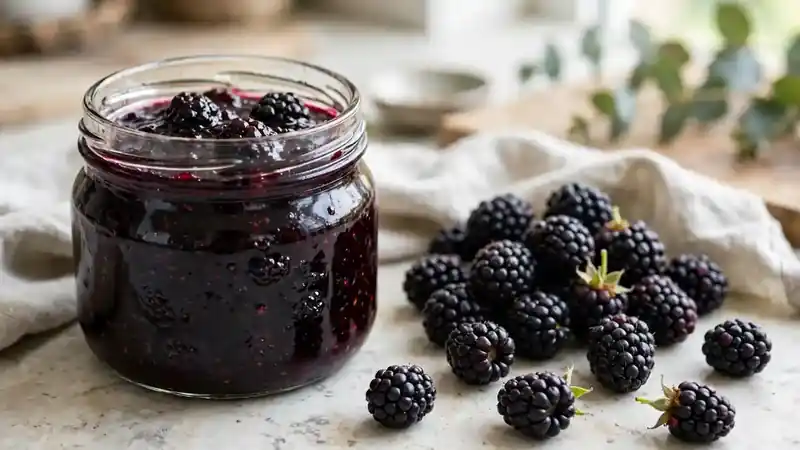
Dogs should not eat blackberry jam, jelly, pie, cobbler, syrup, or sweetened blackberry yogurt. Jam and jelly are nearly all sugar, and a sugar free version may hide xylitol. Pie and cobbler add butter, flour, and sugar, while syrup adds sugar with almost no fruit in it.
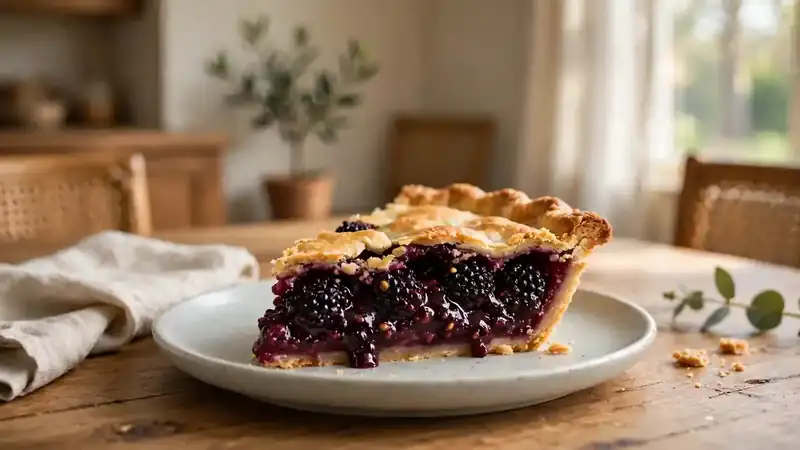
A spoonful of jam can hold more sugar than a whole punnet of fresh berries. That sugar can upset a small dog’s stomach, push blood sugar up, and add weight over time. Dogs with diabetes face a sharper risk, since a sweet spread can spike blood glucose fast. A dog that licks a small smear of jam by accident will likely be fine, yet the food has no place as a treat.
Check the label before sharing any blackberry product from a jar or a bakery. Sugar free jam is the one that can turn dangerous, since xylitol poisoning needs emergency vet care. The ASPCA list of people foods to avoid feeding pets covers the sweeteners and rich foods that hide in desserts. Fresh berries cost less effort and carry none of the extras.
Which dogs should skip blackberries?
Dogs with diabetes, extra weight, a sensitive gut, food intolerance, or a prescription diet should skip blackberries or eat them only with a vet’s approval. Puppies under six months and dogs with kidney disease also need a vet check first, since their diets are set for a reason.

Sugar and fiber are the reasons for most of these limits. Blackberries are lower in sugar than many fruits, yet the sugar still adds up for a dog with diabetes, and the fiber can loosen stool in a sensitive gut. A dog that carries extra weight gains nothing from sweet treats, even low calorie ones, when the portion creeps up. Dogs on a prescription diet should not eat food outside the diet unless the vet says it is fine.
Allergy to blackberries is rare, yet intolerance is not. Itching, face swelling, or hives after eating berries point to an allergic reaction and need same day vet advice. More often, the problem is simple overload: a dog that eats a full punnet from the garden will have a sore gut for a day. Remove the food, offer water, and keep berries out of reach.
Can blackberries change a dog's stool?
Blackberries can turn a dog’s stool blue or black, and the color can alarm owners who mistake it for blood. The change comes from the dark purple pigments in the berry, and it passes once the berries leave the gut. Too many berries can also cause loose stool, gas, and vomiting from the fiber and sugar load.

The color shift is harmless on its own, yet it hides a real warning. Blood in stool looks dark and tarry, and berry pigment can look much the same, so an owner who sees dark stool after berries should watch the dog closely. If the dog also vomits, strains, loses appetite, or seems weak, call a vet and mention the berries. Guessing wrong can delay care for a real bleed.
Loose stool is the more common effect. Fiber ferments in the large intestine, and that fermentation makes gas and soft stool when the portion is too large. Dogs prone to bloat face a sharper concern, since gas can add pressure in a deep chested dog. Keep the portion small, and the stool should stay normal.
Frequently asked questions about blackberries for dogs
The questions below cover the details owners ask most about blackberries: puppies, daily feeding, frozen berries, leaves and stems, toxic berries, and loganberries. Each answer gives the short version first, then the practical detail you need to act on it.

Can puppies eat blackberries?
Puppies can eat one small piece of plain blackberry after six months of age, but a vet check comes first. Puppy diets are balanced for growth, and new foods can trigger diarrhea that dehydrates a small pup fast. Offer half a berry once, watch the stool for a day, and keep treats under 10 percent of daily calories.
Can dogs eat blackberries every day?
Dogs should not eat blackberries every day. Daily feeding piles up fiber and sugar, and it can cause loose stool and gas over time. A few times a week in a small amount gives variety without that buildup. Rotate blackberries with other dog safe berries across the week, such as blueberries and cranberries.
Can dogs eat frozen blackberries?
Dogs can eat frozen blackberries when the bag holds plain berries with no added sugar or sweeteners. Check the label before serving, since some frozen fruit carries syrup or sweetener. Let the berries soften a little, since a rock hard berry can crack a tooth, and cut large berries in half.
Can dogs eat blackberry leaves or stems?
Dogs should not eat blackberry leaves or stems. The leaves and stems are fibrous, hard to digest, and can pose a choking risk, especially for small dogs. Pull stems off before serving, and keep dogs from chewing the canes of a garden bush. The soft berry flesh is the only part worth sharing.
Which berries are toxic to dogs?
Holly berries, poke berries from pokeweed, juniper berries, and mistletoe berries are toxic to dogs. Grapes and raisins are also toxic and can cause sudden kidney failure, even in small amounts. Never let a dog eat wild berries unless you can identify them with certainty, and call a vet at once if your dog eats an unknown berry.
Can dogs eat loganberries?
Dogs can eat loganberries, since they are a blackberry and raspberry hybrid and share the same safety profile as both parents. Serve them plain, washed, and in the same small amounts as blackberries, with stems removed. The same rules apply: no jam, no sweetened products, and no large portions.
Blackberries earn their place as an occasional treat, not a daily staple. Plain washed berries in a small amount suit most healthy adult dogs, while big portions, sweetened products, and unknown wild berries cause the problems owners want to avoid. Wash the berries, pull off the stems, start with one berry, and watch the stool for a day. Dogs with diabetes, extra weight, or a sensitive gut need a vet’s word first. When in doubt, skip the share and offer a plain treat the dog already tolerates, such as apples without seeds or mango flesh without the pit.