

Hypoallergenic dog food is a diet built to avoid triggering the immune system, and the strongest versions use hydrolyzed protein, where the protein is broken into pieces too small for the immune system to recognize. A bag that says hypoallergenic on the front is not automatically one of those diets. The real test is a strict elimination diet trial run with your vet.
Food allergy in dogs is common enough that most owners meet it sooner or later, yet the label on the bag tells only part of the story. This guide explains what hypoallergenic means, how hydrolyzed protein dog food works, how a diet trial proves an allergy, and where over the counter foods fall short.
What hypoallergenic dog food really means
Hypoallergenic dog food really means a diet made to lower the chance of an allergic reaction, usually by using one protein source the dog has never eaten or by breaking the protein down so the immune system cannot spot it. The word has no legal definition on a pet food label, so the claim alone proves nothing.

A true hypoallergenic diet comes in three forms. A veterinary hydrolyzed protein diet breaks protein molecules into fragments too small for immune cells to recognize. A veterinary novel protein diet uses a protein and a carbohydrate the dog has never eaten, such as venison and potato. A home prepared novel protein diet does the same thing with fresh ingredients, yet it must be formulated by a veterinary nutritionist and needs a balancing supplement.
Retail foods that call themselves hypoallergenic often just drop one or two common ingredients. That can help a dog with a mild sensitivity, yet it does not meet the standard a vet uses to diagnose an allergy. The diet that counts is the one your vet prescribes for a trial, not the one with the friendliest bag.
Food allergy or food intolerance: the difference matters
Food allergy and food intolerance differ in a way that changes the whole plan, since an allergy is an immune reaction to a protein while an intolerance is a digestive upset with no immune attack behind it. A dog can vomit after a rich meal without being allergic to anything in it.

A food allergy happens when the immune system overreacts and makes antibodies against part of the food, usually a protein. Antibody production takes time, so food allergies usually show up after prolonged exposure to one brand or type of food. The signs are itchy skin, paws, or ears, plus digestive trouble such as vomiting or diarrhea. Less obvious signs include hyperactivity, weight loss, lack of energy, and even aggression.
Food intolerance is simpler and more common. A dog eats something rich, spicy, or fatty, and the gut complains for a day. The signs overlap with allergy, which is why owners often blame the wrong ingredient. VCA Animal Hospitals lists the most common food allergens in dogs as proteins from dairy, beef, chicken, chicken eggs, soy, and wheat gluten, and notes that virtually any ingredient can cause an allergy.
How hydrolyzed protein dog food works
Hydrolyzed protein dog food works by breaking protein molecules into fragments so small that the immune system cannot recognize them as a threat, which stops the allergic reaction before it starts. The protein still feeds the dog, yet the immune system no longer sees it as an enemy.
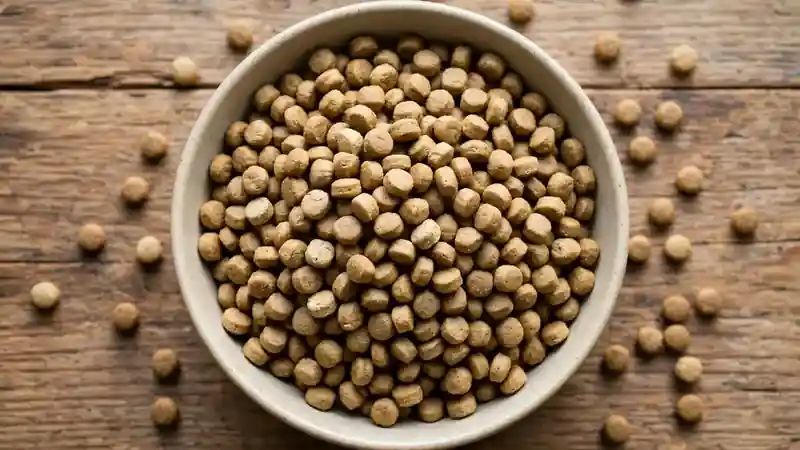
Hydrolysis is a manufacturing process that cuts long protein chains into short peptides. Vets compare it to shredding a photograph: the pieces are still there, yet no one can tell what the picture showed. Hydrolyzed diets come in different protein sources, such as soy, salmon, or chicken, and a dog that does poorly on one type often does better on another, so the vet may try a second formula.
These diets are prescription only, and the best known names are Hill’s Prescription Diet z/d, Royal Canin Hypoallergenic Hydrolyzed Protein or Anallergenic, and Purina Pro Plan Veterinary Diets HA Hydrolyzed. Each one is complete and balanced, and each one is made in a facility with strict cleaning protocols that cut cross contamination. A hydrolyzed diet is a good choice when the owner cannot remember everything the dog has eaten before.
Novel protein diets: the other main option
Novel protein diets are the other main option for a food allergy trial, and they work by feeding a protein and a carbohydrate the dog has never eaten, so the immune system has no antibodies ready against them. Rabbit, venison, duck, and kangaroo are common novel proteins, and the carbohydrate is usually potato or rice.

The diet must contain one protein source and one carbohydrate source the dog has not eaten in the past. That sounds simple until the owner lists every treat, table scrap, flavored medicine, and chew the dog has had in the last year. A protein the dog ate once in a mixed treat counts as eaten, and it can sink the trial. Your vet needs that full history before picking the novel protein.
Novel protein diets suit dogs whose full food history is known, while a hydrolyzed diet suits dogs with a patchy history. A novel protein diet can also work as a long term food after the trial, when the owner knows which proteins to avoid. Our guide to whether dogs can eat turkey covers one protein that often appears in rotation diets, and the page on whether dogs can eat ground beef explains why beef is a poor pick for a trial dog.
The elimination diet trial, step by step
The elimination diet trial runs in two steps, and both matter: first the dog eats only the trial diet for at least 8 weeks, then the vet reintroduces the old food to see whether the signs return. Signs that clear on the trial and return within a week of the challenge confirm a food allergy.

Step one is the elimination phase. The dog eats only the prescribed diet, with no treats, no table food, no flavored vitamins, and no flavored parasite preventives. VCA warns that a single flavored chew can carry enough protein to compromise the trial and force a restart. Dogs with gut signs often improve sooner than dogs with skin signs, and many see remission by the fifth week.
Step two is the challenge phase. The vet brings back the old food and watches for a flare, usually within 1 to 3 days, though it can take up to 4 weeks. When the signs return, the trial diet goes back on, and the vet adds single proteins one at a time, each for up to 4 weeks, to pin down the exact culprit. Blood, saliva, and hair tests cannot replace this trial, since studies show they do not predict food allergies reliably.
Prescription hypoallergenic diets your vet may pick
Prescription hypoallergenic diets your vet may pick include Hill’s z/d, Royal Canin Hypoallergenic and Anallergenic, and Purina Pro Plan HA Hydrolyzed, and the choice turns on the dog history, the protein source, and how the first trial went. All three are complete and balanced, and all three need a vet prescription.
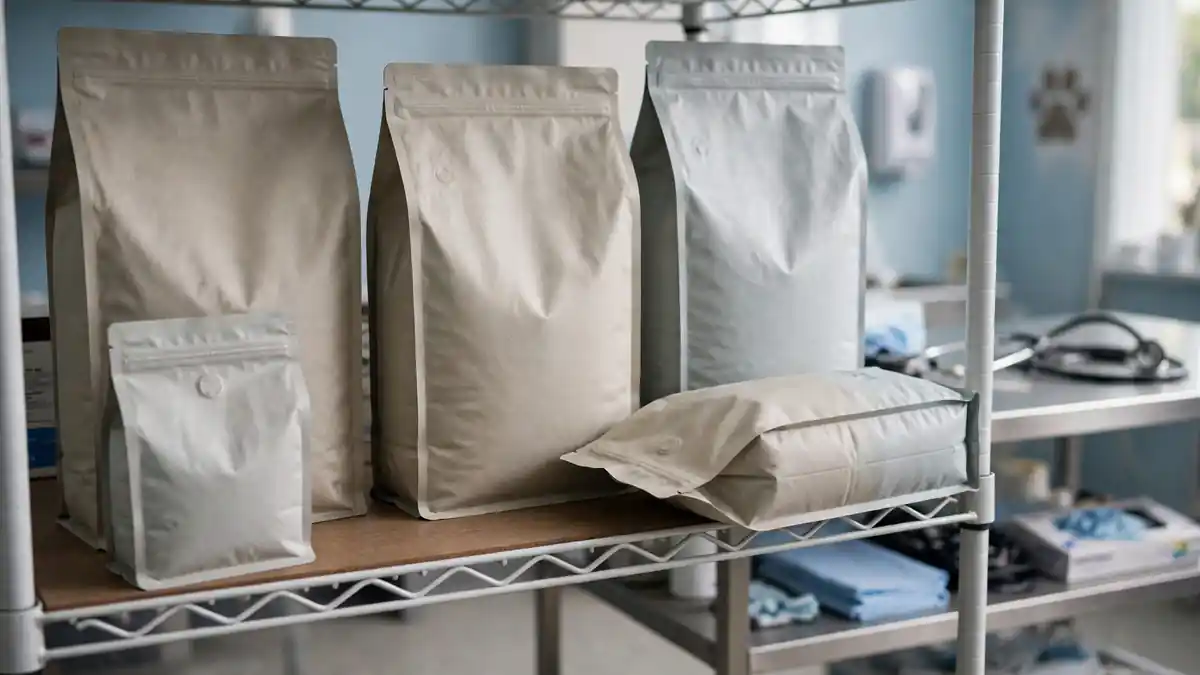
Hill’s z/d uses hydrolyzed chicken liver as its protein source, with a focus on skin and gut support. Royal Canin Hypoallergenic uses hydrolyzed soy protein isolate, while Anallergenic goes further with feather hydrolysate, a protein source so broken down that the immune system has almost nothing to react to. Purina HA Hydrolyzed uses hydrolyzed soy protein with a single low allergen carbohydrate source. Each one carries a complete and balanced statement for its life stage.
Cost and palatability shape the pick too. Prescription diets run higher than standard kibble, and some dogs refuse one formula while eating another happily. A vet may switch the hydrolyzed source when the first trial shows no improvement, since a different protein can change the result. Stay on the chosen diet for the full trial period your vet sets, even when the signs clear early.
Over-the-counter limited ingredient food: where it falls short
Over the counter limited ingredient food falls short as a diagnostic tool because it is not made in dedicated facilities, and testing has found unlisted proteins in many retail bags. That makes it a poor choice for a trial, even when the label looks clean.
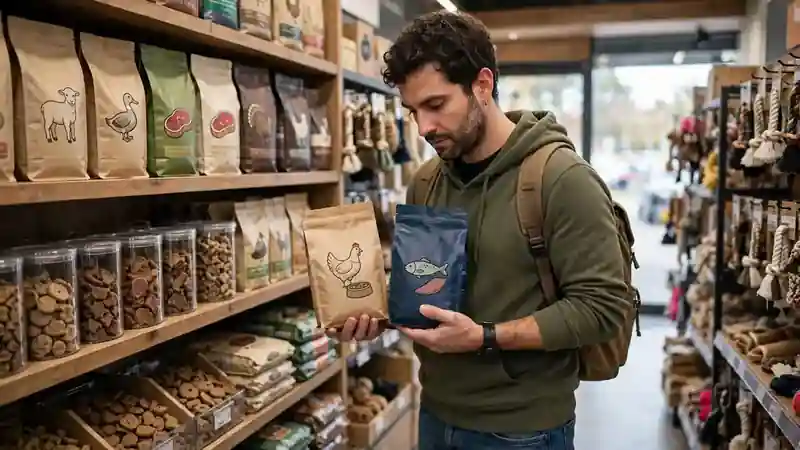
VCA explains that therapeutic hydrolyzed diets are made with specific manufacturing protocols and cleaning procedures designed to cut contamination, while limited ingredient formulas run on the same lines as other diets. The food made just before can leave small particles behind, and those particles can trigger a flare that confuses the whole trial. A 2019 study tested 21 over the counter foods with uncommon or limited ingredients and found mammal DNA not listed on the label in all 21.
Retail limited ingredient food still has a place after the trial. Once the vet has named the problem protein, an over the counter food that skips it can work for long term feeding, as long as the owner accepts the contamination risk. Chicken is the protein most owners need to avoid, and our page on whether dogs can eat chicken covers the many forms chicken takes in dog food. Salmon is another common protein, and the guide to whether dogs can eat salmon skin explains the fat and bone risks.
Reading labels for hidden allergens
Reading labels for hidden allergens means looking past the front of the bag and checking the ingredient list, the guaranteed analysis, and the small print for proteins that hide under other names. Chicken fat, chicken meal, egg product, and whey all carry the proteins that trigger many allergic dogs.

Start with the first five ingredients, since they make up most of the food by weight. A food that lists chicken first and then claims to be hypoallergenic is not a hypoallergenic diet. Check the treats too: a venison kibble with a chicken liver treat defeats the trial, and flavored medicines can carry the same proteins. The AKC notes that chicken, beef, and fish are statistically the most common allergens, and that contamination can happen when foods share a production line.
Eggs deserve a closer look. Chicken eggs rank among the most common food allergens in dogs, yet egg powder hides in many foods and treats under names such as dried egg product. Our page on whether dogs can eat eggs covers the allergy angle and safe preparation. Rice is a safer carbohydrate for most trial dogs, and the guide to whether dogs can eat rice explains the plain preparation that suits a sensitive gut.
Life after the trial: feeding for the long term
Life after the trial means feeding a diet that skips the problem ingredients for good, while watching for new allergies, since dogs can develop reactions to foods they once tolerated. The trial gives the owner a list, and the long term diet follows that list.

A dog that cleared on a hydrolyzed diet can often stay on it for life, since these diets are complete and balanced. A dog that cleared on a novel protein diet can move to a retail food that skips the problem proteins, with the understanding that cross contamination remains a risk. Keep the treats on the same protein as the food, and switch flavored preventives to topical or injectable forms when the vet advises it.
New allergies can appear later, and many dogs with food allergies also have environmental allergies or flea allergy. Track itching, ear infections, and stool quality in a simple log, and bring it to each vet visit. A flare after months of calm does not always mean the food failed: a new treat, a new chew, or a seasonal allergy can sit behind it. The trial taught the owner how to test a suspect, and that skill stays useful for the life of the dog.
Frequently asked questions about hypoallergenic dog food
Owners ask the same questions about hypoallergenic dog food, and the answers below cover the ones vets hear most. Each answer assumes a vet is running the trial, since a diet trial without vet guidance rarely stays strict enough to prove anything.

What is the best hypoallergenic dog food?
The best hypoallergenic dog food is the prescription diet your vet picks for the trial, usually a hydrolyzed protein formula such as Hill’s z/d, Royal Canin Hypoallergenic, or Purina HA Hydrolyzed. Over the counter limited ingredient foods can work for maintenance after the trial, yet they cannot diagnose an allergy. The vet choice turns on the dog history and the first trial result.
How long does a hypoallergenic diet trial take?
A hypoallergenic diet trial takes at least 8 weeks for the elimination phase, and the AKC notes that some vets run it for 12 weeks. Gut signs often improve sooner than skin signs, and many dogs see remission by the fifth week. The challenge phase adds more weeks, since each protein is tested one at a time for up to 4 weeks.
Can I buy hypoallergenic dog food without a prescription?
You can buy over the counter foods labeled hypoallergenic or limited ingredient without a prescription, yet true hydrolyzed protein diets need a vet prescription. A retail bag that says hypoallergenic is not the same as a prescription hydrolyzed diet, and it will not serve as a proper trial diet. Ask your vet before buying any food for an allergy trial.
Is grain free the same as hypoallergenic?
Grain free is not the same as hypoallergenic, since grain free only means the food skips grains, while hypoallergenic means the diet is built to avoid an immune reaction. Most food allergies trace to proteins such as beef, chicken, dairy, and soy, not to grains. A grain free food that still contains chicken will still trigger a chicken allergic dog.
Do allergy tests work for dogs?
Allergy blood, saliva, and hair tests do not reliably diagnose food allergies in dogs, and VCA notes that studies have found them inaccurate. In some studies, researchers sent water and stuffed animal fur for testing, and the results claimed those samples had food allergies. A strict elimination diet trial followed by a challenge is the only reliable test.
Can a dog outgrow a food allergy?
A dog rarely outgrows a food allergy, and the usual treatment is avoidance for life. Some dogs develop new allergies to foods they once tolerated, so the owner should keep tracking signs after the trial. A dog that stays clear on the trial diet should keep eating it, and any new food should go through the vet first.
Hypoallergenic dog food earns its name in the trial, not on the bag. Work with your vet, pick a hydrolyzed or novel protein diet, feed it strictly for at least 8 weeks, and run the challenge to prove the allergy. Once the culprit is named, feed around it for life, read every label, and keep the treats on the same protein as the food. That discipline is what turns a label claim into real relief for an itchy, uncomfortable dog.


