Allergy Medicine for Dogs: Vet Options That Work

Allergy medicine for dogs works best when a vet matches the drug to the allergy type, and the strongest options, Apoquel and Cytopoint, need a prescription. Mild seasonal itch may respond to a vet directed antihistamine, while moderate or year round itch needs a drug that blocks the itch signal itself. No allergy drug cures the allergy.
An itchy dog can make a home miserable. The dog scratches at night, chews its paws raw, and wakes everyone up. Owners try shampoo, diet changes, and human allergy pills, often in the wrong order. This guide sorts the real options from the risky ones, explains how each drug works, and shows what the vet checks before choosing.
What allergy medicine for dogs works fastest?
What allergy medicine for dogs works fastest depends on the drug, since Apoquel often eases itch within hours, Cytopoint takes a day or three, and antihistamines take days to show a clear effect. Speed alone does not pick the drug. Your vet weighs speed with safety, age, and the allergy type.
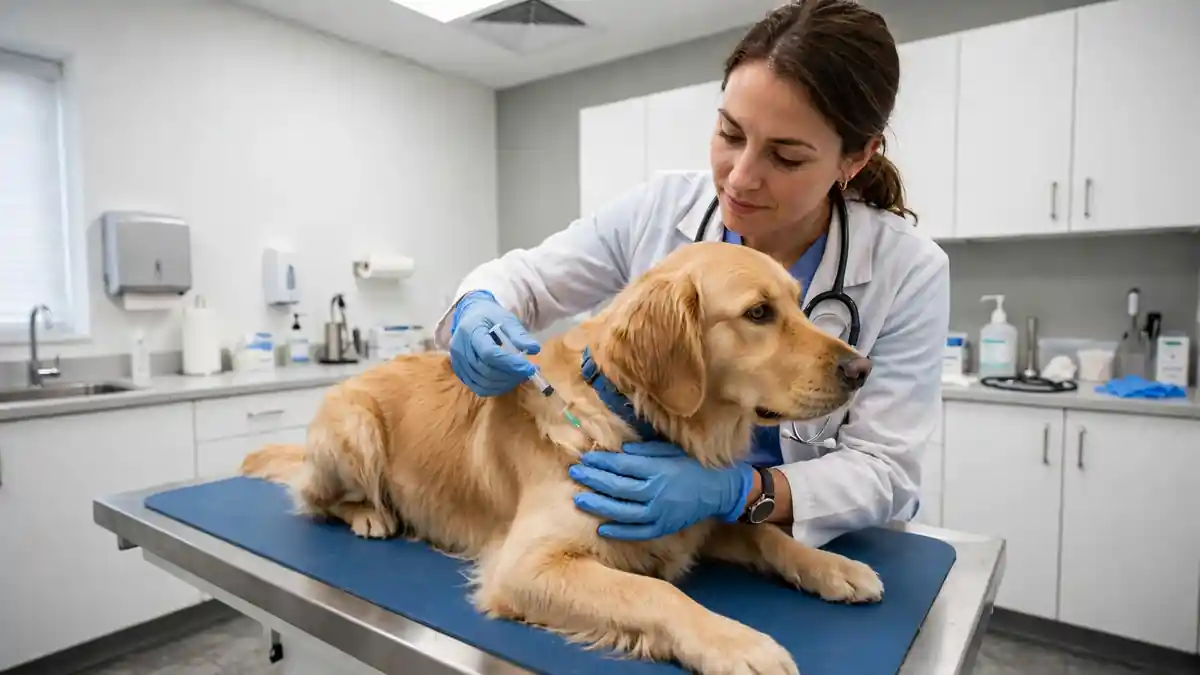
Apoquel is a daily tablet, and many dogs feel relief within hours of the first dose, with fuller control by the next day. Cytopoint is an injection given at the clinic, and relief builds over one to three days, then lasts four to eight weeks. Antihistamines work slower, and they help only a minority of dogs with chronic skin allergy.
Fast relief also fades fast with Apoquel, since the drug stops working within a day of the last tablet. That is why daily dosing matters. A dog that misses tablets will itch again by the next day. Cytopoint suits owners who struggle with daily pilling, since one visit covers weeks. The vet picks the rhythm that fits the home as much as the dog.
What causes allergies in dogs?
Allergies in dogs come from an immune system that overreacts to a normal substance, such as pollen, dust mites, mold, a food protein, or flea saliva. The immune system treats the substance as a threat and releases chemicals that inflame the skin. The dog feels itch, and the scratching then damages the skin further.

Environmental allergy, called atopic dermatitis, is the most common type. Pollen, grass, dust mites, and mold trigger it, and the signs cluster on the paws, belly, ears, and face. Dogs chew their feet, rub their faces, and develop red skin and ear infections. The pattern often follows the seasons, yet some dogs itch all year.
Food allergy looks similar on the skin, yet the trigger sits in the bowl. Beef, chicken, dairy, and wheat are common culprits, and the signs can include itch plus stomach upset. Flea allergy is the third type, and a single flea bite can set off intense itching in a sensitive dog. The AKC dog allergies guide explains how vets sort these types apart, since each one needs a different plan.
Which antihistamines do vets use for dogs?
Vets use antihistamines such as diphenhydramine, cetirizine, hydroxyzine, and chlorpheniramine for dogs, always with a vet set dose and only for mild or seasonal itch. These drugs block histamine, one of the chemicals behind itching and swelling. They are cheap and carry few serious side effects, yet they help only a minority of dogs with chronic skin allergy.
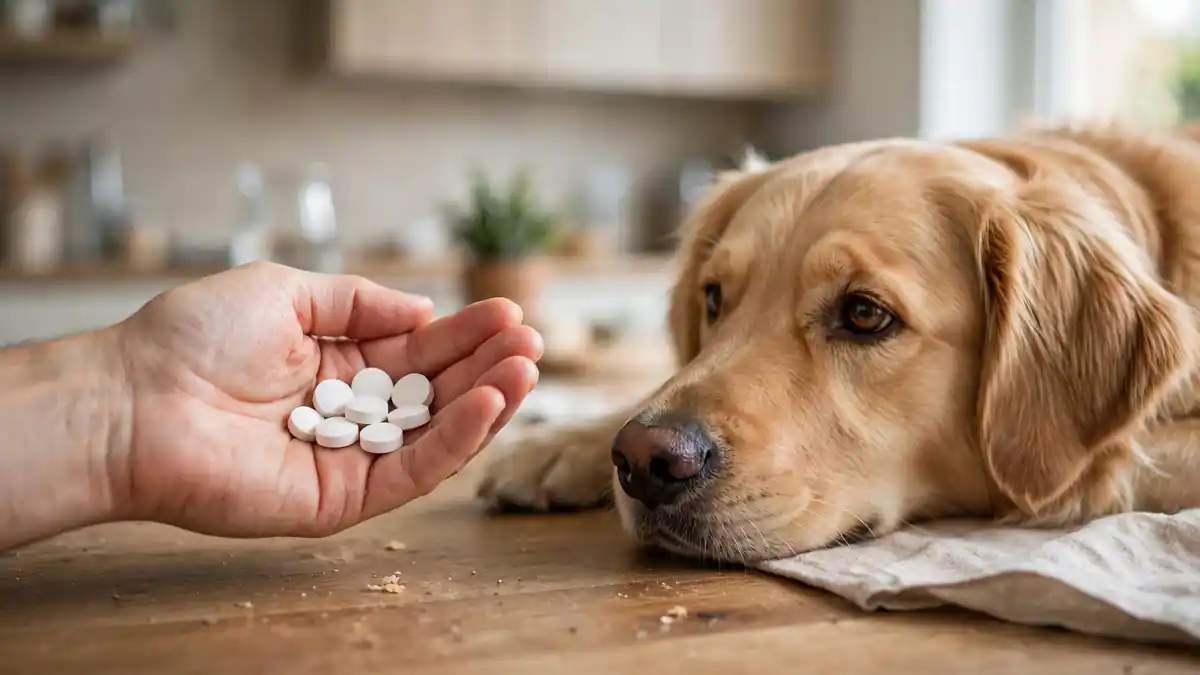
Diphenhydramine, sold as Benadryl, is the oldest of the group. It works fast and often makes dogs sleepy, which suits a sudden hive outbreak more than daily use. Cetirizine, sold as Zyrtec, lasts longer and causes less drowsiness, which suits daytime use. Hydroxyzine is a prescription antihistamine that vets sometimes find stronger than the over the counter options. Our page on Benadryl for dogs covers the oldest option in detail.
Antihistamines work best before the itch peaks, since they block new histamine signals rather than calming an itch that is already raging. The Merck Veterinary Manual notes they have little effect on an acute flare, which is why vets rarely rely on them alone for a dog that is already scratching hard. A vet may still add one to a wider plan, alongside baths, flea control, and a prescription drug.
How does Apoquel work for itchy dogs?
Apoquel works for itchy dogs by blocking Janus kinase enzymes inside cells, which carry the itch signal from the skin to the brain. The active ingredient is oclacitinib, and the drug is neither a steroid nor an antihistamine. It targets the itch pathway directly, which is why it often relieves itch within hours.

The drug comes as a daily tablet given at home. Vets often start with twice daily dosing for a short period, then step down to once daily for maintenance. The exact schedule comes from your vet, since it depends on the dog and the response. Bloodwork before and during long term use is common, since the drug affects parts of the immune system.
Apoquel is labeled for dogs twelve months and older, and it is not for dogs with serious infections or certain tumors. The VCA oclacitinib page lists the labeled uses and the cautions, including the need to check for infection before starting. Side effects can include vomiting, diarrhea, and a higher chance of infection, so a dog on Apoquel needs regular vet checks. Our page on Apoquel for dogs covers the drug in full.
How does Cytopoint work for itchy dogs?
Cytopoint works for itchy dogs as an injected antibody that binds interleukin 31, the protein that carries the itch signal in allergic skin disease. The active ingredient is lokivetmab, and the drug is a biologic, not a chemical pill. One injection at the clinic usually gives relief for four to eight weeks.
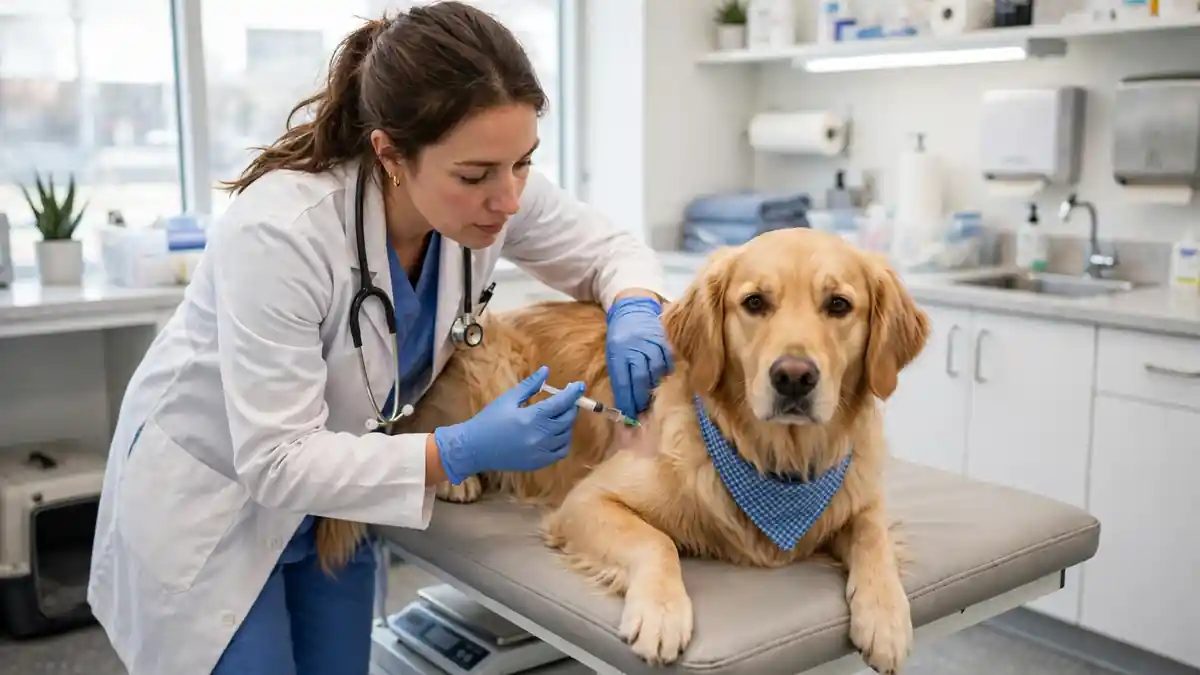
The antibody acts like a sponge for the itch protein. It soaks up interleukin 31 in the blood, so the signal never reaches the brain. The effect builds over one to three days, which is slower than Apoquel, yet the long duration suits dogs that hate tablets and owners who forget daily doses. The vet gives the injection under the skin, and the dose depends on the dog weight.
Cytopoint targets itch more than inflammation, so thickened skin, sore ears, and infected feet may need other treatment alongside it. It carries few drug restrictions, and vets often choose it for puppies, for dogs with other illnesses, and for dogs with a history of tumors. The VCA lokivetmab page describes the antibody action and the labeled use for allergic dermatitis itch.
What other prescription options treat dog allergies?
Other prescription options that treat dog allergies include cyclosporine, corticosteroids, and immunotherapy, plus a newer daily tablet called Zenrelia. Each one works in a different way, and the vet picks the one that fits the dog age, the severity, and the other health problems. These drugs need monitoring, and none of them is a casual choice.
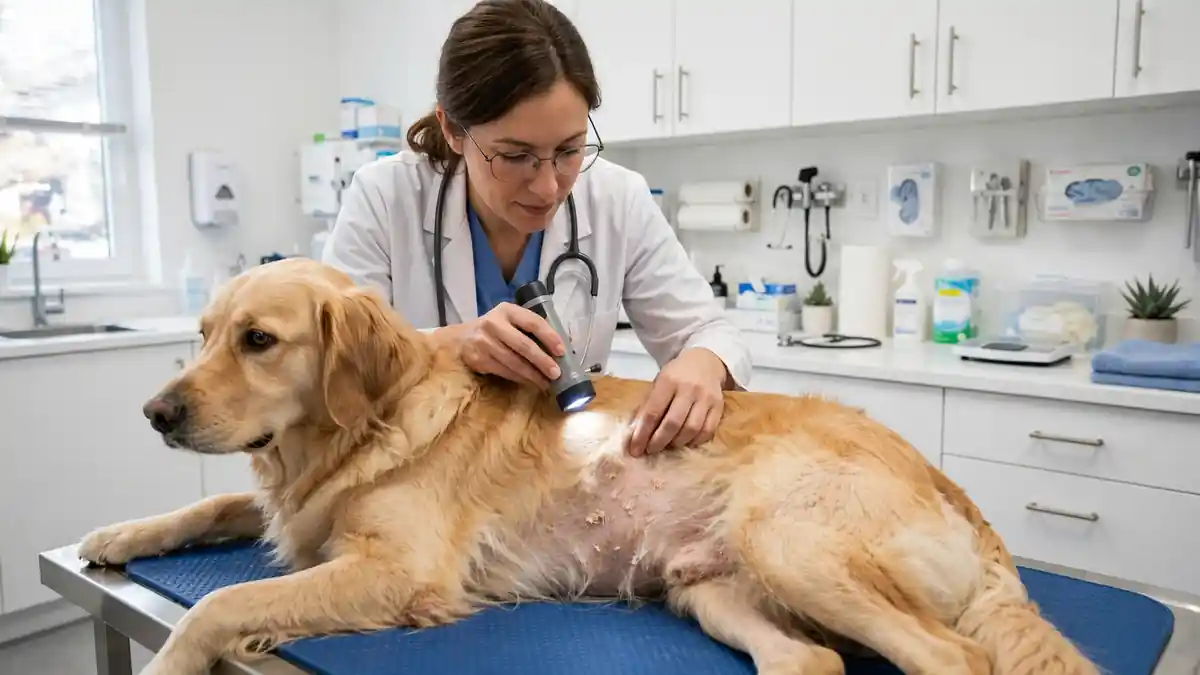
Cyclosporine, sold as Atopica, calms the overactive immune response. It takes weeks to reach full effect, so it suits long term control rather than a sudden flare. Early vomiting and diarrhea are common and usually settle. Corticosteroids such as prednisone work fast and well, yet long term use brings thirst, weight gain, and a higher infection risk, so vets use the lowest dose for the shortest time.
Immunotherapy is the only treatment that aims at the cause. Allergy testing finds the triggers, and the vet gives small, rising doses of those allergens by injection or under the tongue. The immune system slowly learns to tolerate them. It takes months to work, and it helps about half to most dogs, yet it can cut the need for daily drugs. Zenrelia is a newer daily tablet in the same family as Apoquel, and your vet can explain whether it fits your dog.
Which human allergy medicines are dangerous for dogs?
Human allergy medicines that are dangerous for dogs include any product with a decongestant, any combination cold medicine, and any liquid that contains xylitol. The decongestants pseudoephedrine and phenylephrine can raise heart rate and blood pressure, cause tremors and seizures, and kill a dog. A product with a D on the box is never safe for a dog.

Combination cold and sinus products are the worst trap. They pair an antihistamine with a decongestant and sometimes a painkiller, and the box looks like a simple allergy pill. The antihistamine inside may be fine on its own, yet the extra ingredients are not. Read the active ingredients panel on every human medicine before it comes near a dog, and keep human medicines in a closed cabinet.
Xylitol hides in liquids, fast dissolving tablets, and some nasal sprays. It is a sweetener that is safe for people and toxic for dogs, and it can drop blood sugar and damage the liver. Some antihistamine liquids use it, so plain tablets are the safer form to verify. If a dog swallows a human allergy product, call the vet or a poison line at once and bring the box.
How do vets pick the right allergy medicine?
Vets pick the right allergy medicine by finding the allergy type, then ruling out fleas and skin infection, since those problems must be treated before any allergy drug can work. A dog with fleas will keep itching no matter which allergy drug it takes. A dog with a skin infection needs antibiotics or antifungals alongside the itch drug.

The vet then weighs the itch severity, the season, the dog age, and the home routine. Mild seasonal itch may need only an antihistamine and baths. Moderate or year round itch needs Apoquel, Cytopoint, or a similar prescription drug. A dog that cannot take tablets points toward Cytopoint, while a dog that needs fast relief points toward Apoquel. The VCA page on inhalant allergies in dogs stresses this step by step approach, with flea control and infection care as the base.
Cost and follow up shape the choice too. Apoquel is a daily cost that adds up, while Cytopoint is a clinic visit every month or two. The vet also plans bloodwork and rechecks for dogs on long term immune drugs. The right drug is the one the owner can give on time, the dog tolerates, and the vet can monitor. A plan that looks perfect on paper and fails at home helps no dog.
What else helps besides allergy medicine?
What else helps besides allergy medicine starts with flea control, baths, and treating skin and ear infections, since those steps cut the itch load before any drug starts. Year round flea prevention is the base for every allergic dog, since one flea bite can trigger a flare. Our page on the best flea treatment for dogs compares the options.

Bathing with a gentle medicated shampoo washes pollen and dust from the coat and soothes irritated skin. Wiping the paws after walks keeps allergens out of the house. A vet may also suggest fatty acid supplements for skin health, and our page on fish oil for dogs explains what those supplements can and cannot do. Keep the bedding washed and the home vacuumed, since dust mites live in soft furnishings.
Food trials help when food allergy is on the list. The vet picks one new protein and one new carbohydrate, feeds only that food for weeks, and watches the itch. Treats, table scraps, and flavored medicines can break a food trial, so the whole house must follow the same rule. A strict trial is hard work, yet it is the only way to prove a food allergy and find a food the dog can eat for life.
Frequently asked questions about allergy medicine for dogs
Owners ask the same questions at every allergy visit, and the answers turn on the allergy type and the dog in front of the vet. The questions below cover the choices owners face most, from over the counter pills to the prescription drugs that dominate the conversation.
What is the best allergy medicine for dogs?
The best allergy medicine for dogs is the one your vet matches to the allergy type and severity, and for moderate or severe itch that is usually Apoquel or Cytopoint. Mild seasonal itch may need only a vet directed antihistamine. There is no single best drug for every dog, since age, other illnesses, and the home routine all shape the choice.
Can I give my dog Benadryl for allergies?
You can give your dog Benadryl only when your vet directs it, with the dose your vet sets for your dog. Plain diphenhydramine is the safe form, and combination products with a decongestant are never safe. Benadryl helps mild itch and hives best, and it often makes dogs sleepy. Our page on Benadryl dosage for dogs explains how vets approach dosing for the older drug.
Is Claritin safe for dogs?
Claritin, whose active ingredient is loratadine, is sometimes used by vets for dogs with mild itch, yet it is not a first choice and it needs a vet decision first. Plain loratadine is the only form to consider, and Claritin-D with a decongestant is never safe. The evidence for loratadine in dogs is thin, so vets often pick cetirizine or diphenhydramine instead.
Can allergy medicine cure my dog allergies?
Allergy medicine cannot cure your dog allergies, since every current drug manages signs rather than removing the sensitivity. Apoquel and Cytopoint calm the itch while the drug is active, and the itch returns when the drug stops. Immunotherapy is the only treatment that aims at the cause, and even it helps only about half to most dogs. Food allergy is managed with diet, not drugs.
How long will my dog need allergy medicine?
Your dog may need allergy medicine for a season or for life, depending on the allergy type. Seasonal pollen allergy often needs treatment through the pollen months only. Year round dust mite allergy and atopic dermatitis often need long term treatment, with regular vet reviews. Never stop a prescription allergy drug suddenly without vet advice, since the itch can rebound hard.
When should I call the vet about my dog allergies?
Call the vet when itching keeps your dog awake, when the skin turns red, raw, or smelly, when ears look sore or smell bad, or when vomiting or diarrhea follows a new medicine. A dog that chews its paws until they bleed, loses hair, or develops hot spots needs a visit soon. Puppies, older dogs, and dogs with other illnesses deserve a faster call, since their skin breaks down faster.
Allergy medicine for dogs is a ladder, not a single pill. The bottom rung is flea control, baths, and treating infection. The next rung is a vet directed antihistamine for mild itch. The top rung holds Apoquel, Cytopoint, and the other prescription drugs for dogs that itch through everything else. Climb the ladder with your vet, keep human combination products far from your dog, and judge the plan by the dog in front of you: sleeping through the night, leaving its paws alone, and enjoying walks again. That is the result that matters.