Dog Throwing Up White Foam: Causes and When to Worry

A dog throwing up white foam usually has an empty or irritated stomach, and a single episode in a bright, eating dog is often mild. The foam is saliva and stomach fluid whipped into bubbles, not a disease by itself. Repeated episodes, or foam with other signs of illness, deserve a vet visit the same day.
White foam looks alarming, and that alarm is useful. It pushes owners to watch the dog closely instead of brushing the episode off. The right response depends on the pattern. A dog that vomits once in the morning and then eats breakfast with enthusiasm is in a different place from a dog that retches foam all afternoon and will not drink. This guide walks through the common causes, the red flags, and the steps to take at home and at the clinic.
What does white foam vomit look like in a dog?
White foam vomit looks like bubbly, frothy liquid with no food in it, and it often appears pale white or slightly yellow. The foam forms when saliva, stomach fluid, and air mix during retching. A small puddle on the floor is typical, and the dog may retch several times before anything comes up.

The color tells you something, though it never gives a diagnosis on its own. Clear or white foam points to saliva and stomach fluid. Yellow foam points to bile, the fluid that flows back from the small intestine into an empty stomach. Red streaks or dark material that looks like coffee grounds point to blood, and that needs a vet at once.
Texture matters too. Foam from the stomach comes after retching, with the belly working hard and the dog hunched over. Foam from coughing arrives at the end of a coughing fit, with no belly heaving. Owners who note which one they saw give the vet a much clearer starting point. A phone photo of the puddle helps as well, since vets read a lot from color and amount.
Why is my dog throwing up white foam in the morning?
A dog throwing up white foam in the morning often went too long without food overnight, so stomach acid and bile irritated an empty stomach lining. The long fast between dinner and breakfast is the usual trigger. A late evening snack shortens that fast and often stops the morning episodes.

Dogs that eat once a day face this pattern most. The stomach keeps making acid through the night, and with no food to soak it up, the acid and bile sit against the lining. By morning the lining is irritated enough to trigger vomiting. The dog brings up foam because there is nothing solid to bring up.
Feeding schedule changes help many of these dogs. Split the daily food into two or three meals, and save a small part of the evening meal for a late snack. Keep the change simple and watch for a week. If morning foam stops, the empty stomach was the likely cause. If it keeps happening, or the dog shows other signs, book a vet visit instead of adding more snacks.
What is bilious vomiting syndrome in dogs?
Bilious vomiting syndrome is a pattern of vomiting yellow or foamy fluid in the morning in a dog that feels well. Bile flows back from the small intestine into an empty stomach overnight and irritates the lining. The AKC bilious vomiting guide describes it as a diagnosis a vet reaches after ruling out more serious causes.

The pattern is the clue. The dog vomits bile or foam before breakfast, then eats normally and acts fine for the rest of the day. The episodes repeat on some mornings and skip others. Dogs with this syndrome often improve when the overnight fast shortens, which is why vets suggest a late night snack as a first step.
Treatment stays simple when the diagnosis fits. Smaller, more frequent meals spread through the day keep the stomach from sitting empty for long stretches. A vet may add a stomach acid reducer for some dogs, but that choice belongs to the vet after an exam. Dogs that lose weight, vomit through the day, or develop diarrhea do not fit this pattern, and they need a fuller workup.
Can gastritis cause a dog to throw up white foam?
Gastritis can cause a dog to throw up white foam, because an inflamed stomach lining reacts to acid, food, and movement with nausea and vomiting. The foam appears when the stomach holds fluid and saliva but little food. Acute gastritis often follows garbage, spoiled food, a sudden diet change, or a swallowed irritant.

The signs reach beyond the vomit. A dog with gastritis may lick its lips, drool, eat grass, or refuse food for a meal or two. The belly may feel tender, and the dog may hunch or stretch into a prayer position. Mild cases settle in a day with rest and a plain diet, while cases with blood, fever, or pain need a vet.
Some drugs inflame the stomach lining too. Painkillers from the NSAID group and some steroids are known culprits, which is why a vet should know every medicine a dog takes. A dog that vomits foam soon after starting a new drug should stop the drug only on vet advice, since stopping some medicines suddenly carries its own risk. Tell the vet the drug name, the dose time, and when the vomiting started.
Is white foam vomit a sign of kennel cough?
White foam can be a sign of kennel cough, because dogs with this respiratory infection cough hard and then gag up some white foam at the end of a fit. The foam comes from the throat and airways, not the stomach. A dry, honking cough that gets worse with excitement or pulling on the leash points to the chest.

Kennel cough spreads fast where dogs gather, such as boarding kennels, daycare, dog parks, and training classes. The cough often starts a few days after contact with another dog. Most cases stay mild, with a bright dog that keeps eating, yet the cough can sound terrible at night and keep the whole house awake.
Watch how the episode starts. Vomiting begins with retching and belly movement. Kennel cough begins with a cough, and the foam follows the cough. A dog with a fever, labored breathing, green nasal discharge, or no appetite needs a vet sooner, since those signs point past a simple cough. Puppies and older dogs with weak immune systems deserve a faster call.
When white foam vomiting points to bloat
White foam vomiting points to bloat when a large, deep chested dog retches repeatedly but brings up only foam or nothing at all. The belly looks swollen and tight, the dog paces and cannot settle, and drool runs from the mouth. Bloat is an emergency, and the dog needs a vet clinic at once, not a wait at home.
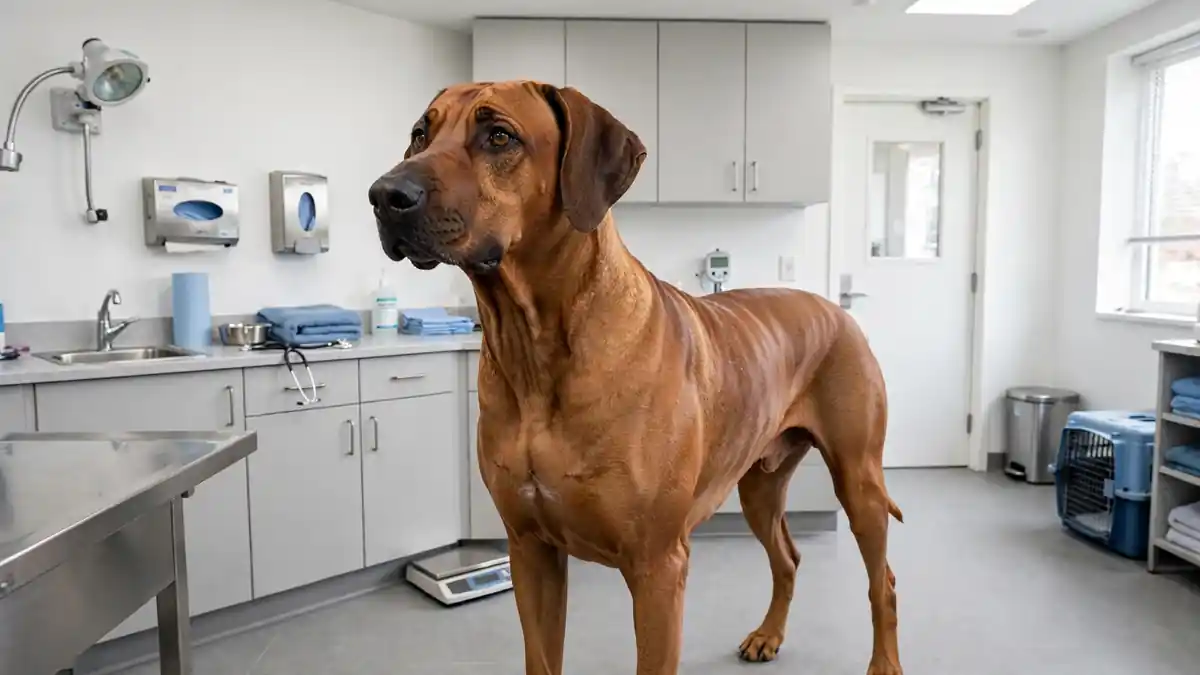
Bloat, also called gastric dilatation volvulus, starts when the stomach fills with gas and then twists. The twist traps the gas and cuts off blood flow to the stomach and nearby organs. A dog can go from restless to collapsed in under an hour. Great Danes, German Shepherds, Standard Poodles, and other deep chested breeds face the highest risk.
The PetMD vomiting guide warns that foamy vomit with no contents plus a swollen belly can signal this emergency. Do not offer food or water, and do not try to make the dog vomit. Keep the dog calm, load it into the car, and drive to the nearest emergency clinic. Our page on the signs of bloat in dogs lists the full warning pattern to memorize before it ever happens.
What other illnesses cause foamy vomiting in dogs?
Several other illnesses cause foamy vomiting in dogs, and they range from a short stomach bug to disease in the pancreas, liver, or kidneys. Pancreatitis brings belly pain, repeated vomiting, and a hunched posture, often after fatty food or garbage. A swallowed toy or sock blocks the gut and brings vomiting with belly pain and no bowel movements.

Infection sits on the list too. Parvovirus hits puppies and unvaccinated dogs with vomiting and severe, often bloody diarrhea. Kidney disease and liver disease can both bring vomiting with thirst changes, weight loss, and a dull coat. Poisoning from cleaning products, rat bait, or human medicines can start with foamy vomiting as well.
Age shapes the odds. Puppies face parvovirus and swallowed objects first. Older dogs face organ disease and tumors more often. Breed matters too, since some breeds carry a higher risk of pancreatitis. A vet sorts these out with an exam, blood tests, and imaging when the pattern points that way. The foam alone never names the disease, so the rest of the picture carries the weight.
What should you do when your dog throws up white foam?
When your dog throws up white foam, stay calm, remove food for a short rest, offer small sips of water, and watch the dog closely for the next few hours. Note the time, the amount, and anything the dog ate or swallowed. Keep the dog quiet indoors and skip the next meal if the stomach still looks unsettled.

Water matters more than food in the first hours. Offer a few laps at a time rather than a full bowl, since a large drink can trigger another round of vomiting. Ice cubes work well for dogs that gulp. If the dog keeps water down for a couple of hours, offer a small meal of plain boiled chicken and rice. Our guide to a bland diet for dogs explains the portions and the slow return to normal food.
Do not give human stomach medicines, painkillers, or anti nausea drugs unless a vet tells you to. Many human products harm dogs, and some mask signs the vet needs to see. Do not try to make the dog vomit at home either, since that step belongs to a vet or poison control. If the dog vomits again, refuses water, or grows dull, call the vet instead of waiting out the day.
How vets find the cause of white foam vomiting
Vets find the cause of white foam vomiting by taking a history, examining the dog, and running tests that match the pattern they see. They ask when the vomiting started, how often it happens, what the dog eats, and whether the dog had access to garbage, toys, or medicines. The answers often narrow the list before any test runs.

The exam checks hydration, belly pain, temperature, and gum color. Blood tests look at the kidneys, liver, pancreas, and blood sugar. X rays show a swallowed object, a blockage, or a swollen stomach, and an ultrasound can show the pancreas and gut wall in more detail. A vet may also test a stool sample for parasites or run a parvovirus test in a puppy.
Treatment follows the cause, not the foam. An empty stomach case needs a feeding change. Gastritis needs rest, bland food, and sometimes stomach medicine. Kennel cough needs rest and, in some cases, a cough suppressant or antibiotic. Bloat needs emergency surgery. The VCA vomiting in dogs page and the Merck Veterinary Manual page on vomiting both stress that the cause guides the treatment, which is why a vet visit beats guesswork at home. For the broader picture, see our dog vomiting guide and the page on gastroenteritis in dogs, plus the guide to dog diarrhea when loose stools join the vomiting. Dogs that eat grass before vomiting may find our page on why dogs eat grass useful too.
Frequently asked questions about dog throwing up white foam for dogs
Foamy vomiting raises the same questions in most homes, and the answers turn on how often it happens and how the dog acts between episodes. The questions below cover the cases owners ask about most, from a single morning episode to the signs that need an emergency clinic.

Is it normal for a dog to throw up white foam once?
A single episode can be normal when the dog acts bright, drinks water, and eats the next meal with interest. An empty stomach, a blade of grass, or a mild stomach upset can each cause one round of foam. Watch the dog for the rest of the day, and call the vet if the vomiting repeats or the dog goes quiet.
Why does my dog throw up white foam and not eat?
A dog that vomits white foam and will not eat may have gastritis, a blockage, pancreatitis, or an infection, and the lost appetite is the sign that matters. A dog that skips one meal after vomiting is common, but a dog that refuses food and water for most of the day needs a vet. Puppies dehydrate fast, so do not wait long with a young dog.
Can stress make a dog vomit white foam?
Stress can make a dog vomit white foam, since anxiety, travel, loud noise, or a change in routine can unsettle the stomach and raise saliva production. A dog that vomits foam on car rides or during fireworks often fits this pattern. Calm the dog, keep the routine steady, and ask the vet about motion sickness help if travel is the trigger.
Should I feed my dog after it vomits white foam?
Wait a few hours after vomiting before offering food, then start with a small bland meal if the dog kept water down. Plain boiled chicken and rice in a small portion is the usual first meal. Return to normal food over two or three days. If the dog vomits the bland meal too, stop feeding and call the vet.
Is white foam vomit the same as rabies foam?
White foam vomit is not the same as the foaming seen with rabies, and rabies is rare in vaccinated dogs. Rabies brings behavior changes, trouble swallowing, paralysis, and aggression alongside excess saliva. A vaccinated dog that vomits foam once after an empty stomach is not a rabies case. An unvaccinated dog with strange behavior and foam around the mouth needs a vet at once.
When should I take my dog to the emergency vet for white foam vomiting?
Go to the emergency vet when retching brings up only foam in a large dog with a swollen belly, when vomit holds blood, when the dog collapses or cannot stand, or when vomiting pairs with severe diarrhea, fever, or signs of poisoning. Repeated vomiting more than two or three times in a day also earns a same day vet visit, even without the dramatic signs.
A dog throwing up white foam is telling you something, and the message is usually simple: an empty stomach, a mild upset, or a cough that looks like vomiting. The danger hides in the pattern, so watch the clock, watch the belly, and watch how the dog acts between episodes. One bright morning episode often needs nothing more than a feeding change. Repeated foam, blood, a swollen belly, or a dog that will not drink needs a vet, and bloat needs one right now. Keep the feeding schedule steady, keep garbage and toys out of reach, and call the clinic early when the picture stops looking mild.