Dog Treat Recall: How to Check, Respond, and Stay Safe
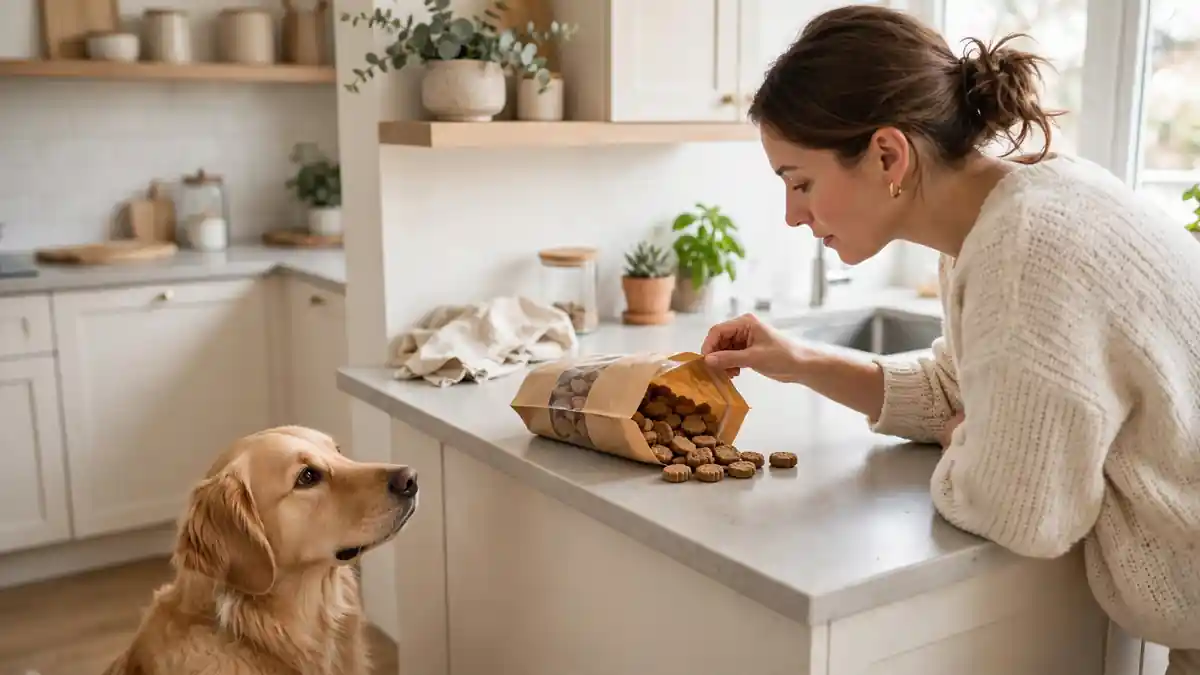
A dog treat recall means a specific batch of treats may be unsafe, and the right move is to stop feeding it and check the lot code on your bag. A recall does not mean every bag from a brand is bad, and it does not mean a dog that ate the treats will get sick. It means the maker or the FDA found a risk in certain lots, and those lots should go back or go in the bin.
Treat recalls move fast, and the notices use lot codes and dates that look dull until your dog’s bag matches one. This guide explains how recalls work, how to check a bag, what to do with recalled treats, and how to pick safer treats next time.
What is a dog treat recall?
A dog treat recall is a notice that a batch of treats should not be fed to dogs, because it may carry germs, foreign material, or a wrong nutrient level. The maker usually starts the recall after its own tests or customer reports point to a problem. The FDA then posts the notice so owners can check their bags.
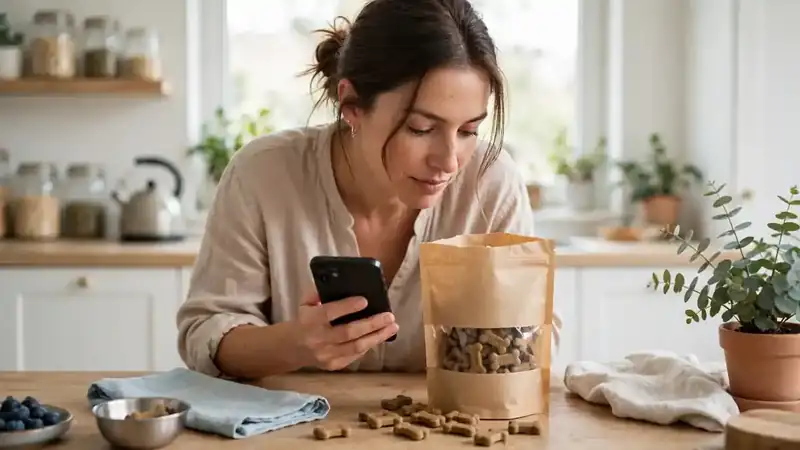
A recall covers specific lots, not a whole brand. A lot is a batch made on one production run, and the notice lists the product name, the lot code, the best by date, and where it sold. A bag with a different lot code is not part of that recall. Our dog food recalls guide explains the same lot based system for dog food.
An FDA advisory is a different kind of notice. An advisory warns owners not to feed a product even when the company has not started a recall. The FDA issued such an advisory for two lots of Darwin’s cat food after tests found Salmonella. Read the notice type before you decide what to do with a bag.
Why do dog treats get recalled?
Dog treats get recalled most often for germs, and Salmonella leads the list by a wide margin. Salmonella can sicken dogs and people who handle the treats. Listeria comes next, and it grows in cold storage, so raw and freeze dried treats face a higher risk than baked biscuits.
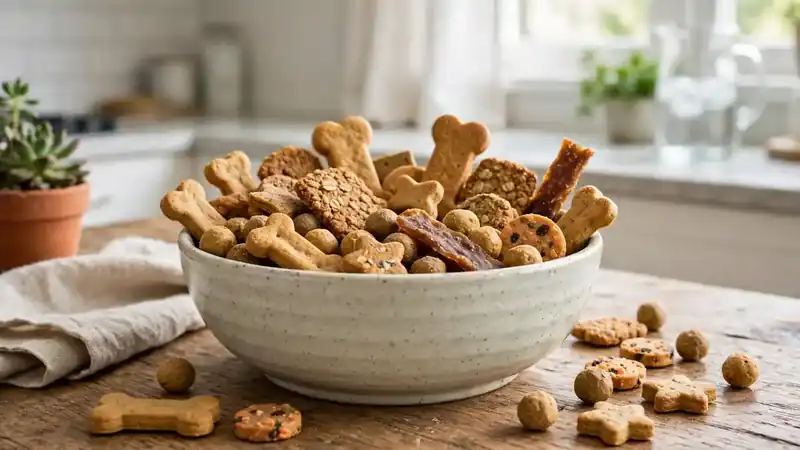
Foreign material causes the next group of recalls. Bits of metal or plastic can slip into a batch from worn equipment or torn packaging, and a dog that swallows them can suffer mouth, throat, or gut injury. The FDA Raaw Energy recall notice shows how a maker can widen a recall when more production dates test positive, even when not every product in the period tested positive.
Nutrient errors cause a smaller group of recalls. A batch can hold too much or too little of a vitamin or mineral, and the risk builds over weeks of feeding rather than from one treat. Treats are a small part of a dog’s diet, so nutrient recalls are less common for treats than for full meals.
How can you check if your dog treats are recalled?
Check the FDA Animal and Veterinary recalls page first, since it is the official list and it links to each company notice. Search for the brand on your bag, then match the product name, the lot code, and the best by date against the notice. A match on all three means your bag is recalled.
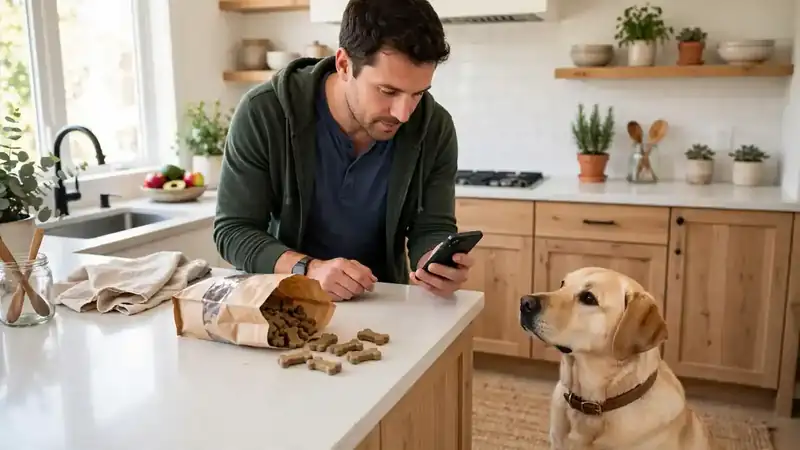
The FDA Animal and Veterinary recalls page is the source that trackers and news stories draw from, so checking it first avoids second hand errors. The AKC dog food recall guide gives the same advice: match the exact brand, product, lot code, and best by date, and treat a partial match as a reason to call the maker.
Set up a habit that makes the check fast. Keep the bag until the treats are gone, and take a phone photo of the lot code and best by date when you open a new bag. Sign up for FDA recall alerts by email. Our FDA dog food recall guide walks through the same steps, and our Pedigree and Purina recall guides show how a single brand recall reads.
What should you do with recalled dog treats?
Stop feeding recalled treats at once, even if your dog ate some already and looks fine. Put the bag in a sealed bag or a closed bin where no dog or child can reach it, and keep the packaging. The lot code and best by date prove the purchase and speed up a refund.
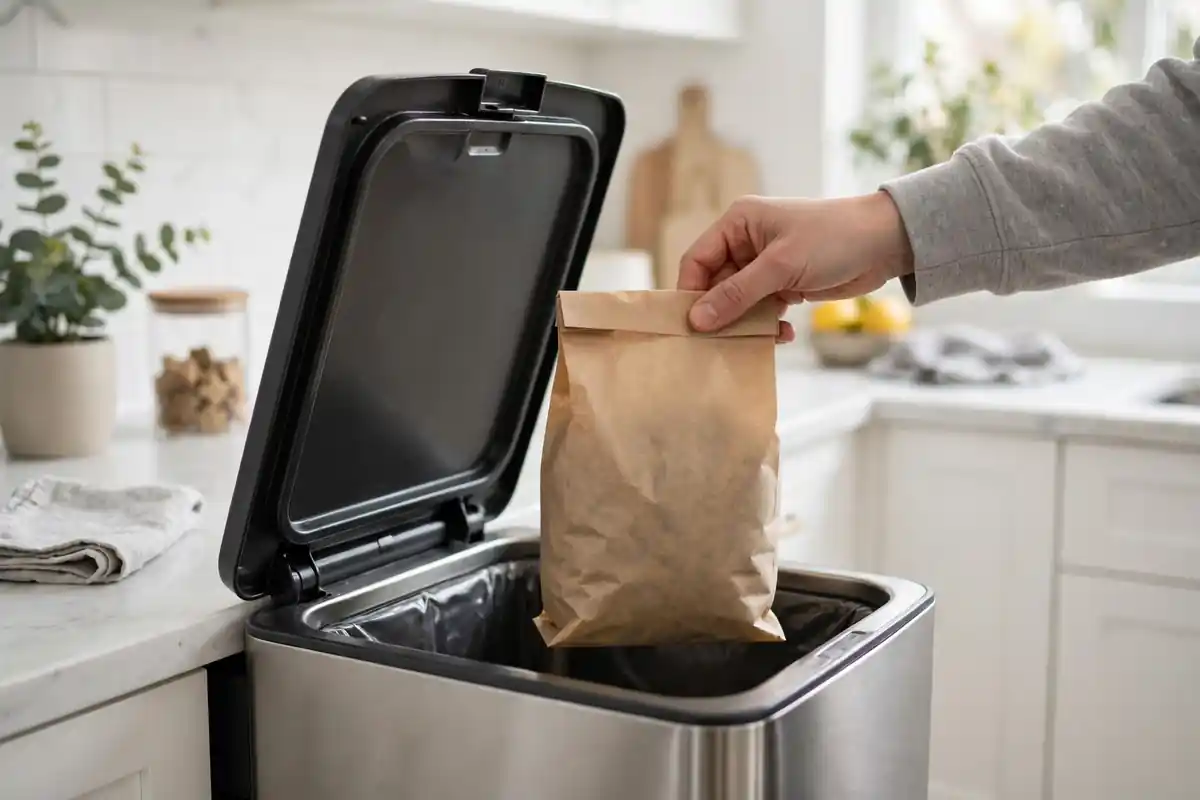
Do not donate recalled treats to a shelter or give them to a neighbor’s dog. A recalled treat is unsafe for every dog, and passing it on only moves the risk to another home. Do not compost the treats either, since germs such as Salmonella can linger in compost. Follow the notice for the return or refund steps, since most makers offer a refund or a replacement.
Clean everything the treats touched. Wash the treat jar, the scoop, and the storage bin with hot soapy water, and wash your hands for at least 20 seconds after handling the bag.
How do you check lot numbers and best by dates?
Find the lot code on the back or the bottom of the bag, near the best by date. It is a short string of letters and numbers printed on the bag, and it may sit next to the words lot, batch, or code. The recall notice lists both the code and the date, so check them together.
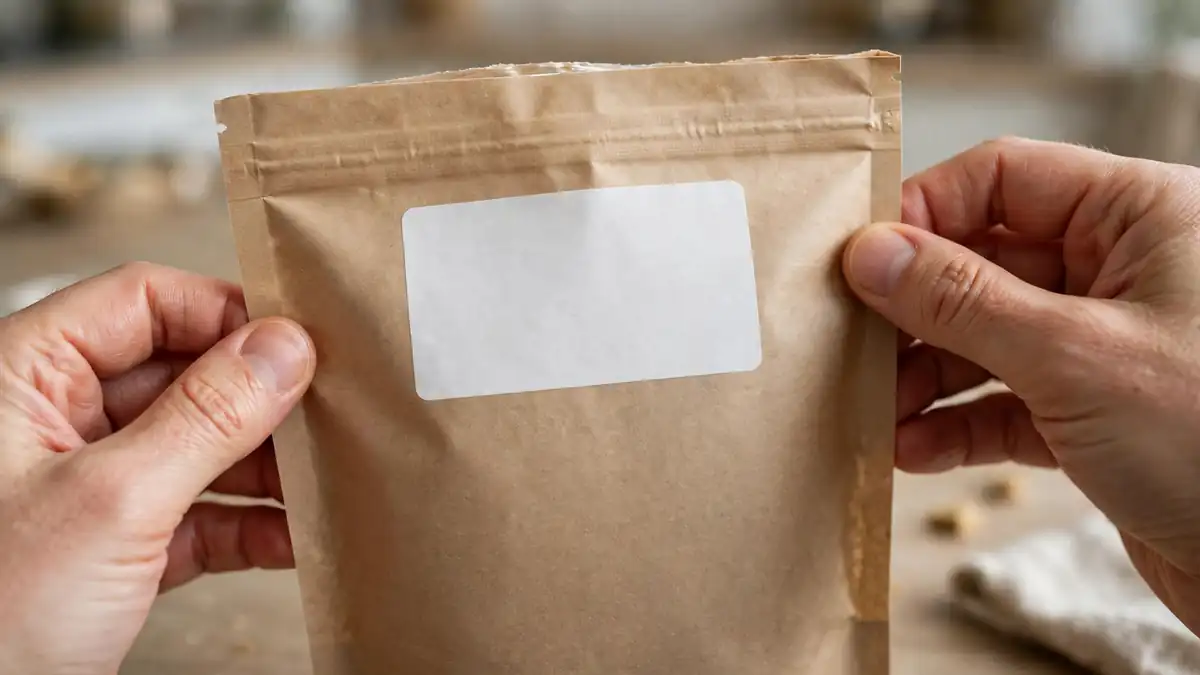
Compare each character, since one digit can separate a recalled lot from a safe one. A lot code such as 24045 is not the same as 24054, and a best by date of April 2027 is not the same as May 2027. Read the code under good light, and use a phone camera to zoom in when the print is small. If the print is smudged, treat the treats as suspect and call the maker.
Keep a simple record for every bag you buy. Write the brand, product, lot code, best by date, and purchase date in a notes app or on a card near the treat jar. That record turns a recall check into a one minute job, and it gives you the facts a vet will ask for if your dog gets sick.
What signs show a treat made your dog sick?
Vomiting, diarrhea, loss of appetite, and tiredness are the signs that a treat made your dog sick. These signs start within a day or two of eating the treats, though timing varies with the germ and the amount eaten. A dog that stops eating, drinks less water, or seems weak after a bag of treats deserves a vet call.
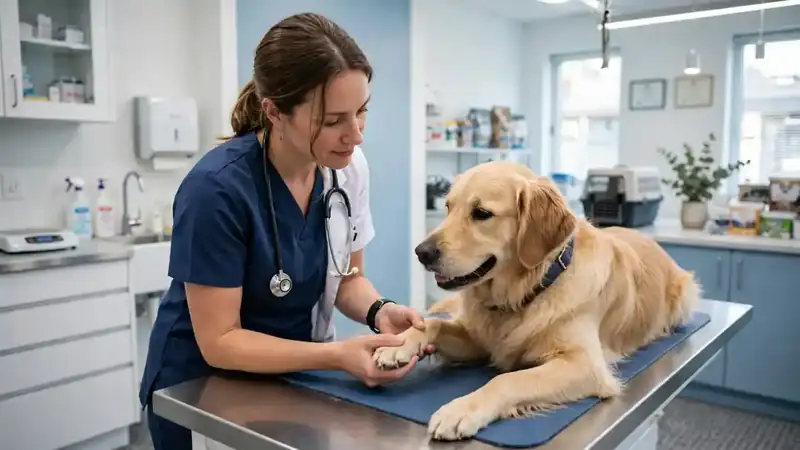
Salmonella in dogs often shows as diarrhea, sometimes with blood, plus fever and belly pain. Listeria can cause similar gut signs, and in rare cases it can affect the nervous system. Foreign material shows up differently: a dog may paw at its mouth, drool, or refuse food after swallowing a sharp piece. A swollen belly, repeated vomiting, or straining to pass stool points to a blockage and needs emergency care.
Watch the people in the house too. Salmonella from pet treats can sicken owners, and the signs in people include diarrhea, fever, and stomach cramps. Wash your hands after handling treats, and call your own doctor if anyone in the house falls ill after handling a recalled product.
How do you report a problem treat?
Report a problem treat to the FDA through the Safety Reporting Portal, and call your vet first if your dog is sick. The FDA uses owner reports to spot patterns, and a single report can join others that trigger a recall. Give the brand, product, lot code, best by date, and what happened to your dog.

Save the bag and any treats that are left. Do not throw the evidence away, since the maker or the FDA may ask for the lot code or for a sample. Take clear photos of the front and back of the bag and the lot code. Write down when your dog ate the treats, how many, and when the signs started, since a vet will ask for that timeline.
Tell the store where you bought the treats as well. Stores can pull a lot from shelves faster than a recall notice travels, and your report may protect other dogs in your area. Keep a copy of every report you file, and note the date and the name of the person you spoke with.
How can you choose safer treats next time?
Choose treats from makers that print a lot code and best by date on every bag, and that publish a recall contact on their site. A maker that hides its lot codes makes a check much harder. Buy treats in smaller bags, since a small bag limits how many treats a bad lot can put in your dog’s bowl.
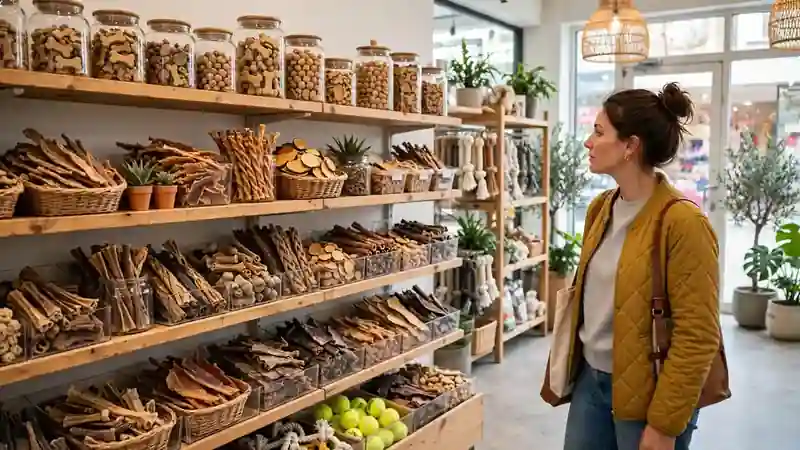
Read the ingredient list before you buy. Short lists with named ingredients are easier to judge than long lists full of vague terms. Avoid treats with a long list of artificial colors and flavors, and skip any treat that lists an ingredient your dog has reacted to before. Treats from a local maker can be a good pick, yet they still need a lot code and a best by date.
Rotate treats rather than feeding one type for months. Rotation limits the harm if one lot turns out bad, and it gives you a chance to spot a treat your dog handles poorly. Homemade pumpkin dog treats are a simple option when you want full control of the ingredients, and calming treats suit dogs that need a quiet reward after a vet visit.
What recent treat recalls show about the risk?
Most cases involve germs in a small number of lots, not a whole brand. In February, Elite Treats recalled its All Natural Chicken Chips treats after tests pointed to possible Salmonella, and the notice named one lot, lot 24045, expiring in April 2027, sold at feed stores in five states. The risk was real for any dog that ate them.
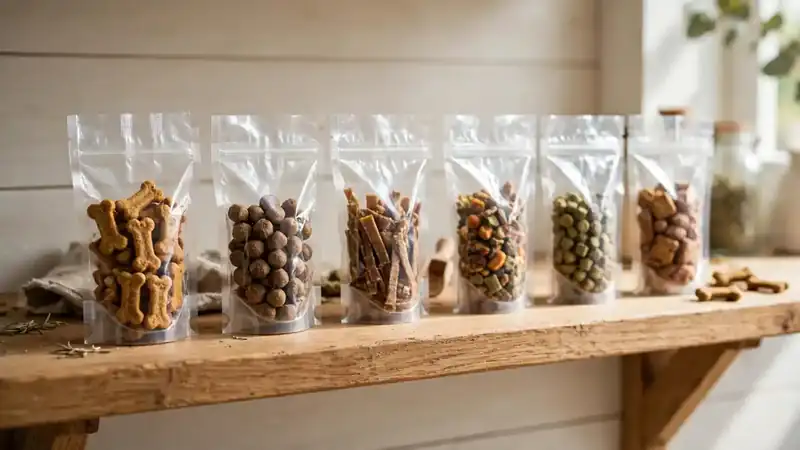
In August, A Place for Paws recalled its Beef Lung Treats for dogs after possible Salmonella contamination, and the notice named batch 559 in 5 ounce bags, sold in Ohio and Pennsylvania. Only 19 bags were listed, which shows how small a recalled lot can be.
The pattern in these cases is steady: a test or a customer report flags a lot, the maker recalls that lot, and the FDA posts the notice. Owners who keep the bag and check the lot code can act in minutes, while owners who threw the bag away face a guess. Keep the bag, check the code, and treat every recall notice as a prompt to check your shelf.
Frequently asked questions about dog treat recalls for dogs
These questions cover the details owners ask most when a dog treat recall appears in the news: how to check a bag, refunds, whether one treat can cause harm, whether a whole brand is unsafe, and how often recalls happen. Each answer gives the short version first, then the detail you need to act on it.
How do I know if my dog treats are recalled?
Check the FDA Animal and Veterinary recalls page for the brand on your bag, then match the product name, lot code, and best by date against the notice. A match on all three means your bag is recalled. Keep the bag until the treats are gone.
Do I get a refund for recalled treats?
Most makers offer a refund or a replacement for recalled treats, and the notice tells you how to claim it. Keep the bag or a clear photo of the lot code and best by date, since the maker will ask for them. Contact the maker through the number or form in the notice.
Can my dog get sick from a recalled treat after eating only one?
A dog can get sick from a single recalled treat, though the risk rises with the amount eaten and the germ involved. Salmonella can sicken a dog from a small dose, and a single piece with metal in it can injure the mouth or gut. Call your vet if your dog ate a recalled treat.
Are all treats from a recalled brand unsafe?
No, a recall covers specific lots, not a whole brand. A bag with a different lot code is not part of that recall, and the brand may keep selling safe lots. Check the lot code on your bag against the notice rather than judging by the brand name alone.
How often do dog treats get recalled?
Dog treats get recalled a few times each year in the United States, and most cases involve a small number of lots. One tracker counted 26 pet recalls in the current federal dataset, with Salmonella as the leading cause. Sign up for FDA alerts.
Should I throw away treats past their best by date?
Throw away treats past their best by date, since old treats can grow mold or germs and lose nutrients. A best by date is a quality date, not a safety guarantee, so a treat can still be bad before that date if it was stored poorly. Store treats in a cool dry place and seal the bag after each use.
A dog treat recall is a warning about specific lots, not a verdict on every treat you own. The owners who act fastest are the ones who kept the bag, noted the lot code, and knew where to check. Make that habit part of buying treats: photo the lot code, store the bag sealed, and check the FDA list when news of a recall appears. A two minute check protects your dog.