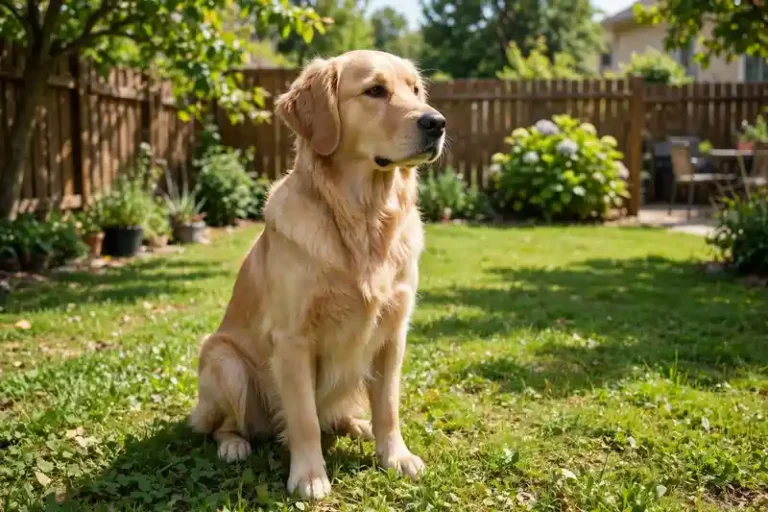
A growl over a food bowl can rattle even an experienced owner. Resource guarding in dogs, the stiffening, staring, or snapping when someone approaches a valued item, is a natural survival behavior, not proof of a bad dog. But left alone it can escalate, especially around children. The good news: with the right approach it is one of the most fixable behavior problems there is. This guide covers the warning signs, why punishment makes it worse, and the reward-based methods that change the behavior.
What resource guarding is
Resource guarding is a dog’s use of avoidance, threatening, or aggressive behavior to keep control of something it values. The guarded resource can be food, a bone, a toy, a stolen sock, a bed, a resting spot, or even a person. The dog perceives an approaching person or animal as a threat to its treasure and acts to keep it.

It helps to see guarding as communication, not defiance. In the wild, an animal that gave up every meal to competitors did not survive, so the instinct runs deep. Modern dogs guard in living rooms instead of on carcasses, but the wiring is the same. Guarding exists on a spectrum: a dog that eats a little faster when watched is at one end, a dog that bites when someone walks past its bed is at the other. Wherever your dog sits on that spectrum, the goal is the same. Change how the dog feels about people approaching its resources, from threat to good news.
Early warning signs
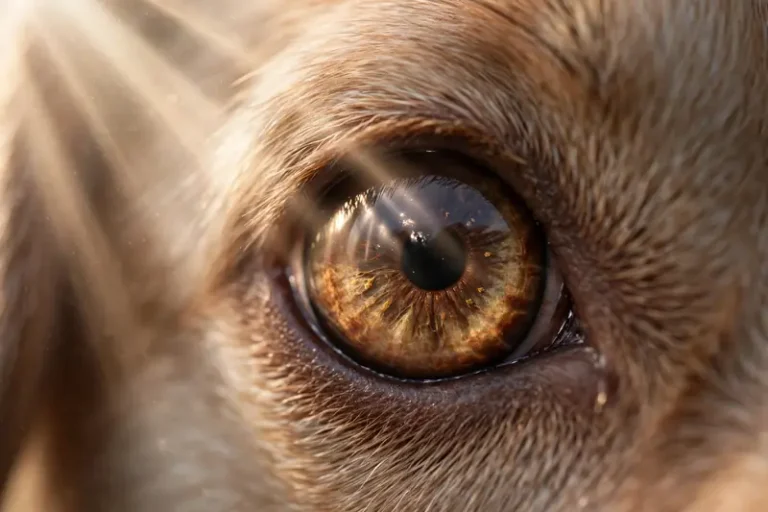
Dogs rarely bite without warning. The early signals include stiffening over the item, a hard stare, showing the whites of the eyes (whale eye), hovering over the bowl, eating faster, freezing, and a low growl. Learn to read these and you can intervene long before a snap.
The subtle signs matter most because they are the ones owners miss. A dog that suddenly goes still when you walk by is not being calm; it is issuing a warning. Whale eye, that sideways glance showing white around the iris, means the dog is tracking you while keeping its mouth on the prize. Rapid gulping is the dog trying to finish before you take it. Lip lifting and baring teeth come later, and snapping later still. Treat every early signal as valuable information. The dog is telling you it feels unsafe, and your response in that moment either builds trust or erodes it.
Why dogs guard
Guarding is rooted in survival instinct, but individual history shapes it. Dogs that went hungry, competed with littermates, or had valued items snatched away learn that resources disappear when people approach. Some breeds and temperaments guard more readily. Pain or illness can also trigger sudden guarding in a dog that never guarded before.
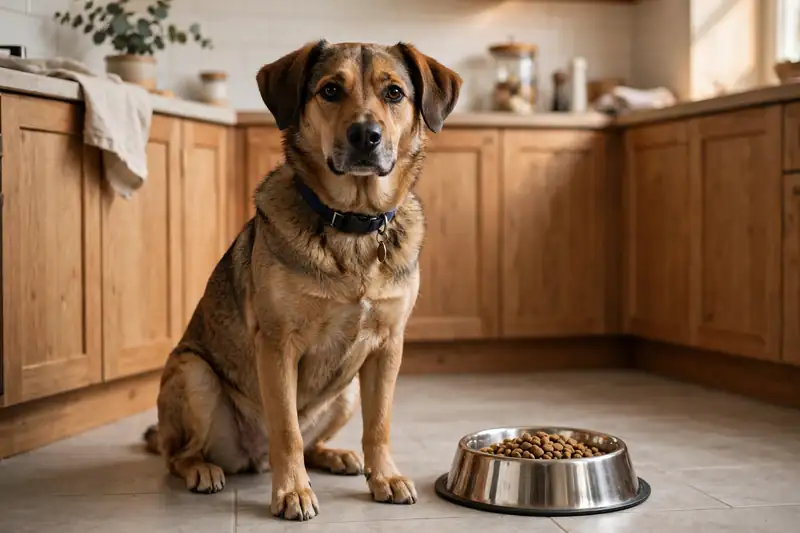
Rescue dogs and former strays guard more often because their past taught them that food is uncertain. But well-raised puppies guard too, especially over high-value chews. It is not about dominance or a bid for pack leadership; that outdated theory has been set aside by modern behavior science. It is about perceived scarcity and past experience. This framing matters because it points to the fix. If guarding comes from expecting loss, the solution is teaching the dog that your approach predicts gain. Punishment does the opposite, confirming the dog’s fear that people near resources bring trouble.
Why punishment backfires
Taking the bowl away, yelling, pinning, or hitting a guarding dog makes the problem worse. Punishment teaches the dog that its warnings bring pain, so it stops warning and goes straight to biting. It also confirms the dog’s belief that people approaching its food cause bad things. You get a quieter dog up until the day it bites without warning.

This is the single most important concept in the guide. A growl is a gift; it is the dog choosing communication over violence. Punish the growl and you remove the smoke alarm while the fire keeps burning. Owners sometimes report that scolding “worked” because the dog stopped growling. What happened is the dog learned that growling is dangerous, so next time it skips straight to the snap. The AKC‘s training resources stress the same point: use positive methods and never punish guarding behavior. If your dog growls at you, the correct response is to calmly back away and make a training plan, not to correct the dog.
The trade-up game
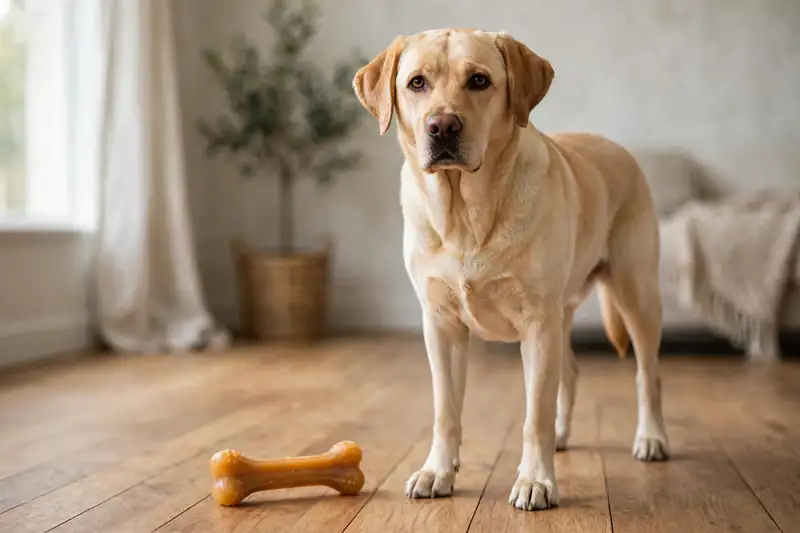
Trading up is the foundation exercise for guarding. Offer the dog something better than what it has, chicken for a boring toy, and let it discover that giving things up pays. Practice with low-value items first, reward the release, and sometimes give the original item back. The dog learns your approach means upgrades, not theft.

Start ridiculously easy. While the dog holds an ordinary toy, show a smelly treat, say “trade” or “drop it” once, and reward the moment the toy leaves its mouth. Then hand the toy back. That last step is magic: the dog learns surrendering an item does not mean losing it. Repeat in short sessions, a few minutes at a time. Gradually work up to better items, but never jump straight to the beloved bone. If the dog will not trade, your offered treat is not valuable enough, or you aimed too high too fast. Cheese, hot dog bits, and real meat outrank dry biscuits for most dogs. Keep sessions upbeat and end before the dog gets bored.
Desensitization around the food bowl
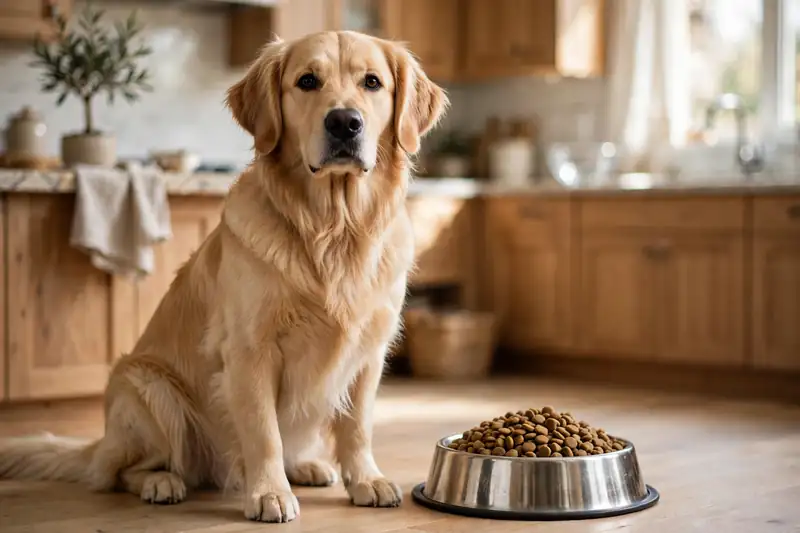
For food guarding, desensitization rewires the dog’s emotional response to your approach. Walk past the bowl at a distance and toss a high-value treat near it, without stopping or reaching. Repeat over days, gradually decreasing the distance. The dog’s brain rewrites the script: person approaching equals bonus food arriving.
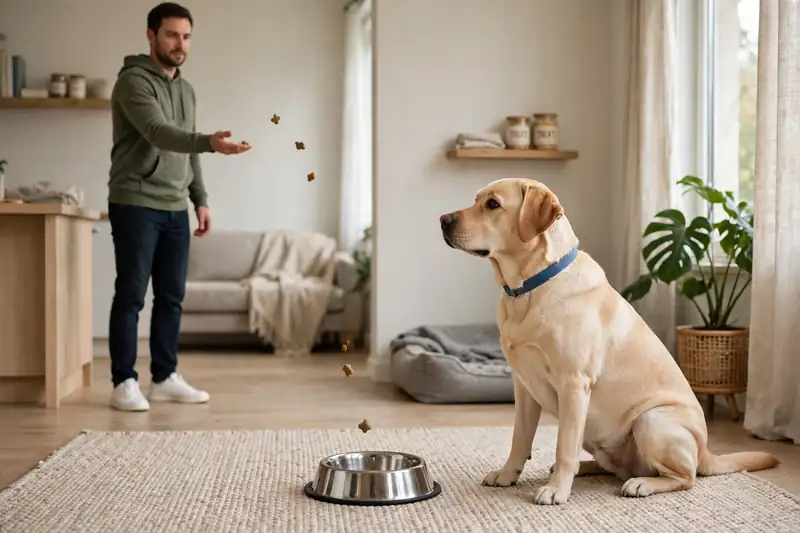
Go at the dog’s pace, not yours. If the dog stiffens at ten feet, work at fifteen feet until it stays relaxed, then creep closer over sessions. The ASPCA outlines a similar graduated approach, moving from hand-fed meals to adding better food to the bowl while the dog eats. Never reach for the bowl, pet the dog while it eats, or test it by taking food away; those are confrontations, not training. Each session should end with the dog happier than it started. Over weeks, most dogs visibly relax: softer body, tail movement, even looking up expectantly when you approach. That expectant look is the goal made visible.
Management: set your dog up to succeed
While training progresses, manage the environment so the dog rarely needs to guard. Feed dogs separately, away from children and visitors. Pick up high-value toys and chews when you cannot supervise. If the dog guards a resting spot, offer an approved alternative and keep the guarded area off limits. Management prevents practice of the unwanted behavior.

Think of management as the cast on a broken bone while the training heals it underneath. Every guarding episode the dog rehearses strengthens the habit, so fewer rehearsals mean faster progress. Get the whole household on the same page: no sneaking up on the eating dog, no “testing” it, no wrestling toys from its mouth. For stolen items, trade rather than chase; a chase teaches the dog that stolen goods are worth defending harder. When the dog grabs something harmless like a tissue, let it keep it. Making every object a contest is how mild guarders become serious ones.
Kids, guests, and other pets
Children are the highest-risk group around a guarding dog: they move unpredictably, sit at face height, and miss warning signs. Never leave a child unsupervised with a dog that guards, and teach kids never to approach a dog that is eating, chewing, or sleeping. Feed the dog behind a closed door or baby gate when kids are around.

With other pets, separate feeding stations prevent most conflicts. Dogs that guard from each other need structured routines: meals in different rooms, chews given only in crates or separate spaces, and supervision when high-value items are out. Do not try to “work it out” by letting the dogs sort it themselves; that ends at the emergency vet. If guarding is directed at people in the home, especially children, treat it as urgent and get professional help now rather than after an incident. A bite to a child’s face is the nightmare scenario, and it is preventable with separation and training.
When to call a professional
Get help from a certified trainer or veterinary behaviorist if the dog has bitten or tried to bite, if guarding is escalating or spreading, if children are involved, or if you feel unsafe. Look for credentials like CPDT-KA or a veterinary behaviorist (DACVB), and insist on force-free methods.
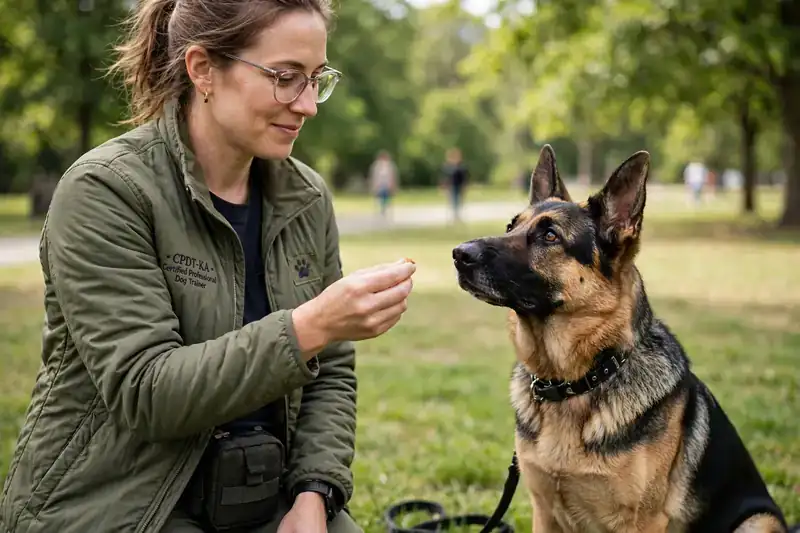
A good professional starts with a full picture: the dog’s history, health, triggers, and the household routine. Sudden guarding in an adult dog warrants a vet check first, since pain, thyroid issues, or cognitive decline can drive behavior changes. Be honest about everything, including bites; the trainer needs the truth to keep everyone safe. Expect homework, not magic: desensitization protocols, management plans, and follow-ups. It costs money and takes weeks, but it works, and it is far cheaper than a bite incident. The AKC GoodDog! Helpline and the AKC’s resource guarding resources can point you toward qualified help.
Prevention in puppies
Puppies are the easiest guarders to prevent. Hand-feed part of meals so your presence predicts food. Walk by the bowl and drop in something better. Practice trades with boring toys before the puppy gets a prized bone. Teach drop it and leave it as fun games with big payoffs. Never grab food from a puppy’s mouth as a test.

The puppy window is precious because habits are still soft. A few minutes of trade games a day for the first months builds a dog that happily surrenders a chicken bone on a walk years later. Feed the puppy where it can eat without competition, away from other pets and small children. If the puppy stiffens or gulps, do not scold; adjust your approach and make the next repetition easier. Socialization classes with a good trainer add another layer, teaching the puppy that people and dogs near resources are normal and safe. An ounce of prevention here genuinely outweighs a pound of cure later.
Resource guarding responds to patience, not force. Trade up, desensitize gradually, manage the environment, and bring in a professional when the stakes are high. For the high-value treats that make trading work, our guide to peanut butter for dogs covers safe serving. And for the full picture of what belongs in the bowl in the first place, see what human food dogs can eat.
Frequently Asked Questions
Is resource guarding a sign of an aggressive dog?
Not necessarily. Guarding is a natural survival behavior, and many otherwise gentle dogs guard food or chews. It becomes dangerous when it escalates to snapping or biting, or when it involves children, which is when professional help matters.
Should I punish my dog for growling over food?
No. Punishing a growl removes the warning without removing the fear, and the dog may bite without warning next time. Calmly back away and start a reward-based training plan instead.
How do I stop my dog from guarding its food bowl?
Use desensitization: approach at a distance where the dog stays relaxed and toss high-value treats, gradually decreasing distance over sessions. Pair this with management, like feeding in a quiet, separate spot.
What is the trade-up game for dogs?
You offer the dog something better than what it holds, reward the release, and sometimes return the original item. Practiced with low-value items first, it teaches the dog that giving things up leads to good outcomes.
Can resource guarding be cured completely?
Many dogs improve dramatically with consistent training and management, though some always need sensible management around their highest-value items. Think progress and safety rather than a guaranteed permanent cure.
When should I call a trainer for resource guarding?
If the dog has bitten or attempted to bite, if guarding is escalating or spreading, if children are in the home, or if you feel unsafe. Choose a certified force-free trainer or a veterinary behaviorist.
Why did my dog suddenly start guarding?
Sudden guarding in an adult dog can signal pain, illness, or cognitive decline. Schedule a vet check before assuming it is purely behavioral, especially if appetite or temperament changed too.
This article is general information only and is not a substitute for professional behavioral advice. If your dog has bitten or you feel unsafe, consult a certified trainer or veterinary behaviorist promptly.