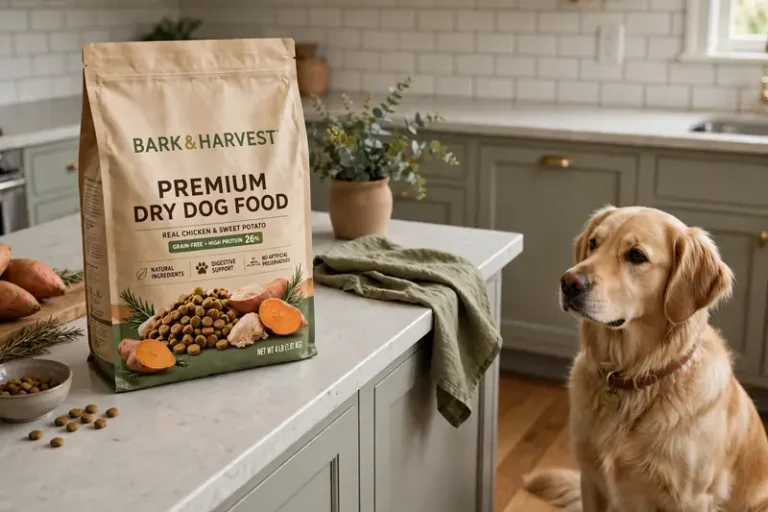
If your dog scoots across the carpet or leaves a fishy smell on the couch, you already know about anal gland trouble. Glandex for dogs is a veterinarian-formulated supplement designed to help those glands empty naturally with every bowel movement. It works through fiber that firms the stool, plus probiotics, digestive enzymes, and antioxidants. This guide explains what is inside, how long it takes, and when a supplement is not enough.
What is Glandex?
Glandex is an anal gland support supplement made by Vetnique Labs, available as peanut butter soft chews and as a powder food topper. It targets the underlying causes of anal gland problems: soft stool that fails to press the glands empty, plus inflammation and digestive imbalance. It is for dogs and cats over 12 weeks old.

Unlike a vet visit for manual expressing, which empties the glands from the outside, Glandex works from the inside out. The idea is simple: firmer, bulkier stool presses against the anal sacs during defecation and squeezes them empty naturally, the way nature intended. Frequent manual expressing can irritate the glands further, so a supplement that reduces the need for it appeals to many owners. Glandex is not a drug and not a treatment for infected or abscessed glands. It is daily support for dogs with a history of scooting, fishy odor, and repeated vet visits for expressing.
How anal glands work
Dogs have two small sacs beside the anus, at roughly the four and eight o’clock positions, that store a strong-smelling fluid used for scent marking. Each bowel movement should press these sacs and empty them. When stool is too soft, the glands do not get squeezed, fluid thickens inside, and impaction, inflammation, or infection can follow.

The classic sign of trouble is scooting, the dog dragging its rear along the floor. Licking or biting at the rear end, a fishy odor, straining to defecate, and swelling near the anus are other markers. Small breeds, obese dogs, and dogs with chronic soft stool or allergies get these problems most. Left alone, an impacted gland can abscess and rupture through the skin, which is painful and messy. That progression is why persistent symptoms need a vet, not just a supplement. But for dogs whose main issue is soft stool and mild, recurring fullness, supporting firmer stool addresses the mechanism directly.
How the fiber blend helps
The core of Glandex is its fiber blend: pumpkin seed powder and granulated pumpkin seed plus apple pectin cellulose, over 1,000 mg per teaspoon of powder. This fiber absorbs water and adds bulk, producing firmer, bulkier stools. Firmer stool presses the anal sacs with each bowel movement, helping them empty on their own.

Pumpkin is doing the heavy lifting here, and it is no accident. Pumpkin’s soluble fiber is the same reason vets recommend plain canned pumpkin for mild digestive upset. Apple pectin adds another soluble fiber that feeds beneficial gut bacteria while adding bulk. The effect is mechanical: picture a firm stool passing through and squeezing the sacs like toothpaste tubes, versus a soft stool sliding past without pressing anything. That mechanical action is the whole theory, and it is sound. Dogs that already produce firm stools may see less dramatic change, since their glands were emptying reasonably well already. Either way, the fiber supports steadier digestion day to day.
The other ingredients: probiotics, enzymes, antioxidants
Beyond fiber, Glandex includes Lactobacillus acidophilus probiotics (1.9 billion CFUs per teaspoon of powder), bromelain digestive enzymes, quercetin, and vitamins E and C. The probiotics support gut balance, the enzymes aid digestion and nutrient absorption, and quercetin with the vitamins provides antioxidant support against the inflammation behind recurring gland issues.
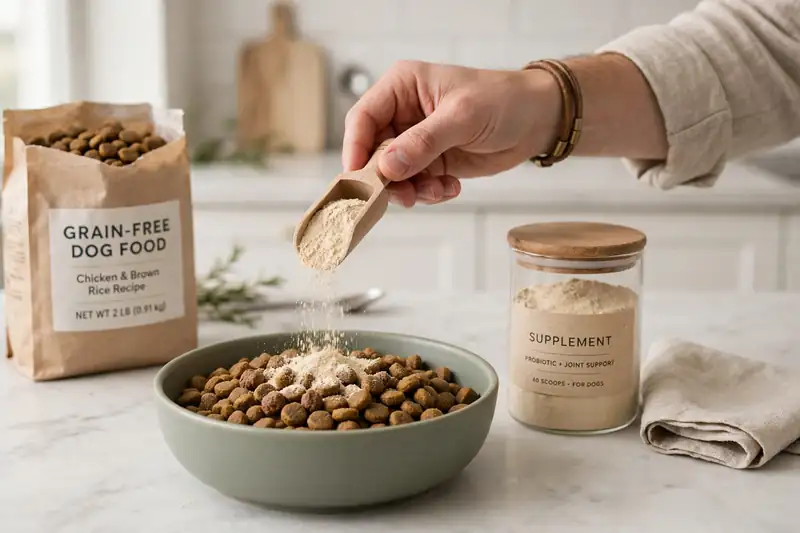
Each piece has a job. Probiotics help maintain the gut flora that keeps digestion steady; unsteady digestion means unsteady stool, which is the enemy here. Bromelain, an enzyme from pineapple, supports protein digestion and has mild anti-inflammatory properties. Quercetin is a plant flavonoid studied for its anti-inflammatory and antihistamine effects, relevant because allergies drive many chronic anal gland cases. Vitamins E and C round out the antioxidant side. No single one of these would fix anal glands alone. Together they support the digestive environment that lets the fiber do its mechanical work.
Chews vs powder: which to pick
Glandex comes as peanut butter soft chews and as powder in beef liver, pork liver, or vegan salmon flavors. The chews suit dogs that take treats eagerly; the powder suits picky dogs or multi-pet households, since you can mix an exact amount into food. Both carry the same active ingredient family, dosed by the dog’s weight.

Choose by your dog’s personality and your routine. A food-motivated dog will think the peanut butter chew is a reward, which makes daily dosing effortless. A suspicious dog that eats around pills may do better with powder disappeared into wet food. The powder also lets you adjust more finely for small dogs. An Advanced Vet Strength line exists for persistent irritation, with more fiber, more probiotic strains, and added prebiotic. Whichever form you pick, buy from reputable retailers and check that the packaging is sealed and current, since supplement quality depends on proper storage.
How long until Glandex works
Expect three to five weeks of daily use before judging results. Fiber changes stool gradually, gut flora shifts take time, and the glands need several normal bowel movements to clear out. Some owners notice less scooting sooner, but give the full five weeks before deciding.
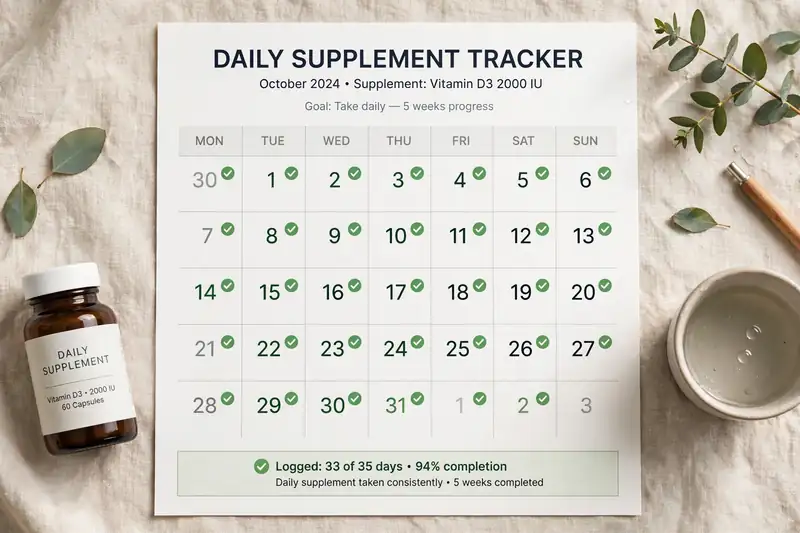
Track the right signs: scooting frequency, fishy odor, and how often you are booking expressing visits. A simple weekly note works. Do not expect overnight change, and do not increase the dose hoping to speed things up. If five consistent weeks pass with no improvement, the problem may not be stool-related at all. Allergies, anatomical quirks, or low-grade infection can keep glands troublesome regardless of stool quality. That is the point to involve your vet for a hands-on exam rather than switching to another supplement and starting the clock again.
How to feed Glandex
Give the recommended amount once daily, dosed by weight according to the package. Sprinkle the powder over food and mix it in; offer chews as treats. Serve with the dog’s normal meals and keep fresh water available, since fiber works best with adequate hydration. Do not exceed the labeled dose.

Make it part of the mealtime routine so you never miss a day. For powder, a little wet food or warm water helps it stick to kibble instead of sifting to the bottom of the bowl. If your dog eats around it, try a different flavor before giving up. Keep the container sealed and stored as directed; probiotics lose potency with heat and moisture. And remember the basics still apply: this is a supplement added to a complete diet, not a fix for poor nutrition. A dog eating a low-quality diet with chronic diarrhea needs a diet review with the vet alongside any supplement.
Safety and side effects
Glandex is generally well tolerated, made with natural ingredients and no corn, soy, wheat, or artificial preservatives. The most likely side effect is mild digestive adjustment, softer stool or gas, in the first week as fiber intake rises. Introduce it gradually and keep water available.

Start with half the labeled dose for three or four days if your dog has a sensitive stomach, then build up. Persistent diarrhea, vomiting, or refusal to eat means stop and call your vet. The chews contain peanut butter and other flavorings, so dogs with peanut or specific protein allergies should use a suitable powder flavor instead. As with any supplement, tell your veterinarian, especially for dogs on medication or with chronic disease. Keep the product stored away from pets and children; a tasty chew left within reach will be eaten by the bagful, and overeating any supplement can cause serious digestive upset.
When Glandex is not enough: see the vet
A supplement cannot fix an impacted, infected, or abscessed gland. See your vet promptly for persistent scooting beyond a few weeks, swelling or redness near the anus, bleeding or discharge, obvious pain, or straining to defecate. These need hands-on treatment: expressing, flushing, antibiotics, or in severe cases surgery.

Know the red flags. An abscessed gland can rupture, leaving an open, painful wound beside the anus that needs urgent care. A dog that suddenly cannot defecate, cries out, or has a hot, swollen rear end should not wait for a supplement to work. Also consider allergies: dogs with chronic ear infections, itchy paws, and gland trouble often share one root cause, and your vet may recommend allergy workup or diet trials. Glandex supports the mechanics of emptying. It does not diagnose, and it does not treat infection. Use it for maintenance and mild cases, and let the vet handle the rest.
Everyday habits that support anal glands
Beyond any supplement, daily habits keep glands healthier. Feed a complete, high-quality diet with adequate fiber, keep your dog at a healthy weight, since obesity worsens gland problems, and make sure it gets regular exercise, which keeps digestion moving. Address allergies, a top driver of chronic gland issues, with your vet.

Small upgrades compound. A diet with named meat proteins and reasonable fiber beats a diet of fillers. Regular walks do more for gut motility than most owners realize. Weight loss in an obese dog often improves gland function on its own, since excess fat changes the anatomy around the sacs. For allergy-prone dogs, managing the underlying itch, through diet, medication, or environmental control, frequently calms the glands too. Think of Glandex as one layer in this routine, not the routine itself. The dogs with the fewest gland problems are usually the lean, active, well-fed ones.
Glandex is a sensible daily support for dogs whose anal gland trouble traces back to soft stool: fiber for firmer stools, probiotics and enzymes for gut balance, and a realistic three-to-five-week timeline. Give it the full trial before judging, keep the vet in the loop, and treat persistent symptoms as a medical issue rather than a supplement failure. Consistency is what makes it work, so pick the form your dog will take and stick with the routine while you track results. For the fiber angle from the bowl, see our guide on whether pumpkin is good for dogs. For gut-friendly foods with natural probiotics, our yogurt guide covers the safe way to serve it. And for the full safe-feeding picture, see what human food dogs can eat.
Frequently Asked Questions
Does Glandex really work for scooting?
It helps many dogs whose scooting comes from soft stool and mild gland fullness, by firming stool so glands empty naturally. Expect three to five weeks. It will not fix infections, abscesses, or allergy-driven cases on its own.
Is Glandex safe for dogs?
Yes, generally. It uses natural ingredients with no corn, soy, wheat, or artificial preservatives, and side effects are usually limited to mild digestive adjustment in the first week. Tell your vet before starting any supplement.
How long does Glandex take to work?
Most sources cite results within three to five weeks of daily use. Track scooting frequency and odor weekly, and involve your vet if nothing changes after five consistent weeks.
Can Glandex replace anal gland expressing?
For some dogs with mild issues, it reduces how often expressing is needed. It does not replace veterinary treatment for impaction, infection, or abscess, and some dogs will always need occasional manual expressing.
What is in Glandex?
The powder’s actives include pumpkin seed powder, granulated pumpkin seed, apple pectin fiber, quercetin, Lactobacillus acidophilus probiotics, bromelain, and vitamins E and C. Chews carry the same active family in a peanut butter base.
Can puppies take Glandex?
It is labeled for dogs and cats over 12 weeks old. For young puppies with gland issues, which are uncommon, check with your vet first rather than starting a supplement on your own.
Are there side effects of Glandex?
Most dogs tolerate it well. The main risk is temporary softer stool or gas when fiber intake rises. Persistent diarrhea, vomiting, or appetite loss means stop and call your vet.
This article is general information only and is not a substitute for veterinary advice. Persistent scooting, swelling, bleeding, or pain around the anus needs a veterinarian’s hands-on exam.