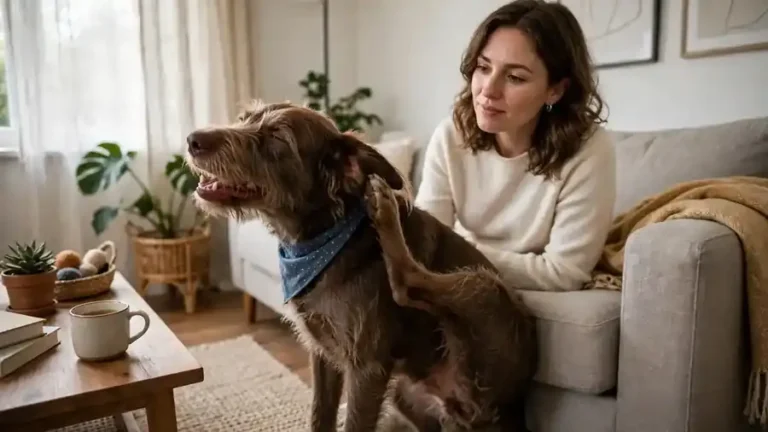
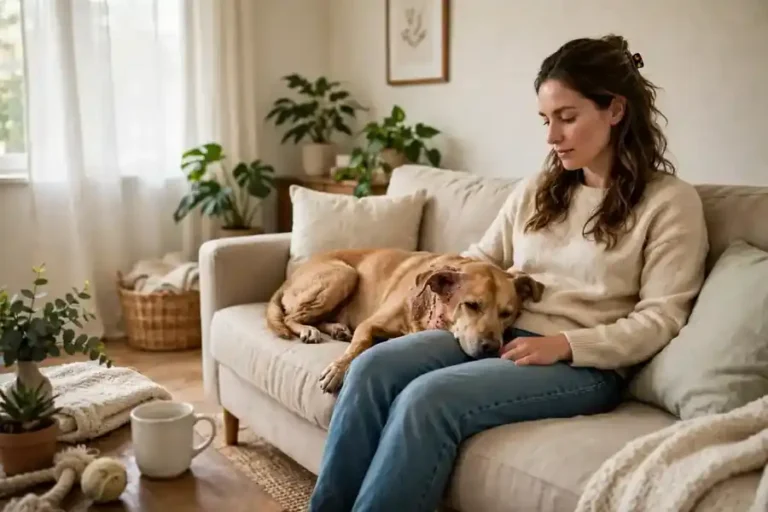
Dog bite prevention: safety tips for families
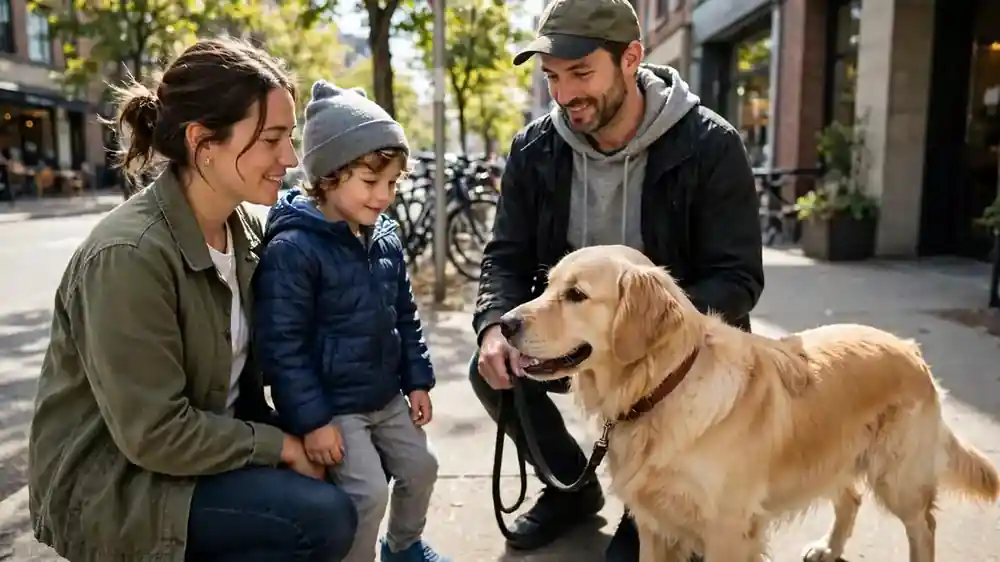
Most dog bites are preventable, and a few clear rules can keep your family safe around dogs. About 4.5 million dog bites happen in the United States each year, according to the AVMA, and nearly one in five bitten people needs medical attention, according to the CDC. Children face the highest risk, and most of their bites happen at home with a familiar dog. This guide explains how to read a dog, teach children, approach an unfamiliar dog, and act in the first minutes after a bite.
The CDC guide to dogs and bite prevention sets out the same basics: supervise children, ask before petting, and stand still if a loose dog approaches. The sections below follow that order.
Can any dog bite?
Yes, any dog can bite, and breed, size, or a friendly nature does not remove that risk. The CDC says a dog may bite when scared, nervous, unwell, or protective of food, toys, or puppies. That risk applies to every dog, even a family pet.

The idea that only certain breeds bite is wrong. MedVet states that bite risk is not tied to breed, size, or temperament, and the CDC gives the same warning for every dog. Judging a dog by its breed or its looks tells you nothing about what it will do when scared.
Context matters more than breed. The CDC says any dog can bite, especially when it is scared, nervous, eating, or protecting toys or puppies, or when it is unwell and wants to be left alone. A dog that is startled awake or cornered may bite before a person can react.
If the risk sits at home, not on the street, where should you look first?
Why do most dog bites happen at home?
Most dog bites happen at home because the dog involved is usually a familiar one, not a stranger’s dog. The CDC reports that most bites affecting young children happen during everyday activities with familiar dogs. Parents relax around a known dog while children play close.

Home feels safe, and that feeling is the gap. Adults with two or more dogs in the household are five times more likely to be bitten than people without dogs at home, according to the CDC. The more time a family spends close to a dog, the more chances a small mistake has to land at the wrong moment.
Children sit at the center of this pattern. About half of all dog bite victims are children, according to MedVet, and children aged 5 to 9 have the highest risk, according to the Cincinnati Children’s guide to preventing dog bites. Infants and younger children face the highest risk of severe or fatal bites.
Everyday moments create the risk, not dramatic ones. A child hugs a sleeping dog, reaches for a toy the dog is chewing, or runs past a dog that is eating. The fix is not to keep children away from dogs. Supervise every meeting and teach the same rules until they stick.
Why do dogs bite?
Dogs bite when they feel afraid, threatened, cornered, or in pain, and most bites are a warning, not an attack. MedVet lists fear, feeling threatened, guarding food or toys, pain, illness, rough play, stress, and displaced aggression as common triggers. Startled dogs bite fast.
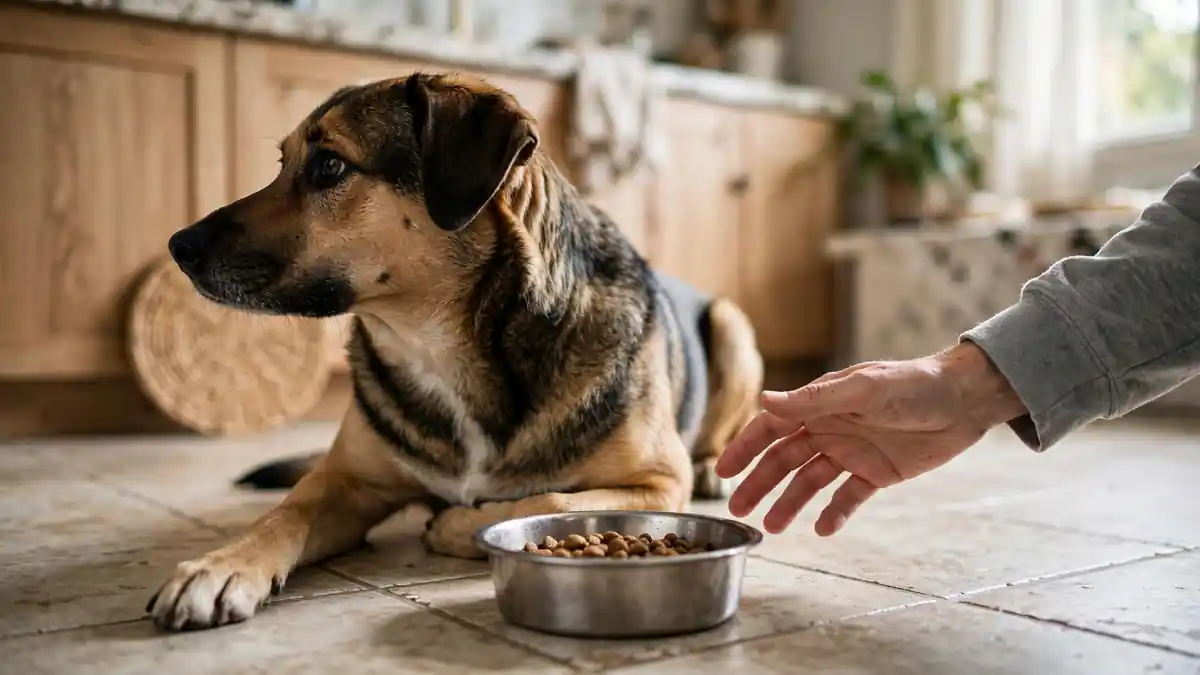
The MedVet guide to preventing dog bites names seven common triggers. The table below puts each one in plain terms.
| Trigger | What it looks like |
|---|---|
| Fear or startle | A sudden noise, a stranger reaching down, being woken from sleep |
| Feeling threatened or cornered | No clear way to move away |
| Resource guarding | Protecting food, a toy, a bed, or a favorite person |
| Pain or illness | A sore spot that hurts when touched |
| Overstimulation or rough play | Play that gets too fast and loud to settle |
| Stress | A busy house or a change in routine |
| Displaced aggression | Turning on the nearest person or dog when the real upset is out of reach |
Fear drives most of these triggers. A dog that feels trapped will use its teeth to create distance when it cannot walk away. Give every dog a clear path out of the room, and it will usually take it.
Pain changes a dog’s temper fast. A dog that has always loved being petted may snap when a sore spot is touched, so book a vet visit when a calm dog starts to growl or flinch. Dog vomiting and dog diarrhea can also signal that a dog feels unwell, and an unwell dog deserves space, not a hug.
You know the triggers now. Can you spot the moment a dog starts to warn you?
What are the warning signs a dog is about to bite?
A dog about to bite usually gives clear warnings first, and the signs grow stronger as the dog feels more threatened. Early signs include lip licking, yawning, ears back, a tucked tail, and turning away. Stiff posture, raised hackles, and growling mean back off.

| Stage | Signs to watch for |
|---|---|
| Early unease | Lip licking, yawning, avoiding eye contact, ears back, tucked tail, walking away |
| Clear warning | Stiff body, hard stare, whale eye, raised hackles, ears pinned back, growling |
| About to bite | Baring teeth, snarling, snapping, lunging, intense staring or stalking |
Early signs ask for space. A dog that licks its lips, yawns, or turns away has had enough, and the right move is to back off and let it leave.
Never punish a growl. MedVet is clear that a growl is a warning to back off, and a dog punished for growling may bite without warning next time. The Nurture Your Pet warning signs guide adds that a wagging tail alone means nothing. Read the tail with the rest of the body, since a wagging tail on a tense dog can mean arousal or unease.
A growl is a warning, not bad behavior. What should your child do when one sounds?
How do I teach my children to be safe around dogs?
Teach children to stay calm, keep their distance, and always ask before touching any dog, even a familiar one. Never leave a young child alone with a dog, and never disturb a dog that is eating, sleeping, or caring for puppies. Let it sniff first.

| Do | Do not |
|---|---|
| Supervise every meeting, even with the family pet | Leave a young child alone with a dog |
| Ask the owner before petting | Disturb a dog that is eating, sleeping, or caring for puppies |
| Let the dog sniff your hand first | Reach through or over a fence |
| Stay calm and move slowly | Run to or past a dog |
| Tell an adult about a stray or fighting dogs | Bark or growl at a dog, chase it, or tease it |
Rules work best when a child can say them back. Practice the ask first rule at home with your own dog before a child meets a stranger’s dog. A child who asks and waits avoids most mistakes that lead to bites.
Food sharing needs its own rule. Children hand dogs what they are eating, and some human snacks can poison a dog. Teach children to ask before giving a dog any food, and keep sugar-free gum out of reach, since our guide to xylitol poisoning in dogs explains the harm it can cause.
How should I approach an unfamiliar dog?
Ask the owner first, stay calm, and let the dog come to you instead of reaching out to it. Do not reach over or through a fence, and never approach a stray dog, since an injured or frightened dog may bite from pain.

The owner knows the dog. Ask first, and take no for an answer without argument. Some dogs are friendly with family and uneasy with strangers, and only the owner knows which dog stands in front of you. If the owner says no, thank them and walk on.
When the owner says yes, crouch to the dog’s level and let it approach you. Do not reach your hand out first or over the dog’s head. Let the dog sniff, and if it turns away, that is its answer. Petting comes last, and only if the dog stays relaxed.
Strays and injured dogs follow a different rule. Do not approach a stray dog. Report it to animal control instead. An injured dog may bite from pain even when it seems calm, so keep your distance and call for help. Never reach over or through a fence to pet a dog.
Asking first works with an owned dog. What about a dog with no owner in sight?
What should I do if a loose dog approaches me?
Stand still like a tree, keep your arms at your sides, and do not run, scream, or make direct eye contact. Say “no” or “go home” in a firm voice, then back away slowly once the dog loses interest. Curl up if knocked down.

| Situation | What to do |
|---|---|
| A loose dog approaches | Stand still like a tree, arms at your sides, and avoid direct eye contact |
| The dog stays close | Say “no” or “go home” firmly, then back away slowly |
| The dog charges | Put something between you and the dog, such as a bag, jacket, or chair |
| You are knocked over | Curl into a ball, tuck your head, cover ears and neck, stay still |
Running is the hardest instinct to fight, and the worst move to make. Running and screaming can trigger a chase, and a dog will win that race. Standing still gives the dog nothing to chase.
The ball position protects the parts a bite can harm most. If a dog knocks you or your child over, curl up, tuck the head, cover the ears and neck, and stay still until the dog moves away. Do not try to break up a dog fight with your hands.
How can I stop my own dog from biting?
Train with positive reinforcement, socialize your dog safely, and give it daily exercise, vet care, and clear household rules. Use a standard four to six foot leash, fence the yard, and never chain your dog, since tied dogs are more likely to bite.

Prevention at home is mostly routine. Match the dog to your family’s lifestyle before you bring it home, and train the whole family with positive reinforcement, not fear. Socialize the dog safely with different people, places, and sounds while it is young, and keep meetings calm and short.
Daily habits do the rest. Give the dog daily exercise, keep vet exams and vaccinations up to date, and talk to your vet about spaying or neutering. Read our guide on whether dogs can drink too much water if your dog gulps water after hard play.
Two rules protect neighbors as well as family. Fence the yard so your dog cannot reach the sidewalk, and never chain your dog. The CDC notes that tied dogs are more likely to bite, and chaining is illegal in some areas. A fenced yard and a standard leash keep meetings under your control.
Prevention covers most days. What happens in the first minutes after a bite?
What should I do right after a dog bite?
Wash a minor bite wound at once with soap and water, then get medical care if the skin is broken or the wound is deep. Press heavy bleeding with a clean dry cloth, report the bite, and check rabies vaccination.

| Situation | What to do first |
|---|---|
| Minor wound, skin broken | Wash thoroughly with soap and water, apply antibiotic cream, and cover with a clean bandage |
| Deep wound or heavy bleeding | Press firmly with a clean dry cloth and seek care right away |
| Bleeding will not stop, or you feel faint | Call 911 |
| See a provider | Deep or infected wound, bite on face, neck, hand, or foot, unknown rabies status, tetanus over 5 years old |
| After first aid | Report the bite to animal control or police, and verify rabies vaccination |
Speed matters, but order matters more. Wash first, cover the wound, and then decide on care. MedVet advises seeking medical attention even for minor bites when the skin is broken. A bite that looks small can still need a provider.
Reporting protects the next person. Give animal control or the police the owner’s details, the dog’s license number, and the name of the dog’s vet, and ask for proof of rabies vaccination. If the owner is unknown, say so at once.
Bites are not the only emergency a scare can cause. A frightened dog may grab and swallow something on the ground, so know the steps in our guide to what to do if your dog eats something toxic before you ever need them.
What to do if your dog bites someone
Secure your dog first. Leash it and move it to a quiet room away from the person who was bitten, then help the person wash the wound. Exchange your contact details and vaccination records, and give the person your vet’s name. Report the bite to animal control, and book a vet check for your dog, since pain or illness may have played a part.
What to do if your dog is bitten by another dog
Never put your hands between fighting dogs. Use a loud noise, water, or a barrier to separate them, then leash your dog and move to a quiet area. Even a small puncture can hide deep tissue damage, so get vet care even for wounds that look minor. Watch in the days after for redness, swelling, heat, discharge, or fever.
At home, keep fresh water close while your dog rests. Our guide to electrolytes for dogs explains how hydration supports a dog that is unwell or stressed.
Frequently asked questions about dog bite prevention
The questions below cover friendly dogs, child risk, growling, dog on dog bites, tetanus, and emergencies. Each answer gives the short version first, then the detail you need to decide what to do next. Read them before your next walk or park visit.

Do friendly dogs bite?
Yes. A friendly dog can bite when it is scared, in pain, startled, or guarding food, toys, or puppies. Friendliness is a habit, not a promise, so read each meeting on its own.
What age of children is most at risk?
Children aged 5 to 9 have the highest risk, according to Cincinnati Children’s. Infants and younger children face the highest risk of severe or fatal bites, and about half of all bite victims are children.
Should I punish my dog for growling?
No. A growl is a warning to back off, and punishing it can teach a dog to bite without warning next time. Back away, give the dog space, and ask your vet for advice if growling is new.
What if my dog is bitten by another dog?
Separate the dogs without using your hands, leash your dog, and move to a quiet area. Get vet care even for a small puncture, and exchange contact details and vaccination status with the other owner.
Do I need a tetanus shot after a dog bite?
Ask a provider. The CDC advises seeing a provider when your last tetanus shot was more than 5 years ago. The provider will decide whether a shot is needed.
When is a dog bite an emergency?
A bite is an emergency when bleeding will not stop, the wound is deep, or you feel faint. Call 911 in those cases. Bites on the face, neck, hand, or foot also need a provider right away.
The rules in this guide fit on one page, and that is the point. Ask before petting, supervise children, read the warning signs, and stand still when a loose dog approaches. Teach those four habits to every person in your house. Most bites never happen when the people around a dog know what to do.