If your dog just ate something containing xylitol, do not wait for symptoms and do not finish this article first. Call your veterinarian or the ASPCA Animal Poison Control Center at (888) 426-4435 immediately. A small dog can go from fine to seizing in under an hour, and liver failure can follow a day later even when the dog seemed to recover. Everything below explains what happens, what vets do, and how to prevent it. But the first move is always the same: call for help now.
Your dog ate xylitol: what to do right now
Call your veterinarian or animal poison control right now, before your dog shows any symptoms. Tell them your dog’s weight, what was eaten, how much, and when it happened. Do not wait to see if your dog gets sick, because the most dangerous window closes fast and early treatment is what saves lives.

There is no safe waiting period with xylitol. Blood sugar can crash within 30 minutes, and some dogs collapse with no warning. If your regular vet is closed, call an emergency animal hospital. If you cannot reach either, the ASPCA Animal Poison Control Center at (888) 426-4435 is staffed around the clock. A consultation fee applies. Keep the product package in your hand while you call, since the label tells the vet how much xylitol your dog may have swallowed.
While you arrange care, note what was eaten, how much is missing, and the time it happened. Do not try to fix low blood sugar at home with sugar, honey, or syrup; it can complicate treatment and delay real care. Do not give activated charcoal either, since it does not reliably bind xylitol. Never induce vomiting unless the vet specifically tells you to, because a collapsing or seizing dog can inhale vomit into its lungs. Our article on how to induce vomiting in dogs explains why vomiting is only ever done on veterinary direction. If your dog is already wobbly or seizing, keep the dog still, keep your hands away from the mouth, and get to the emergency clinic.
What xylitol is (and why birch sugar is the same thing)
Xylitol is a sugar alcohol used as a sweetener in sugar-free gum, candy, baked goods, toothpaste, and some medications. Birch sugar, wood sugar, and birch bark extract are other names for the exact same ingredient. If the label says any of these, treat it as xylitol.
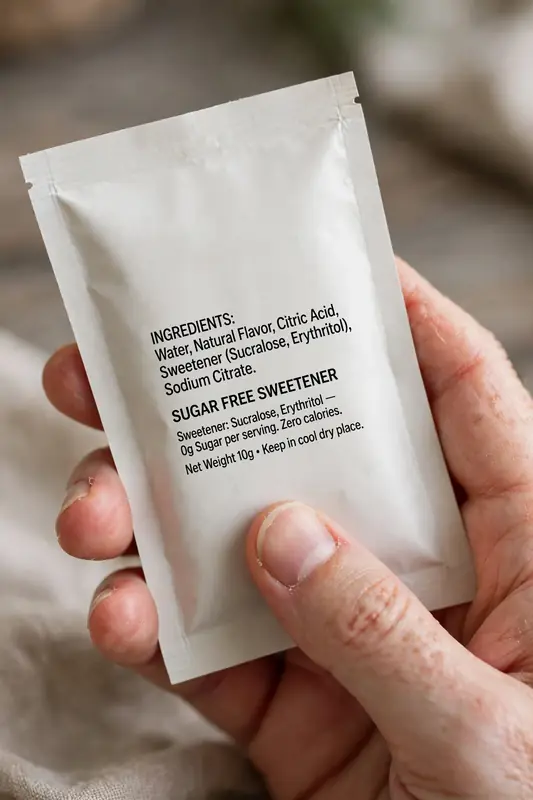
Xylitol looks and tastes like regular sugar but has fewer calories, which is why food companies love it. In people, it causes almost no insulin response, so it is considered safe for human use and even shows up in products marketed as healthy. Dogs process it completely differently, and that difference is what makes it lethal. Because xylitol hides behind friendly names, always read the full ingredient list on anything your dog might reach. The FDA warns that xylitol is dangerous for dogs and urges owners to check labels on everyday products, since many people do not realize how many items contain it.
Why xylitol kills dogs: what happens inside the body
In dogs, xylitol triggers a massive, rapid release of insulin from the pancreas. The insulin flood drives blood sugar down to dangerous levels within minutes, which can cause collapse, seizures, and death. At higher doses, xylitol also attacks the liver directly, causing acute liver failure that can kill a dog days after the poisoning.

Here is the plain version. When a dog swallows xylitol, it absorbs into the bloodstream very quickly. The pancreas mistakes it for a huge sugar load and releases far more insulin than the situation calls for. That insulin pulls glucose out of the blood, and levels drop like a stone. The brain runs on glucose, so the dog weakens, stumbles, collapses, or seizes. This hypoglycemia is the first killer. The second is slower: at doses above roughly 0.5 grams per kilogram of body weight, xylitol damages liver cells, and the liver can fail 8 to 72 hours later. A dog that looked better after the blood sugar crisis can still die from liver failure, which is why vets monitor these cases for days, not hours.
Symptoms of xylitol poisoning and when they appear
Early symptoms usually appear within 30 minutes and include vomiting, sudden weakness, wobbliness, collapse, trembling, and seizures. Delayed liver failure signs such as yellowing of the gums, dark urine, bleeding, and extreme lethargy can show up 8 to 72 hours later, even in dogs that seemed fine.

The timeline matters because it tricks people. The first wave hits fast: vomiting is often the earliest sign, followed by a dog that suddenly acts drunk, cannot stand straight, or goes limp. Seizures can follow. If the dog survives this phase, either on its own or with help, owners sometimes relax. Do not. Liver damage from xylitol poisoning in dogs is delayed by design, and the warning signs of a failing liver arrive much later: gums or the whites of the eyes turning yellow, bruising or bleeding that will not stop, very dark urine, swelling of the belly, and a dog that stops eating and barely moves. Vets at VCA Hospitals describe both the rapid hypoglycemia and the delayed liver injury as the two distinct threats of xylitol toxicity, and both need professional monitoring.
How much xylitol is dangerous for dogs
Very little. Doses above 0.1 grams per kilogram of body weight can cause dangerous blood sugar drops, and doses above 0.5 grams per kilogram can cause liver failure. A single piece of sugar-free gum can hold 0.3 to 1 gram of xylitol, which means one piece can poison a small dog.

Run the math on a small dog and the numbers get frightening fast. A 10-pound dog weighs about 4.5 kilograms, so roughly 0.45 grams of xylitol can crash its blood sugar, and about 2.3 grams can threaten its liver. One piece of sugar-free gum often sits right in that danger zone. A 5-pound dog needs even less, around 0.23 grams, to hit the hypoglycemia threshold. Chewing gum, mints, and candy are the worst offenders because they pack a lot of xylitol into a tiny piece that a dog can swallow in seconds. Baked goods and peanut butter usually contain less per bite, but a determined dog can eat a whole batch. There is no home scale or guess that makes this safe to judge yourself, which is why the dose question belongs to the vet or poison control, who can calculate it from the product label in seconds.
Common products that hide xylitol
Sugar-free chewing gum is the number one source, followed by sugar-free candy and mints, some peanut butters, baked goods, toothpaste, mouthwash, chewable vitamins, and some liquid or gummy medications. Check every label, because xylitol also appears as birch sugar, wood sugar, or E967.

Start with the purse, the backpack, and the car. Gum lives in all three, and dogs are excellent at finding it. In the kitchen, read the label on any peanut butter before you use it as a treat or pill hider; most mainstream brands do not use xylitol, but some “natural” or low-sugar brands do, and formulas change. Our guide on whether dogs can eat peanut butter covers what to check on the jar. Toothpaste is another common one: never use human toothpaste on a dog, partly for this reason. Medications surprise people the most. Some chewable vitamins, melatonin gummies, and liquid medicines use xylitol for flavor, so check the inactive ingredients on anything you give your dog. Since xylitol shows up in products from several categories, treat any “sugar-free” or “no sugar added” label as a red flag until you have read the ingredients. Other household toxins worth knowing about include grapes and onions, which carry their own emergency risks.
What your vet will do to treat xylitol poisoning
The vet will check blood sugar immediately and start IV dextrose if it is low, then monitor glucose and liver values closely for 24 to 72 hours. Treatment also includes liver-protecting medications, anti-nausea support, and treatment for any bleeding problems, with hospitalization until the danger window passes.

Expect your dog to stay at the clinic. Blood sugar gets checked repeatedly, because it can drop, recover, and drop again as xylitol keeps absorbing. Dogs with liver involvement receive liver support drugs such as SAMe or N-acetylcysteine, plus IV fluids and monitoring for clotting problems. The ASPCA’s list of people foods to avoid feeding pets for xylitol toxicosis, including the extended watch for delayed liver injury. Caught early at a small dose, many dogs go home within a day or two and recover fully. Larger doses or late arrivals carry a worse outlook, especially once liver failure sets in, which is why every vet says the same thing: come in now, not later.
Xylitol prevention checklist for your home
Keep all gum, candy, and mints in closed cabinets or high shelves, never in purses, backpacks, or low drawers a dog can nose open. Read the ingredient label on every peanut butter, toothpaste, vitamin, and medication before it enters the house, and teach everyone in the home, including kids and guests, that sugar-free products can kill the dog.
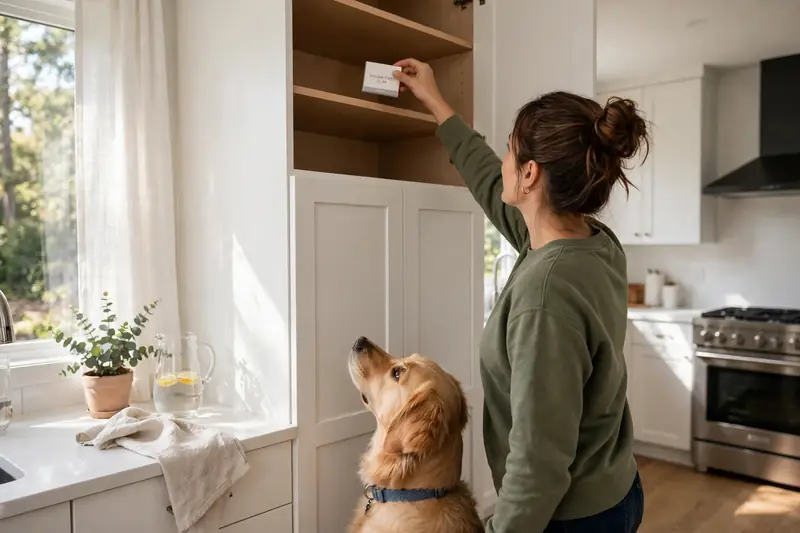
Prevention is mostly about storage and habits. Dogs counter-surf, raid trash cans, and chew through purses, so “put away” means latched, closed, and out of reach. Get a trash can with a locking lid for the kitchen and bathrooms, since discarded gum and dental products land there. When guests visit, mention the rule once: no gum or candy left on tables or in open bags. Kids need the same talk in simple words. If you bake sugar-free treats, keep the xylitol container locked away too; the pure powder is far more concentrated than any finished product. Finally, program your vet’s number and the ASPCA Animal Poison Control Center into your phone today. Dogs that have survived a liver scare may also benefit from reading about liver disease in dogs to understand long-term liver care.
Recovery, prognosis, and follow-up care after xylitol poisoning
Dogs treated early for low blood sugar alone usually recover fully within a day or two. Dogs that develop liver failure face a much harder road, with days of intensive care and a guarded prognosis, and survivors need repeat blood work to confirm the liver has truly healed.

The outcome tracks closely with two things: how much xylitol the dog ate and how fast treatment started. Mild cases, caught within the hour and treated for hypoglycemia, often bounce back quickly with no lasting damage. Once liver enzymes climb and clotting fails, the situation turns serious, and even with intensive care some dogs do not make it. After discharge, follow the vet’s recheck schedule exactly. Liver values need to return to normal on repeat blood work before the case is truly closed. Watch at home for returning lethargy, appetite loss, vomiting, or yellowing, and call the clinic if any appear. A dog that recovers has no immunity; the next exposure is just as dangerous, which makes prevention permanent, not temporary.
Frequently asked questions
These are the questions dog owners ask most about xylitol poisoning, from survival odds to label reading. If your dog has eaten xylitol, skip this section for now and call your vet first. Come back to these answers once your dog is safe and you want to understand what happened and how to prevent it next time.

Can a dog survive xylitol poisoning?
Yes, many dogs survive, especially when treatment starts quickly. Dogs that only develop low blood sugar and receive prompt IV dextrose often recover fully. Survival drops sharply when liver failure sets in or when treatment is delayed, so the single biggest factor is how fast the dog gets veterinary care.
How long after eating xylitol will a dog show symptoms?
Low blood sugar symptoms usually appear within 10 to 60 minutes, often around the 30-minute mark. Signs of liver failure are delayed and typically show up 8 to 72 hours after ingestion. A dog that looks fine after a few hours is not out of danger until a vet confirms it.
Is birch sugar the same as xylitol?
Yes. Birch sugar is simply a marketing name for xylitol, and the two are chemically identical. Wood sugar, birch bark extract, and E967 on labels also mean xylitol. If any of these appear in the ingredients, keep the product away from your dog.
Does all peanut butter contain xylitol?
No. Most major peanut butter brands do not contain xylitol. The risk comes from certain “natural,” low-sugar, or specialty brands that use it as a sweetener, and recipes can change without notice. Always read the ingredient label on every new jar before sharing any with your dog.
Should I make my dog vomit after it ate xylitol?
Only if your veterinarian specifically tells you to. Inducing vomiting in a dog that is already weak, collapsing, or seizing can cause the dog to inhale vomit into the lungs, which is life-threatening on its own. Call the vet first and follow their instructions exactly.
What should I tell the vet when I call about xylitol?
Give your dog’s weight, the exact product eaten, how much is missing, and when it happened. Keep the package with you so you can read the ingredient list and any xylitol amount stated on the label. This information lets the vet calculate the dose and decide how urgently your dog needs care.
Can xylitol poisoning cause permanent damage?
It can. Severe liver failure may leave lasting liver damage in survivors, and prolonged seizures from very low blood sugar can injure the brain. Dogs that recover from mild cases with prompt treatment usually heal completely, which is another reason early veterinary care matters so much.
Xylitol poisoning in dogs is one of the few household emergencies where minutes genuinely decide the outcome. Learn where xylitol hides, read labels on gum, peanut butter, toothpaste, and medications, store risky products where no dog can reach them, and save your vet’s emergency number in your phone today. If exposure happens anyway, call for help immediately and let the professionals take it from there. Fast action is the whole game with this poison.