

Can dogs eat walnuts? No. Keep them off the menu entirely. Fresh English walnuts are not classed as outright toxic the way grapes are, but they are oily, rich enough to trigger pancreatitis, and prone to mold that can cause seizures. Black walnuts are worse, with a natural toxin on top of every other risk. If your dog already grabbed one, what matters most is the type of walnut, whether it was moldy, and how your dog is acting now.
Can dogs eat walnuts? The short answer
No, dogs should not eat walnuts. Black walnuts contain a natural toxin called juglone and are genuinely dangerous, while English walnuts carry risks of pancreatitis, intestinal blockage, and dangerous mold. One dropped fresh walnut is unlikely to poison a healthy dog, but there is no safe serving size, so walnuts belong nowhere near your dog.
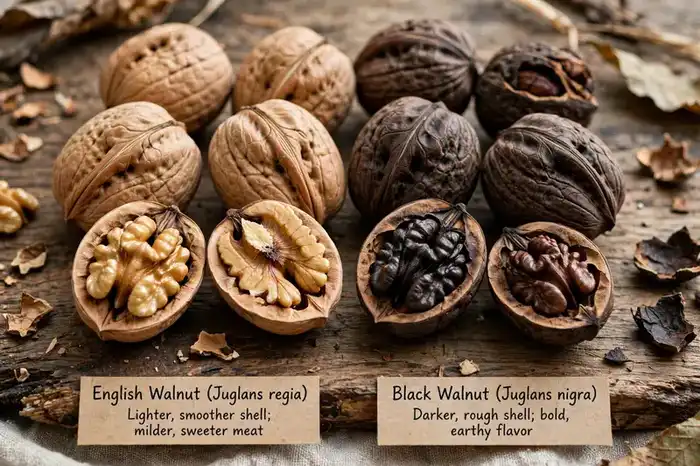
This is one of those questions where the technical answer and the practical answer split. Technically, a fresh English walnut half is not on the major poison lists. Practically, veterinary sources from PetMD to the ASPCA Animal Poison Control all land in the same place: do not feed them. The gap between “not technically toxic” and “safe” is where pancreatitis, choking, and mold poisoning live. Dog owners do not need a botany lecture in an emergency. They need a rule, and the rule is simple. Walnuts are a people food.
Black walnuts: the genuinely dangerous kind
Black walnuts, which fall from backyard trees across the eastern and central US, are the dangerous end of this story. They contain juglone, a natural compound rough on dogs, and they readily harbor the molds that produce tremorgenic mycotoxins. A dog crunching fallen black walnuts risks vomiting, tremors, or seizures.

The scenario vets worry about most is the backyard one. A black walnut tree drops its fruit in late summer and fall, the nuts sit on damp grass, and a curious dog crunches through the green husks. What the dog gets is a cocktail: juglone from the nut, plus whatever mold has grown in the moisture. Symptoms can include vomiting, drooling, lethargy, and in mold cases, tremors or seizures. The Pet Poison Helpline treats moldy walnut ingestion as an urgent situation, not a wait-and-see one.
If you have a black walnut tree and a dog, the tree is the problem to solve, not the dog’s curiosity. Rake up fallen nuts promptly during drop season, fence off the area if you can, and teach a solid “leave it.” Dogs do not learn from one bad walnut the way we wish they would. The next shiny husk on the lawn will look just as interesting.
English walnuts: not toxic, still a bad idea
English walnuts, the familiar grocery-store kind, are not classified as toxic to dogs. You will not find them on poison lists next to grapes and macadamia nuts. But “not toxic” is doing a lot of quiet work in that sentence, because everything else about them argues against sharing.
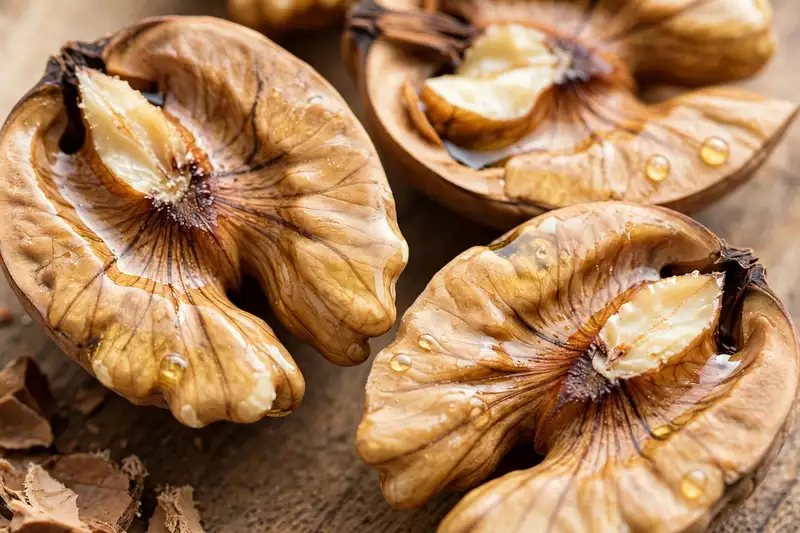
Start with the fat. Walnuts are roughly 65 to 70 percent fat, one of the richest common nuts. A handful of walnut halves can deliver a fat bomb big enough to trigger pancreatitis in a susceptible dog, a painful inflammation of the pancreas that causes vomiting, abdominal pain, and sometimes a hospital stay. Then there is the shape: whole walnuts are exactly the right size to lodge in a small dog’s throat or intestines. And like all walnuts, they grow mold frighteningly fast once the shell is cracked or they sit in damp conditions.
Vets sum this up as risks outweighing benefits. Walnuts do contain omega-3 fatty acids and other nutrients, but your dog can get those from its regular food without any of the baggage. There is no nutritional gap that only a walnut can fill. If you want to share a nutty snack, plain peanut butter made for dogs is the boring, safe answer, and boring is good here.
Moldy walnuts: the real emergency
Walnuts that have gotten damp and moldy can grow fungi producing tremorgenic mycotoxins, with penitrem A the best known. These toxins attack the nervous system, causing muscle tremors that can escalate to full seizures within hours. This is the scenario behind most scary walnut stories, and it is a genuine emergency.
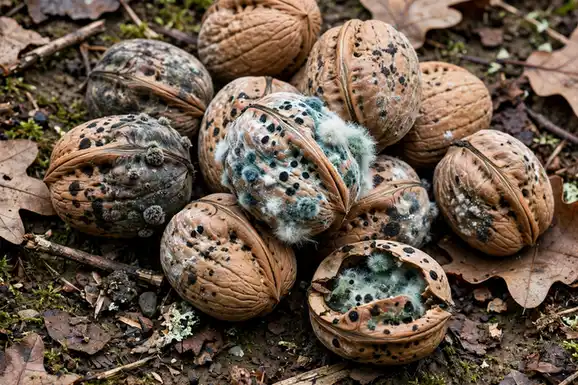
This is the scenario behind most of the scary walnut stories. A dog gets into a compost pile, a bag of old nuts in the garage, or fallen walnuts rotting under a tree. The owner sees vomiting and assumes a mild stomach upset, then the tremors start. Mycotoxin poisoning is one of the few food emergencies where minutes genuinely matter, because seizures can raise body temperature to dangerous levels and the toxins are hard to remove once absorbed.
Treatment is a job for the emergency vet: decontamination if caught early, anti-seizure medication, IV fluids, and temperature management. There is no home fix. If you ever see tremors or twitching after your dog ate anything moldy, skip the internet and go. This is also why “just one walnut” advice always comes with the mold caveat. A fresh walnut from your baking cupboard and a walnut that sat on wet grass for a week are two completely different hazards.
What happens if your dog eats a walnut
Most commonly, a single fresh English walnut in a medium or large dog passes with no drama or causes a day of soft stool. But the range of reactions is wide: pancreatitis from the fat, blockage from a whole nut, tremors from mold. That unpredictability is why vets will not bless even small amounts.

Watch for vomiting, diarrhea, drooling, loss of appetite, and abdominal tenderness in the first several hours. Those point to stomach upset or the early stages of pancreatitis. Straining to defecate, repeated unproductive vomiting, or a painful, bloated belly can signal an intestinal blockage from a whole walnut or shell pieces, and that is a surgical emergency. Tremors, wobbliness, or seizures point to mold toxins and need an emergency clinic immediately.
Timing matters for your decisions. Signs of simple stomach upset usually show up within a few hours. Pancreatitis can take 12 to 72 hours to declare itself, so do not assume you are clear because the first evening was quiet. Keep an eye on your dog for two to three days after any walnut incident, and call your vet at the first sign of anything beyond mild, brief softness. When in doubt, our guide to which human foods are safe for dogs can help you sort the genuinely dangerous foods, like grapes, from the merely inadvisable ones.
How many walnuts are dangerous?
There is no established safe number, and that is the honest answer. Toxicity-style dose charts exist for chocolate and grapes, but walnuts do not work that way. The risks are fat-triggered pancreatitis, physical obstruction, and mold toxins, and each of those depends on the individual dog as much as the number of nuts.

Size is the biggest variable. A single whole walnut can obstruct a Chihuahua’s intestine while passing harmlessly through a Labrador. A dog with a history of pancreatitis can flare from a fat load that would not bother a healthy dog. And mold risk has nothing to do with quantity at all: one badly moldy walnut can deliver enough mycotoxin to cause tremors, while ten fresh ones might only cause an upset stomach.
So do not go looking for a number. The useful question is not “how many” but “which kind, how fresh, and how is my dog acting.” A large dog that stole one fresh walnut half from the counter is a monitor-at-home situation. A small dog that ate a pocketful of damp walnuts from under a tree is a call-the-vet situation. When the details are fuzzy, vets would rather hear from you early than late.
My dog ate a walnut: what to do now
First, do not panic, but do act. Note the walnut type, how many were eaten, and how long ago, and check whether the nuts could have been moldy. Then call your veterinarian or an animal poison hotline with those details. They will tell you whether to monitor at home or come in.

Do not induce vomiting on your own. It sounds proactive, but vomiting a sharp shell fragment can do more damage coming up than going down, and vets decide on decontamination based on timing and what was eaten. Your job is information: the type of walnut, the amount, the time, your dog’s weight, and any symptoms so far. Keep the packaging or a sample of the nuts if you can.
For mild cases the vet clears for home monitoring, offer small amounts of water, skip the next meal or feed something gentle, and watch closely for 48 hours. A bland diet of plain boiled chicken and rice is the standard recovery food if your vet approves, and a little bone broth can encourage a queasy dog to drink. If vomiting persists, appetite vanishes, the belly looks painful, or you see any tremor at all, that is no longer a home situation.
Puppies, small dogs, and at-risk dogs
Some dogs face steeper odds, and if yours is in one of these groups, call the vet sooner. Puppies chew carelessly and have small airways, so choking and blockage are more likely. Small breeds face the same geometry problem. Dogs with a history of pancreatitis can relapse from a fat load others tolerate.

Dogs with a history of pancreatitis are the other high-risk group. Once a dog has had pancreatitis, the pancreas stays touchy, and fatty foods that other dogs tolerate can trigger a relapse. These dogs often live under vet-ordered low-fat rules for life. For them, even the fat in a few walnut pieces is not a gray area. It is a direct threat to a known condition.
Senior dogs with dental disease deserve a mention too. Cracked, painful teeth plus a hard walnut shell is a recipe for a slab fracture or a painful chewing injury. And any dog on medication for seizures or liver disease may handle toxins less gracefully. If your dog has a chronic condition, a quick call to your vet after any walnut incident is cheap insurance. VCA Hospitals has solid guidance on recognizing when stomach upset crosses into emergency territory.
Safe alternatives when you want to share a nutty treat
The craving behind this search is usually innocent. You are eating walnuts, your dog is staring, and you want to share something. Good news: there are genuinely safe options, and dogs like them just as much because dogs are not food critics.

Plain peanuts and plain peanut butter are the standard answer, with one critical check: read the label for xylitol, also called birch sugar, which is extremely toxic to dogs. Most regular peanut butters do not contain it, but some “sugar-free” and specialty brands do. A spoonful of xylitol-free peanut butter in a Kong buys you twenty minutes of peace with zero walnut risk. Small pieces of plain cooked meat, blueberries, or apple slices without seeds work too.
What about other nuts? Cashews and almonds in tiny amounts are less risky than walnuts, but they share the fat and choking issues, so they are occasional treats at best. Macadamia nuts are the true never-food of the nut world: genuinely toxic to dogs, causing weakness, vomiting, and tremors. If you take one rule from the whole nut aisle, make it this: peanuts plain and simple, everything else earns suspicion, and macadamias and walnuts stay in the human-only jar.
Keeping walnuts out of your dog’s reach
Prevention is unglamorous and it works. Store baking walnuts in sealed containers in high cupboards, not in bowls on the counter. During holiday baking season, when walnuts sit out for days, be extra careful. Those are the weeks vets see the most nut incidents, and the nuts may be picking up moisture.

The backyard needs a plan if you have a walnut tree. Rake fallen nuts regularly during drop season, keep the dog away from the drop zone, and remember that the green husks stain everything and attract exactly the kind of sniffing you do not want. Compost piles deserve a lid or a fence too, since rotting food plus curious dog is how most mycotoxin cases happen.
Teach “leave it” and “drop it” as real skills, not party tricks. A reliable drop-it has saved more dogs from more hazards than any article ever will. And if you want to understand the bigger picture of risky versus safe sharing, our piece on what chocolate does to dogs covers the other food most owners underestimate. Walnuts are a solvable problem. It just takes a lid, a rake, and a dog that knows when to spit something out.
Frequently asked questions
Can dogs eat one walnut?
One fresh English walnut is unlikely to poison a healthy medium or large dog, but it is still not advisable. The same walnut could obstruct a small dog, and if it was moldy, even one can cause tremors or seizures from mycotoxins. There is no safe serving size, so the practical answer stays no.
Are black walnuts toxic to dogs?
Yes, black walnuts are the most dangerous walnuts for dogs. They contain juglone, a natural toxin, and they are especially prone to the molds that produce tremorgenic mycotoxins. Dogs that eat black walnuts, particularly fallen ones from under a tree, can develop vomiting, lethargy, tremors, or seizures and need prompt veterinary care.
Are walnut shells dangerous for dogs?
Yes. The shells are hard, sharp when broken, and indigestible. They can cut the mouth and throat, cause choking, or block the intestines, especially in small dogs. Shell fragments are one reason vets advise against inducing vomiting at home after walnut ingestion: sharp pieces can injure the esophagus on the way back up.
Can dogs eat walnut butter or walnut oil?
No. They concentrate the same problems: very high fat content that risks pancreatitis, with none of the fiber or structure of the whole nut. Flavored walnut butters may also contain xylitol, chocolate, or other dog-toxic ingredients. Stick with plain, xylitol-free peanut butter instead.
My dog ate moldy walnuts. What should I do?
Treat it as an emergency. Call your veterinarian or an animal poison hotline immediately and describe what the dog ate and when. Watch for drooling, vomiting, wobbliness, muscle tremors, or seizures. Do not try home remedies. Mycotoxin poisoning often needs anti-seizure medication, IV fluids, and monitoring that only a clinic can provide.
What nuts can dogs eat safely?
Plain peanuts and plain, xylitol-free peanut butter are the safest choices. Cashews are acceptable in small amounts as an occasional treat. Avoid macadamia nuts entirely because they are toxic, and keep walnuts, pistachios, and hickory nuts away because of fat, mold, and obstruction risks. When in doubt, skip the nut and offer a piece of plain cooked meat.
Can dogs eat candied or chocolate-covered walnuts?
Definitely not. Candied walnuts add sugar and sometimes xylitol, and chocolate-covered walnuts add theobromine toxicity on top of every walnut risk. Chocolate is genuinely poisonous to dogs in sufficient amounts. If your dog ate chocolate-covered walnuts, call your vet and mention both the chocolate and the walnuts.

2 thoughts on “Can dogs eat walnuts? Why vets say keep them off the menu”