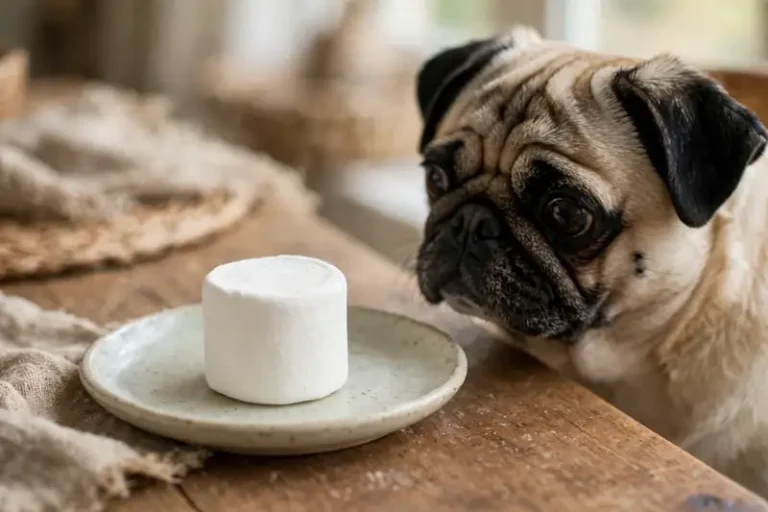
Yes, dogs can have cottage cheese, and it is one of the better dairy choices you can offer. Plain, low-fat cottage cheese is lower in fat, sodium, and lactose than most cheeses, which is exactly why the American Kennel Club names it among the best cheese options for dogs, and why veterinarians have long used it in bland recovery diets. Like all dairy, though, it needs a lactose check first and a modest portion always. This guide covers the benefits, the right amounts, and the versions to avoid.
Why vets like cottage cheese

Cottage cheese occupies a unusual position: it is one of the few dairy products veterinarians actively recommend. The classic use is the bland diet, plain boiled chicken (or turkey) with plain rice and a spoonful of cottage cheese, prescribed for dogs recovering from mild stomach upset. The combination is gentle, easy to digest, and palatable enough that queasy dogs will actually eat it.
The AKC’s cheese guidance explains the underlying reasons: cottage cheese is lower in fat and sodium than most cheeses, reducing obesity risk, and lower in lactose, reducing the likelihood of intestinal upset. The protein is mostly casein, which digests gently, and the high moisture content keeps the calorie load per spoonful manageable compared to hard cheeses.
That veterinary endorsement matters, but notice its shape. Vets recommend cottage cheese as a short-term recovery tool and occasional treat, not as a dietary staple. The endorsement is for the plain, low-fat version, in spoonfuls, for a purpose.
Nutritional benefits, honestly stated
Plain cottage cheese brings a solid package:
- Casein protein: slow-digesting, high-quality protein that supports muscle maintenance. Gentler on the stomach than the concentrated proteins in aged cheeses.
- Calcium and phosphorus: meaningful amounts for bones and teeth.
- B vitamins, especially B12: supports nerve function and energy metabolism.
- Probiotic cultures: some brands contain live cultures, offering a mild gut benefit similar to yogurt (though, as with yogurt, purpose-made probiotics outperform it).
- Relatively low calorie density for a cheese, a tablespoon runs roughly 15-25 calories depending on fat percentage.
The honest frame: these nutrients are bonuses, not reasons. A complete dog food covers them. Cottage cheese earns its place as a useful, palatable, vet-approved extra, particularly valuable for hiding pills, tempting sick dogs to eat, and rewarding training.
The lactose check
All dairy deserves the same first test, and cottage cheese is no exception, though it starts from a better position. Because of how it is made, cottage cheese contains less lactose than milk and many soft cheeses, which is why the AKC flags its lower lactose as an advantage. Many dogs that react to milk handle small amounts of cottage cheese without issue.
Still, “lower” is not “zero,” and individual tolerance varies. The protocol:
- First serving: one teaspoon, regardless of dog size.
- Watch 24 hours for gas, bloating, loose stools, or vomiting.
- No reaction: proceed to normal small portions.
- Reaction: stop. Try again in a few weeks if you like, or accept that dairy is not for this dog.
True dairy allergy (immune-mediated, with itching or skin signs) is different from intolerance and rarer, but if your dog shows skin reactions after dairy, that is a vet conversation, not a portion-adjustment question.
How much cottage cheese is safe

Small spoonfuls, always inside the 10% treat allowance. As a practical framework:
- Small dogs: one teaspoon per serving.
- Medium dogs: one tablespoon per serving.
- Large dogs: up to two tablespoons per serving.
Once a day at most, and a few times a week is the more sensible pattern for most dogs. As a bland-diet component under veterinary direction, the amounts and duration follow the vet’s protocol, typically a few days, not indefinitely.
Two portion traps to avoid: using cottage cheese as a meal base (it is not nutritionally complete) and the “just a little more” creep that turns a tablespoon into half a tub over weeks. Measure it. The tub is deceptively easy to overserve from.
Making it work for picky dogs
Cottage cheese’s mild flavor is usually an asset, but some dogs sniff and walk away from the plain white curds. A few vet-approved tricks:
- Warm it slightly, ten seconds in the microwave (stirred, tested on your wrist) releases aroma that cold curds lack.
- Mix, don’t top: stir the spoonful through the kibble rather than plopping it on top, so every bite carries some.
- Pair with a favorite: a few blueberries or a pea-sized dab of xylitol-free peanut butter mixed in can convert a skeptic.
- For post-surgery or illness: when the vet prescribes the bland diet and the dog refuses it, warming and hand-feeding small amounts often works where a full cold bowl fails.
What not to do: do not “improve” it with honey, fruit syrups, or flavored mix-ins, the sugar and additives defeat the purpose. And if a healthy dog consistently refuses plain cottage cheese, accept the verdict; no treat is mandatory.
Which cottage cheese to buy

The dairy aisle is a minefield of flavored and “diet” products. The rules:
- Plain only. No chive, no pineapple, no “garden vegetable”, flavored versions add onion, garlic, sugars, or herbs that disqualify them.
- Low-fat or regular, either is fine in spoonful portions; avoid fat-free “diet” versions, which sometimes compensate with sweeteners.
- Check for xylitol in any light, sugar-free, or “no sugar added” variety. Xylitol is lethally toxic to dogs; the same label vigilance as peanut butter applies.
- Lower sodium is a plus, compare brands; sodium varies widely.
- Short ingredient list: milk, cream, salt, cultures, maybe an enzyme. If you cannot pronounce half of it, choose another brand.
Full-fat cottage cheese is acceptable in the same small portions, the fat difference per teaspoon is minor. The bigger lever is always the spoon size, not the fat percentage on the tub.
Cottage cheese vs other cheeses

It helps to see where cottage cheese sits in the cheese landscape for dogs:
- Cottage cheese: lower fat, lower sodium, lower lactose, the AKC’s recommended pick alongside mozzarella and soft goat cheese.
- Mozzarella: similarly mild and low-ish in fat; fine in small amounts.
- Cheddar and hard cheeses: higher fat and sodium; usable as rare high-value training bits, not spoonful treats.
- Blue cheese, Roquefort: never, they contain roquefortine C, a toxin dangerous to dogs, plus extreme salt.
- Cheese with herbs, garlic, or pepper: never, the flavorings are the problem.
- Processed cheese slices and spreads: high sodium, additives, no reason to choose them.
If cheese is going to be part of your treat rotation, cottage cheese and mozzarella are the sensible defaults. Everything else is either an occasional exception or a hard no.
Hiding pills and tempting sick dogs

Two of cottage cheese’s best jobs deserve emphasis:
Pill administration. A teaspoon of cottage cheese molds around most pills better than peanut butter for dogs that lick peanut butter off and spit the pill out. The soft curds envelop the tablet, and the mild flavor raises no suspicion. For dogs on long-term medication, rotating between cottage cheese, peanut butter, and commercial pill pockets prevents the dog from learning any single trick.
Recovery appetite. Dogs recovering from GI upset, surgery, or illness often refuse kibble but accept a bland mix. The vet-directed combination, boiled chicken, white rice, cottage cheese, is palatable, gentle, and easy to eat. Follow the vet’s proportions and timeline; bland diets are intentionally incomplete for long-term feeding and should transition back to regular food as directed.
Cottage cheese vs yogurt vs kefir
All three are fermented dairy treats with overlapping jobs, how do they compare for dogs?
- Cottage cheese: lowest lactose of the three in many cases, highest casein protein, best texture for hiding pills. The vet’s pick for bland diets.
- Greek yogurt: thicker, higher protein per spoonful, good live cultures; slightly more lactose than cottage cheese.
- Kefir: widest culture diversity, most lactose consumed in fermentation; thinner, pourable, harder to find plain.
For a lactose-sensitive dog, the ranking by tolerance is usually kefir > cottage cheese > Greek yogurt > regular yogurt, but individual dogs vary, and the teaspoon test beats any ranking. For pill-hiding, cottage cheese wins outright. For frozen enrichment treats, yogurt’s thickness works best. There is no need to choose one forever; rotate based on the job.
Dogs who should skip it
Cottage cheese is optional for every dog and wrong for some:
- Lactose-intolerant dogs with clear reactions, no negotiation.
- Dogs with dairy allergies (skin/ear signs), vet diagnosis needed.
- Dogs with pancreatitis history or fat sensitivity, even modest dairy fat can trigger; ask the vet.
- Dogs with kidney disease on sodium restriction, cottage cheese carries meaningful sodium; check first.
- Overweight dogs on strict calorie plans, the calories are not free.
- Dogs on prescription diets, therapeutic diets leave no room for extras without approval.
Puppies can have tiny tastes once weaned, but their growth formula is precisely balanced, extras dilute it. Senior dogs do fine with small amounts of low-fat plain cottage cheese.
The honest summary: cottage cheese is the dairy treat with the best credentials, vet-recommended, lower in fat, sodium, and lactose than its cheese cousins, and genuinely useful for pills and recovery. It still demands the lactose check, a plain label, and a measured spoon. Buy the plain tub, start with a teaspoon, and let your dog’s gut decide.
For the same plain-only, small-portion thinking across the foods dogs meet most often, see our wider guide to what human food dogs can eat. For another snack-time option, see our honey guide.
Frequently Asked Questions
Is cottage cheese better than yogurt for dogs?
They are comparable, both plain, both in small amounts. Cottage cheese is lower in lactose than most yogurts and higher in casein protein; yogurt offers more live cultures. Either is fine; neither is necessary.
Can dogs eat flavored cottage cheese?
No. Flavored varieties add sugars, fruit preparations, herbs, or onion/garlic, all disqualifying. Some “light” versions add xylitol, which is lethally toxic. Plain only, always.
How much cottage cheese can I give my dog daily?
At most: one teaspoon (small dogs), one tablespoon (medium), two tablespoons (large), once a day maximum, and a few times a week is the better pattern. As a vet-directed bland diet, follow the vet’s protocol.
Can puppies have cottage cheese?
In tiny tastes once weaned, a half-teaspoon to start, watching for digestive upset. Keep it rare; their growth diet is precisely formulated and should not be diluted with extras.
Does cottage cheese help with diarrhea?
It is a common component of vet-recommended bland diets for mild GI upset, but only as part of the vet’s protocol (with boiled chicken and rice), not as a home remedy on its own. Persistent diarrhoea always warrants a vet call.
What is the best cheese for dogs overall?
The AKC names low-fat options: cottage cheese, mozzarella, and soft goat cheese. Cottage cheese wins on the combination of lower fat, lower sodium, and lower lactose. Avoid blue cheeses and anything herbed or flavored.
My dog is lactose intolerant, is there any dairy he can have?
Probably not, and there is no need to push it. Hard aged cheeses have the least lactose, but a clearly intolerant dog is better off with non-dairy treats entirely. No dog needs dairy.
Can dogs eat cottage cheese with pineapple?
No, buy plain. Pineapple cottage cheese cups add sugars and fruit preparations with unknown additives. If you want fruit with it, add a few pieces of fresh dog-safe fruit to plain cottage cheese yourself. Fresh blueberries, banana slices, or a spoonful of plain pumpkin puree all work well.
This article is general information only and is not a substitute for veterinary advice. If your dog has a health condition, is on a prescription diet, or you are unsure about any food, check with your veterinarian first.