Oatmeal sits in almost every kitchen, and most dog owners have faced the same hopeful stare from across the breakfast table. The quick answer is reassuring. Plain cooked oatmeal is safe for dogs, and many vets recommend it as a gentle, fiber-rich extra. It is not a required food. As an occasional topper or a bland-diet ingredient, it earns its place on the safe list. What matters is how you prepare it and how much you serve.

Can dogs eat oatmeal? The short answer
Yes, dogs can eat plain cooked oatmeal. It is safe, easy to digest, and often recommended by vets for dogs that need extra fiber or a gentle bland diet. Serve it plain, cooked in water, and cooled. Skip sugar, milk, butter, and flavored instant packets, which add ingredients dogs do not need.
The safety question has a clean answer because oatmeal is just cooked oats. Nothing in a plain oat is toxic to dogs. The AKC guide to human foods dogs can and cannot eat lists oatmeal among the foods dogs can have, with the usual note to keep portions sensible. It also shows up in homemade bland diets and in commercial dog foods as a grain source.
One rule shapes everything below. Oatmeal is only as safe as its preparation. A bowl cooked in water with nothing added is a different food from a packet of maple brown sugar instant oatmeal stirred with milk.

Why oatmeal is good for dogs
Oatmeal gives dogs soluble fiber, which supports steady digestion and firmer stools. It also carries B vitamins plus minerals such as iron and zinc, and it is naturally low in fat. Vets often suggest it for dogs that need a gentle, easy-to-digest carbohydrate in their diet.
Soluble fiber is the main event. Oats are rich in beta-glucan, a fiber that dissolves in water and forms a soft gel in the gut. That gel slows digestion slightly, which helps dogs with loose stools firm up. Dogs that swing between soft and firm stools often do well with a spoonful of oatmeal mixed into dinner.
Beyond fiber, oats bring B vitamins, iron, zinc, and manganese in modest amounts. None of this replaces a balanced dog food. Think of oatmeal as a supporting player that helps the main diet work a little better, especially for dogs with touchy digestion. The guide to fiber for dogs explains how soluble and insoluble fiber play different roles in the gut. Owners who want the full nutritional picture can also read the Merck Veterinary Manual, which covers canine nutritional needs in depth.

How to cook oatmeal for dogs
Cook plain oats in water, never milk, and let the bowl cool to room temperature before serving. Use no sugar, salt, butter, or flavorings. Rolled or old-fashioned oats cooked soft are the easiest option, and the finished oatmeal should be plain enough that you would find it boring.
Combine one part oats with two parts water, bring to a gentle simmer, and cook until soft, about five minutes for rolled oats. Then take it off the heat and let it cool completely. Dogs burn their mouths on hot food just like people do, so test the temperature the way you would for a toddler.
Water matters more than owners expect. Most adult dogs make very little lactase, the enzyme that digests milk sugar, so oatmeal cooked in milk can cause gas and loose stools even in dogs that handle plain oats fine. Butter and salt add fat and sodium with no benefit, and dogs have no nutritional need for added sugar.

How much oatmeal can dogs have
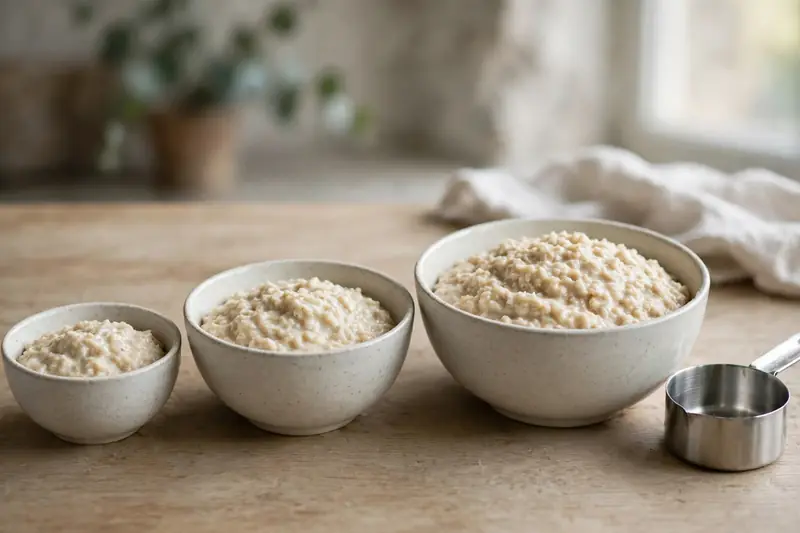
Keep oatmeal under 10 percent of your dog’s daily calories. As a rough guide, small dogs get one to two tablespoons, medium dogs up to a quarter cup, and large dogs up to half a cup, a few times a week. Start with less the first time and watch for soft stools.
The 10 percent rule exists because treats dilute balanced nutrition. Every spoonful of oatmeal is a spoonful of kibble your dog skips, and that trade works fine in small amounts. Cooked oatmeal also carries more calories than it looks like. A cup of plain cooked oatmeal holds roughly 150 calories, a meaningful share of a small dog’s day, which is why the portions below look modest.
| Dog size | Safe amount (cooked) | Frequency |
|---|---|---|
| Small (under 20 lbs) | 1 to 2 tablespoons | A few times a week |
| Medium (20 to 50 lbs) | Up to 1/4 cup | A few times a week |
| Large (over 50 lbs) | Up to 1/2 cup | A few times a week |
The first time, give less than the chart says. A spoonful or two, then watch your dog for a full day before making oatmeal a regular addition. Too much fiber at once can cause gas, bloating, or loose stools, which is the opposite of what you wanted.
Instant vs rolled vs steel-cut oats
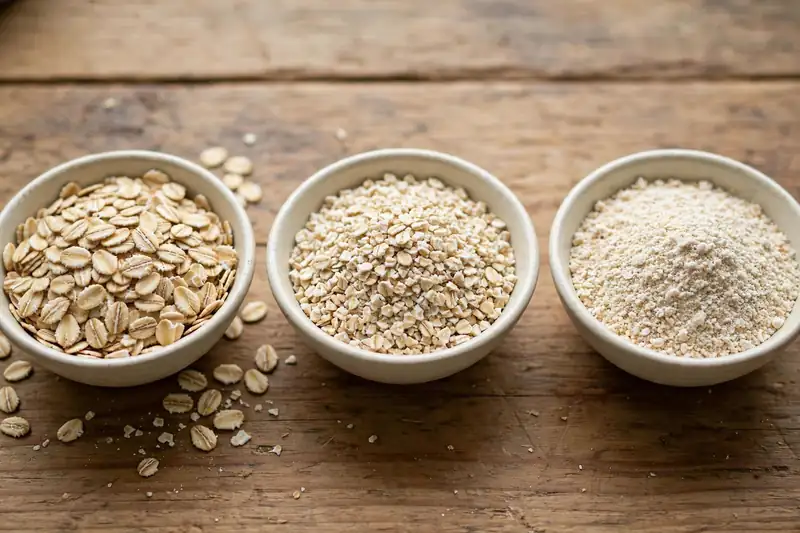
Plain rolled or old-fashioned oats are the best pick for dogs. Steel-cut oats work too but need longer cooking to soften fully. Plain instant oats are acceptable in a pinch. Never feed flavored instant packets, which can contain excess sugar, artificial sweeteners, or xylitol.
Rolled oats are oat groats that have been steamed and flattened. They cook in minutes and turn soft and creamy, exactly the texture a dog’s stomach handles best. For most owners, this is the bag to buy. Steel-cut oats are the same grain chopped into pieces. They take longer to cook and stay chewier, but they are fine once cooked soft.
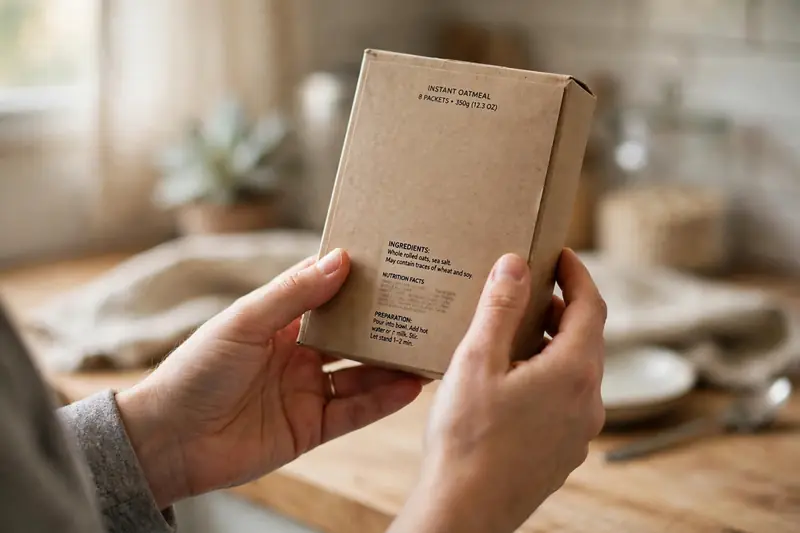
Plain instant oats are pre-cooked and dried, so they rehydrate fast. They work when you are in a hurry, though they offer a little less fiber per spoonful. The word that matters is plain. The moment a packet says maple, brown sugar, or apple cinnamon, it stops being dog food. Flavored packets pack in sugar, and sugar-free versions can contain xylitol, which is toxic to dogs. Check the ingredient list on anything that comes in a packet.
Oatmeal for upset stomachs
Vets often include plain oatmeal in bland diets for dogs with mild stomach upset, usually alongside boiled chicken or turkey. It is gentle, easy to digest, and binding. Use it only for short episodes and mild symptoms, and call your vet if vomiting or diarrhea lasts more than a day.
A bland diet rests the gut. When a dog’s stomach is irritated, rich food and heavy fat make things worse, so vets reach for simple ingredients that digest with little effort. The soluble fiber in oatmeal also helps absorb excess water in the intestines, which firms up loose stools.
Rice is the classic bland-diet carbohydrate, and oatmeal is its close cousin. Either one works, and some vets prefer oatmeal for dogs that need a bit more fiber. The bland diet guide walks through the full approach, and the comparisons with rice and pumpkin help you pick the right base for your dog.
Bland diets are short-term tools, not meal plans. Two or three days of oatmeal and boiled chicken is the usual window, then a gradual return to regular food. If your dog has bloody stool, repeated vomiting, lethargy, or will not drink water, skip the home care and call your vet.

Oatmeal for dogs with wheat allergies
Oats are not wheat and are naturally gluten-free, so many dogs with wheat allergies tolerate oatmeal well. Buy plain oats and check labels, since some brands process wheat in the same facility. Any dog with a diagnosed grain sensitivity should get the vet’s approval first.
The botany helps here. Oats come from a different plant than wheat, barley, and rye, so the proteins that trigger wheat allergies are not naturally present in oats. That is why oatmeal often becomes the go-to grain for dogs that itch or get ear infections on wheat-heavy foods.
The caveat is cross-contamination. Oats are often grown, shipped, and milled alongside wheat, so standard bags can carry traces. For a dog with a severe or diagnosed grain allergy, look for oats labeled gluten-free, which are processed separately, and talk to your vet before making the switch.
One honest note: true wheat allergies are less common than many owners assume. Food allergies in dogs most often involve proteins like beef, dairy, or chicken. If your dog itches constantly, get a proper diagnosis instead of guessing with grains, since swapping wheat for oats helps only when wheat is causing the trouble. The bread feeding guide makes the same point about wheat-based foods.

Toppings and mix-ins to avoid
Never top your dog’s oatmeal with raisins, chocolate, xylitol-sweetened anything, or macadamia nuts. All four can poison dogs. Skip brown sugar, honey in large amounts, and butter too. If you want to mix something in, a spoonful of plain pumpkin or a few blueberries is the safer move.
Raisins are the most dangerous topping because they look harmless. Raisins are dried grapes, and grapes can cause sudden kidney failure in dogs. Nobody knows the exact toxic dose, and sensitivity varies wildly, so the only safe amount is zero. If raisins ever land in your dog’s bowl, that is a vet call, not a wait-and-see. The grape safety guide covers the risk in full.
Chocolate brings theobromine, which dogs metabolize far more slowly than people do. Dark chocolate and cocoa powder are the worst offenders, but no chocolate belongs in a dog’s bowl. The white chocolate guide explains how theobromine risk scales with chocolate type.
Xylitol hides in sugar-free products, including some sugar-free syrups, flavored oatmeal packets, and peanut butters. In dogs it triggers a rapid insulin release that can cause dangerous blood sugar crashes and liver failure. Always read the label on anything sweetened. Macadamia nuts can cause weakness, vomiting, and tremors, while other nuts bring heavy fat and choking risk, so keep the bowl plain or stick to blueberries and pumpkin.
Oatmeal for puppies and senior dogs
Puppies over eight weeks can have small amounts of soft, plain oatmeal as an occasional treat. Keep portions tiny since puppy food is already complete. Senior dogs often do well with oatmeal because it is soft and easy to digest, which suits older teeth and slower guts.
Puppies are still building their digestive systems, so new foods should arrive slowly. A teaspoon or two of soft oatmeal mixed into a meal is a fine first test past weaning age. Puppy food is carefully balanced for growth, so oatmeal should stay a rare extra. Resources like VCA Hospitals publish feeding guidance that can help you judge what extras fit a growing puppy’s diet.
Senior dogs are where oatmeal quietly shines. Older dogs often deal with worn teeth, slower digestion, and medications that upset the stomach. Soft oatmeal is easy to chew and gentle going down, and the fiber helps keep older bowels moving. For a senior on a prescription diet for kidney, heart, or liver disease, run even small extras past your vet, since those diets control nutrients precisely.

When to call the vet
Call your vet if your dog eats a large amount of oatmeal and develops bloating, repeated vomiting, or diarrhea, or if the oatmeal contained raisins, chocolate, or xylitol. Those three ingredients turn a mild stomach upset into a possible emergency, so do not wait for symptoms.
Plain oatmeal emergencies are rare. The realistic scenario is a dog that counter-surfs a full pot. A large volume of fiber-rich food can cause painful gas, bloating, and diarrhea, and uncooked oats are worse because they keep absorbing moisture and expanding. Watch for a swollen belly, retching without producing anything, or extreme lethargy. A distended belly with unproductive retching can signal bloat, a genuine emergency in large, deep-chested breeds.
The ingredient scenarios are more urgent. Raisins, chocolate, and xylitol each have their own toxic effects, and earlier treatment works better with all three. Call your vet with the package in hand so they can read the ingredient list with you. For after-hours worries, the ASPCA Animal Poison Control line is the resource most vets recommend.

Frequently asked questions about dogs and oatmeal
Most owners ask about daily feeding, flavored packets, raw oats, and whether oatmeal beats rice for upset stomachs. The answers below cover the questions that come up most often. Your vet’s guidance wins for any dog with a medical condition.
Can dogs eat oatmeal every day?
Small amounts of plain oatmeal every day are usually fine for a healthy adult dog, as long as it stays under 10 percent of daily calories. That said, variety serves dogs better than any single food on repeat. A few times a week is plenty.
Is oatmeal better than rice for an upset stomach?
Both work well, and neither is clearly superior. Rice is the traditional bland-diet base because it is extremely gentle and low in fiber. Oatmeal brings a bit more soluble fiber, which some vets prefer for firming up loose stools. The rice feeding guide covers the classic approach in detail.
Can dogs eat flavored instant oatmeal?
No. Flavored packets contain added sugar, artificial flavors, and sometimes xylitol in sugar-free versions, none of which belong in a dog’s diet. If instant is all you have, use only packets labeled plain, and read the ingredient list first.
Can dogs eat raw or uncooked oats?
They should not. Raw oats are hard to digest and absorb moisture, so they can swell in the stomach and cause discomfort, gas, or bloating. Cooking breaks down the starches and softens the fiber. Always cook oats fully and let them cool before serving.
Is oatmeal good for dogs with diarrhea?
Often yes, for mild cases. The soluble fiber in oatmeal absorbs excess water in the gut and helps firm up loose stools, which is why it appears in vet-recommended bland diets. If diarrhea lasts more than a day, contains blood, or comes with vomiting or lethargy, see your vet instead.
Can dogs be allergic to oatmeal?
True oat allergies are uncommon in dogs. Most food allergies involve animal proteins like beef, dairy, or chicken rather than grains. Signs of a food sensitivity include itchy skin, paw chewing, ear infections, or chronic soft stools after eating oats. If you see a pattern, stop feeding oatmeal and talk to your vet about an elimination diet.
Can I mix oatmeal into my dog’s regular food?
Yes, as a topper. Stir a spoonful of plain cooked oatmeal into the regular meal a few times a week. Keep total extras under 10 percent of daily calories so the balanced dog food still does its job. Do not replace meals with oatmeal, since it cannot match a complete dog food’s nutrition on its own.
Plain oatmeal, cooked in water and served cool, is one of the simplest safe foods you can share with your dog. Keep it plain, keep portions small, and read the label on anything that comes in a packet. Do that, and the breakfast-table stare gets its reward.