
The recalled Pedigree cans were never supposed to reach a store shelf. Mars had already flagged them for destruction after they failed quality checks. Then the cans showed up for sale anyway. Mars Petcare recalled two lots of Pedigree canned dog food after someone fraudulently diverted cans meant for destruction and sold them. The recall covers two lots of 13.2-ounce cans of High Protein Chopped Chicken and Duck Flavor, and the lot codes are printed right on the bottom of every can.

Is there a current Pedigree dog food recall
Yes. On July 2, Mars Petcare US issued a voluntary recall for two lots of PEDIGREE Can High Protein Chopped Chicken and Duck Flavor wet dog food in 13.2-ounce cans. The recalled cans may contain pieces of hard, sharp metal and plastic that could injure a dog’s mouth, throat, or digestive tract.
Mars reported no illnesses or injuries in connection with the recalled lots when the announcement went out. The company set up a consumer care line at 1-800-525-5273 for replacements and questions. Only the two lots named below are affected. Every other Pedigree product, and every other Mars Petcare product, sits outside this recall.
The recalled lots: exactly what to look for
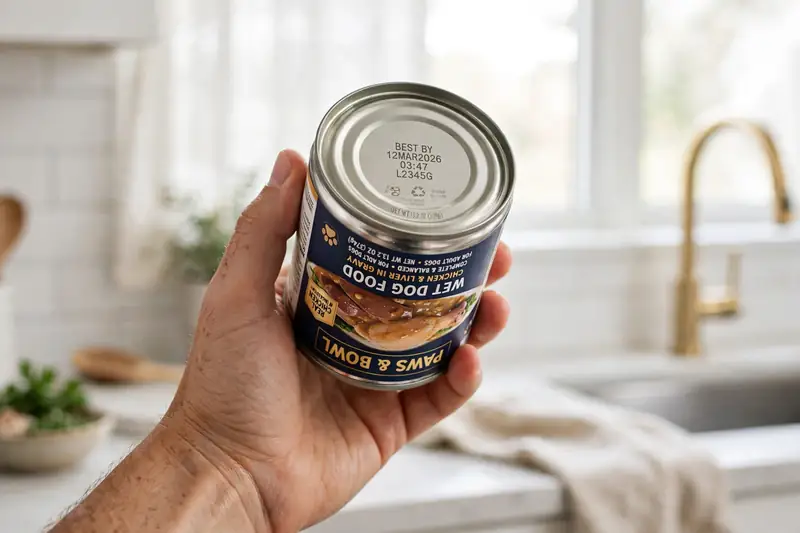
Check the bottom of the can for the lot code. Only the two codes in the table below fall under this recall, and matching them exactly is the entire check. A can with any other code, even of the same flavor and size, is not recalled.

| Product | Size | Recalled lot codes |
|---|---|---|
| PEDIGREE Can High Protein Chopped Chicken & Duck Flavor | 13.2 oz | 613C3KKCFC |
| PEDIGREE Can High Protein Chopped Chicken & Duck Flavor | 13.2 oz | 613C1KKCFC |
Match the code exactly, character for character. A can with a different lot code, even of the same flavor and size, is not recalled. Photograph the bottom of the can before you return or discard it. The photo is your proof of purchase and gives your vet precise information if your dog ate from the can.
The FDA’s recall notice for the two Pedigree lots carries the full company announcement with the lot codes and the safety risk described as pieces of hard and sharp metal with plastic that may be present in the cans.
Why these cans were recalled: the diversion story
Most recalls start with a factory problem. This one started with a disposal problem. Mars tested the two lots, found they did not meet the company’s safety and quality standards, and sent them to a third-party vendor for destruction. Standard procedure, correctly followed.

Then Mars discovered someone had apparently diverted the product fraudulently and sold it into the US marketplace instead of destroying it. The company says it is working with authorities to determine how the cans reached shelves. The contamination itself, sharp metal and plastic fragments, was the reason the lots failed inspection in the first place.
This backstory matters for two reasons. It explains why the recall covers only two lots rather than a production run: the failure happened after manufacturing, in the disposal chain. And it is a reminder that recalls sometimes catch problems no factory inspection could have prevented, which is exactly why lot-level tracking exists.
Pedigree’s full recall history
Pedigree is a decades-old brand, and its recall record stretches back years. Here is the complete history from public FDA records, newest first, so you can see the pattern: foreign material shows up more often than pathogens, and every entry names exact lots.
In May 2024, Mars recalled 315 bags of Pedigree Adult Complete Nutrition Grilled Steak and Vegetable Flavor dry dog food in 44-pound bags, lot code 410B2TXT02, sold at Walmart stores in Arkansas, Louisiana, Oklahoma, and Texas. The reason was potential loose metal fragments in the bags.
In August 2014, the company recalled Pedigree Adult Complete Nutrition dry dog food for possible small metal fragments. The recall covered 15-pound bags sold at Dollar General stores, and Mars expanded it to 55-pound bags sold at Sam’s Club in Indiana, Michigan, and Ohio. The company reported no illnesses, and noted the material was not embedded in the kibble itself.
In June 2012, Mars recalled several Pedigree weight management canned varieties after small pieces of blue plastic turned up in cans. The recall covered cans with lot codes beginning 209, 210, 211, or 212 and best-by dates between February 24 and March 23, 2014.
In September 2008, Mars recalled Pedigree dry dog foods for potential Salmonella contamination. The affected bags carried “PAE” in the sixth, seventh, and eighth digits of the lot code and came from the company’s Everson, Pennsylvania facility.
The pattern across nearly two decades is foreign material more than pathogens, with the July recall as the latest entry. A brand with this much history will accumulate recalls. What matters is the response: voluntary action, exact lots named, and a public notice.
How to read the lot code on your can
Flip the can over. The lot code sits on the bottom, printed or embossed near the best-by date. For this recall you are looking for 613C3KKCFC or 613C1KKCFC, all caps, no spaces. Read it in good light and compare every character before you decide.
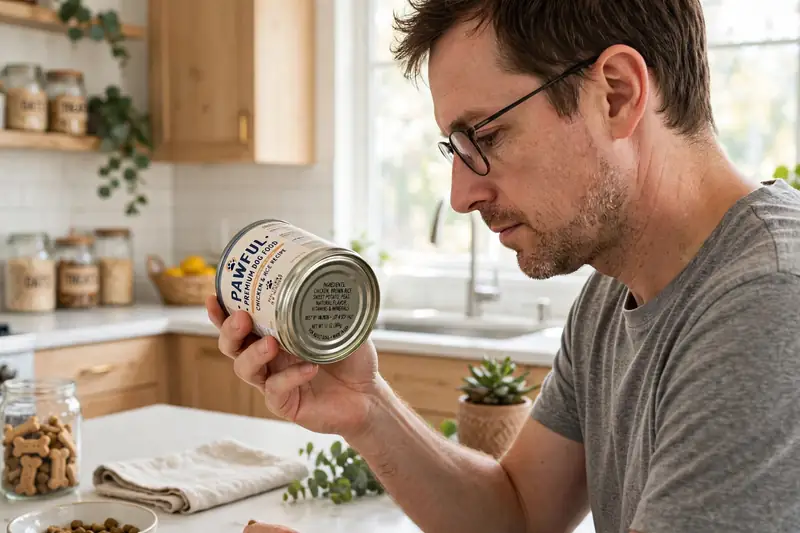
Lot codes that look similar at a glance can differ by one character, and one character is the difference between recalled and safe. If smudging obscures the printing or it is partially illegible, treat the can as suspect and call the consumer care line rather than guessing.
This habit generalizes. Every pet food recall names lots, not just products, and the lot code is always on the package: bottom of cans, back of bags near the seal, side of tubs. Learning where your brand prints it takes thirty seconds and pays off every time a recall notice appears.
What to do if you bought the recalled cans
Stop feeding them immediately. Do not pick through the food looking for fragments. Metal and plastic pieces can be small enough to hide in the food, and the risk is not worth the price of a can. Contact the company for a replacement and keep your proof of purchase.
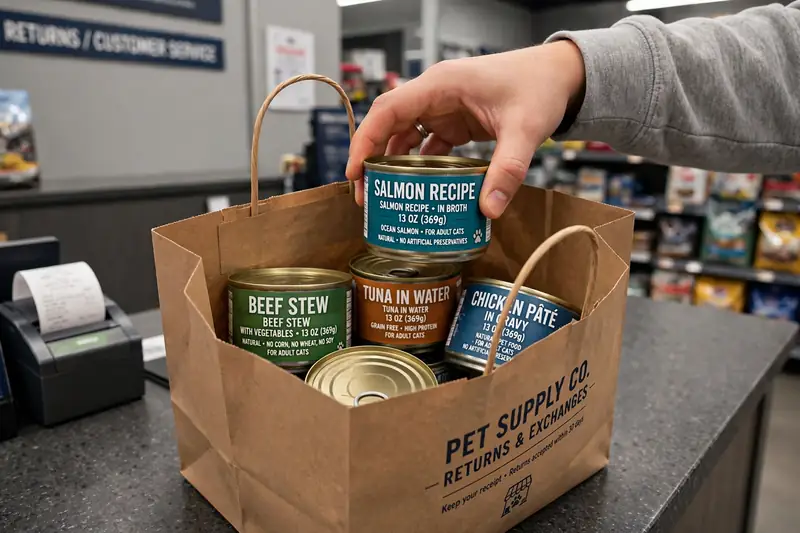
Contact Pedigree Consumer Care at 1-800-525-5273 to arrange a replacement or refund, and keep your lot photo and receipt. Return the cans to the retailer if that is easier. Do not donate them to a shelter. A recalled can is no safer in a shelter bowl than in yours.
If your dog already ate from a recalled can, watch closely and read the next section. Save one unopened can from the lot if you have it, sealed and labeled, in case testing is ever needed. Wash the bowl the food was served in, and wash your hands after handling the cans.
Signs your dog swallowed metal or plastic
Sharp foreign material injures on the way down and on the way through. Watch for drooling, pawing at the mouth, gagging, or refusal to eat, which suggest mouth or throat injury. Vomiting, especially repeated vomiting or vomit with blood, points to stomach or esophageal damage.

Abdominal pain, a swollen or tender belly, lethargy, and loss of appetite can signal deeper trouble. Bloody diarrhea in dogs after eating canned food from a recalled lot is an emergency, not a wait-and-see. Intestinal blockage from swallowed material brings vomiting that will not stop, no stool production, and a painful abdomen.
Do not induce vomiting at home. With sharp objects, bringing the material back up can cause worse injury than letting it pass, and the decision belongs to a vet with an x-ray. Call your vet immediately with the lot code in hand, and mention the recall by name. The vet needs to know what the dog may have swallowed before deciding on imaging or surgery.
Is the rest of Pedigree’s food safe
According to Mars, yes. The company stated plainly that no other Pedigree or Mars Petcare US products fall inside this recall. The two lots form a contained problem with a contained cause: product that should have gone to destruction reached shelves instead.

That statement deserves the usual scrutiny any company statement gets. But the mechanics support it. Mars identified the contamination before the lots shipped normally, segregated the lots for destruction, and the recall names exact codes. There is no production-line defect described that would implicate other lots.
If the recall still shakes your confidence, that is a reasonable reaction to a fraud story. Use it productively: check lots on every bag and can you buy, keep receipts for a month, and know where your brand prints its codes.
Owners comparing options can look at guides like best dog food for small dogs or consider homemade dog food recipes formulated with a veterinary nutritionist. Switching foods is fine. Panic-switching without a plan is how dogs end up with stomach trouble from an abrupt change.
How to check any dog food recall on the FDA site
The FDA publishes every animal food recall notice with the product, the exact lots, the dates, and the company’s contact information. When a recall breaks in the news, go to the notice itself rather than relying on headlines. Headlines summarize. The notice specifies, and that precision protects your dog.

Search the FDA’s recall listings for the brand name and read the company announcement attached to the notice. Confirm three things: the exact product and size, the lot codes, and the date range. Then check your own packages against all three. A match on product name alone is not enough, as this Pedigree recall shows: same flavor, same size, but only two codes.
Set a rhythm for checking. Recall notices do not arrive on a schedule, but a quick search whenever you open a new bag or case costs nothing. For households that cook, the human foods dogs can eat list is worth the same periodic review, since guidance on foods changes over time too.
When to call the vet about the Pedigree recall
Call your vet immediately if your dog ate from a recalled can and shows any symptom: drooling, gagging, vomiting, blood in vomit or stool, belly pain, lethargy, or refusal to eat. Bring the lot code and, if possible, the can. Time matters with sharp foreign material, and the vet will likely want imaging.

Call even without symptoms if your dog ate a full can from a recalled lot. The vet may recommend monitoring at home with specific instructions, or may want to see the dog based on the amount eaten and the dog’s size. A large dog that ate a spoonful is a different case from a small dog that ate the whole can.
For questions about refunds, replacements, or whether your can is included, the company’s consumer care line is the right call, not the vet. And if your dog becomes ill from any pet food, the FDA’s guide to reporting a pet food complaint explains how to file a report. The FDA’s animal food program depends on owner reports to spot the next problem, and the FDA’s advice on reporting pet product problems covers where each complaint type goes.
Frequently asked questions about the Pedigree recall
Owners usually ask about scope, refunds, and the brand’s history. The answers below cover the repeat questions.
Which Pedigree products are recalled
Only two lots of PEDIGREE Can High Protein Chopped Chicken and Duck Flavor in 13.2-ounce cans, lot codes 613C3KKCFC and 613C1KKCFC. The recall includes no other Pedigree product.
Where is the lot code on the can
On the bottom of the can, printed or embossed near the best-by date. Read it in good light and compare every character against the two recalled codes.
Can I get a refund or replacement
Yes. Contact Pedigree Consumer Care at 1-800-525-5273 or return the cans to the retailer. Keep your lot photo and receipt to make the process smooth.
Has Pedigree been recalled before
Yes. Public records show recalls in May 2024 (metal fragments in dry food bags), August 2014 (metal fragments), June 2012 (plastic pieces in cans), and September 2008 (potential Salmonella). The July recall is the latest.
Is Pedigree safe to buy now
Mars states that no other Pedigree products are affected, and the recall names only the two diverted lots. Whether you keep buying the brand is your call. Checking lot codes on every purchase is a good habit regardless of brand.
My dog chews bones. Is that related to this recall
Not directly, but the foreign-material angle makes it worth saying: bones for dogs carry their own splintering and blockage risks, and gastroenteritis in dogs can follow dietary indiscretions of many kinds. Keep chew choices vet-approved.
Recalls with a fraud backstory feel different from factory accidents, but the owner checklist is the same: check the lot, stop feeding on a match, call for a refund, watch the dog. The disposal vendor was supposed to destroy the cans. Since that did not happen, the lot codes on the bottom of the can are doing the job the disposal chain failed to do.
Disclaimer: This article is for general information only and is not veterinary advice. Recall details come from the FDA notice linked above; check the notice itself for the latest information. If your dog ate a recalled product or shows symptoms, contact your veterinarian promptly.


1 thought on “Pedigree Dog Food Recall: Lots, History, and What to Do”