
A nectarine lands in your fruit bowl in summer, your dog’s nose twitches, and the question follows: can my dog eat nectarines? **Dogs can eat nectarine flesh once the pit is out, in small amounts, as an occasional treat.** The flesh brings water, fiber, and vitamins A and C. The pit is the part that matters: it can choke a dog, block the intestine, or crack a tooth, and the kernel inside holds compounds that release cyanide when chewed. PetMD’s guide to nectarines for dogs gives the same verdict: flesh yes, pit never. The rest of this guide covers the pit danger in detail, safe portions by size, and the canned and dried versions to skip.

Can dogs eat nectarines?
**Dogs can eat the flesh of a ripe nectarine as long as the pit is removed and the portion stays small.** One or two thin slices suit a small dog; a few pieces suit a large dog. The flesh is not toxic. The sugar and fiber in a whole nectarine can loosen stool, so the fruit works as a now-and-then treat, never a regular serving.

Nectarines sit in the same family as peaches, plums, cherries, and apricots, and AKC’s list of fruits dogs can and cannot eat treats stone fruits as a group: the flesh is fine, the stones are not. Your dog’s complete food already supplies every nutrient it needs, so nectarines are a sweet, hydrating extra, not nutrition. If you share fruit often, the list of human foods dogs can eat is a useful bookmark.
First-time fruit eaters deserve a small test. Offer one small cube and watch the day. Some dogs get gassy or produce soft stool from any new fruit, and that tells you the portion ceiling for your dog. A dog that has never had nectarine gets one piece, not a slice.
The nectarine pit is the real problem
**The pit is dangerous for three separate reasons: choking, intestinal blockage, and cyanide.** A nectarine pit is large, smooth, and hard. A small dog that gulps one can choke on the spot. A pit that travels further can lodge in the intestine, and an intestinal blockage is a surgical emergency that runs into the thousands of dollars and risks the dog’s life.
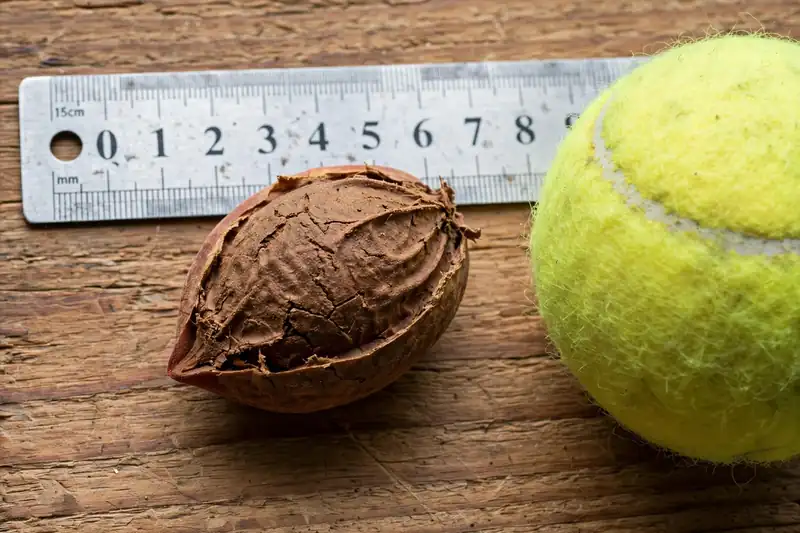
The chemical risk sits inside the pit. The kernel holds amygdalin, a cyanogenic compound that converts to hydrogen cyanide when chewed and digested. A dog would need to chew several pits to reach a dangerous dose, and a swallowed whole pit usually passes without releasing much cyanide at all. The nuance people skip: the blockage risk outranks the poison risk. Owners fixate on cyanide because it sounds scary, while the far more common emergency is the smooth pit wedged in the gut. One emergency vet visit for an obstruction costs more than a year of dog treats.
Teeth take damage too. A medium dog that crunches a nectarine pit can crack a molar, and a cracked tooth means extraction or a root canal. Never leave whole nectarines on a low table or in an open fruit bowl. Dogs counter-surf with talent, and a pit in the trash is just as reachable. Empty the pit into a sealed bin.
What happens if your dog swallows a nectarine pit
**A swallowed pit needs watching and often a vet call, even if the dog seems fine.** The first 24 to 48 hours tell the story. Watch for vomiting, loss of appetite, drooling, belly tenderness, straining to pass stool, or no stool at all. Any of these signs mean the pit may be stuck, and a stuck pit is a reason to go to the vet the same day, not tomorrow.

Call your vet right away and describe the dog’s size and when the pit went down. Vets often advise monitoring a large dog that swallowed one pit whole, because a big gut can pass it. A pit that cracks open in the mouth is a different matter, since the kernel’s cyanide compounds become available. Bright red gums, rapid breathing, and collapse mean an emergency clinic, not a phone wait.
Do not induce vomiting at home. A hard pit can wedge in the throat on the way back, so the vet decides whether emesis is appropriate. If the pit passes, check stools for a day or two to confirm it is out.
How to prep nectarines for your dog
**Wash the fruit, cut it open, remove the pit, and slice the flesh into small cubes.** Rinse under running water to clear surface pesticides and handling residue. Cut around the pit, twist the halves apart, and lift the stone out. Then dice the flesh into pieces sized for the dog: pea-size cubes for small dogs, thumbnail-size for big ones. Serve fresh at room temperature.

Ripe fruit only. An underripe nectarine is hard and sour, and dogs tend to reject it. An overripe one ferments fast, and the alcohol in fermenting fruit upsets stomachs. Pick fruit that gives slightly to thumb pressure and smells sweet at the stem end. Peel or no peel? The skin is not toxic. A washed skin is fine for most dogs. Some owners peel it because the fuzzy skin can irritate a sensitive stomach, and peeling is reasonable if your dog has shown any digestive fussiness.
Prep the dog’s portion first, before the family servings. That keeps the pit off the counter and sugar out of the dog’s bowl. Cut leftovers keep in a sealed container in the fridge for two to three days. Discard pieces that smell fermented or look slimy.
How much nectarine fits in a treat budget
**Treats, nectarines included, should stay under 10 percent of daily calories.** A medium nectarine carries roughly 60 calories, mostly sugar. For a 20 lb dog eating about 400 calories a day, the treat budget is 40 calories, so a quarter of a nectarine is the sensible ceiling. PetMD’s portion chart puts it in tablespoons: up to one teaspoon for extra-small dogs, up to two teaspoons for small dogs, one tablespoon for medium dogs, two tablespoons for large dogs, and three tablespoons for extra-large dogs.

| Dog size | Safe amount | Frequency |
|---|---|---|
| Extra-small (under 20 lbs) | Up to 1 teaspoon, diced | A few times a week at most |
| Small (21 to 30 lbs) | Up to 2 teaspoons, diced | A few times a week at most |
| Medium (31 to 50 lbs) | Up to 1 tablespoon, diced | A few times a week at most |
| Large (51 to 90 lbs) | Up to 2 tablespoons, diced | A few times a week at most |
| Extra-large (91+ lbs) | Up to 3 tablespoons, diced | A few times a week at most |
The fiber in fruit helps digestion in small doses and causes it in large ones. Fiber in a dog’s diet works best from the regular food, and fruit fiber on top can tip a sensitive stomach into diarrhea. Start below the chart on the first try. VCA’s feeding guidelines hold the same 10 percent line for all treats.
Canned, dried, and flavored nectarine products
**Skip canned nectarines, dried nectarines, and nectarine-flavored sweets.** Canned nectarines swim in heavy syrup, and the sugar load per spoonful dwarfs anything in fresh fruit. Sugar-free canned versions swap one problem for another: some are sweetened with xylitol, and xylitol is lethally toxic to dogs. Dried nectarines concentrate the sugar further, and a few dried slices can carry more sugar than half a fresh nectarine.

Nectarine pie, nectarine jam, and nectarine-flavored candy belong on the same no list. Jam adds sugar and sometimes xylitol. Pie filling adds butter, sugar, and spice blends that may hide nutmeg, which is toxic to dogs in quantity. ASPCA’s list of people foods to avoid names xylitol and chocolate among the items that never belong in a dog’s bowl, and both show up in fruit desserts. If a label lists anything ending in “itol” or “birch sugar,” treat the product as an emergency risk, not a treat question. Fresh flesh or nothing.
Nectarine leaves, stems, and backyard trees
**Nectarine leaves and stems carry the same cyanide compounds as the pit, and rotting windfall fruit adds mold and alcohol risks.** Dogs that chew fallen leaves or strip bark from a backyard nectarine tree ingest cyanogenic glycosides in meaningful amounts. A tree in the yard deserves a fence or supervision during fruit season.

Windfall fruit is the part most owners miss. A nectarine that has sat on the grass for days ferments. Fermenting fruit contains alcohol, and alcohol depresses a dog’s nervous system the same way it does a person’s. Moldy fruit can carry tremorgenic mycotoxins, which cause shaking and incoordination. Sweep fallen fruit before the dog finds it, and keep the dog leashed near the tree until the drop season ends. A dog that eats rotting fruit and turns wobbly or shaky needs a vet call the same day.
Pruned branches release the same glycosides as the leaves when chewed. Bag prunings immediately and keep the dog inside during yard cleanup.
Sugar, diabetes, and sensitive stomachs
**Dogs with diabetes, obesity, or chronic stomach trouble should skip nectarines.** The natural sugar in fruit raises blood sugar, and a diabetic dog on insulin has no margin for unplanned sugar. An overweight dog gains nothing from fruit sugar that a low-calorie vegetable would not provide better. Puppies can have a tiny slice, but their calories should come from balanced puppy food, not fruit.

Healthy dogs still have a limit. Too much fruit sugar at once causes gas or soft stool, and a dog that fills up on fruit eats less of its balanced food. Dogs on prescription diets need a vet’s word first, since those diets control exact nutrient ratios. Mango brings a similar sugar profile, so a dog that handles one stone fruit badly will likely handle the others the same way.
Nectarines vs peaches, plums, apricots, and cherries
**Nectarines, peaches, plums, apricots, and cherries share one rule: flesh yes, stone never.** Nutritionally they differ little for a dog. Peaches run slightly larger and their pits are bigger blockers. Plums and apricots have smaller pits that small dogs can still choke on. Cherries carry the same stone-fruit warning, with the added twist that a cherry pit is small enough for a dog to swallow without noticing.

Variety across stone fruits buys nothing nutritionally, so pick one and stay consistent. Rotating between nectarines and peaches only multiplies the prep work and the pit risk. A simpler rotation pairs one stone fruit with a non-stone option like apples or bananas.
When to call the vet
**Call the vet if your dog swallows a pit, chews leaves or branches, eats rotting fruit, or shows repeated vomiting or diarrhea after eating nectarine.** A single small serving of plain flesh in a healthy dog needs no call. Anything involving the pit, the tree, or symptoms does.

Time matters with blockages. Early imaging can catch a lodged pit before surgery becomes the only option. For mild stomach upset after a first taste of flesh, a bland diet for a day or two usually settles things. Keep your vet’s number and the ASPCA poison control number saved in your phone.
Frequently asked questions about dogs and nectarines
Owners usually ask about puppies, the skin, canned fruit, and the swallowed pit. The answers below cover the questions that come up most often.
Can puppies eat nectarines?
A tiny piece of pitted flesh will not harm a puppy, but puppies under six months do best on their complete puppy food alone. Offer one small cube at most, and only if the puppy is already eating solid food well. Watch for soft stool afterward.
Can dogs eat nectarine skin?
Washed nectarine skin is not toxic. The skin carries surface pesticides, so rinse the fruit first. If your dog has a sensitive stomach, peel it.
Can dogs eat canned nectarines in juice or syrup?
Canned nectarines sit in sugary syrup with far more sugar than fresh fruit. Sugar-free versions may contain xylitol, which is toxic to dogs. Fresh pitted nectarine is the only version worth sharing.
Are nectarines better than peaches for dogs?
Neither is better. Nectarines and peaches have nearly identical nutrition and identical rules: flesh yes, pit never. Choose whichever is ripe and fresh, and apply the same portions.
My dog ate a nectarine pit. Will he be OK?
A large dog that swallowed one pit whole often passes it, but a blockage can develop over 24 to 48 hours. Call your vet, describe the dog’s size, and watch for vomiting, appetite loss, or straining.
Can dogs drink nectarine juice?
Juice strips the fiber and concentrates the sugar, so it delivers the worst part of the fruit without the good part. Store-bought juice may also contain xylitol. Water remains the right drink.
Nectarines earn a cautious yes. Pit the fruit, keep the portion small, and save them for an occasional summer treat. The pit, the canned versions, and the backyard tree are where the real trouble lives, and all three are easy to manage once you know the rules.
Disclaimer: This article is for general information only and is not veterinary advice. Every dog is different, and dogs with health conditions, puppies, and nursing dogs may need different guidance. If you are unsure, or if your dog shows symptoms after eating nectarines, contact your veterinarian.


