

Yes, can dogs eat broccoli? The short answer is yes, but only in genuinely small amounts, served plain, and only as an occasional treat. Broccoli carries a compound that irritates dogs’ stomachs in quantity, and there is a firm line between a safe nibble and too much. This guide draws that line exactly.
Why small amounts only
The issue is a natural compound called isothiocyanate, found in the florets, the bushy green heads. In people it is linked to health benefits. In dogs, it can cause gastric irritation: cramping, gas, and diarrhoea when too much is eaten.
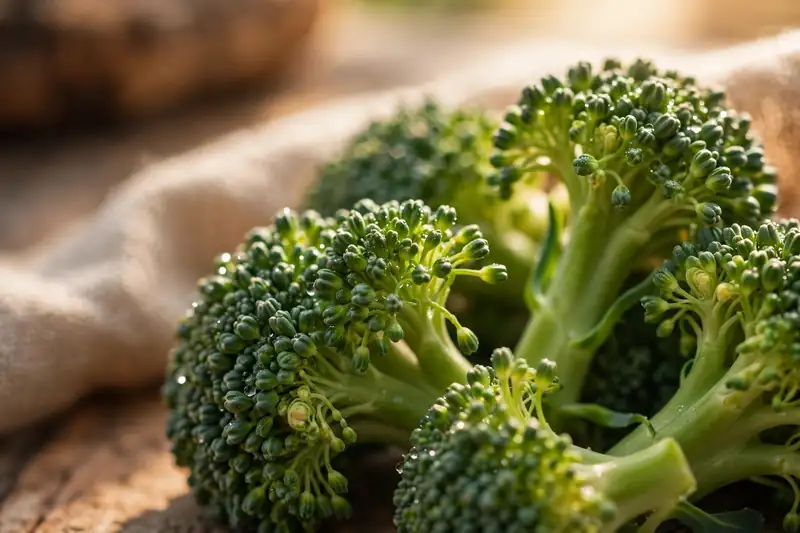
The American Kennel Club‘s chief veterinary officer, Dr. Jerry Klein, gives the numbers plainly: broccoli is considered safe in dogs if the total amount ingested is less than 10% of their daily intake, while more than 25% is considered toxic. That upper number is a real limit, not a suggestion. The AKC also notes that broccoli is high in fiber and vitamin C and low in fat, the vegetable itself is nutritious; the dose is what decides whether it stays a treat or becomes a problem.
Raw or cooked, which is better?
Both are fine, as long as it is plain. Dogs can eat broccoli raw or cooked, with no seasonings or oils added. Lightly steamed is the gentler option: it softens the florets a little and makes them easier to digest, which suits dogs with sensitive stomachs.

What matters far more than raw versus cooked is what goes on it. Butter, oil, salt, garlic, and onion are all common additions when humans cook broccoli, and garlic and onion are genuinely toxic to dogs. If you are sharing from your own plate, only share the pieces that were cooked with nothing added.
The stalk problem
Here is the part most owners miss. The thick, tough stalks are lower in isothiocyanates than the florets, but they carry a different risk: the AKC warns that broccoli stalks can cause esophageal obstruction, especially in small dogs. A chunk of stalk swallowed whole can lodge on the way down.
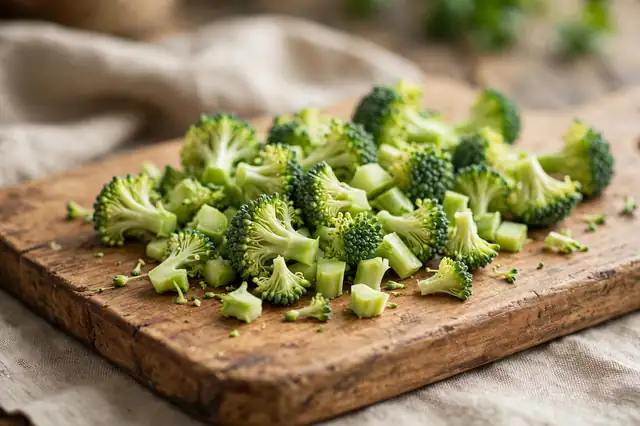
The fix is simple, cut everything into bite-size pieces suited to your dog’s size, and cut stalks into small chunks rather than rounds. Stay nearby while your dog eats the first few times, particularly with a small breed or a dog that gulps food.
How much is safe
The 10% treat rule covers all extras, broccoli included: treats of every kind should stay within about 10% of your dog’s daily calories, with the rest coming from balanced dog food.
As a rough guide for plain broccoli pieces:

- Small dogs: one small floret piece.
- Medium dogs: one or two small florets.
- Large dogs: two or three small florets, or a small handful of pieces.
Broccoli is an occasional snack, not a daily vegetable course. When you offer it for the first time, start with one small piece and watch how your dog reacts over the next day before offering more. Some dogs are simply more sensitive to it than others.
How to serve it safely
- Wash it well to remove dirt and pesticide residue.
- Cut florets into small, bite-size pieces, and chop stalks into small chunks, never rounds.
- Serve it plain. Raw, or lightly steamed with nothing added. No butter, oil, salt, or seasoning.
- Keep it occasional. A few times a week at most, inside the 10% treat allowance.

Frozen broccoli pieces, thawed, work the same way as fresh, just as plain, just as small.
Signs of too much
Too much broccoli usually announces itself through the gut: gas, bloating, loose stools, or vomiting. A dog that has overdone it may also go off food or seem uncomfortable and restless.
Mild gas after a first taste often settles on its own, but stop offering broccoli and call your veterinarian if you see repeated vomiting, diarrhoea that does not ease, blood in vomit or stool, or a dog that becomes lethargic. Note down roughly how much was eaten and your dog’s weight before you call, both help the vet judge the risk. In the US, the ASPCA Animal Poison Control Center (888-426-4435) is another line of help.
Dogs who should skip broccoli
Most healthy adult dogs can handle a floret or two, but a few should sit this one out. Dogs with sensitive stomachs or chronic digestive problems are the most likely to react badly to the isothiocyanates. Very small breeds face the highest choking risk from stalks, so be extra strict about piece size, or skip it. And if your dog is on a prescription diet, check with your vet first, since many such diets leave no room for extras.
The honest summary: broccoli is a nutritious vegetable, fiber, vitamin C, low fat, that works as an occasional dog treat only when the portion stays small and the preparation stays plain. Your dog does not need it, and if the portion control feels fiddly, skipping it costs your dog nothing. If you do share, share small, plain, and stalk-safe.
For the same plain-only, small-portion thinking across the foods dogs meet most often, see our wider guide to what human food dogs can eat. And if you are working through vegetable guides one by one, our tomato guide covers a similar small-portion rule for another garden vegetable.
Frequently Asked Questions
Can dogs eat broccoli every day?
No. Broccoli should be an occasional treat only, kept within the 10% treat allowance. Daily feeding raises the risk of the gastric irritation the isothiocyanates cause, for no benefit your dog cannot get from their regular food.
Can dogs eat broccoli stalks?
Only in small, chopped pieces. The stalks are lower in isothiocyanates than the florets, but whole or large pieces can cause choking or esophageal obstruction, especially in small dogs. Cut stalks into small chunks, never serve them whole.
Is raw broccoli or cooked broccoli better for dogs?
Both are safe in small amounts when plain. Lightly steamed is gentler on digestion; raw keeps the crunch. Never serve broccoli cooked with butter, oil, salt, garlic, or onion.
How much broccoli is toxic to dogs?
The AKC’s chief veterinarian puts the line at 25% of daily intake, above that, broccoli is considered toxic. In practice, stay far below it: keep broccoli under 10% of daily food, which for most dogs means a floret or two.
My dog ate a lot of broccoli, what should I do?
Watch for gas, vomiting, diarrhoea, or loss of appetite over the next day. Mild signs often settle, but call your vet if vomiting repeats, diarrhoea persists, or your dog becomes lethargic, and note how much was eaten and your dog’s weight before you call.
This article is general information only and is not a substitute for veterinary advice. If your dog has a health condition, is on a prescription diet, or you are unsure about any food, check with your veterinarian first.



8 thoughts on “Can Dogs Eat Broccoli? The Small-Portion Rule Explained”