One tablespoon of soy sauce carries about 900 milligrams of sodium. That single spoonful holds more than four times a 33-pound dog’s daily sodium. Dogs do not need soy sauce in any amount, and the only real question is how much trouble a stolen taste causes. A quick lick off a plate rarely leads to more than thirst. Anything beyond that deserves your full attention.

Can dogs eat soy sauce?
No, dogs should not eat soy sauce. A single tablespoon carries about 900 milligrams of sodium, which is more than four times the daily sodium a 33-pound dog needs. A small lick off a plate rarely causes harm, but anything beyond a taste can trigger vomiting, extreme thirst, and in larger amounts, dangerous salt poisoning.
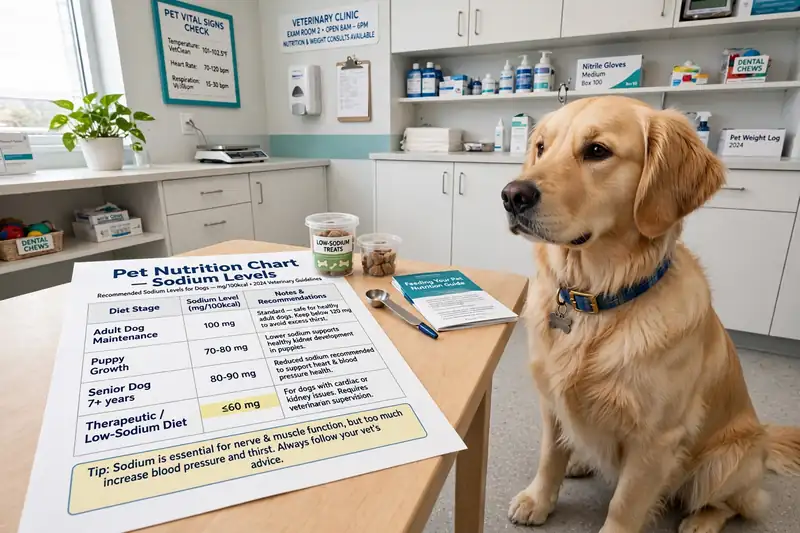
The problem is concentration, not the soy itself. Soy sauce is fermented soybeans, wheat, salt, and water, and the salt does all the damage. A dog’s complete food already contains the sodium it needs, so soy sauce adds risk with zero benefit. The human foods dogs can eat list is short for a reason, and heavily salted condiments never make it.
Human kidneys shrug off salty restaurant meals. A dog’s smaller body and lower tolerance mean the same splash hits far harder, which is why a sauce that seems harmless on your stir fry can send a small dog to the emergency clinic.
How excess sodium harms a dog’s body
Sodium pulls water with it wherever it goes, and that simple fact drives every symptom of salt poisoning. When a dog swallows a large dose of salt, sodium floods the bloodstream. Water follows the sodium out of the body’s cells to balance the concentration, and the cells start to shrink.
Brain cells are the most vulnerable, and their shrinkage triggers the neurological signs that make salt poisoning so dangerous.

The gut reacts first. Vomiting and diarrhea often start within an hour or two as the body tries to expel the salt. Then comes extreme thirst and frequent urination as the kidneys work overtime.
In severe cases the signs turn neurological. Muscle tremors, a wobbly walk, disorientation, and seizures signal sodium reaching the brain. Brain swelling can follow, and it can kill.
Water access changes everything. Salt poisoning is really a problem of salt plus too little water, and a dog that drinks freely can flush surprising amounts of excess sodium through urine. The dangerous scenario is a big salty meal with no water nearby, which is exactly what happens when a dog raids a takeout bag while the owner is out.
Here is the complicating fact that rarely gets mentioned. Sodium is not a poison to dogs in normal amounts. Dog food must contain a minimum level of sodium for health, and a dog deprived of salt develops its own problems, from nausea to muscle weakness. The dose decides. Soy sauce is dangerous because it delivers a day’s worth of sodium, and then some, in a single careless gulp.
How much soy sauce turns dangerous
Toxicologists measure salt danger in grams of sodium chloride per kilogram of body weight. Signs of salt poisoning can begin at 2 to 3 grams per kilogram, and doses around 4 grams per kilogram can be fatal. One tablespoon of soy sauce holds roughly 900 milligrams of sodium, which equals about 2.3 grams of table salt.
The Merck Veterinary Manual’s guide to salt poisoning explains how excess salt without enough water drives sodium to dangerous levels. The math below translates those figures into spoonfuls.

| Dog size | Weight | Rough amount reaching 2 g/kg |
|---|---|---|
| Extra small (under 10 lbs) | under 4.5 kg | about 4 tablespoons |
| Small (10 to 25 lbs) | 4.5 to 11 kg | about 4 to 10 tablespoons |
| Medium (25 to 60 lbs) | 11 to 27 kg | about 10 to 24 tablespoons |
| Large (over 60 lbs) | over 27 kg | about 24 tablespoons or more |
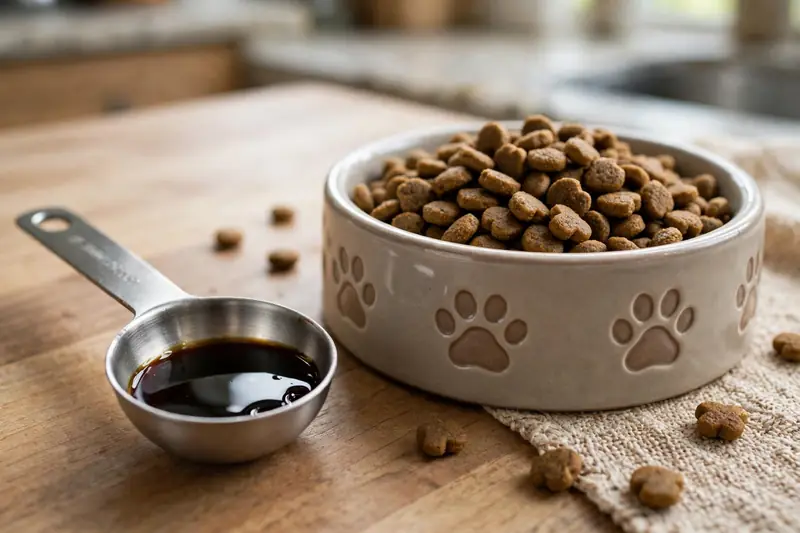
Two caveats. Vomiting and diarrhea can start well below the poisoning threshold, and the threshold drops for puppies, seniors, and dogs with kidney or heart disease. A teaspoon per 10 to 20 pounds of body weight is the practical line many vets use: below it, offer water and watch; above it, call the vet.
Soy sauce strength also varies by brand. Some run closer to 700 milligrams of sodium per tablespoon, others top 1,000. The table uses the common 900-milligram figure, so treat it as an estimate. When the amount is uncertain, call rather than calculate.
Signs of salt poisoning to watch for
Salt poisoning announces itself in stages, and the early ones are easy to dismiss. Vomiting is usually first, sometimes within minutes of the salty meal. Diarrhea often follows. The dog may drink water obsessively and ask to go out far more than usual. Appetite drops.
None of this proves poisoning on its own, since a rich stolen meal causes similar signs, but after soy sauce they deserve a closer watch.

The signs that should move you from watching to calling are the neurological ones. Muscle tremors, stumbling, a dazed or glassy expression, and extreme tiredness all point to sodium climbing into dangerous territory. Seizures are an emergency, full stop. These signs can develop within a few hours of a large ingestion, though milder cases may take longer to show.
Do not try to fix this at home with home remedies. Do not force your dog to drink huge amounts of water at once, and never attempt to induce vomiting in dogs unless your veterinarian specifically tells you to. Inducing vomiting after salt ingestion can make electrolyte swings worse. Keep fresh water available, keep the dog calm and still, and let the vet direct the next steps.
Puffiness around the face or paws after a salty incident is uncommon but urgent. It means fluid shifts have already thrown the body’s water balance badly off track.
What else sits in the bottle besides salt
Soy sauce is not pure salt water. Traditional brewing ferments soybeans and wheat with salt and a mold culture for months, creating the deep flavor people love. The wheat matters only for the rare dog with a grain sensitivity. Fermentation also produces traces of alcohol, far too little to matter unless a dog drinks the bottle.

Some commercial brands add extras worth knowing about. A few include garlic or onion in seasoned varieties, and both belong on the never list: garlic is toxic to dogs and onions are toxic to dogs because they damage red blood cells. The ASPCA’s list of people foods to avoid feeding pets names both among the items that never belong in a dog’s bowl. Check the label on flavored or “gourmet” styles rather than plain brewed soy sauce. Monosodium glutamate shows up in some cheaper brands too, adding even more sodium under a different name.
Some owners assume brewing makes soy sauce safer, the way fermentation helps yogurt digestion. It does not. Fermentation builds the flavor, but it does nothing to reduce the sodium. A traditionally brewed bottle runs just as salty as a chemically produced one. The craft label describes taste, not safety.
Low-sodium soy sauce, tamari, and coconut aminos
Low-sodium soy sauce sounds like the answer, and it is not. A low-sodium version still carries roughly 500 to 600 milligrams of sodium per tablespoon. That is less than regular, but it remains several times a small dog’s daily need in one spoonful.
A low-sodium label still leaves a salty product no dog needs. The number drops from about 900 to around 500 milligrams per tablespoon, which remains far beyond any dog’s daily budget.
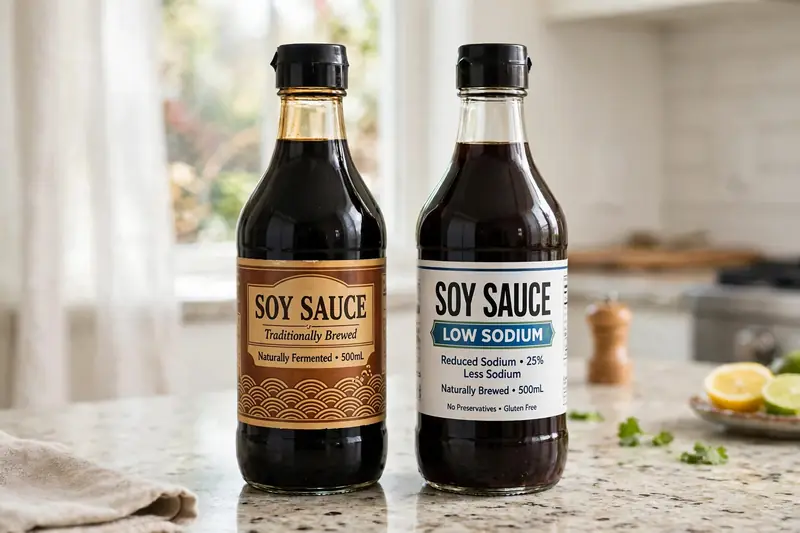
Tamari earns a specific warning because health-conscious owners assume it is gentler. This Japanese-style soy sauce, often wheat-free, carries a sodium load in the same neighborhood as regular. Gluten-free does not mean dog-safe. Coconut aminos contain about 90 milligrams of sodium per teaspoon, lower but still a concentrated salty seasoning with added sugars. None of these belong in a dog’s bowl.
Human health foods are formulated for human bodies. A product marketed as cleaner or more natural can still carry a sodium punch that overwhelms a 20-pound dog. Read the nutrition panel with your dog’s weight in mind and the answer is usually obvious.
What to do if your dog gets into soy sauce
First, figure out how much disappeared. Check the bottle level, look for spills, and estimate in teaspoons or tablespoons. Note your dog’s weight and the time of the incident. Vets need those three facts to judge risk, and callers who have them get faster advice.

For a lick or a small taste, the protocol is simple. Offer fresh water, keep the bowl full, and watch for vomiting or unusual thirst over the next several hours. Most dogs sail through a minor taste with nothing worse than a long drink. Skip the next treat to keep the day’s sodium reasonable, and move on.
For anything more than a taste, call your veterinarian or an animal poison control line right away. The Pet Poison Helpline’s page on salt ingestion is a solid reference for what vets need to know about the exposure. Do not wait for symptoms. Salt poisoning is one of the poisonings where early treatment changes the outcome dramatically, because vets can correct sodium levels gradually with controlled IV fluids. Trying to dilute the salt at home by pushing water can backfire: rapid shifts in sodium are what injure the brain, so correction has to be slow and measured.
Save the bottle or a photo of its label. Brands vary in sodium, and some add garlic or onion flavoring that changes the treatment plan. Reading the label over the phone saves the vet from guessing.
Safer ways to add flavor to your dog’s meals
Seasoning exists for human taste buds. Owners who cook for their dogs still want a safe flavor boost, and low-sodium bone broth, simmered from plain bones with no onion or garlic, adds aroma dogs love with a fraction of the sodium.
A spoonful of plain pumpkin puree brings fiber and a mild sweetness most dogs accept instantly. Both beat soy sauce by every measure that matters.
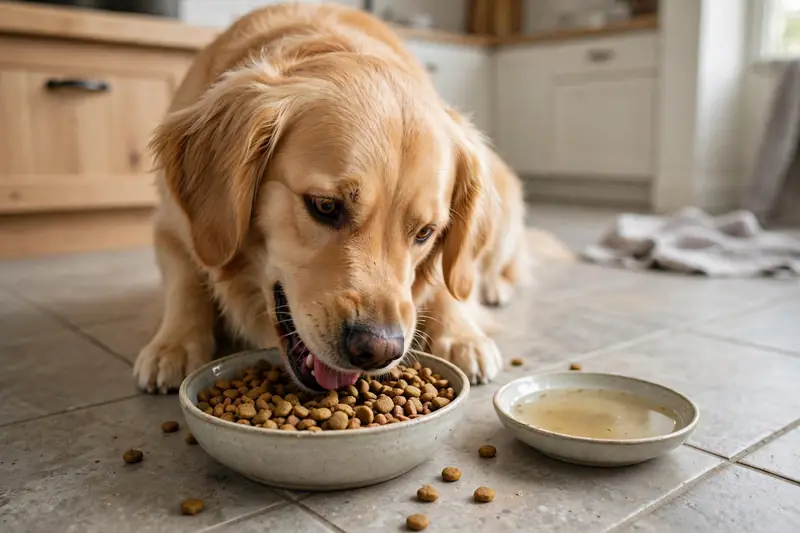
For dogs that turn up their noses at plain kibble, warm water works better than people expect. A little warm water over dry food releases the food’s own aroma, and most picky eaters respond to smell first. A sprinkle of a dog-safe herb like parsley adds scent without sodium. These tricks flavor the meal through the dog’s nose, which is where most of the eating experience happens anyway.
Dogs carry around 1,700 taste buds against our 9,000, and they experience food mostly through smell. The VCA’s general feeding guidelines put treats and extras at about 10 percent of daily calories, which keeps even safe flavor additions from unbalancing the diet. They care about smell and texture far more than complex seasoning. The elaborate sauce that makes your dinner sing registers with your dog mostly as salty and wet. Simple, aromatic additions satisfy them completely.
Puppies, seniors, and dogs with health conditions
Puppies deserve extra caution. Their kidneys are still maturing, so they clear excess sodium slowly, and their tiny weight turns a teaspoon into a large dose per kilogram. A puppy that laps up spilled soy sauce needs watching even when an adult dog would shrug it off.

Senior dogs carry their own risks. Aging kidneys filter less efficiently, and heart or blood pressure medications can interact badly with sodium spikes. A senior on a vet-prescribed low-sodium diet should have zero soy sauce exposure, not even a lick.
Dogs with kidney disease, heart disease, or high blood pressure sit in the highest risk group. Even small amounts can trigger a crisis a healthy dog would absorb without notice. Store the bottle high, clean spills immediately, and warn dinner guests. The bland diet your vet recommends after stomach upsets works precisely because plain, low-sodium food lets stressed organs recover.
Frequently asked questions about soy sauce and dogs
Owners ask about licks, low-sodium versions, cooking with soy sauce, and what counts as a real emergency. The six answers below cover the questions that come up most often after a soy sauce scare, with practical guidance for each one.
Can dogs have a small lick of soy sauce?
A single lick off a plate or a chopstick is unlikely to harm a healthy adult dog. Offer water and watch for unusual thirst or vomiting over the next few hours. Repeated licks are a different story, since the sodium adds up fast.
Is low-sodium soy sauce safe for dogs?
Low-sodium versions are no safer for dogs. A tablespoon still carries around 500 to 600 milligrams of sodium, far beyond what any dog needs. The lower number helps people watching blood pressure, not dogs with tiny sodium budgets.
What if my dog ate food cooked with soy sauce?
Estimate the sauce in the portion. A stir fry made with a tablespoon of soy sauce split across four servings gives each serving a small fraction. Watch for vomiting and heavy thirst, and call your vet if the portion was heavily sauced or your dog is very small.
Can soy sauce kill a dog?
In large enough amounts, yes. Salt poisoning turns fatal when sodium climbs high enough to cause brain swelling and seizures. Several tablespoons can do it in a small dog, and spills make that possible.
Should I make my dog vomit after eating soy sauce?
Only if your veterinarian tells you to. Vomiting rarely removes enough salt to help, and it can worsen dehydration. Call first and follow professional advice.
Are there any dog-safe soy sauce alternatives?
No commercial soy sauce is formulated for dogs. For flavor, use low-sodium bone broth made without onion or garlic, plain pumpkin puree, or warm water over kibble. If your dog seems dehydrated after a salty incident, ask your vet about electrolytes for dogs rather than improvising.
Soy sauce stays off the menu. The sodium load is simply too high for a dog’s body, and nothing in the bottle earns back the risk. Keep it on a high shelf, clean spills fast, and flavor your dog’s food with broth or pumpkin instead.
Disclaimer: This article is for general information only and is not veterinary advice. Every dog is different, and dogs with health conditions, puppies, and nursing dogs may need different guidance. If your dog shows symptoms after eating soy sauce, contact your veterinarian promptly.