Can Dogs Eat Plantains? Safety, Cooking, and Serving Guide

Yes, dogs can eat plantains when the fruit is ripe, peeled, cooked plain, and served in small pieces. Plantains look like large bananas, but they stay firm and starchy until heat softens them. That cooking step is the whole story, since raw plantains are hard to digest and fried plantains carry oil, salt, and seasoning. A few plain cooked pieces once or twice a week suit most healthy adult dogs.
Can dogs eat plantains?
Dogs can eat plantains when the fruit is ripe, peeled, cooked plain until soft, and served in small pieces as an occasional treat. Plantains are not toxic to dogs, and the ASPCA lists the banana and plantain plant as non-toxic. Raw plantains, peels, fried plantains, and salted chips do not belong in a dog’s bowl.

A cooked plantain turns soft and mild, while a raw one stays dense and hard to digest.
The fruit itself carries no poison for dogs. Risk comes from the form, the portion, and the extras.
Fried plantains soak up oil, chips carry salt and seasoning, and sweet dishes add sugar. Each of those extras adds a separate problem on top of a safe fruit. Plain boiled or baked plantain keeps the risk low, and a few small pieces once in a while fit the treat budget for most healthy adult dogs.
What nutrients do plantains offer dogs?
Plantains offer dogs potassium, vitamin C, vitamin B6, vitamin A, fiber, and magnesium in a starchy package. Potassium supports muscle and nerve function, vitamin C supports immune function, vitamin B6 helps the body use protein, and fiber supports steady digestion. Dogs on a complete diet already get these nutrients, so plantains add variety rather than filling a gap.
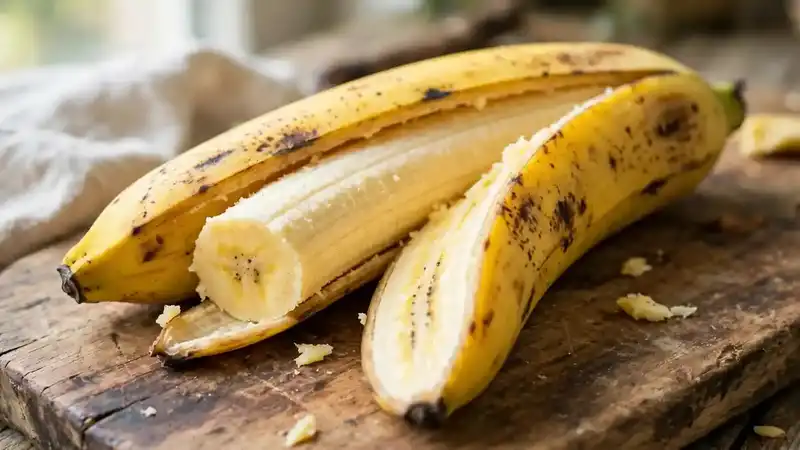
A ripe plantain carries more natural sugar than a green one, since starch turns to sugar as the fruit ripens. The AKC guide to fruits and vegetables dogs can and cannot eat puts bananas in the moderation group for the same sugar reason.
That sugar makes ripe plantains taste sweeter and digest easier, but it also adds calories fast. A dog that eats plantains for vitamins will take in more sugar and starch than the vitamins justify. Owners should view plantains as a fun texture and flavor change, not as a health food for the dog.
Fiber in plantains can help a dog with mild constipation, yet the amount in a few small pieces is modest. Green plantains hold resistant starch, a type of starch that feeds gut microbes but can also cause gas when a dog eats too much of it. Cooking turns much of that starch into a softer form the gut handles better.
Are raw plantains safe for dogs?
Raw plantains are not a safe choice for dogs, even though they are not toxic. Raw plantains are dense, starchy, and hard, which makes them difficult to chew and digest. Green raw plantains are the worst form, since their starch has not softened at all. Cooking plain until soft is the step that makes plantains safe to share.
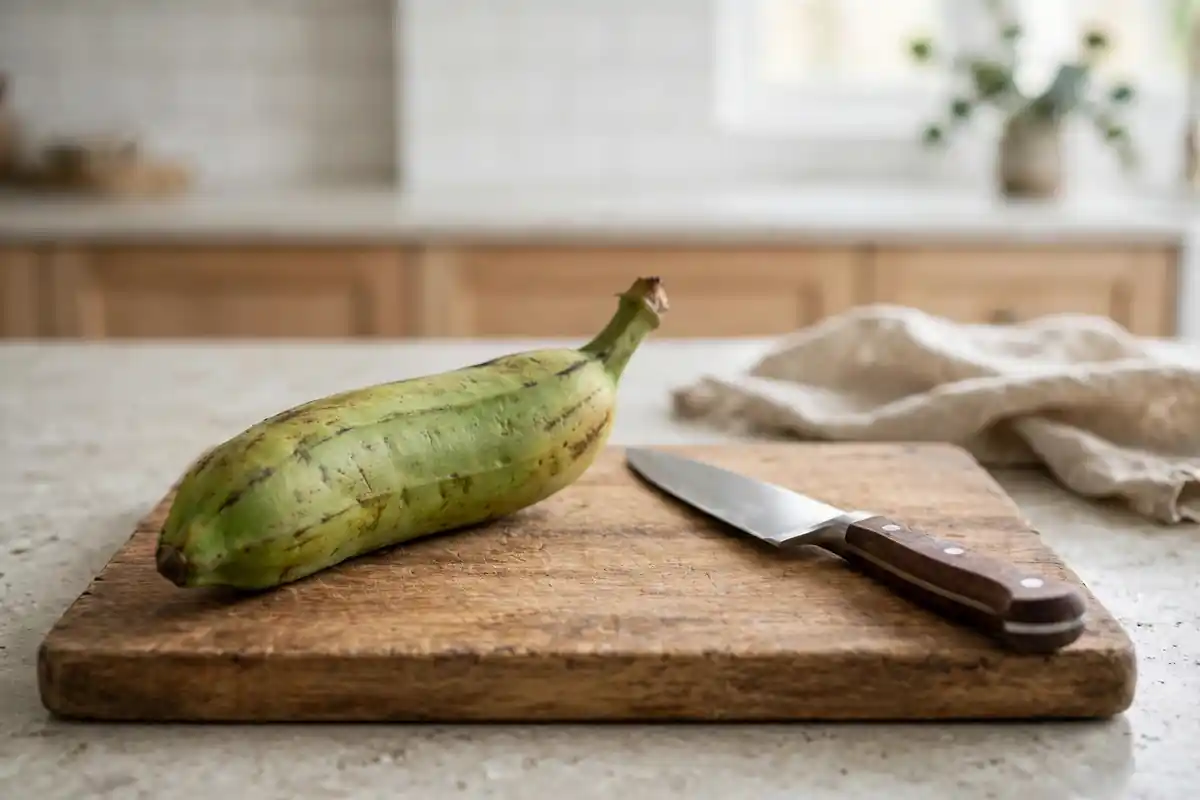
Chewing is the first problem with raw plantain. A dog that gulps a hard chunk can choke, and small dogs face the most risk.
A larger dog that swallows the chunk whole may pass it slowly, with gas and belly pain along the way. Cutting raw plantain small does not fix the problem, since the starch inside stays just as dense. Heat is the only fix, because boiling or steaming breaks the starch chains down.
Digestion is the second problem. Dogs digest cooked starch far better than raw starch, and raw plantain starch can ferment in the gut and make gas, bloating, and loose stool. A tiny piece may cause no symptoms, yet that does not make raw plantain a good idea.
How should plantains be cooked for dogs?
Plantains for dogs should be peeled, sliced, and boiled or steamed in plain water until soft, or baked plain with no oil, salt, sugar, butter, garlic, or onion. Cool the pieces before serving and cut them into small bites. Boiling is the simplest method, since it needs no fat at all and softens the fruit evenly.
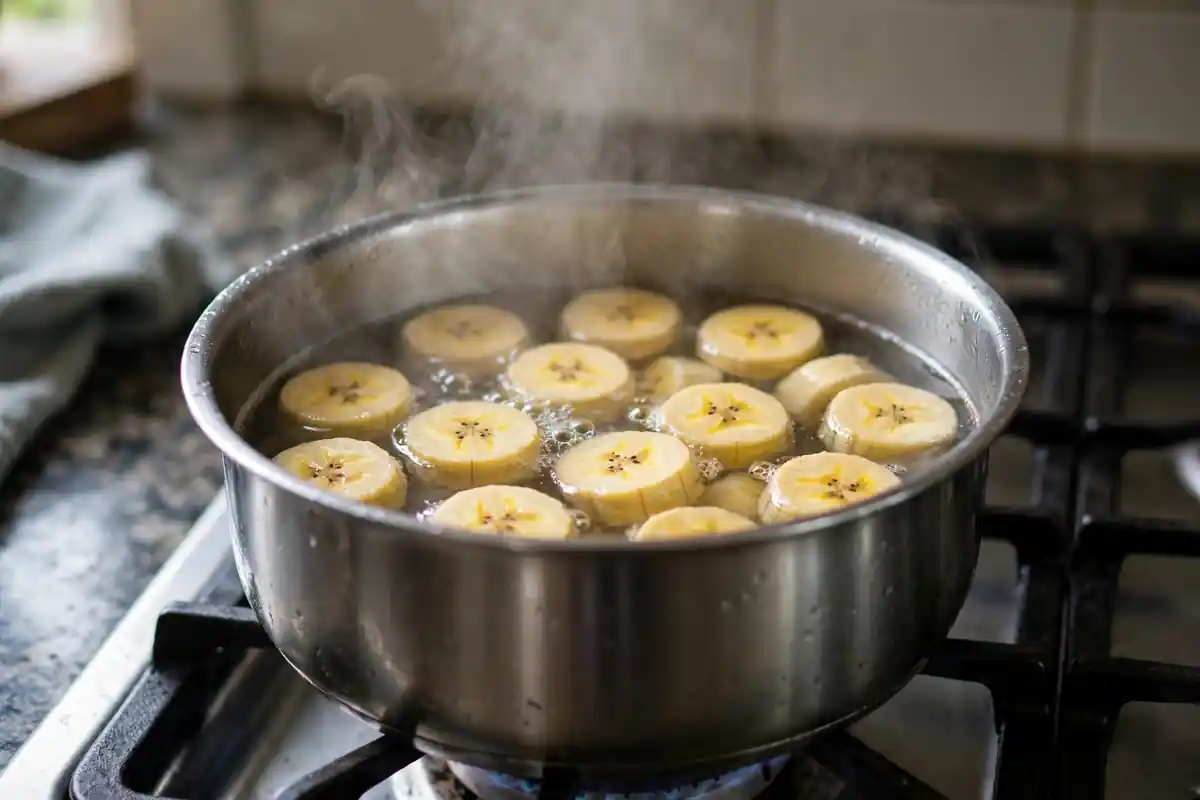
Peeling comes first, and it matters more than owners expect. Plantain peel is thick, tough, and fibrous, and it can cause stomach upset or a blockage if a dog swallows a large piece. Peel the fruit fully, then cut the flesh into rounds or chunks about the size of a thumbnail for a large dog and half that for a small dog. Boil the pieces for 10 to 15 minutes until a fork slides through with no resistance.
Baking works when no oil goes on the tray. Place the slices on plain parchment and bake until soft, then cool them fully. Steaming gives the same result with no added fat.
Microwaving in a splash of water also works for a single serving. Owners should never use the family pan of fried plantains for the dog, since that pan holds oil, salt, and often garlic. Cook a separate plain portion, even if it feels like extra work.
How much plantain can a dog eat?
A small dog should get only a few small pieces of cooked plantain, a medium dog can have two or three small pieces, and a large dog can have a few tablespoons of mashed cooked plantain. Keep plantains and all treats under 10 percent of daily calories, offer them once or twice a week, and start with one small piece.

One vet site suggests up to one whole plantain a day for a dog, but that amount is far too much for most dogs. A medium plantain holds around 200 calories, and a whole one would eat most of a small dog’s treat budget in a single snack. The 10 percent rule gives a safer frame: a dog that eats 500 calories a day has 50 calories for all treats, and a few tablespoons of cooked plantain already use a good share of that budget.
Weight and health change the math. Overweight dogs should get the smallest amount, and dogs with diabetes should skip plantains or ask a vet first, since the starch and sugar can raise blood glucose. Start with one piece, wait a day, and watch the stool and energy. Soft stool or extra gas means the portion was too big, so cut it in half next time or drop plantains from the treat list.
Can plantains upset a dog’s stomach?
Plantains can upset a dog’s stomach when the portion is too large, the fruit is raw or undercooked, or the dog eats fried or seasoned plantain. Gas, bloating, soft stool, vomiting, and belly pain are the usual signs, and they tend to pass within a day once feeding stops.

Starch is the main trigger. A dog’s gut handles cooked starch well in small amounts, but a large load of plantain starch can ferment and make gas. Call a vet if vomiting repeats or diarrhea lasts more than a day.
Dogs with sensitive stomachs feel this faster than other dogs. Fried plantains add a second trigger, since fat slows stomach emptying and can inflame the pancreas in dogs that are prone to pancreatitis. VCA Animal Hospitals notes that pancreatitis may follow a fatty meal in some cases, and its signs include vomiting, belly pain, lethargy, and loss of appetite.
Sugar adds a third trigger for some dogs. Ripe plantains are sweet, and a large portion can loosen the stool in a dog that rarely eats fruit. Puppies and senior dogs with fragile digestion should get the smallest taste or none at all.
Which dogs should skip plantains?
Dogs with diabetes, obesity, pancreatitis history, chronic stomach trouble, or a corn and starch sensitivity should skip plantains or eat them only with a vet’s approval. Puppies under six months and dogs on a prescription diet also need a vet check first, since their food is balanced to tight limits and extras can upset that balance.

Diabetes is the clearest reason to skip plantains. Plantains are rich in starch and natural sugar, and both can raise blood glucose after a meal. Obesity is the second reason, since plantains add calories without adding protein or nutrients a dog needs. A dog that is already over its target weight gains nothing from a starchy snack.
Pancreatitis history raises the stakes for any fried form, and even plain plantains deserve caution in these dogs, since owners often serve them with butter or oil without thinking. Dogs with chronic stomach trouble react to new starches fast, and plantains can trigger a flare that takes days to settle. Owners of these dogs should ask their vet before offering any new fruit, plantains included.
What plantain foods are unsafe for dogs?
Plantain foods turn unsafe for dogs when they are fried, salted, sugared, or cooked with garlic, onion, or chili. Tostones, maduros, plantain chips, mofongo, and sweet baked plantains all fall in this group. The ASPCA lists onion, garlic, and chives as gut and red blood cell risks, and those ingredients turn up in many plantain dishes.

Tostones are twice fried green plantain rounds, and they carry oil and salt in every bite. Maduros are ripe plantains fried until sweet and caramelized, and they add sugar and fat on top of the fruit’s own sugar. Plantain chips are thin, fried, and usually salted, and some brands add garlic or onion powder for flavor. Mofongo mashes fried plantain with garlic, pork cracklings, and broth, which combines fat, salt, and garlic in one dish.
Sweet baked plantains sound safer, but many recipes add brown sugar, honey, butter, or cinnamon sugar. Butter adds fat and lactose, and many dogs digest lactose poorly. Owners should keep every restaurant and takeout plantain dish away from the dog and cook a separate plain portion at home when they want to share.
How do plantains compare with bananas?
Plantains compare with bananas as close cousins with one key difference: bananas are safe raw and plantains are not. The AKC bananas guide says dogs can eat bananas in moderation, and it warns that banana peels are hard to digest and can cause a blockage.
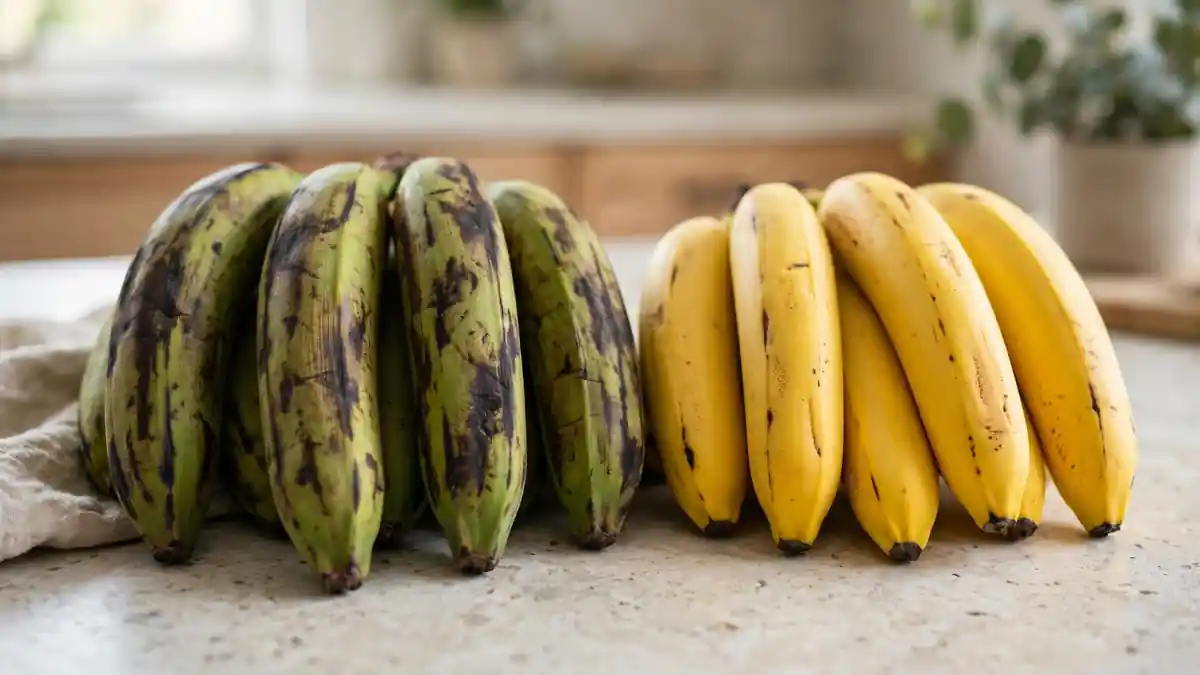
Nutrition overlaps a lot. Both fruits offer potassium, vitamin B6, vitamin C, and fiber, and both carry natural sugar that limits the portion.
Bananas are softer, sweeter, and easier to serve, which makes them the simpler choice for most owners. Plantains are starchier and firmer, so they suit owners who want a cooked treat with more bite. A dog that loves bananas will likely enjoy cooked plantain, but the owner still needs to cook and peel it first.
Serving size differs too. A few slices of banana make a quick treat, while the same volume of plantain carries more starch and calories. Owners should serve less plantain than banana for the same dog.
Mango and Pineapple offer sweeter fruit options with their own rules, and so do apples and oranges when served plain and peeled. A guide to fruits dogs can eat covers the full list. Plantains earn a place in that list, but only in their plain cooked form.
Frequently asked questions about plantains for dogs
The questions below answer what owners ask most about plantains: whether raw or fried plantains are safe, how much a dog can eat, which dogs should skip them, and what to do after a dog grabs a fried plantain chip. Each answer starts with the short version, then the detail that helps you decide what to do next.

Can puppies eat plantains?
Puppies can eat one tiny piece of plain cooked plantain after six months of age, but a vet check comes first. Puppy stomachs are small and their diets are set for growth, so new foods can trigger diarrhea fast. Offer a pea sized piece once, watch the stool for a day, and keep treats under 10 percent of daily calories.
Can dogs eat plantain peels?
Dogs should not eat plantain peels. Peels are not toxic, but they are thick, tough, and hard to digest, and a large piece can cause stomach upset or a blockage. Peel the fruit fully before cooking, and put peels in a closed bin so the dog cannot pull them out of the trash.
Can dogs eat plantain chips?
Dogs should not eat plantain chips. Chips are fried, salted, and often seasoned with garlic or onion powder, and they carry far more fat and sodium than plain cooked plantain. One chip is unlikely to harm a large dog, but chips should never be a treat. Offer a small piece of plain boiled plantain instead.
Can dogs eat fried plantains?
Dogs should not eat fried plantains such as tostones or maduros. Frying adds oil and fat, and many recipes add salt, sugar, garlic, or chili. Fatty meals can trigger pancreatitis in some dogs, and the VCA notes that signs include vomiting, belly pain, and lethargy. Plain boiled or baked plantain is the only fried free option.
Can dogs eat green plantains?
Dogs should not eat green plantains raw, and even cooked green plantains deserve caution. Green plantains hold more resistant starch than ripe ones, so they are harder to digest and more likely to cause gas. Ripe yellow or black plantains, cooked plain until soft, are the better choice for dogs.
What should I do if my dog eats plantain chips?
Take the bag away, offer fresh water, and watch the dog for vomiting, diarrhea, gas, or belly pain over the next day. Call a vet if vomiting repeats, diarrhea lasts more than a day, the dog seems weak, or the belly looks swollen. Note how many chips the dog ate and whether the chips were seasoned with garlic or onion.
Plantains are a yes with conditions, not a free treat. Ripe, peeled, plain cooked plantain in a few small pieces suits most healthy adult dogs once or twice a week. Raw plantains, peels, fried dishes, and salted chips cause the problems, and dogs with diabetes, obesity, or pancreatitis history should skip plantains or ask a vet first. Start with one small piece, watch the stool for a day, and keep the portion inside the 10 percent treat budget. When the only plantain in the house is fried or seasoned, the dog gets none of it.