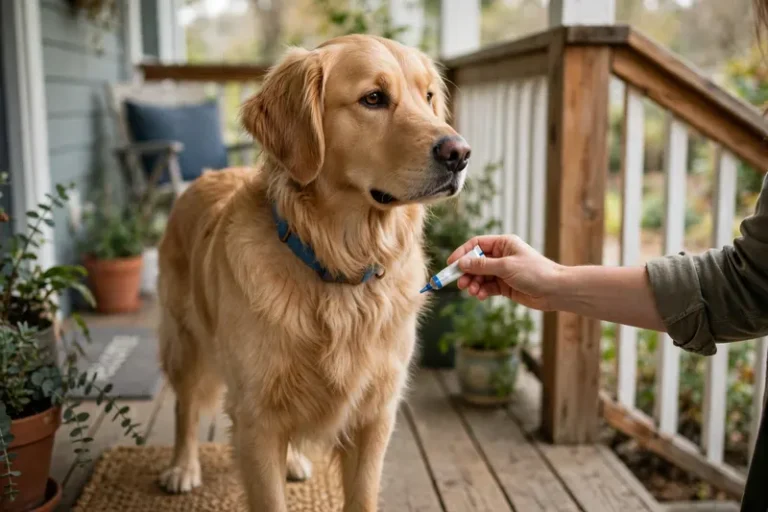
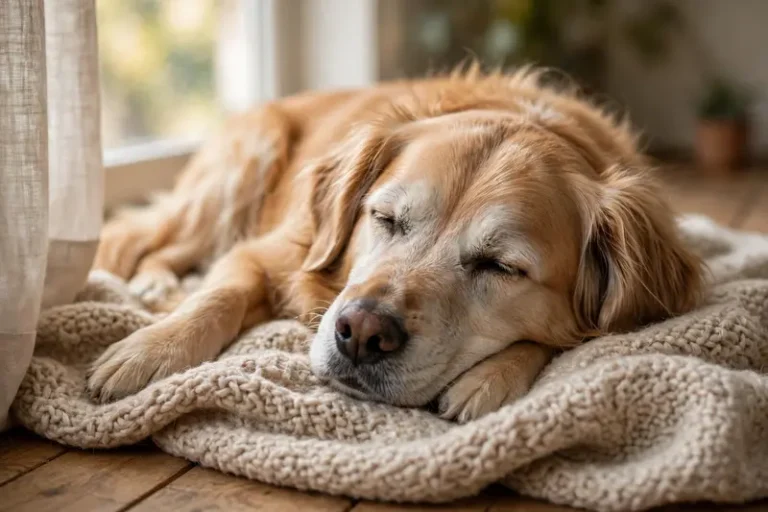
Gabapentin for dogs is a prescription medicine vets use for nerve pain, seizures, and situational anxiety, and the vet sets the dose for each dog. It started life as a human epilepsy drug, and vets now prescribe it off label for dogs because it works well on pain that travels along nerves. Most dogs tolerate it, and sleepiness is the side effect owners notice first. One warning matters more than the rest: some human liquid forms contain xylitol, which is toxic to dogs, so never share a human bottle with your dog.
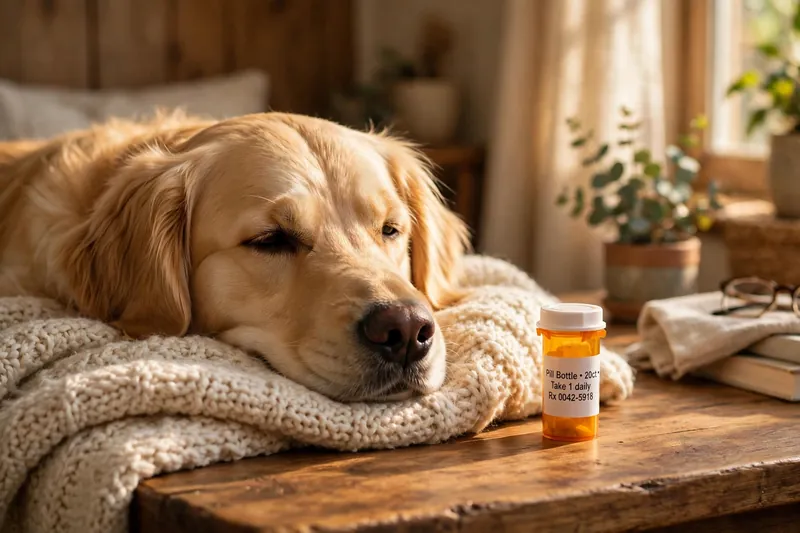
What is gabapentin for dogs?
Gabapentin is an anticonvulsant and pain-relieving drug that vets prescribe off label for dogs, which means the FDA has approved it for people but not formally for dogs. Vets use it every day anyway, because off label prescribing is standard practice in veterinary medicine when the evidence supports it.
The drug comes as capsules in 100 mg, 300 mg, and 400 mg sizes, plus an oral solution. Your vet picks the form and the strength that fits your dog.
The key point is simple. Gabapentin differs from NSAIDs and from sedatives. It calms overactive nerve signals, which is why it helps with nerve pain and seizures and why it takes the edge off anxiety before a vet visit. The AKC guide to gabapentin for dogs explains the off label status and the three main uses in plain terms.
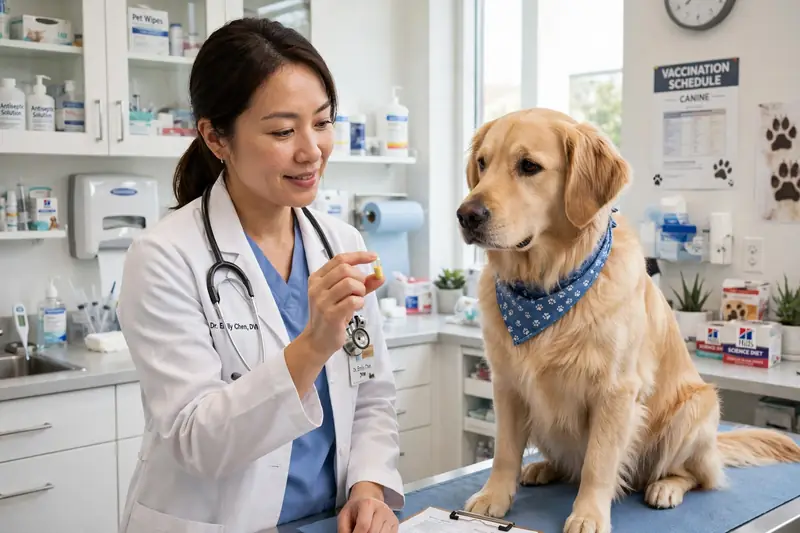
How gabapentin works in a dog’s body
Gabapentin binds to calcium channels on nerve cells and quiets the release of excitatory chemicals like glutamate. Nerves that fire too easily settle down, and the pain signals they carry get weaker. It turns the volume down on the nerve itself rather than switching pain off at the source.
That mechanism explains the whole profile of the drug. Nerve pain responds well because the problem sits in the nerve. Seizures ease because overexcited brain circuits calm down. Anxiety softens because the same dampening effect takes the sharp edge off fear. Gabapentin leaves the body mostly through the kidneys, which is why dogs with kidney disease need lower doses and closer monitoring. Effects wear off within a day in most dogs, though they can linger longer when the kidneys or liver are weak.
What vets prescribe gabapentin for
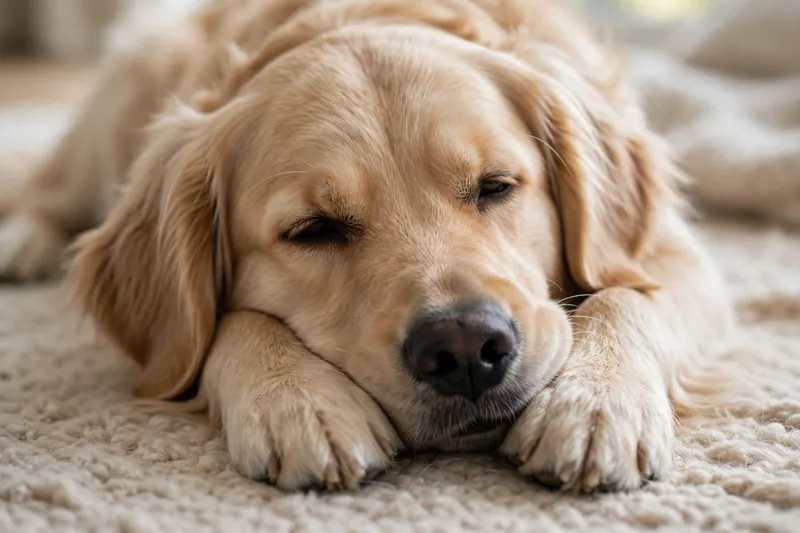
Vets reach for gabapentin in three situations: chronic nerve pain, seizures that need extra help, and short term anxiety. Chronic pain is the biggest one. Dogs with arthritis, slipped discs, spinal cord disease, nerve damage after surgery, and cancer pain often get gabapentin alongside another pain drug.
The combination covers more ground than either drug alone, and it lets the vet keep the NSAID dose lower.
Seizure control is the second use. Gabapentin rarely works alone for epilepsy. Vets add it when phenobarbital or potassium bromide no longer control seizures fully, and the extra drug can cut the number of fits. Anxiety is the third use, and it is the most situational. A single dose given an hour or two before a vet visit, a car ride, fireworks, or a thunderstorm can turn a panicking dog into a drowsy but steady one. Calming treats for dogs can help mild nerves, but they do not replace a prescribed drug when fear is severe.
Gabapentin dosage for dogs
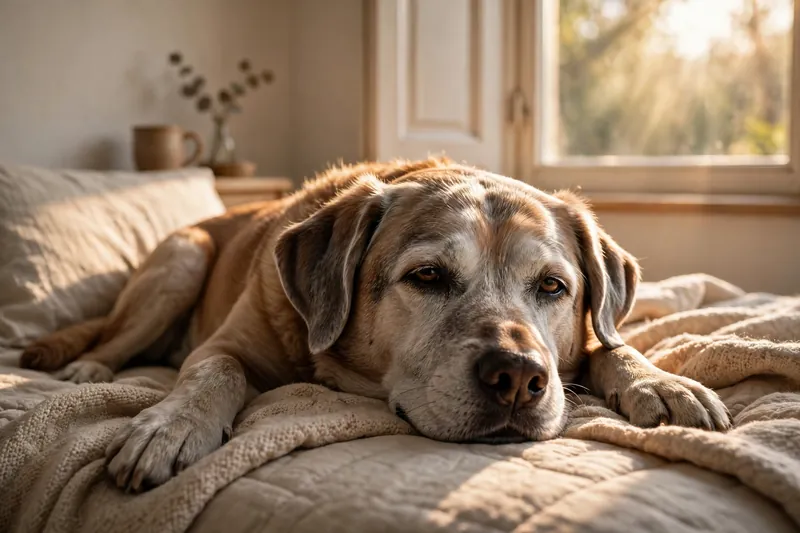
Your vet sets the dose based on weight, kidney function, and the condition being treated, so never copy a dose from another dog. Published veterinary ranges run from about 5 to 30 mg per kilogram of body weight, given every 8 to 12 hours. The low end covers chronic pain, while higher doses suit seizures or single pre-event anxiety doses.
Some anxious dogs get one larger dose 1 to 2 hours before the stressful event. That range is wide on purpose, because dogs vary a lot in how they respond.
Capsules come in fixed sizes, so the vet picks the closest fit and sometimes has a pharmacy compound a custom strength for small dogs. Never split a plan across dogs, and never adjust the dose yourself because the dog looks sleepy or still sore. If the dose seems wrong, call the vet. The vet can lower it a step or change the timing, and small changes often fix the problem without losing the benefit. Carprofen dosage for dogs follows the same rule: weight and condition decide, not the label on a friend’s bottle.
How to give gabapentin to your dog
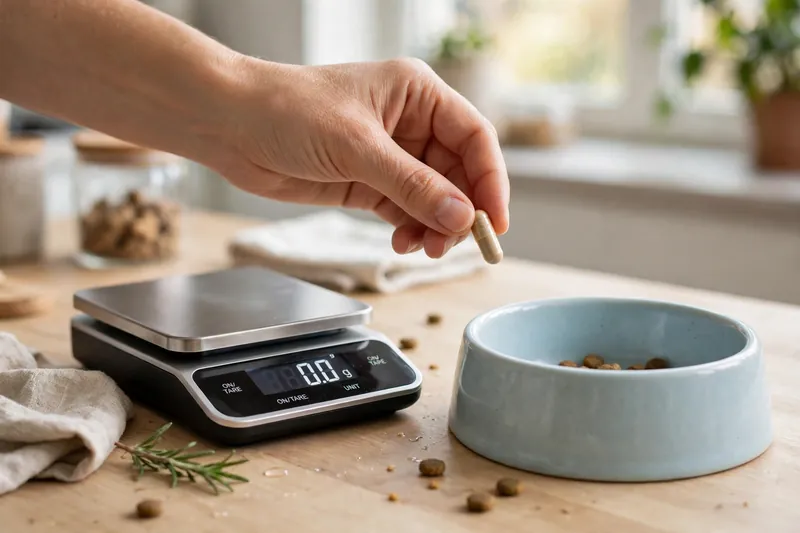
Gabapentin goes by mouth, with or without food, two to four times a day depending on the plan. Food can help if the drug upsets the stomach, and a small meal with the dose is a simple fix. For anxiety, timing matters more than food.
Give the dose 1 to 2 hours before the vet visit or the storm so the drug peaks when the stress peaks. A dose given at the door as you leave will not work in time.
Picky dogs need a trick, and pill pockets for dogs hide a capsule well enough that most dogs swallow without a fight. You can also tuck the capsule into a spoonful of wet food or a soft treat. Check that the dog actually swallowed it, because a capsule spat onto the floor is a missed dose. Keep a simple log of dose times for the first two weeks, since steady timing keeps blood levels steady and makes side effects easier to read.
Side effects of gabapentin in dogs
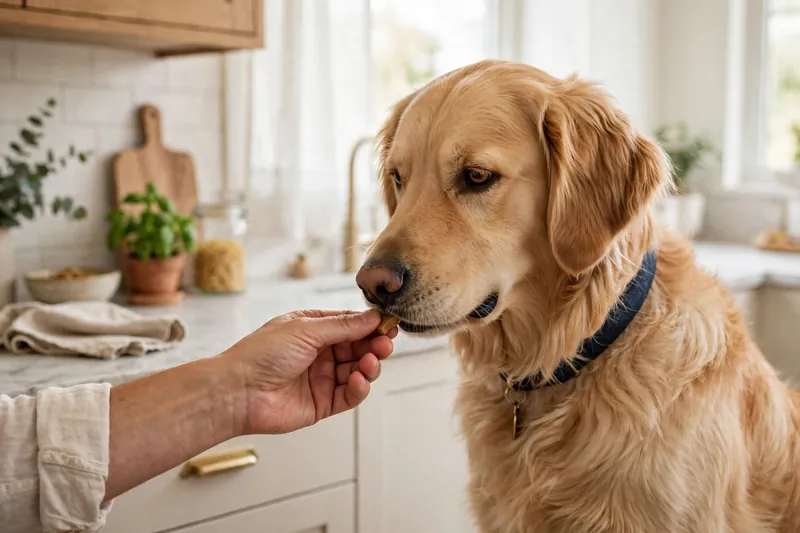
Sleepiness and wobbliness are the side effects owners see most, and both are dose related. The dog may seem drunk on its feet for the first few days, nap more than usual, or hesitate on stairs. Most dogs adjust within one to two weeks while the pain relief stays.
If the wobbliness is severe or the dog cannot stand, call the vet before the next dose.
Less common effects include vomiting, diarrhea, loss of appetite, and hind leg weakness, mostly in senior dogs on long term therapy. Dogs with kidney or liver disease clear the drug slowly, so effects last longer and doses run lower. The VCA Hospitals gabapentin page lists the same short list and stresses that sedation varies a lot from dog to dog. Serious reactions are rare, but swelling of the face or tongue, rash, or fever need a vet the same day.
Keep a short note during the first month: dose time, sleepiness level, walking steadiness, appetite, and any vomiting. That note turns a vague worry at the recheck into a clear picture, and it helps the vet decide whether the dose needs a small cut or the timing needs a shift. Older dogs on gabapentin plus an NSAID deserve the closest watch, since age slows drug clearance and two drugs can add up to more sedation than either one alone. Melatonin is sometimes mentioned for sleep, but it is not a substitute for adjusting a gabapentin dose, so raise sleep problems with the vet rather than adding products at home.
The xylitol warning in liquid gabapentin
Some human gabapentin oral solutions contain xylitol, a sweetener that is extremely toxic to dogs. A small amount can crash blood sugar, and larger amounts can destroy the liver. The capsules do not carry this risk, but the liquid can.
So the rule is blunt: never give your dog gabapentin from a human prescription without checking the label with your vet or pharmacist first.
Vets who need a liquid usually order a xylitol free compounded version from a veterinary pharmacy. If you already gave a liquid and are unsure about the ingredients, read the label now and call your vet or poison control if xylitol appears anywhere on it. The FDA warning on xylitol and dogs explains why even a small exposure counts as an emergency. Store every bottle high and closed, since a chewed bottle turns a medicine into a poisoning.

Gabapentin with other medicines
Gabapentin pairs well with most drugs, which is one reason vets like it. It often sits alongside NSAIDs for arthritis pain, and the pair covers both inflammation and nerve pain at once. Vets also combine it with trazodone for vet visit anxiety.
The two calm different parts of the stress response, and the combination works well for dogs that panic at the clinic. Aspirin for dogs is a weaker partner by comparison, and it carries its own stomach risks, so follow the vet’s combination rather than adding drugs at home.
Tell your vet about every drug and supplement the dog takes, including glucosamine for dogs and fish oil for dogs, because interactions hide in ordinary lists. Drugs that cause sedation can stack with gabapentin and leave the dog too drowsy. Kidney and liver disease change the math too, since both organs affect how fast the drug clears. A full medicine list at every visit keeps those surprises out of the picture.

Missed doses, stopping, and overdose
If you miss a dose, give it when you remember, unless the next dose is nearly due. In that case, skip the missed one and carry on with the schedule. Never double up to catch up, because a double dose doubles the sedation and the wobbliness. Set a phone alarm for the first month until the routine sticks.
Do not stop gabapentin suddenly after long term use, especially in a dog taking it for seizures. Stopping fast can trigger withdrawal seizures, so the vet tapers the dose down over days. An overdose usually shows up as heavy sedation, stumbling, vomiting, or diarrhea. Call your vet at once, and if the vet is closed, call the ASPCA Animal Poison Control Center for guidance. Keep the bottle handy when you call, since the strength and the amount taken decide the advice.

Frequently asked questions about gabapentin for dogs
Is gabapentin safe for dogs?
Yes, when a vet prescribes it and the dose fits the dog. Most dogs handle it well, and the common side effects are sleepiness and mild wobbliness that fade as the dog adjusts. Dogs with kidney or liver disease need lower doses and closer checks.
How fast does gabapentin work in dogs?
It starts working within 1 to 2 hours of a dose, which is why vets time anxiety doses before the stressful event. Full pain relief builds over days of steady dosing, so judge the result after a week or two, not after one capsule.
Can gabapentin make my dog sleepy all day?
It can at first, especially at higher doses. The sleepiness usually eases within one to two weeks as the dog builds tolerance. If it does not ease, or the dog cannot walk steadily, ask the vet to lower the dose.
Can I give my dog human gabapentin?
Only if your vet approves that exact product. Human capsules are often fine, but some human liquid forms contain xylitol, which is toxic to dogs. Never share a liquid without checking the label first.
Does gabapentin help arthritis in dogs?
It helps the nerve pain part of arthritis, and it works best alongside an anti-inflammatory and joint support like joint supplements for dogs. It does not fix the joint itself, so it is one piece of a wider plan.
Can dogs stay on gabapentin long term?
Yes, many dogs take it for months or years for chronic pain or seizures, with regular vet checkups and bloodwork to watch the kidneys and liver. The vet reviews the dose at each visit and tapers it if the condition improves.
What should I do if my dog vomits after gabapentin?
Give the next dose with a small meal, and watch for repeated vomiting. A single upset stomach often settles, but vomiting that repeats, or vomiting with diarrhea and lethargy, earns a vet call. Gastroenteritis in dogs covers the warning signs to watch for.
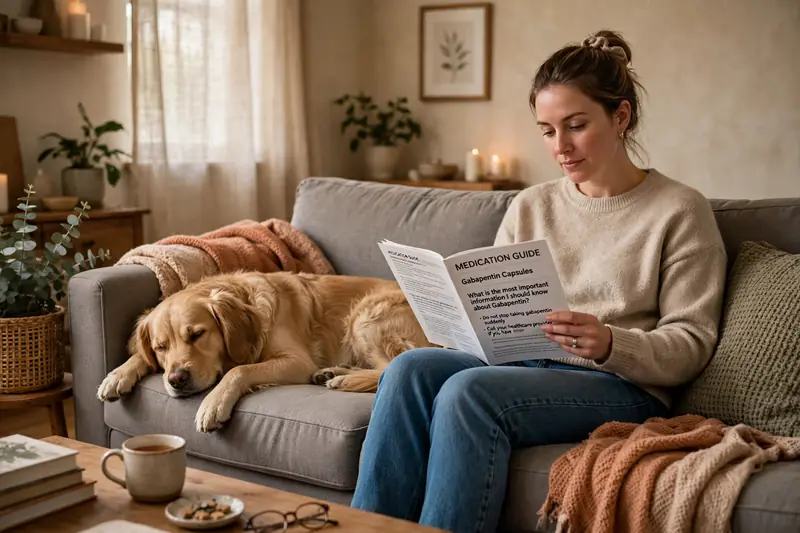
Gabapentin earns its place in the medicine cabinet because it does a job other pain drugs cannot: it quiets nerves. Used at the vet’s dose, watched for sleepiness in the first two weeks, and kept far away from any xylitol liquid, it gives arthritic seniors, seizure dogs, and terrified travelers a calmer life. Keep the vet in the loop on every change, and the drug stays a help instead of a worry.
Disclaimer: This article is for information only and is not a substitute for veterinary advice. Gabapentin is a prescription medicine. Never start, change, or stop a dose without your veterinarian, and seek veterinary care promptly if your dog shows severe sedation, vomiting, or any sign of poisoning.