Dogs should never drink Coca-Cola. A single can combines three separate problems. Caffeine overstimulates the heart and nervous system. Sugar spikes blood glucose and rots teeth. Carbonation bloats a sensitive stomach. Diet versions trade the sugar for artificial sweeteners, and some sugar-free sodas contain xylitol, which can kill a dog in small amounts. Water is the drink. Everything fizzy stays in your glass.

Can dogs drink coca cola? The short answer
No, dogs should not drink Coca-Cola in any amount. The caffeine alone makes it unsafe. Sugar brings the slower damage, and carbonation brings the bloat. A dropped sip off the floor is unlikely to send a healthy large dog to the emergency clinic, but it is still a bad idea to allow. If your dog drank a meaningful amount, especially of a diet version, call your vet or a poison helpline right away.
The honest scale of the risk matters here. This is not a “one lick equals death” food like xylitol can be. It is a “nothing good can come of it, and the dose decides the damage” drink. A Labrador that laps a spilled tablespoon will most likely be fine, though still worth watching. A Chihuahua that drinks half a can is a genuine emergency. The sections below break each ingredient down separately, because the math changes with every one of those variables.
Caffeine: the ingredient that makes Coke dangerous
A standard 12-ounce can of Coca-Cola carries about 34 milligrams of caffeine. That sounds small next to coffee until you remember that dogs process caffeine far more slowly than people do, and their smaller bodies feel every milligram harder. Caffeine is a methylxanthine stimulant, in the same chemical family as the theobromine in chocolate, and it hits the heart, the nervous system, and the gut.
The VCA’s guide to caffeine toxicity describes a clear progression. Moderate doses bring vomiting and diarrhea, sometimes with tremors, while large ingestions can end in seizures or collapse. Symptoms can start within a few hours and linger for a day or more, because the dog’s liver clears the stimulant slowly. One or two caffeine pills can be fatal to a small dog, which tells you how little margin these animals have.
For a medium or large dog, the caffeine in a few laps of spilled Coke sits well below the danger zone. For a toy breed, the same laps carry more weight per pound. Puppies and seniors get the shortest leash of all, and so does any dog with a heart condition. There is no home test for “enough caffeine to matter,” so the practical rule is simple: keep every caffeinated drink out of reach, and treat any real drinking as a call-the-vet situation.

Sugar: the slower damage in every regular can
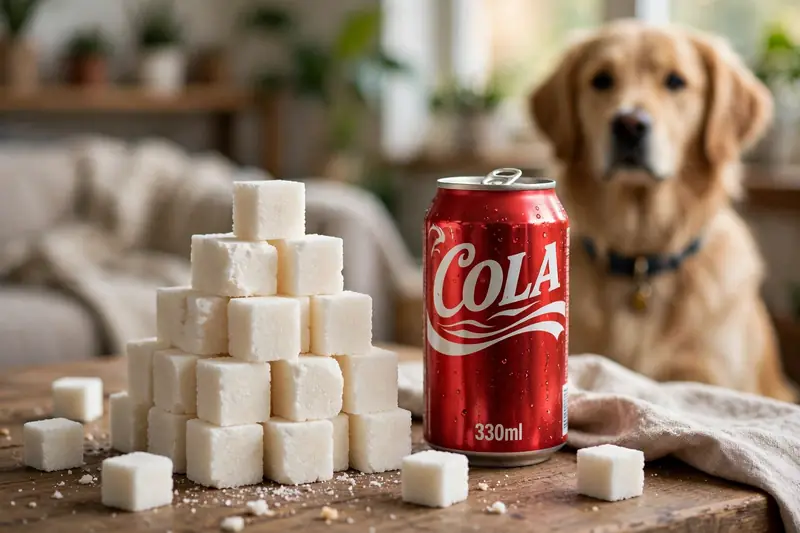
That same 12-ounce can holds about 39 grams of sugar. A dog’s digestive system never evolved to handle concentrated sugar loads, and the effects stack up on two timelines. Right now, a sugary drink can spike blood glucose and cause vomiting or diarrhea, especially in a diabetic dog, for whom a sugar spike is a medical event, not a tummy ache. Over time, habitual sugar intake feeds obesity and dental decay, and nudges insulin problems along.
Sugar also trains behavior you do not want. A dog that learns soda tastes sweet will beg for it and raid unattended cups, which increases the odds of a big accidental drink later. Dogs do not need sweet drinks, do not benefit from them, and cannot connect the stomach ache to the soda the way you can. The kindest thing is to never let the habit start.
Diet Coke and the xylitol problem
Diet sodas swap sugar for artificial sweeteners, and that swap changes the risk profile completely. Some sugar-free products contain xylitol, also sold as birch sugar, and xylitol is one of the most acutely dangerous substances a dog can swallow. The AKC’s xylitol guide reports that cases remain far above 2020 levels, that xylitol calls rank among the top poisoning calls to Pet Poison Helpline, and that as few as two pieces of certain sugarless gums can trigger a dangerous reaction in a small dog.
The mechanism is brutal. A dog’s pancreas mistakes xylitol for real sugar and dumps insulin, blood sugar crashes within 30 minutes, and high doses attack the liver. Weakness and staggering come first. Severe cases end in collapse or liver failure, sometimes both. To be clear about Coca-Cola’s own products: US Coca-Cola Zero Sugar is sweetened with aspartame and acesulfame potassium, not xylitol. But new sugar-free drinks and store brands appear constantly, and formulas get quietly reformulated. The Pet Poison Helpline’s kitchen toxins guide treats xylitol as a check-every-label ingredient for exactly this reason. Any diet soda your dog drinks deserves an immediate label check and a vet call, because you cannot eyeball which sweetener is inside.
The sweetener also turns up in some peanut butter brands marketed as natural, which is one more reason to read every label in the house.

Carbonation: the bloat factor nobody mentions
Dogs do not burp efficiently. Gas from a carbonated drink sits in the stomach. The result is bloating and discomfort, with belching in a miserable dog. For most dogs this passes. For deep-chested breeds like Great Danes, German shepherds, and standard poodles, excess gas is a real worry, because it can contribute to gastric dilatation-volvulus, the stomach-twisting emergency known as bloat.

The acids add a smaller complaint. Coca-Cola’s phosphoric acid gives it that bite, and it can irritate a dog’s stomach lining and erode tooth enamel over time. Neither is an emergency on its own. Stacked with caffeine and sugar, they are one more reason the whole product is wrong for dogs rather than any single ingredient being the villain.
What happens by amount: a lick versus a glass
A few drops licked off the floor: most healthy medium and large dogs show nothing at all. Watch for restlessness or mild stomach upset over the next few hours, and do not make a habit of it. A few laps from a spilled cup: possible hyperactivity, panting, vomiting, or diarrhea within one to three hours. Call your vet for advice, especially for a small dog.
Half a can or more: treat it as urgent. Expect agitation and a racing heart, often with vomiting or tremors, and get professional guidance immediately rather than waiting to see. Any amount of a diet soda with unknown sweeteners: check the label for xylitol or birch sugar while you call the vet, because xylitol poisoning moves in minutes, not hours. The Pet Poison Helpline’s toxin list ranks xylitol and coffee products among the everyday items owners underestimate most.

What to do if your dog drank Coca-Cola
First, move the drink away and estimate how much is missing. A tablespoon from a spill and half a can are different emergencies, and the vet will ask. Second, check the label if it was a diet or zero-sugar version, and look specifically for xylitol or birch sugar in the ingredients. Third, call your veterinarian or Pet Poison Helpline at 855-764-7661. Describe your dog’s weight, what it drank, and when.
Do not induce vomiting unless the vet or poison helpline tells you to. Forced vomiting can cause its own harm, including aspiration pneumonia, and with stimulants already agitating the dog, it is a professional’s call. Then watch closely for 6 to 12 hours: restlessness, panting, a racing heart you can feel under your hand, vomiting, tremors. If you see tremors, collapse, or seizures, skip the phone and drive to the emergency clinic. Save the can or take a photo of the label, since the exact product and sweetener list guides treatment.
Why dogs go for soda in the first place
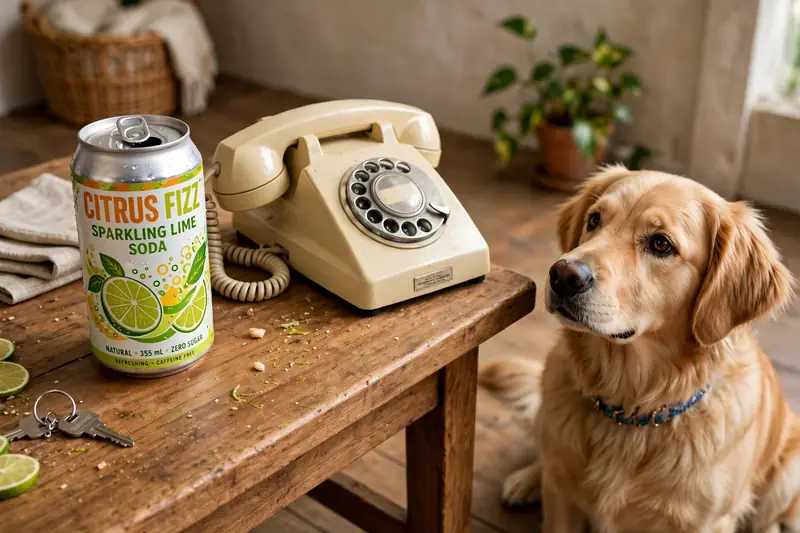
Dogs are drawn to novel smells and sweet tastes, and an open can on a coffee table is an invitation. Carbonation tickles, the sugar smells interesting, and some dogs simply want whatever their person is having. None of this means the dog needs it or that a taste teaches moderation. It means cups belong out of reach and spills get wiped immediately, the same routine you would follow with coffee.
If your dog is a chronic counter-surfer, the fix is management, not training the dog to dislike soda. Push drinks to the back of counters, use cups with lids, and give the dog its own long-lasting chew during your soda time so the can is less interesting by comparison.

Safer drinks your dog will actually enjoy
Fresh water wins every comparison and should be the only daily drink. For variety, coconut water in small amounts is the occasional treat many owners ask about, and chicken broth, low sodium and onion-free, can tempt a reluctant drinker. The full rundown lives in the what dogs can drink guide. For the broader question of fizzy drinks, the soda guide covers colas, lemon-lime, and root beer. None of them fizz, and that is the point.

Coca-Cola has no place in a dog’s diet, in any size or flavor. The caffeine alone can drive a dangerous heart rate, the sugar piles on empty calories, and the diet versions trade sugar for xylitol, which is worse. Dogs do not need soda the way people reach for it; they need fresh water, and they are perfectly happy with it. If your dog laps spilled cola, note how much went down and call your vet rather than waiting for symptoms. Prevention is the whole game here: keep cans and glasses out of counter-surfing range, rinse recycling, and teach the family that sharing soda is never a treat.
Frequently asked questions about dogs and Coca-Cola
Owners usually ask about tiny sips and Diet Coke, plus whether flat Coke is any better. The answers below cover the questions that come up most often.
My dog licked a spilled drop of Coke. Is that an emergency?
Almost certainly not for a healthy medium or large dog. Watch for restlessness or stomach upset over the next few hours. For a very small dog or puppy, a quick call to your vet is still the safer move.
Is Diet Coke worse than regular Coke for dogs?
It can be, for a different reason. Regular Coke brings caffeine plus sugar. Diet versions bring caffeine plus artificial sweeteners, and some sugar-free products contain xylitol, which is far more acutely toxic than sugar. Check the label and call your vet about any diet soda ingestion.
Can dogs drink flat Coca-Cola?
No. Flat Coke loses the carbonation but keeps the caffeine and sugar, which were always the main problems. Flat, warm, or watered down, it is still unsafe.
How much caffeine is dangerous for a dog?
Toxicity depends on weight and the individual dog, but small amounts can cause signs in small dogs, and concentrated sources like caffeine pills can be fatal. A 12-ounce Coke’s 34 mg is unlikely to poison a large dog but can absolutely affect a tiny one. There is no safe sip to aim for.
What are the first signs of caffeine poisoning in dogs?
Restlessness, hyperactivity, and panting usually show up first, within a few hours. Vomiting and a racing heart often join them. Tremors, abnormal heart rhythms, and seizures mean a large ingestion and need emergency care.
Can Coca-Cola kill a dog?
A large amount of regular Coke can cause life-threatening heart and nervous system effects, and any xylitol-containing soda can kill quickly through blood sugar crash and liver failure. Both scenarios are preventable by keeping soda away from dogs.

Coca-Cola fails the dog-safety test on every ingredient that matters. Caffeine overstimulates. Sugar damages slowly. Carbonation bloats. And diet versions can hide the lethal xylitol. None of it belongs in a dog’s bowl, and the fix is beautifully simple: the dog drinks water, you drink the Coke, and the two never meet.
*Disclaimer: This article is for general information only and is not veterinary advice. If your dog has ingested Coca-Cola or any caffeinated or artificially sweetened drink, contact your veterinarian or Pet Poison Helpline at 855-764-7661 promptly.*