
An 8-ounce glass of orange juice holds about 21 grams of sugar and enough acid to make a dog’s stomach protest. Dogs should not drink orange juice as a beverage, though a tiny stolen lap will not poison a healthy dog. The juice concentrates everything problematic about the fruit while removing the fiber that slows sugar down, which turns a slow snack into a fast sugar delivery system. Whole orange segments in small amounts are a different story. The juice belongs to people.

Citrus confuses owners because the fruit itself is not toxic. Oranges appear on safe-food lists in small portions, and the AKC’s guide to dogs and oranges treats the peeled fruit as an acceptable occasional treat. Juice changes the math completely. It strips the fiber, concentrates the sugar and acid, and often arrives with additives the fruit never had. Understanding that gap is the whole article.
Can dogs drink orange juice? The direct answer
Owners want a clean yes or no, and the honest version has two parts. Orange juice carries no acute poison for dogs, yet it is not a safe or sensible drink for them. A few stolen drops will not send a healthy dog to the vet. A bowlful can cause vomiting, diarrhea, and a sugar spike that diabetic dogs cannot afford. The dose decides the outcome, and the dog’s size, age, and health decide how much margin that dose leaves.

The distinction between “not toxic” and “fine to drink” trips up plenty of owners. Chocolate earns the toxic label. Orange juice does not. Yet “not toxic” covers a wide range that includes plenty of things dogs should never consume regularly. Citrus juice sits in that range because of its acidity and sugar load, not because of any poison. The ASPCA’s people foods to avoid focuses on true toxins, which is why juice does not appear there. The case against juice is nutritional and practical, and the next sections make it in full.
Why orange juice is not toxic but still a bad idea
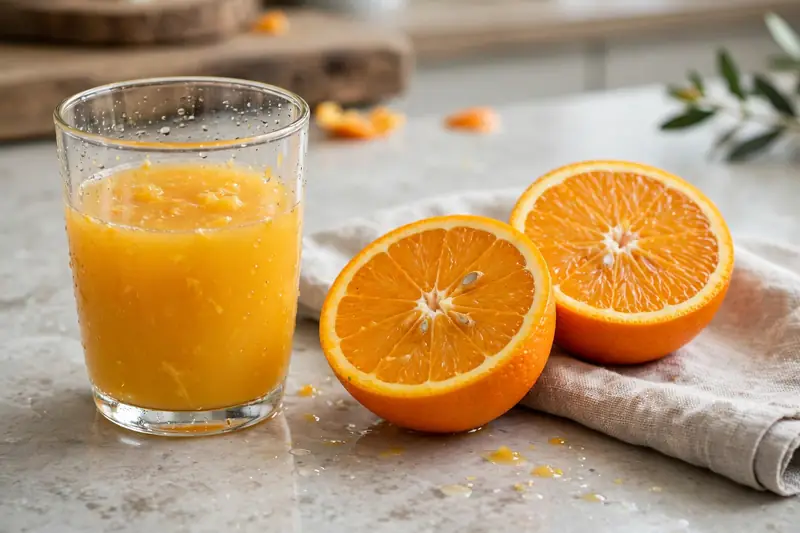
Toxicity has a specific meaning, and this drink misses it. No compound in orange juice poisons dogs the way xylitol or theobromine does, which keeps it off every poison list. The harm it causes is the ordinary kind: too much sugar, too much acid, too fast. That harm is real even without a toxin involved.
Dogs process it the way they process any sugary liquid. Blood sugar climbs, the gut reacts to the acid, and the body deals with the aftermath. A healthy adult dog handles a tablespoon without drama, and the incident ends before the owner finishes worrying about it. The trouble starts with volume and repetition, because a drink offered daily stops being an incident and starts being a diet. Owners who offer juice “because it is natural” mistake natural for harmless, and citrus is the perfect counterexample. Nature makes plenty of things dogs should not drink. The juice needs no poison to earn its no. None at all.
Acid and sugar: the two real problems
This drink attacks on two fronts at once. Its citric acid irritates the canine stomach lining while its concentrated sugar floods the bloodstream, and the combination causes vomiting or diarrhea in many dogs. An 8-ounce glass carries about 21 grams of sugar, which rivals a cola. Dogs have no dietary need for any of it.

Acid does the fast damage. A dog’s digestive tract handles meat and mild vegetables well, but concentrated citrus acid is outside its comfort zone. Even moderate amounts can trigger drooling, lip-smacking, vomiting, or loose stool, especially in small breeds and sensitive stomachs.
Sugar does the slow damage. Repeated sugar loads push dogs toward weight gain and dental decay, plus blood sugar swings, and diabetic dogs face genuine danger from even modest amounts. The AKC’s produce guide lists fruits with their caveats, and the caveat on citrus is always portion size. Juice erases portion control by making a whole orange’s sugar drinkable in seconds, which is the mechanical trick behind almost every juice problem in this article.
The vitamin C myth
Marketing taught people that orange juice equals vitamin C, and owners extend the logic to dogs. Dogs manufacture their own vitamin C in the liver and need no dietary source, so the juice’s main selling point is irrelevant to them. Extra vitamin C does not boost a dog’s immune system. In large amounts it can loosen stool and upset the stomach.
This is the argument that collapses fastest under facts. Humans need dietary vitamin C because we cannot make it. Dogs can, and their bodies regulate production to meet their needs. Pouring orange juice for its vitamins is like filling a car’s tank when the gauge already reads full, and the overflow just makes a mess on the garage floor. Dogs with weak immunity need a vet’s diagnosis and treatment, not citrus. The myth persists because it feels wholesome, and wholesome feelings are poor nutritionists.
Whole oranges vs orange juice
The fruit and the juice part ways at the juicer. One or two small peeled orange segments make an acceptable occasional treat, while several oranges’ worth of juice in one glass does not. The segment carries fiber that slows sugar absorption. The glass delivers the sugar of multiple oranges with none of the fiber and far more acid per sip.

Portion math tells the story. A single glass of juice takes three to four oranges. Nobody would hand a dog four oranges at once, but the juice makes it effortless. The segments also force slower eating, which gives the dog’s body time to react, while juice goes down in seconds and hits the bloodstream before the stomach can object. No chewing. No waiting. Juice goes down in seconds. Owners who want the citrus experience for their dog should peel an orange, remove every seed, and offer one segment. Seeds carry trace amounts of cyanide compounds, so they stay out. The pith and peel stay out too, which the next section explains.
Peel, pith, and seeds: where the real risk sits
The flesh gets the attention, but the peel causes the real trouble. Orange peel and pith contain essential oils such as limonene and linalool, which irritate a dog’s gut and are considered toxic in larger quantities. The flesh is merely sugary. The peel is the part that can really sicken a dog.
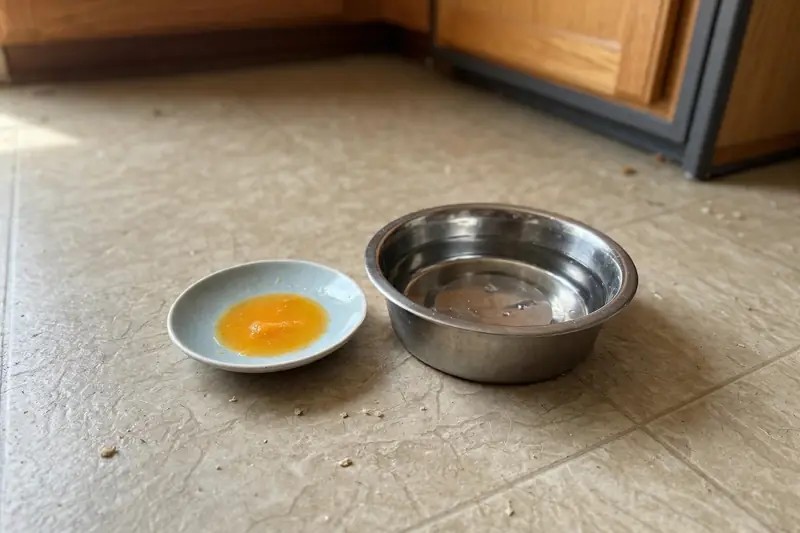
Dogs that steal whole oranges from the counter often eat peel and all, which is where citrus incidents actually start, because the peel’s oils hit the gut far harder than the sugary flesh ever could. Vomiting and diarrhea follow, sometimes with drooling and obvious belly discomfort. Commercial juice avoids the peel problem through processing, but fresh-squeezed juice made with peel oils pressed in can carry the same irritants. Seeds add a smaller worry through trace cyanide compounds, harmless in tiny numbers but worth removing as habit. The practical rule is dull but effective: peeled flesh in tiny amounts, everything else in the bin.
How much orange juice is too much
There is no safe serving size, only degrees of risk. A few drops licked from the floor need nothing but watching, while more than a few tablespoons for a small dog or half a cup for a large dog warrants a vet call. Between those lines sits a gray zone where the dog’s size, age, and stomach sensitivity decide how worried the owner should be.

Watch the clock after any real exposure. Vomiting, diarrhea, drooling, or belly pain usually appear within 30 minutes to two hours. Mild cases resolve on their own once the juice passes, and a bland diet for a day or two settles the aftermath, which is usually the end of the story for a healthy adult dog. The emergency flag is xylitol. Some commercial juices, especially diet or reduced-sugar versions, use artificial sweeteners, and xylitol is lethal to dogs in tiny amounts. Check the label on any store-bought juice the dog reached. PetMD’s xylitol poisoning guide describes the timeline: collapse can follow within the hour. Xylitol suspicion means going now, not watching.
Puppies, seniors, and dogs with health conditions
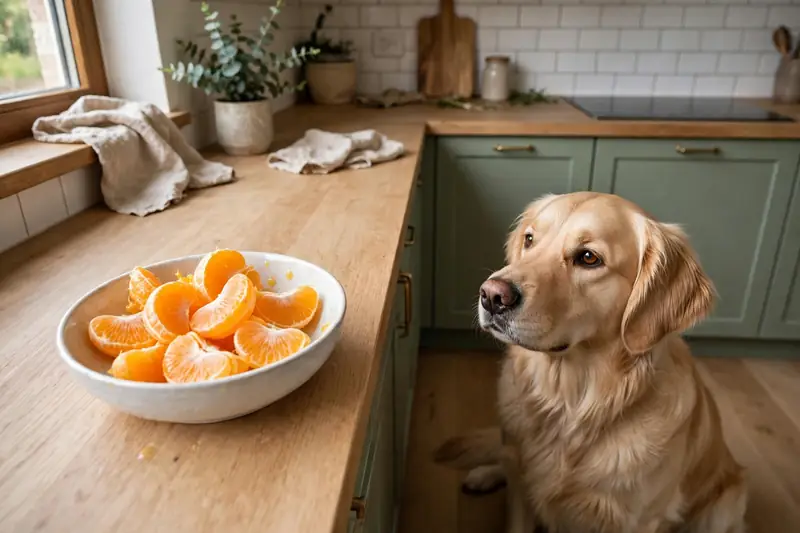
Healthy adults tolerate a stolen lap. Weaker dogs do not get the same margin. Puppies, seniors, and dogs with diabetes, kidney disease, or sensitive stomachs should get no orange juice at all, not even a taste. Their bodies have less room for sugar spikes and acid irritation.
Puppies dehydrate faster than adults, so any vomiting or diarrhea episode hits them harder, and what looks like mild stomach upset in the morning can become a vet visit by the evening. Senior dogs often carry early kidney or metabolic issues that sugar loads aggravate. Diabetic dogs face the sharpest risk: the juice’s sugar can spike blood glucose to dangerous levels within the hour. Dogs with gastroenteritis or chronic digestive trouble gain nothing and risk a flare. For these dogs the rule is absolute rather than portion-based. Owners should treat any exposure as worth a vet call rather than a wait.
Better drinks and treats to offer instead
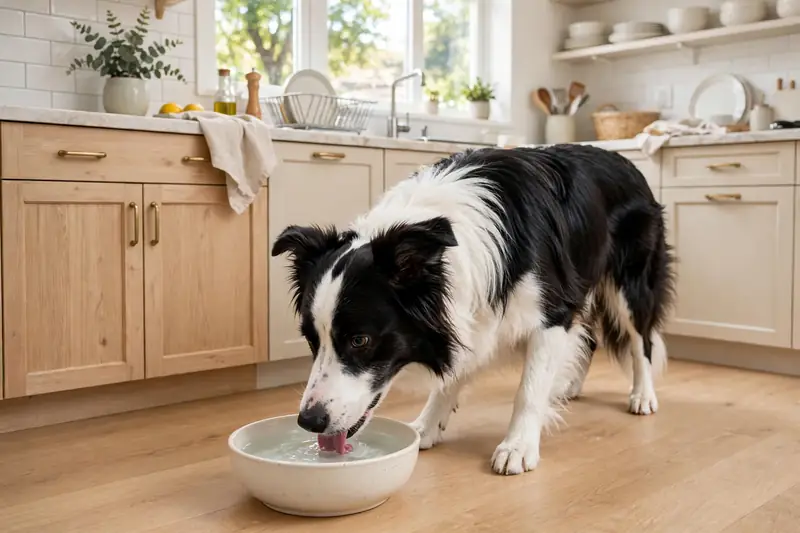
Dogs do not miss what they never needed. Fresh water remains the only drink dogs need, and whole fruit treats like seedless apple slices or blueberries beat juice on every measure. The safe drinks for dogs guide covers the full list, and it is refreshingly short.

For owners who enjoy sharing fruit, the produce drawer offers better options. Blueberries bring antioxidants with minimal sugar. Seedless apple slices bring fiber and crunch. Watermelon chunks, rind removed, hydrate on hot days. Each of these beats apple juice and every other fruit juice for the same reason whole fruit beats juice. Fiber slows the sugar. Portions stay visible. Nothing arrives concentrated. Keep fruit treats within the 10-percent treat budget, and the dog gets the ritual of sharing without the sugar flood that juice would have delivered. The dog gets the ritual of sharing without the sugar flood.
When to call the vet
Most incidents with this drink end with an upset stomach and a lesson learned. Call your vet if the juice may have contained xylitol, if vomiting or diarrhea persists beyond a day, if the dog is diabetic, or if a puppy shows any symptoms at all. Xylitol suspicion is an immediate emergency at any dose.
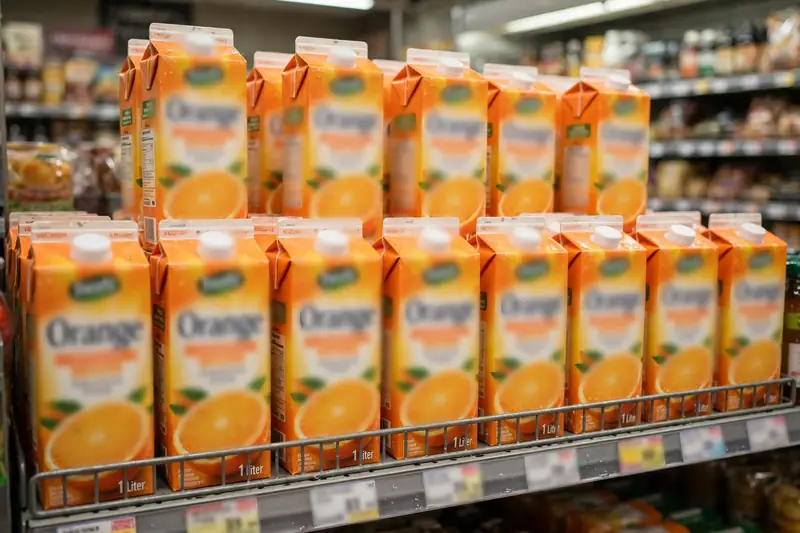
Have the carton or bottle in hand when you call. The vet needs the exact product name and the ingredient list, not a description from memory, because the advice for xylitol and the advice for plain sugar differ completely. For plain juice overindulgence without red flags, home monitoring usually suffices. Fresh water and rest, plus a bland diet until the stool firms up. Save the poison control number alongside your vet’s clinic number before the next incident. Citrus season brings the question around every year, and a saved phone number plus a checked label beats panic every single time.
Frequently asked questions about dogs and orange juice
Owners usually ask about the fruit itself, other citrus drinks, and store-bought juice. The answers below cover the questions that come up most often.
Can dogs eat oranges?
Peeled orange segments are fine as an occasional treat. One or two small segments for most dogs, with all seeds and peel removed, plus the pith. The sugar means portions stay small, and some dogs dislike the citrus taste anyway.
Can dogs drink lemonade or limeade?
Lemonade and limeade are worse than orange juice. They carry even more acid and usually far more added sugar. The combination is harsher on the stomach with no upside. Keep all of them away from the dog.
Is orange peel toxic to dogs?
The peel’s essential oils irritate the gut and are considered toxic in larger quantities, though the peel is not classed as a deadly poison. Dogs that eat peel often vomit. Keep peels out of reach and in a closed bin.
Can dogs drink store-bought orange juice?
Store-bought juice adds new worries to the natural ones: added sugars and preservatives, possibly artificial sweeteners. Some diet versions contain xylitol, which is lethal. Check every label, and the answer stays no regardless.
Will orange juice boost my dog’s immune system?
The vitamin C in orange juice does nothing for a dog’s immunity, because dogs make their own. Immune problems need a vet’s diagnosis. Juice is sugar water with good marketing, not medicine.
Can dogs drink grapefruit or lime juice?
Grapefruit and lime juices are more acidic than orange juice and share the same sugar problem. Grapefruit also interacts with certain medications in people, and caution extends to dogs on medication. Skip all citrus juices.
This is the rare drink that is not poisonous and still wrong for dogs. The acid punishes the stomach, the sugar punishes the waistline and teeth, and the vitamin C story that sells it to people does not apply to animals that make their own. A lick off the floor needs no panic. A habit needs to end. Water fills the bowl, whole fruit in tiny portions covers the sharing urge, and the juice stays on the breakfast table where it belongs.
Disclaimer: This article is general information, not veterinary advice. Dogs with diabetes, kidney disease, or digestive conditions should get drink guidance from their own veterinarian.


