
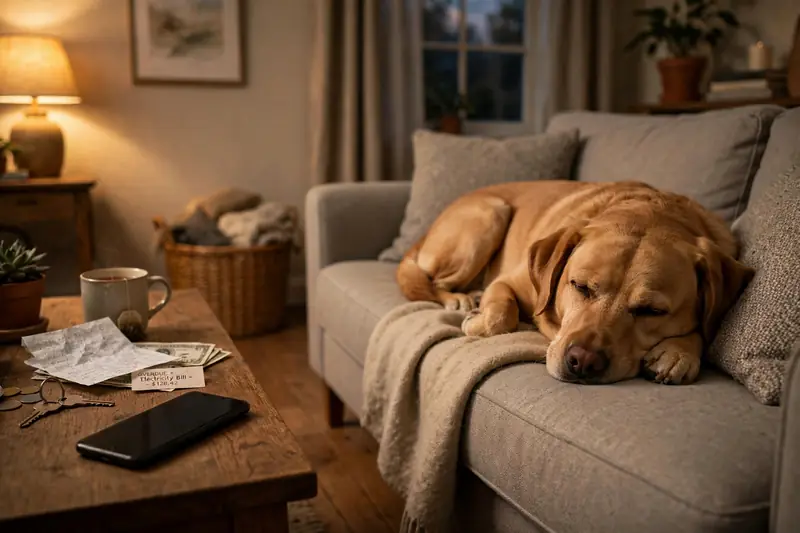
Your dog just lapped beer from a glass left on the coffee table, and you need to know whether this is a scare or an emergency. Here is the straight answer. No amount of alcohol is safe for dogs, and any real ingestion deserves an immediate call to your vet or a poison hotline. A single lick in a large dog is usually a watch-and-wait situation. A few gulps in a small dog can be life-threatening within the hour. The sections below tell you what to do right now, how dose and size interact, and where alcohol hides in your house beyond the bottle.
What to do RIGHT NOW if your dog drank alcohol

Move the dog away from the alcohol so it cannot drink more, then call your veterinarian or an emergency animal hospital immediately. If you cannot reach one, call the ASPCA Poison Control or Pet Poison Helpline line. Do this before symptoms appear, because alcohol absorbs fast and early guidance changes outcomes.
Have three facts ready when you call: what the dog drank, roughly how much, and when. Keep the dog somewhere safe, warm, and away from stairs while you wait for instructions, since wobbliness and falls are common. Do not induce vomiting unless the vet specifically tells you to. Alcohol absorbs so quickly that vomiting rarely helps, and a wobbly or drowsy dog can inhale vomit into its lungs. Do not offer food, water, or any home remedy either. Your job in the first minutes is containment and a phone call, nothing more creative than that.
The short answer: can dogs drink alcohol?
Dogs cannot safely drink alcohol in any amount. Ethanol depresses their central nervous system, and dogs absorb it faster and break it down more slowly than people do. Small amounts cause wobbliness and drowsiness. Larger amounts cause vomiting, breathing trouble, seizures, coma, and death.

There is no safe threshold and no “dog-safe” serving. The Pet Poison Helpline lists ethanol as toxic to pets, with rapid onset of lethargy, stumbling, and vomiting after ingestion. The ASPCA’s people-foods list puts alcohol among the items that never belong in a pet’s diet. A large dog that steals one lick of spilled beer will most likely be fine with monitoring, but that is luck and dilution, not safety. The rule stays absolute because the margin between a scare and an emergency is thinnest in small dogs, puppies, and seniors.
Why dogs handle alcohol so much worse than people
Three disadvantages stack against the dog. First, size. A 10-pound dog drinking the same beer as a 180-pound person takes roughly eighteen times the dose per pound. Second, speed. Ethanol absorbs rapidly from a dog’s stomach and intestines into the bloodstream, and symptoms can begin within 30 minutes. Third, metabolism. Dogs produce less alcohol dehydrogenase, the liver enzyme that breaks ethanol down, so the alcohol circulates longer and hits harder.

The practical result is that a dog gets drunker faster, stays drunk longer, and reaches dangerous blood levels on amounts a person would barely notice. Puppies and small breeds sit at the extreme end of every one of those curves, and senior dogs or dogs with liver disease have even less metabolic room.
How much alcohol is dangerous: the dose table
Veterinary toxicology puts the published oral lethal dose of ethanol for dogs at roughly 5.5 to 7.9 grams per kilogram of body weight, a range cited from the Merck Veterinary Manual’s toxicology references. Symptoms and organ damage begin at much lower doses, so treat these numbers as the far edge of danger, not a line to approach.
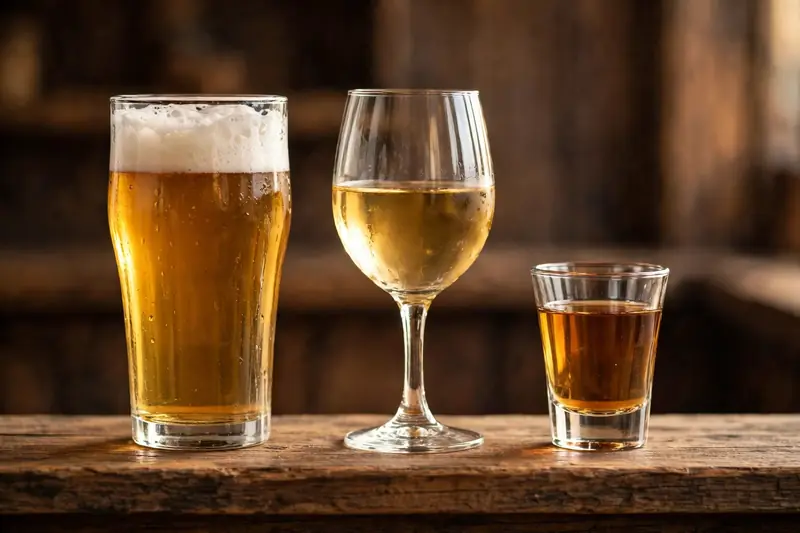
A standard drink, whether a 12-ounce beer, a 5-ounce glass of wine, or a 1.5-ounce shot of spirits, contains about 14 grams of pure ethanol. That single fact makes the table below easy to read.
| Dog size | Weight | Approx. lethal ethanol range | What that looks like |
|---|---|---|---|
| Toy (Chihuahua, Yorkie) | 2 kg / 4.4 lb | 11 to 16 g | About one beer |
| Small (Beagle, Frenchie) | 5 kg / 11 lb | 28 to 40 g | About two beers |
| Medium (Border Collie) | 10 kg / 22 lb | 55 to 79 g | About four beers |
| Large (Labrador) | 20 kg / 44 lb | 110 to 158 g | About eight beers |
| Giant (Great Dane) | 30 kg / 66 lb | 165 to 237 g | About twelve beers |
Read the table with the right fear. A Chihuahua does not need to finish a beer to be in trouble. Vomiting, stumbling, and dangerous drowsiness arrive well before the lethal range, and a single strong cocktail can carry the ethanol of two or three beers in a few ounces. Concentrated spirits are the real killers in small dogs: a couple of ounces of vodka hold as much ethanol as a beer, in a volume a small dog can swallow in seconds.
Beer, wine, and liquor: which is worst
All alcohol is dangerous, but concentration decides how fast trouble arrives. Liquor and spirits are the worst per sip because a small volume carries a large ethanol load. A curious dog that laps a spilled shot gets a beer-sized dose before the owner crosses the room.
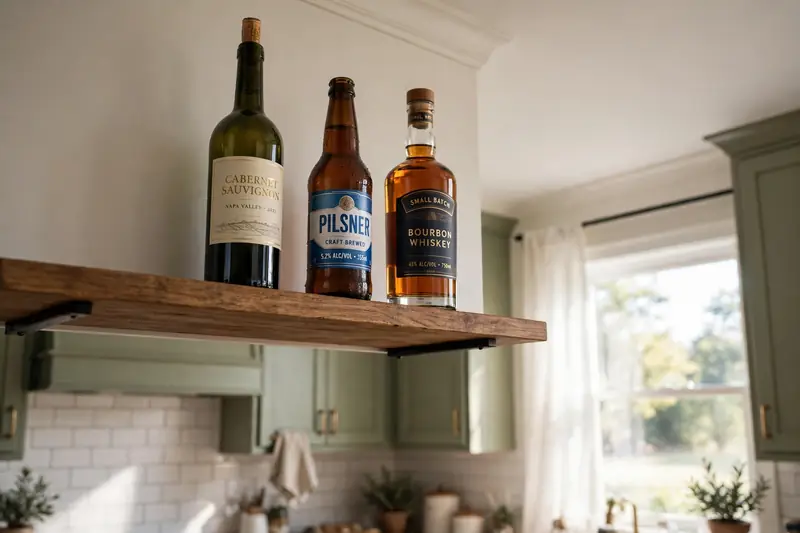
Wine sits in the middle on ethanol but carries a second poison: grapes. Wine is fermented grape juice, and grapes can cause kidney failure in dogs on their own, as our grape guide explains. Beer looks mildest by volume, yet it has its own extra hazard in hops, the flowers used in brewing, which can trigger dangerous overheating in dogs. Our beer guide covers that double threat. Cocktails and mixed drinks hide their strength behind sweetness, which makes dogs more willing to drink them and owners worse at estimating the dose.
Hidden alcohol sources most owners miss
The bottle is the obvious source. The sneaky ones cause a surprising share of cases. Hand sanitizer can contain 60 percent or more ethanol, and a dog that chews a bottle or licks a freshly sanitized hand gets a concentrated dose. Mouthwash, vanilla extract, and some cooking extracts run 35 percent alcohol or higher. Rubbing alcohol is isopropanol, a different chemical and even more toxic per ounce.

Raw bread dough deserves special attention: yeast keeps producing ethanol inside the dog’s warm stomach after swallowing, and the expanding dough can bloat the stomach dangerously. Fermenting fruit, kombucha, and some sugar-free products round out the list. Walk your home once with fresh eyes: anything with an alcohol percentage on the label goes behind a closed door. Puppies explore with their mouths, and a bottle at nose height is an invitation.
Signs of alcohol poisoning, in order
Symptoms usually start within 30 to 60 minutes and escalate. Early signs look like simple drunkenness: wobbliness, stumbling, excessive drooling, and unusual sleepiness. The dog may seem confused or overly affectionate, then quiet.

Moderate poisoning adds vomiting, slow reflexes, and a drop in body temperature. The dog feels cool to the touch and may shiver. Severe poisoning brings slow or labored breathing, pale gums, seizures, and loss of consciousness. A dog that cannot be roused, is breathing strangely, or is seizing is in a life-threatening emergency. Drive to the nearest veterinary ER at once, even if you have not reached anyone by phone. Do not wait to see if the dog “sleeps it off.” Sleep is exactly what severe alcohol poisoning looks like, and waiting turns a treatable case into a fatal one.
What the vet will actually do
There is no antidote for alcohol poisoning, so treatment is supportive: the vet keeps the dog stable while its body clears the ethanol. Expect IV fluids to support blood pressure and hydration, continuous monitoring of heart rate, breathing, and temperature, and warming support since alcohol drops body temperature.

Severe cases may need anti-seizure medication, breathing support, and blood sugar monitoring, since alcohol can crash blood sugar in small dogs. Most dogs that receive prompt care recover fully within 12 to 24 hours. The critical window is the first few hours, when blood alcohol peaks and breathing problems are most likely. After discharge, expect a quiet day: rest, water, and a bland diet if the stomach is still unsettled. The VCA’s feeding guidelines are a good reset point for getting meals back to normal.
Preventing the next scare
Prevention is a habit, not a lecture. Drinks go in lidded cups or on high surfaces, never on coffee tables at dog-nose height. Party rules matter most: guests set drinks down everywhere and dogs patrol everywhere, so during gatherings keep the dog in a separate room or assign one person to watch it.
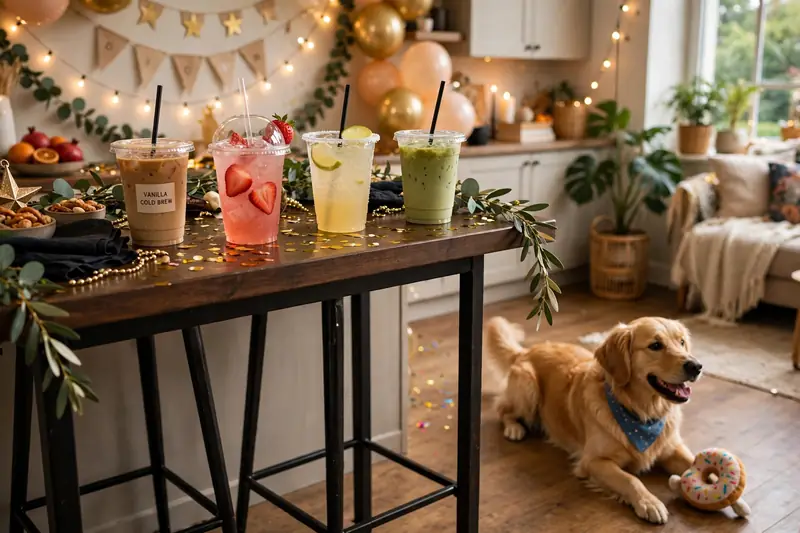
Teach a solid “leave it” for anything on the floor, and clean spills immediately. Store liquor in a closed cabinet, not on a low bar cart. Keep hand sanitizer, mouthwash, and extracts behind doors. Save the poison hotline number in your phone now, before you need it at midnight. The owners who act fastest are the ones who planned ahead. For the full list of household dangers, our toxic foods list and safe drinks guide belong on the same fridge.
The safest rule is the simplest one. Alcohol has no safe dose for dogs, and the margin between a scare and an emergency shrinks with every pound the dog does not have. Keep drinks in closed containers, clean spills before a curious nose finds them, and save the emergency vet number in your phone tonight. If the worst happens, fast action and honest information about what your dog drank give the vet the best chance to help.
Frequently asked questions about dogs and alcohol
Owners usually ask about tiny amounts, vomiting, and recovery time. The answers below cover the questions that come up most.
My dog licked spilled beer. Will it be okay?
One lick in a medium or large dog is most likely fine. Watch for wobbliness or vomiting over the next few hours and keep the dog somewhere safe. In a small dog or puppy, even a lick deserves a call to the vet, because the dose per pound is so much higher.
Can I let my dog sleep off alcohol?
Heavy sleepiness is itself a symptom of alcohol poisoning, not a cure for it. A dog that seems peacefully asleep may be sliding toward dangerous central nervous system depression. Monitor breathing and responsiveness, and get veterinary guidance instead of waiting.
Should I make my dog vomit after it drank alcohol?
Only if a veterinarian specifically tells you to. Alcohol absorbs within minutes, so vomiting rarely removes much, and a drowsy or wobbly dog can inhale vomit into its lungs. Read our vomiting guide to understand when it helps and when it harms, but make the call first.
How long does alcohol poisoning last in dogs?
With prompt veterinary care, most dogs recover fully within 12 to 24 hours. Mild cases from tiny ingestions may clear in a few hours of careful monitoring at home. Severe cases can need a day or more of hospitalization.
Is non-alcoholic beer safe for dogs?
Non-alcoholic beer is not safe either. It still contains trace alcohol plus hops, which are toxic to dogs in their own right. The safe alternative is a dog-specific “beer” made from broth with no alcohol and no hops.
Can alcohol absorb through my dog’s skin?
Spilled liquor on fur matters because dogs absorb alcohol through skin and lick it off while grooming. Rinse the area with water and call your vet if a significant amount was involved.

Alcohol and dogs do not mix at any dose. Small bodies, fast absorption, slow breakdown: that is the whole chemistry. Keep every form of alcohol out of reach, learn the hidden sources, and when something happens, call fast instead of waiting. The dogs that do best are the ones whose owners treat the first wobble as an emergency, not a funny story.
Disclaimer: This article is for general information only and is not veterinary advice. Alcohol poisoning is a medical emergency. If your dog ingests any alcohol, contact your veterinarian or a pet poison hotline immediately rather than relying on this guide alone.

2 thoughts on “Can Dogs Drink Alcohol? Emergency Guide to Ethanol Poisoning”