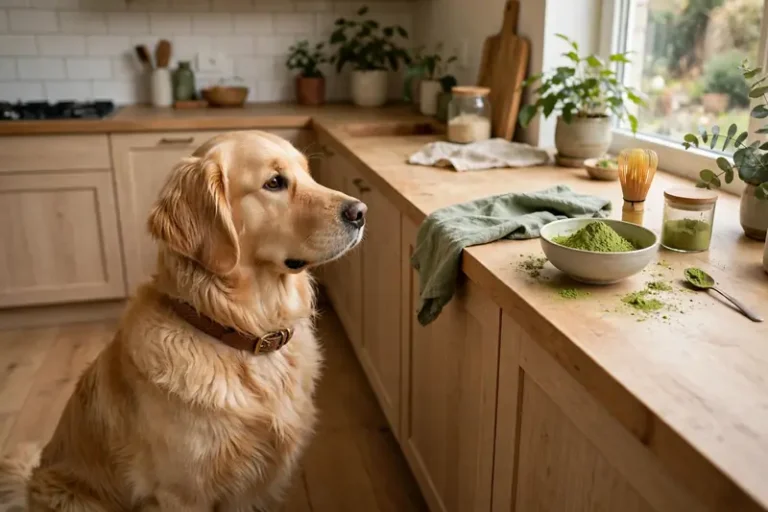
Zuke’s Mini Naturals are soft, pea-size training treats with about 2 calories per piece, sold in 6-ounce pouches and 16-ounce resealable bags across six flavors. Trainers buy them for one reason: you can reward a dog thirty times in a session without blowing the day’s calorie budget. The treats are soft enough to eat in one gulp, which keeps rapid training loops moving. That combination explains why the line has stayed popular for years.

Why trainers reach for these first
High-repetition training needs a treat the dog swallows instantly, and a 2-calorie soft morsel is the closest thing to a free reward. Every trainer hits the same wall: the dog learns fast, but each reward costs focus time (chewing) and calories. Crunchy biscuits cost both. Mini Naturals cost almost neither. The dog eats, swallows, and looks back at you in under two seconds.
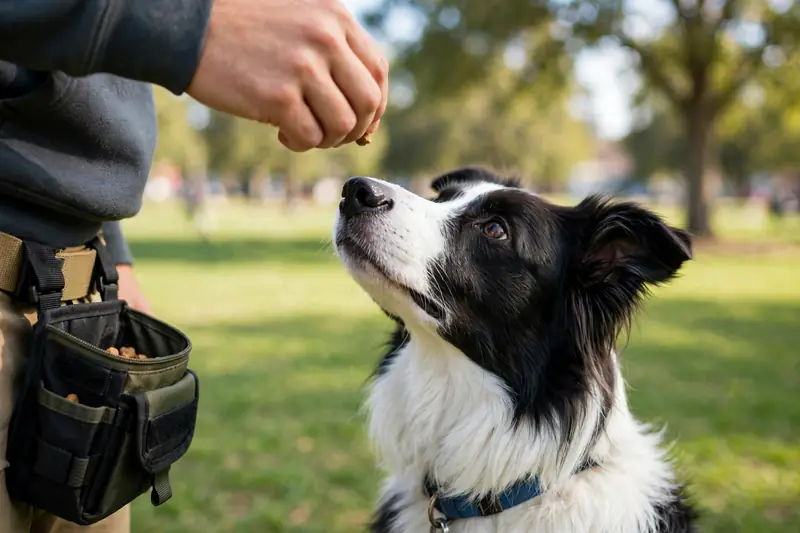
The 16-ounce bag holds roughly 500 treats, according to retailer listings. For an owner attending weekly classes, that bag stretches across two months of sessions. The resealable pouch matters more than it sounds; soft treats dry into pebbles in an open bag, and vegetable glycerin (the humectant that keeps them moist) only works if the air stays out.
Puppy kindergarten is where the math shines brightest. A six-week course with daily homework can mean 40 to 60 rewards a day, and a new owner using 9-calorie treats hits the puppy’s whole treat budget before lunch. With 2-calorie pieces, the same homework costs 80 to 120 calories, which a growing puppy’s budget absorbs. Trainers who hand out starter bags at orientation usually pick this line for exactly that reason: beginners cannot overdo it easily.
New trainers make one predictable mistake: buying the 6-ounce pouch for a large, food-driven dog and running out mid-week. Start with the 16-ounce bag. The per-treat cost drops, the pouch reseals better, and you will use them.
Flavors and sizes on the shelf
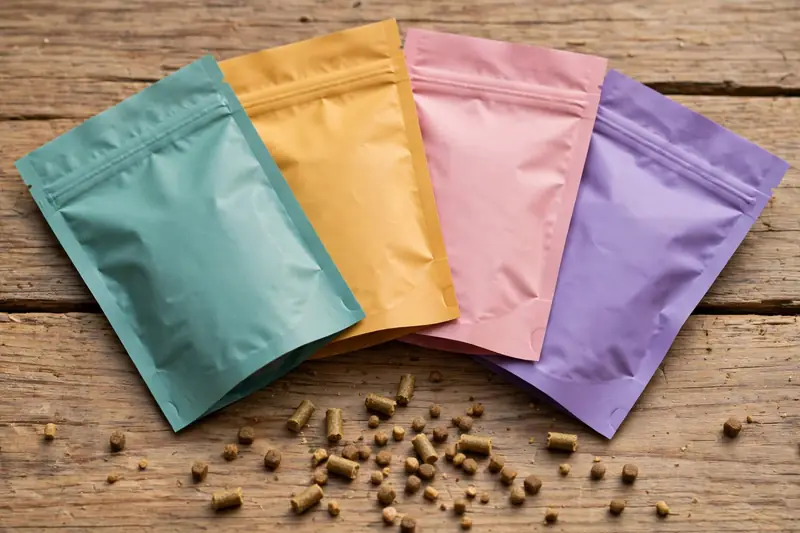
Retailers list six Mini Naturals flavors: chicken, beef, salmon, duck, peanut butter, and turkey with pumpkin, in 6-ounce pouches and 16-ounce (1-pound) resealable bags. Chicken is the flagship and the easiest to find. The variety four-pack bundles chicken, beef, salmon, and peanut butter in 6-ounce pouches for owners who want to test preferences before committing.

Protein rotation is the practical reason for multiple flavors. Dogs that train daily can lose interest in one flavor after weeks of repetition; switching proteins refreshes the reward value without changing the calorie math. The duck recipe suits dogs avoiding common proteins, and the peanut butter recipe gives handlers a poultry-free option. The peanut butter safety guide covers the label check that recipe needs.
Check the flavor’s first ingredient when buying for a sensitive dog. Each recipe leads with its named protein, so the chicken recipe is wrong for a chicken-sensitive dog even though the line as a whole is marketed as gentle. The bag in your hand is the only label that matters. The AKC’s guide to choosing treats gives the same advice: review the ingredient list before choosing any treat.
The ingredient panel, decoded
Each Mini Naturals recipe leads with real named meat, adds cherries for antioxidants, skips corn, wheat, and soy, and uses vegetable glycerin to stay soft. The chicken recipe’s panel reads like the category’s better examples: chicken first, then the supporting cast of cherries, vitamins, and minerals. No rendered by-products headline the list, and no artificial colors or flavors appear. For deeper nutrition science behind label claims, Tufts’ veterinary nutrition resources are written by board-certified nutritionists.

Cherries are the signature secondary ingredient. They supply natural antioxidants and, more usefully for training, aroma; the tart-cherry scent is part of why dogs notice these treats in a pouch full of options. The vitamin and mineral premix turns a simple reward into a micro-supplement, though nobody should buy training treats for the micronutrients.
Vegetable glycerin deserves an honest paragraph. It keeps the treats soft and moist for weeks after opening, which is the product’s core texture promise. It also makes the treats slightly sticky, which means residue in treat pouches and on fingers. That stickiness is the price of softness. Rinse the pouch weekly or it develops a film.
The calorie math, done properly
At 2 calories per piece, thirty rewards cost 60 calories, which fits inside the 10-percent treat budget of all but the smallest dogs. The VCA’s feeding guidelines cap treats at roughly 10 percent of daily calories. A 40-pound dog eating 900 calories a day gets 90 treat calories: 45 Mini Naturals. A 15-pound dog eating 400 calories gets 40 treat calories: 20 pieces. Small dogs run tighter calorie budgets overall, as the small-dog nutrition guide explains.

Compare that to standard soft training treats at 5 to 9 calories each, where twenty rewards can eat the whole budget. PetMD’s treats guide covers the same 10-percent math for everyday treat decisions. The 2-calorie figure is the product’s entire value proposition. Everything else (flavors, cherries, softness) is execution around that number.
Session planning gets simple. Decide the session’s reward count first (say 25), multiply by two, subtract from the day’s treat budget, and the remainder is what the dog gets outside training. Owners who skip this math end up with a trained dog and a fat dog in the same body.
Training use: where soft beats crunchy
Soft treats win rapid-fire training because the dog never stops to chew, and Mini Naturals are built exactly for that tempo. Mark a behavior, deliver, dog swallows, dog reorients: the loop takes three seconds. Crunchy treats stretch it to six or eight. Over a fifty-rep session, that difference is the gap between a focused dog and a wandering one.

The pea size matters for precision. A treat the dog must chew gets dropped, sniffed, and relocated; a treat that vanishes on the tongue keeps the dog’s eyes on the handler. For distance work and agility, where the reward must travel, the small soft square is easy to toss accurately and easy for the dog to catch.
Jackpot rewards need a separate plan. Trainers use a higher-value reward for breakthrough moments, and Mini Naturals are deliberately mid-value: exciting enough for routine reps, not exciting enough for jackpots. Keep a small bag of something smellier (freeze-dried liver, cheese) for the big moments. Using the same treat for everything flattens its value.
Scent work and nose games are the exception that proves the mid-value rule. Handlers in scent classes often upgrade to smellier rewards because the dog’s nose is already the star of the session and a mild treat fades into the background. For obedience, rally, and manners, though, mid-value is the sweet spot: the dog works for the game, not just the payout.
Who should skip them
Dogs with chicken sensitivity should avoid the chicken recipe, heavy gulpers need supervision with any pea-size treat, and owners wanting dental benefits should look elsewhere. The chicken recipe is the default purchase and the wrong one for the many dogs with poultry sensitivities; the beef, salmon, or duck recipes solve it. Read the front of the bag, not the brand name.

Gulping is the underrated risk. Pea-size treats are meant to be swallowed whole, but dogs that inhale food can take three or four at once and cough. Scatter the rewards or deliver one at a time with a pause. This is handler technique, not a product defect, but it belongs in an honest review.
The dental trade-off is real and rarely mentioned. Soft treats provide zero abrasive cleaning, so a dog trained heavily on soft rewards needs its dental care from elsewhere: brushing, VOHC-accepted dental chews, or annual cleanings. Crunchy training treats are not much better, but they are not zero.
Zuke’s vs the competition
Against Crunchy O’s, Mini Naturals win speed and lose pocket-ability; against freeze-dried single-ingredient treats, they win price and lose ingredient purity. Fromm’s Crunchy O’s are the direct crunchy rival at the same 2 calories: better in a pocket (no sticky residue), worse in rapid loops (chewing breaks focus). Many trainers carry both and switch by drill type.
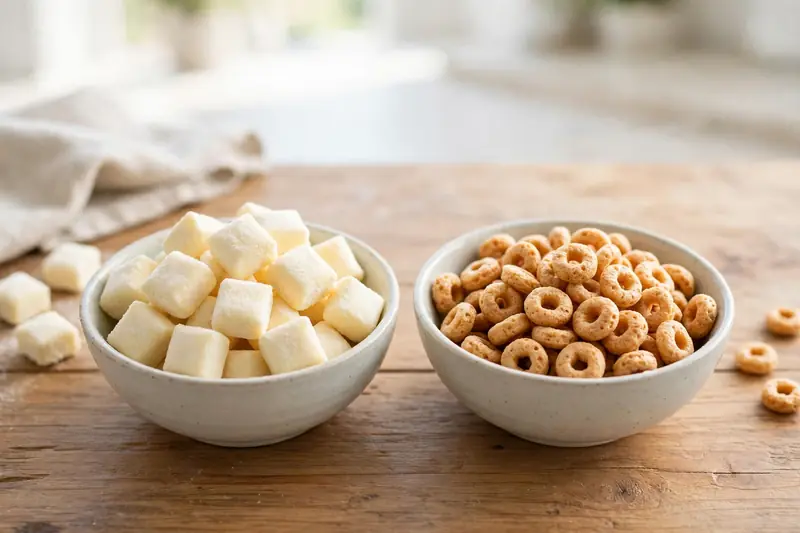
Freeze-dried liver and single-ingredient meat treats beat Mini Naturals on label simplicity: one ingredient, nothing else. They lose on cost per reward (often 3 to 5 times more per piece) and on calorie control (denser per piece). For high-volume training, the economics favor Zuke’s; for the occasional high-value reward, freeze-dried wins.
Store-brand soft training treats compete on price and usually lose on consistency. The common complaint is batch variation: one bag soft, the next dry. Zuke’s glycerin formulation holds texture better across bags, which is an unglamorous but real advantage when you buy monthly.
The soft-treat tradeoffs nobody advertises
Soft training treats leave residue in pouches, go stale fast once opened, and teach dogs to expect food that vanishes instantly. The pouch film is the daily annoyance: glycerin-coated crumbs build up, and a pouch left unwashed for two weeks smells like a chemistry experiment. A weekly rinse solves it. Owners who hate maintenance prefer crunchy treats for this reason alone. Owners who bake can also make homemade training treats for full ingredient control.
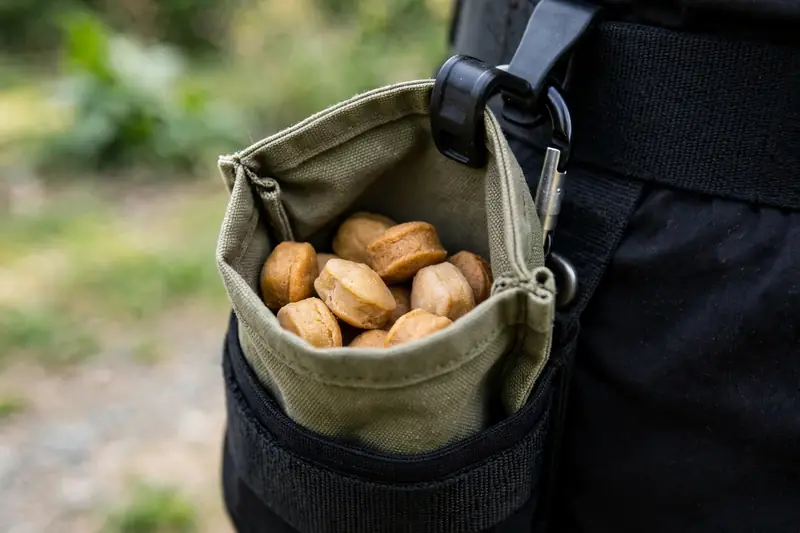
Staleness is the second trade-off. An open 16-ounce bag stays fresh for weeks if resealed, but a carelessly closed bag turns the treats into hard pellets within days. The 6-ounce pouch is the answer for owners who train sporadically; less to waste, less to stale.
The third trade-off is behavioral, not physical. Dogs trained exclusively on instant-swallow treats can get frustrated by chews and puzzle toys that require work. Mix in longer-lasting rewards (stuffable toys, frozen Kongs) so the dog keeps its patience for earned food. For calmer reward options, the calming treats guide covers formulas with soothing ingredients. Variety in reward texture builds a more flexible dog.
Frequently asked questions about Zuke’s Mini Naturals
Buyers usually ask about the calorie count, the flavors, and whether the treats suit puppies. The answers below use the labels and listings, not marketing copy.
How many calories are in each Zuke’s Mini Natural?
About 2 calories per treat, per the brand and retailer listings. That is the figure the whole product is built around. Some listings say “under 3 calories”; the practical number for session math is 2.
What flavors do Zuke’s Mini Naturals come in?
Chicken, beef, salmon, duck, peanut butter, and turkey with pumpkin. Availability varies by retailer, and seasonal or limited recipes appear and disappear. Chicken is the easiest to find and the usual starting point.
Are Zuke’s Mini Naturals good for puppies?
Yes, for puppies over eight weeks. The soft texture suits young mouths, and the 2-calorie size keeps puppy treat budgets intact. Keep total treats under 10 percent of the puppy’s daily calories, and use the chicken-free recipes if the puppy shows poultry sensitivity.
Do Zuke’s Mini Naturals need refrigeration?
No. The resealable pouch keeps them fresh at room temperature for weeks after opening. Refrigeration is unnecessary and can actually firm the texture. Reseal tightly after every session; air is the enemy, not warmth.
Are they made in the USA?
Retailer listings describe the line as crafted in the USA with globally sourced ingredients, which is the standard formulation for this category. Check the current bag for the exact origin statement, since sourcing can change between production runs.
Can I use them as meal toppers instead of training treats?
You can, but it wastes their design. Scattered over kibble, the 2-calorie size disappears without adding much. They earn their price in the training loop. For toppers, larger, smellier additions work better and cost less per meal.
Zuke’s Mini Naturals do one thing extremely well: deliver a huge number of low-calorie rewards in a soft, fast package. Buy them for high-repetition training, rotate flavors to keep the dog interested, and wash the treat pouch. The product has no surprises, which is exactly what a training treat should be.
Disclaimer: This article is for general information only and is not veterinary advice. Treats should stay under 10 percent of your dog’s daily calories. If your dog has food allergies or a medical condition, check new treats with your veterinarian first.