

Few things test an owner’s love like catching the dog with its head in the litter box. Why do dogs eat cat poop? The short version is that to a dog’s nose, it smells like food, because it partly is. Cat food is rich in protein and fat, and what passes through the cat still smells like dinner to a dog. The habit even has a scientific name, coprophagia, and it is one of the most common gross behaviors in dogs. It is usually normal, sometimes risky, and almost always fixable.
The short answer to a gross question
Dogs eat cat poop mainly because it smells and tastes like food to them. Cat food is high in protein and fat, and a dog’s powerful nose reads the leftovers as a snack. The behavior is called coprophagia, it is common and usually normal, but it can expose dogs to parasites and bacteria.

This is the part that helps most owners relax. Your dog is not broken, spiteful, or starving. It is a scavenger following its nose to something that registers as edible. A UC Davis study presented to veterinary behaviorists found that about one in six dogs is a committed poop eater, caught in the act five or more times. That makes it a mainstream dog behavior, not a rare disorder. The concern is not the grossness. It is what might be living in the poop: intestinal parasites, salmonella, and the litter itself. The rest of this guide separates the harmless habit from the parts that genuinely need attention, then lays out what actually stops it.
Why cat poop smells like dinner to dogs
Cat poop smells appealing to dogs because cat food is much richer than dog food. Cats are obligate carnivores, so their food carries far more protein and fat, and their digestion is less complete. What comes out still smells like the rich food that went in, and a dog’s powerful nose cannot tell the difference.
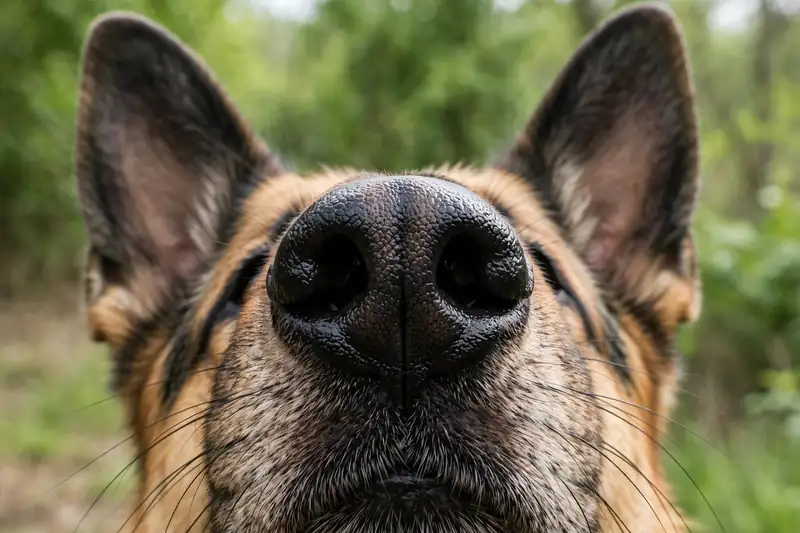
Dogs are scavengers by nature. In the wild, canines eat what they find, and smell is the deciding sense. To us, a litter box smells foul. To a dog, it smells like a concentrated protein bar. This also explains why dogs steal cat food straight from the bowl. The two habits travel together, and a dog that raids the cat’s dinner will raid the litter box next. It is worth noting that this is the one poop-eating scenario with a built-in reward. Eating its own stool offers a dog little nutritional value. Cat stool offers leftover protein and fat, so the behavior reinforces itself. Every successful raid teaches the dog to go back. That self-reward loop is why management, blocking access, matters more than scolding.
The nutrition deficiency theory
Some dogs eat poop because their diet is missing something. Research has long linked coprophagia to B-vitamin deficiency. In 1981, scientists showed that microbial activity in feces synthesizes thiamine, a B vitamin, which suggests dogs may seek stool to fill a gap. Dogs on low-quality food, or dogs with malabsorption problems, are the likeliest candidates.

Before blaming the diet, look at what you are feeding. A complete, balanced dog food from a reputable maker covers the vitamin and mineral bases. Dogs eating bargain food with vague ingredient lists are more plausible deficiency cases. Medical conditions can create the same gap even with good food. Pancreatic insufficiency, intestinal disease, diabetes, Cushing’s disease, and thyroid problems can all increase appetite or reduce nutrient absorption, and the AKC advises a vet check when an adult dog suddenly starts eating poop. That said, most litter-box raiders are healthy dogs with full bowls. For them, the driver is opportunity plus smell, not hunger. Still, the sudden onset of the habit in a dog that never did it before deserves a vet visit and possibly bloodwork, just to rule out the medical side.
Behavioral reasons behind the habit
Boredom, stress, attention-seeking, and plain habit drive most cases. Dogs left alone in yards or basements eat poop more than dogs living close to their people. Puppies explore the world with their mouths, mother dogs clean their puppies by eating their waste, and some dogs simply learn the habit from watching another dog do it.
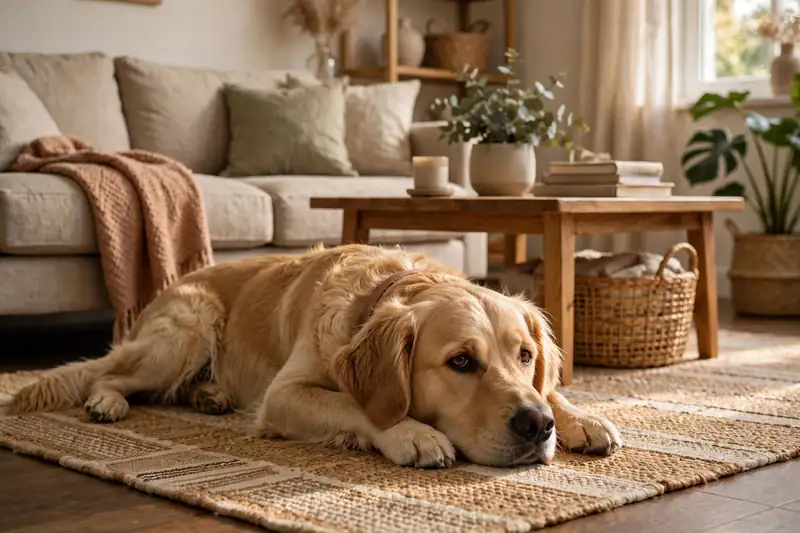
A bored dog invents its own entertainment, and the litter box is a reliable amusement. An anxious dog may develop the habit during stressful changes like a move or a new baby. Attention plays a role too. If raiding the litter box is the one thing that reliably makes the owner sprint across the room shouting, the dog has learned a great trick. Punishment usually backfires. Yelling teaches the dog to raid when you are not watching, not to stop raiding. It can also create anxiety that worsens the behavior. Puppies often outgrow mouthy exploration, but the litter box reward can cement the habit past puppyhood if access stays open. The behavioral cases all point to the same solution set: more exercise, more mental work, and a litter box the dog physically cannot reach.
Health risks of eating cat poop
Cat poop can carry parasites and bacteria that make dogs sick. The main risks are intestinal parasites like roundworms, bacterial infections including salmonella, and in rare cases toxoplasmosis. Most healthy adult dogs eat cat poop with no consequences, but puppies, seniors, and immunocompromised dogs face higher risk. Keep deworming current.

Roundworms top the list. Cats shed the eggs in their stool, and dogs that eat the stool can pick them up. The result is the classic potbelly, dull coat, and digestive trouble, all treatable with dewormers your vet already uses. Salmonella is the second concern. Cats can carry it without symptoms and pass it in their stool, and dogs can then carry it to the humans in the house. Children, elderly people, and immunocompromised family members are the ones most at risk from that chain. Toxoplasmosis gets a lot of internet attention, but clinical disease in dogs is rare. Cats are the definitive host and shed the infectious stage briefly after first infection. Puppies are the exception worth watching, since their immune systems are still developing. Regular fecal tests at the vet catch most of these problems early, which is one more reason the habit should trigger a vet conversation rather than just disgust.
Is cat poop actually toxic to dogs
Cat poop is not poisonous in the way chocolate or xylitol is. There is no toxin in it that harms dogs on contact. The danger is biological, parasites and bacteria, plus the litter it is buried in. A healthy adult dog that eats a small amount will most likely be fine, though the habit still deserves to be stopped.
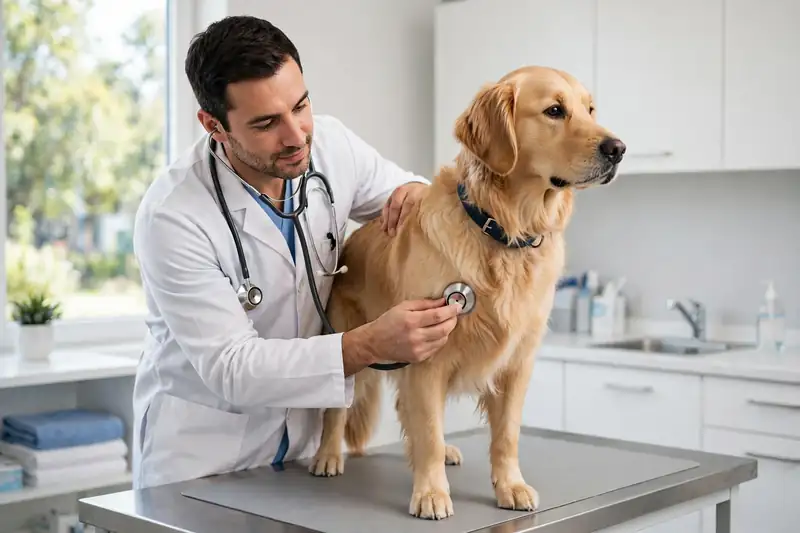
This distinction matters because owners often panic as if the dog ate rat poison. It did not. One raid is not an emergency. Watch for vomiting, diarrhea, or lethargy over the next day or two, the same watch you would keep after any dietary indiscretion. The situations that change the math: a puppy that eats a lot, a dog that is already ill or on immune-suppressing drugs, or stool from a cat with a known parasite infection. In those cases, call the vet rather than waiting. Keep perspective on the reverse direction too. Dogs cannot give cats anything through this habit, but a dog that raids the box may track litter and bacteria through the house. The cleanup concern is as much about the humans as the dog.
The litter itself can be the bigger danger
Clumping litter can be more dangerous than the poop. Sodium bentonite clay expands when wet, and a dog that eats large amounts can develop a gastrointestinal blockage that needs surgery. Non-clumping, paper, or wood litters are safer around dogs. If your dog eats litter in quantity, treat it as urgent.

Blockage signs include repeated vomiting, loss of appetite, abdominal pain, lethargy, and straining without producing stool. Those symptoms warrant an emergency vet visit, not a wait-and-see morning. Even non-clumping litter is not harmless in large amounts. It can irritate the gut and cause vomiting or constipation. Scented litters add another layer, since the fragrances and dust can irritate a dog’s airways and stomach. Some owners switch the whole household to a dog-safer litter as part of solving the raiding problem. Paper pellet and wood-based litters are the usual picks. They do not clump into concrete in a dog’s stomach, and they track less through the house. Whatever litter you use, the best protection is still physical separation between the dog and the box.
How to stop the habit for good
Blocking access beats every other method. Put the litter box where the dog cannot go: behind a baby gate the cat can jump, in a room with a cat-sized door, or on an elevated surface. Scoop daily so there is less reward. Train a solid “leave it,” and reward the dog for walking away from the box.
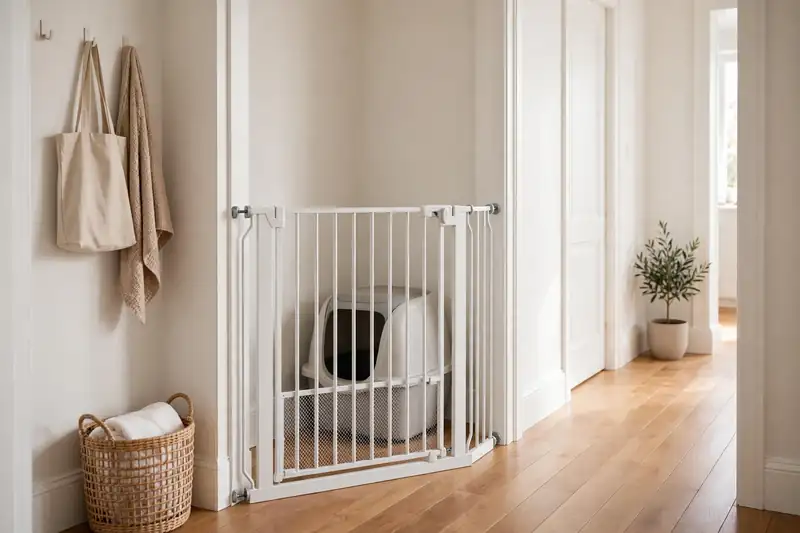
Start with the environment, because training alone rarely beats a self-rewarding habit. A baby gate with a small cat opening is the classic fix. Top-entry litter boxes work for agile cats and defeat most dogs. Some owners cut a cat door into a closet or laundry room door. Scoop at least daily. Less poop in the box means less temptation, and your cat will thank you too. For training, “leave it” is the command that pays off here. Practice with boring items first, then near the box on leash, rewarding every successful disengage with something better than poop, which is a low bar. Never punish after the fact. The dog cannot connect a scolding to an act from an hour ago, and fear around the litter box area can create new problems. Increase the dog’s exercise and enrichment in parallel. A tired dog with puzzle toys raids fewer litter boxes.
When to call the vet about it
Call your vet if the habit starts suddenly in an adult dog, if the dog shows vomiting, diarrhea, weight loss, or a dull coat, or if a puppy is the poop eater. Bring a stool sample to the appointment. Also call if the dog ate a large amount of clumping litter, which is an emergency regardless of symptoms.

Sudden onset is the red flag that points to medical causes. Your vet will likely run a fecal test and bloodwork to check for parasites, malabsorption, diabetes, thyroid issues, and Cushing’s disease. Puppies get a faster track to the clinic because dehydration and parasites hit them harder. If the dog is on steroids or other appetite-stimulating drugs, mention it, since medication-driven hunger is a known trigger. For the everyday healthy raider, mention the habit at the next regular visit so the vet can keep deworming and fecal testing on schedule. There is no shame in the question. Vets hear it constantly. What they want to know is whether the habit is new, how often it happens, and whether the cat is on parasite prevention, all of which shape the advice.
Do deterrent products work
Deterrent products that make poop taste bad have mixed results. They work on the dog’s stool by adding compounds the dog dislikes, but they are designed for dogs eating their own poop, not the cat’s. You would have to dose the cat, the results are inconsistent, and most vets consider blocking access the more reliable fix.
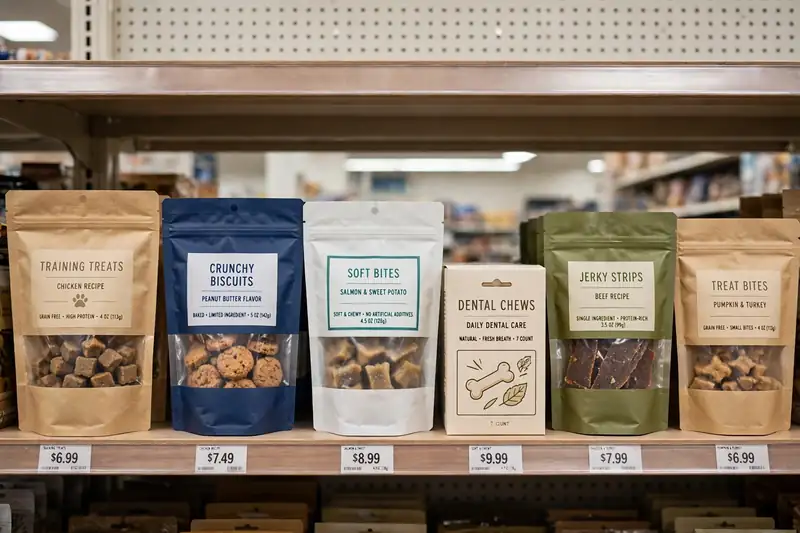
The logic problem is straightforward. These products change the taste of the eater’s own stool. For cat-poop raiding, the product goes into the cat’s food, which means medicating an animal that has no behavior problem. Some owners try hot sauce or bitter sprays on the stool, and dogs often eat it anyway. Taste deterrence also misses the point. The dog is not eating poop because it tastes good in a gourmet sense. It is eating it because it smells like food and the habit is self-rewarding. Management removes the opportunity. Training builds an alternative behavior. Diet review rules out deficiency. Those three cover nearly every case, while deterrent powders cover almost none. Save the money for a good baby gate and a covered box.
Dogs eat cat poop because it smells like food, and in most cases it is a normal, fixable habit rather than a health crisis. Block the box, scoop daily, train “leave it,” and keep the vet in the loop on parasites. The grossest habit in the house usually surrenders to the simplest fix: a gate the cat can clear and the dog cannot.
For the wider version of this behavior, see our guide on why dogs eat poop. If your dog is equally obsessed with the cat’s dinner bowl, read can dogs eat cat food, and for the full safe-foods reference keep our human food guide bookmarked.
Frequently Asked Questions
Why does my dog eat cat poop but not dog poop?
Cat poop smells like rich, high-protein cat food, which appeals to a dog’s nose far more than dog stool does. Dog food is less rich and more fully digested, so a dog’s own stool offers less reward. The cat’s diet is the difference.
Can eating cat poop make my dog sick?
It can, mainly through intestinal parasites like roundworms and bacteria like salmonella. Most healthy adult dogs show no symptoms, but puppies, seniors, and immunocompromised dogs are at higher risk. Keep deworming and fecal tests current.
Will my dog get toxoplasmosis from cat poop?
Clinical toxoplasmosis in dogs is rare. Cats shed the infectious stage briefly after first infection, and healthy adult dogs usually handle exposure without illness. Puppies and immunocompromised dogs are the exception and should be kept away from the litter box.
Is clumping cat litter dangerous for dogs?
Yes, in quantity. Clumping clay expands with moisture and can cause intestinal blockage requiring surgery. Signs include repeated vomiting, appetite loss, and abdominal pain. If your dog eats a lot of clumping litter, treat it as an emergency.
How do I keep my dog out of the litter box?
Use a baby gate with a cat-sized opening, a top-entry box, or a cat door into a closed room. Scoop daily, train a strong “leave it,” and increase the dog’s exercise. Blocking access works far better than punishment or taste deterrents.
Do coprophagia deterrent products work for cat poop?
Rarely. They are made for dogs eating their own stool, so you would have to dose the cat, and results are inconsistent. Management and training solve the problem more reliably. Most vets recommend skipping the powders.
Should I punish my dog for eating cat poop?
No. Punishment teaches the dog to raid when you are not watching and can create anxiety that worsens the habit. Redirect with “leave it,” reward disengaging, and remove access to the box instead.
This article is general information only and is not a substitute for veterinary advice. If your dog has a health condition, is on a prescription diet, or you are unsure about any food, check with your veterinarian first.

1 thought on “Why Do Dogs Eat Cat Poop? (And How to Make Them Stop)”