

No, dogs should not eat avocado. The fruit, pit, skin, and leaves contain persin, a fungicidal toxin that is harmless to humans but can make dogs sick. The large pit also poses a serious choking and intestinal blockage risk. This guide explains exactly which parts of the avocado are dangerous, what happens if your dog eats one, and the safe fruit swaps your dog will love instead.
Can dogs eat avocado? The short answer
No, dogs should not eat avocado. All parts of the avocado plant contain persin, a natural toxin that is harmless to humans but dangerous to dogs. Even small amounts of avocado flesh can cause stomach upset in dogs, and the large pit is a choking and intestinal blockage hazard.

There is a lot of confusion about this one, and it is easy to see why. Avocado is a health food for people, packed with healthy fats and fiber. But what is safe for us is not automatically safe for dogs. The key problem is persin, a fungicidal compound the avocado plant produces naturally to protect its fruit from mold and fungi. Humans, cats’ larger cousins in the food world, tolerate persin without issue. Dogs, horses, birds, and rabbits do not. The American Kennel Club confirms that persin is toxic to dogs, with avocado flesh causing vomiting and diarrhea, and the pit presenting a serious choking and blockage danger. So while one tiny lick of guacamole off the floor is unlikely to be an emergency, avocado has no place in your dog’s regular diet. The risks are real, and there are plenty of safer fruits to offer instead.
What is persin and why is it dangerous for dogs?
Persin is a natural fungicidal toxin found in the leaves, skin, bark, pit, and flesh of avocados. In dogs it can cause vomiting, diarrhea, and in large amounts, heart muscle damage. The concentration is highest in the leaves and bark, but all parts of the plant carry some persin.

Persin belongs to a class of compounds called acetogenins. The avocado tree makes it to defend against fungal infections, which is why the highest concentrations sit in the leaves and bark where the plant is most exposed. Dogs are particularly sensitive to it. When a dog eats avocado, persin irritates the gastrointestinal tract, and in significant amounts it can damage heart muscle tissue (myocardial necrosis has been documented in some animals). Horses, cattle, goats, and birds are even more sensitive than dogs, which is why avocado is famously dangerous on farms. For dogs, the practical takeaway is simple: every part of the avocado carries persin, the flesh carries less than the leaves but still enough to cause vomiting and diarrhea, and there is no safe preparation method that removes it. Cooking does not neutralize persin, so “just a little cooked avocado” is not a loophole.
Is avocado flesh safe for dogs in small amounts?
A tiny taste of ripe avocado flesh is unlikely to seriously harm a healthy large dog, but it is not recommended. Even the flesh contains persin, and its high fat content can trigger stomach upset or pancreatitis in sensitive dogs. There is no nutritional reason to offer it.

This is the question most owners actually ask, because the flesh looks so harmless. Here is the honest answer: a single small bite of ripe flesh will probably not send your dog to the emergency vet, especially if your dog is large. But “probably fine” is not the same as safe. The flesh still contains persin, and dogs vary enormously in sensitivity. More importantly, avocado flesh is very high in fat. A dog that eats a meaningful amount of fatty food in one sitting is at risk of pancreatitis, a painful and potentially serious inflammation of the pancreas that is far more dangerous than a mild case of vomiting. Small breeds, dogs with sensitive stomachs, and dogs prone to pancreatitis are at the highest risk. And since avocado offers your dog nothing that safer foods cannot provide, there is simply no reason to take the gamble. Skip it.
Why is the avocado pit so dangerous?
The avocado pit is a severe choking hazard and can cause life-threatening intestinal blockage. It is large, smooth, and slippery, exactly the kind of object a dog will try to swallow whole. A swallowed pit that lodges in the intestines requires emergency surgery.

If persin is the slow danger, the pit is the fast one. Avocado pits are big, smooth, and just the right size to lodge in a dog’s throat or slide down into the digestive tract. A dog that swallows a pit whole may show no symptoms for a day or two, then develop vomiting, loss of appetite, abdominal pain, and lethargy as the pit blocks the intestines. Intestinal blockage (obstruction) is a genuine emergency: without surgery, it can cut off blood supply to the gut and become fatal. Even if the pit passes, the sharp edges of a partially chewed pit can injure the mouth, throat, or intestines on the way. The pit also contains concentrated persin, so a dog that chews and swallows pit fragments gets a double dose of trouble. If your dog eats avocado, the pit is the part to worry about most urgently.
Are avocado skin, leaves, and the tree dangerous too?
Yes. Avocado skin, leaves, bark, and the pit contain the highest concentrations of persin in the plant. Dogs that chew on avocado trees, fallen leaves, or unripe fruit in the yard are at serious risk. If you have an avocado tree, fence it off from your dog.
This matters most for owners in warm climates where avocado trees grow in yards. The leaves and bark carry the heaviest persin load of any part of the plant, and fallen fruit rots on the ground where curious dogs find it. A dog that habitually chews sticks or leaves in the garden can ingest a meaningful amount of persin over time without you ever seeing a single dramatic incident. If you grow avocados, treat the tree like you would any toxic landscaping plant: fence it off, rake up fallen fruit promptly, and teach a solid “leave it” for garden foraging. House guests with avocado trees should know too, since dogs explore new yards enthusiastically. When in doubt about any plant your dog chews regularly, our guide to whether lilies are toxic to dogs covers another common garden danger.
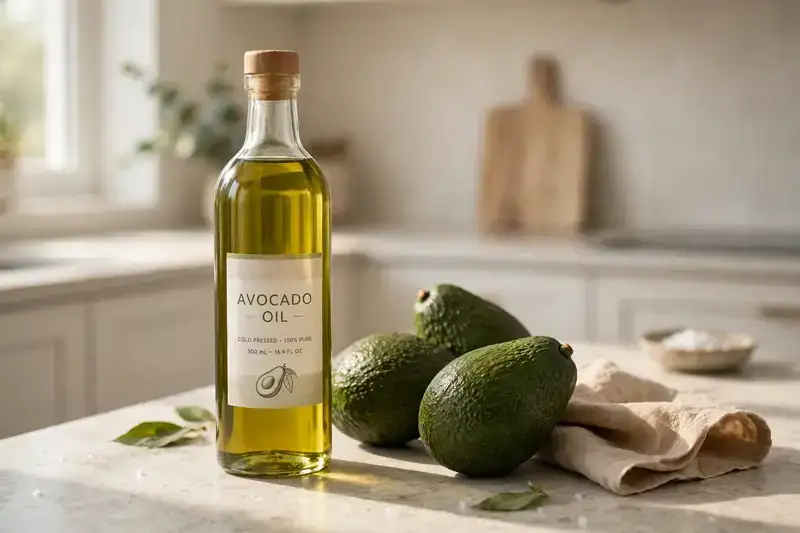
Can dogs have avocado oil?
Avocado oil is generally considered low risk because persin is mostly left behind during oil extraction, but it is still very high in fat and offers no benefit your dog cannot get from safer oils. A tiny amount is unlikely to cause harm, but regular use is not recommended.

Avocado oil sits in a gray area. The extraction process removes most of the persin, so a few drops are unlikely to poison your dog. But avocado oil is essentially pure fat, and adding pure fat to a dog’s diet is rarely a good idea. Dogs that need supplemental fats do better with fish oil or coconut oil in vet-appropriate amounts, both of which have clearer track records for canine health. Avocado oil’s main selling point for humans, its high smoke point and mild flavor, means nothing to a dog. If you are looking for healthy fats for your dog’s coat and joints, read our guide on fish oil for dogs instead, which covers dosing and what the evidence actually supports.
What about guacamole?
No, dogs should not eat guacamole. Beyond the avocado itself, guacamole typically contains onion and garlic, both of which are toxic to dogs, plus high salt and fat. A lick off the floor is unlikely to be an emergency, but keep the bowl far from your dog.

Guacamole takes everything risky about avocado and adds more problems. Classic guacamole recipes include onion and garlic, both members of the allium family that damage dogs’ red blood cells and can cause hemolytic anemia. It is also loaded with salt and fat, and often includes lime juice and chili, none of which belong in a dog’s stomach. Party situations are the real danger zone here: a bowl of guacamole at dog height on a coffee table is an invitation. If your dog laps up a small amount, watch for vomiting or diarrhea, and call your vet if your dog ate a large quantity, especially if the recipe contained onion or garlic. For the full picture on alliums, see our guide on whether dogs can have garlic.
What to do if your dog ate avocado
Stay calm and figure out how much was eaten and which part. If your dog swallowed the pit or a large amount of avocado, call your veterinarian or an emergency animal hospital immediately. If it was a small taste of flesh, monitor for vomiting, diarrhea, or lethargy and call your vet for guidance.

First, do not panic, and do not try to make your dog vomit unless your vet specifically tells you to. Note what your dog ate: flesh only, or skin, pit, or leaves? How much, and how long ago? How big is your dog? Then call your vet with those details. The pit changes everything: a swallowed pit is a potential obstruction emergency even if your dog seems fine right now, so do not wait for symptoms. For flesh-only incidents, your vet will likely advise monitoring at home, watching for vomiting, diarrhea, drooling, or loss of appetite over the next 12 to 24 hours. Save the ASPCA Animal Poison Control number (888-426-4435) in your phone; a consultation fee applies, but it is worth it in a genuine scare. And resist the urge to “wait and see” with a swallowed pit. Obstruction symptoms can take a day or two to appear, and by then the situation is worse.
Signs of avocado poisoning in dogs
Watch for vomiting, diarrhea, drooling, abdominal pain, loss of appetite, and lethargy within 12 to 24 hours. Signs of intestinal blockage from a swallowed pit include repeated vomiting, straining without producing stool, a painful or swollen belly, and collapse. Both situations need veterinary care.

Persin-related symptoms usually show up as gastrointestinal trouble: vomiting, diarrhea, drooling, and a dog that refuses food and wants to lie still. These typically appear within 12 hours and, for small exposures, often resolve with supportive care. The blockage signs are more alarming and more urgent. A dog with an intestinal obstruction vomits repeatedly, may try to defecate without success, develops a tender or distended abdomen, and becomes progressively weaker. This is a surgical emergency, and every hour matters. One more scenario worth knowing: a dog that ate a large amount of fatty avocado flesh can develop pancreatitis, whose signs include repeated vomiting, a hunched “prayer position,” and severe abdominal pain. Pancreatitis also needs prompt veterinary treatment. When in doubt, call the vet. Describing symptoms early is always better than explaining a delay later.
Safe fruit swaps your dog will love
Skip the avocado and offer blueberries, watermelon (seedless), apple slices (no seeds), banana, or strawberries instead. These fruits are safe, low in fat, and most dogs love them. Serve in small, bite-size pieces as occasional treats, not meal replacements.

The good news is that the fruit bowl is full of better options. Blueberries are the standout: tiny, low-calorie, packed with antioxidants, and most dogs go crazy for them. Seedless watermelon is hydrating and refreshing on hot days. Apple slices (seeds removed) give a satisfying crunch. Banana works in small amounts, though it is higher in sugar. Strawberries are safe and usually a hit. Cut everything into bite-size pieces appropriate for your dog’s size, and keep fruit to treat quantities, around 10 percent of daily calories at most. If your dog is new to fruit, introduce one at a time so you can spot any individual sensitivity. For more ideas, our guides on whether dogs can eat blueberries and whether dogs can eat watermelon go deeper on serving sizes and prep.
Frequently Asked Questions
Can dogs eat a small piece of avocado?
A tiny piece of ripe flesh is unlikely to cause serious harm to a healthy large dog, but it is not recommended. All parts of the avocado contain persin, and the high fat content can upset your dog’s stomach or trigger pancreatitis.
What happens if a dog eats an avocado pit?
The pit is a choking hazard and can cause intestinal blockage, which is a surgical emergency. Call your veterinarian immediately if your dog swallows a pit, even if the dog seems fine.
Is avocado oil safe for dogs?
Avocado oil is low in persin after extraction, so a tiny amount is unlikely to cause harm. However, it is very high in fat with no special benefit for dogs, so safer oils like fish oil are better choices.
Can dogs eat guacamole?
No. Guacamole contains avocado plus usually onion and garlic, both toxic to dogs, along with high salt and fat. Keep it away from your dog, especially at parties.
How much avocado is toxic to a dog?
There is no established safe amount. Sensitivity varies by dog size and individual tolerance. The leaves, bark, and pit are the most dangerous parts. Any significant amount, or any swallowed pit, warrants a call to your vet.
What are the signs of avocado poisoning in dogs?
Vomiting, diarrhea, drooling, loss of appetite, and lethargy within 12 to 24 hours. Repeated vomiting, a painful swollen belly, or straining without stool suggest intestinal blockage and need emergency care.
What fruits can dogs eat instead of avocado?
Blueberries, seedless watermelon, apple slices without seeds, banana in small amounts, and strawberries are all safe choices. Serve bite-size pieces as occasional treats.
This article is general information only and is not a substitute for veterinary advice. If your dog eats something questionable or shows symptoms, contact your veterinarian promptly.



3 thoughts on “Can Dogs Eat Avocado? Why the Answer Is No”