Turkey tail mushroom for dogs is one of the few natural supplements with a genuine published study behind it. Researchers at the University of Pennsylvania tested its active compound in dogs with hemangiosarcoma, an aggressive cancer, and reported the longest survival times ever seen for the disease. That single study does not make it a cure, but it puts turkey tail in a different category from most mushroom hype. This guide explains what the mushroom is, what the research found, how to choose a safe product, and where the honest limits lie.
What is turkey tail mushroom?
Turkey tail is a common bracket fungus, Trametes versicolor, named for its fan-shaped caps with concentric rings of color that resemble a turkey’s tail feathers. Its studied bioactive compounds are polysaccharopeptide (PSP) and beta-glucans, which are believed to modulate the immune system. It has been used in traditional medicine for centuries and studied in modern research for immune support.
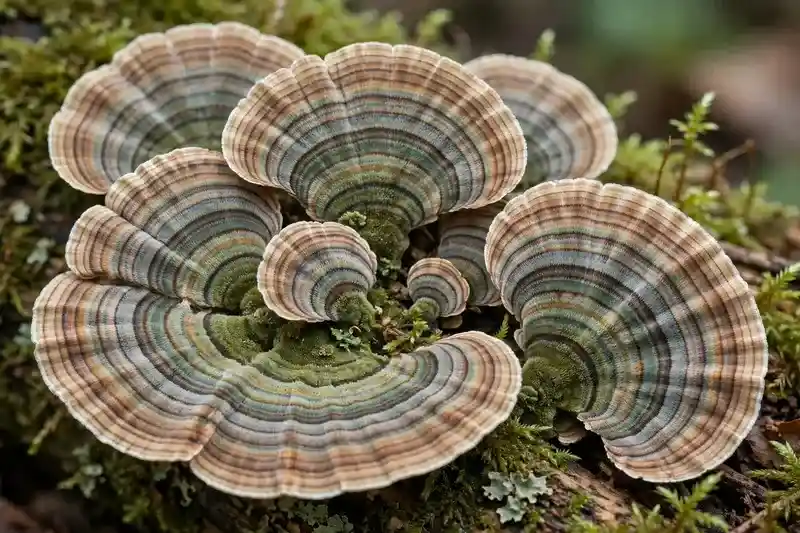
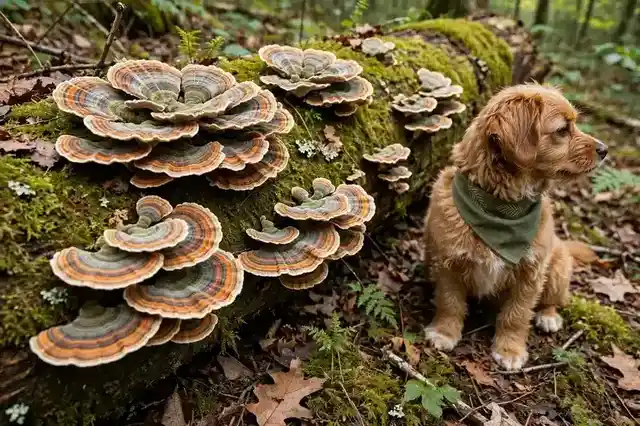
You have probably walked past turkey tail a hundred times without noticing. It grows in overlapping shelves on dead logs and stumps across North America, and its banded brown, tan, and blue-gray zones make it one of the most recognizable wild mushrooms. The medicinal interest is not in the mushroom as food but in concentrated extracts of its compounds. PSP, the polysaccharopeptide, is the star: it is the compound used in the canine cancer study and in human research in Asia, where turkey tail extracts have been used alongside conventional cancer care for decades. Beta-glucans, a type of polysaccharide fiber found in many medicinal mushrooms, are thought to stimulate immune cells like macrophages and natural killer cells. That is the mechanism story in a nutshell: not attacking disease directly, but tuning up the immune system’s own response. As with all supplement science, the interesting part is what happens when these ideas meet actual clinical trials, which brings us to the study that made turkey tail famous in veterinary circles.
What the hemangiosarcoma study actually found
In a 2012 University of Pennsylvania pilot study, 15 dogs with splenic hemangiosarcoma received the turkey tail compound PSP at three doses. The highest dose, 100 mg per kilogram of body weight daily, significantly delayed metastasis and produced the longest survival times ever reported for this cancer. Small and early, not proof of a cure.

The details matter because this study gets oversimplified online. The researchers, Dorothy Cimino Brown and Jennifer Reetz, ran a double-blind, randomized, multidose pilot trial, published in the peer-reviewed journal Evidence-Based Complementary and Alternative Medicine. Hemangiosarcoma is a brutal cancer of blood vessel walls, and dogs diagnosed with the splenic form typically survive only weeks to a few months even with treatment. In this trial, dogs getting the highest PSP dose lived notably longer, with delayed metastasis, compared to the lower doses. The word “pilot” is doing important work here: 15 dogs is a small group, and the researchers themselves framed the findings as justification for larger trials, not as a finished answer. No large follow-up trial has yet confirmed the result. So the honest reading is this: it is the most promising piece of evidence for any mushroom supplement in veterinary medicine, from a credible university, and it is still preliminary. Hopeful, not proven.
How turkey tail may support the immune system
Turkey tail’s beta-glucans and PSP are thought to stimulate immune activity, helping the body’s defenses recognize and respond to abnormal cells and infections more effectively. Laboratory research shows effects on immune cell function, and the canine study suggests those effects can translate into real clinical benefit. It is immune modulation, not immune boosting in the vague marketing sense.

“Boosts immunity” is one of the emptiest phrases in supplement marketing, so let us be specific about what researchers actually mean here. Beta-glucans interact with receptors on immune cells, essentially training the innate immune system to respond more alertly. In the hemangiosarcoma study, the working theory is that PSP helped the dogs’ immune systems slow the cancer’s spread. Similar immune-modulating effects are why turkey tail is studied for general immune support in aging animals and in dogs undergoing the stress of serious illness. What it does not do is replace any medical treatment. A dog with cancer still needs an oncologist’s plan: surgery, chemotherapy, or whatever the specialist recommends. Turkey tail, if used, sits alongside that plan as a supportive measure discussed with the vet, not as an alternative to it. Anyone selling it as a standalone cancer treatment is selling something the science does not support.
Which dogs might benefit
The studied use is dogs with hemangiosarcoma, discussed with a veterinary oncologist. Beyond that, vets sometimes consider turkey tail for senior dogs needing immune support, dogs recovering from serious illness, or as a general wellness supplement in aging pets. Every one of these uses should be cleared with the dog’s own veterinarian first.
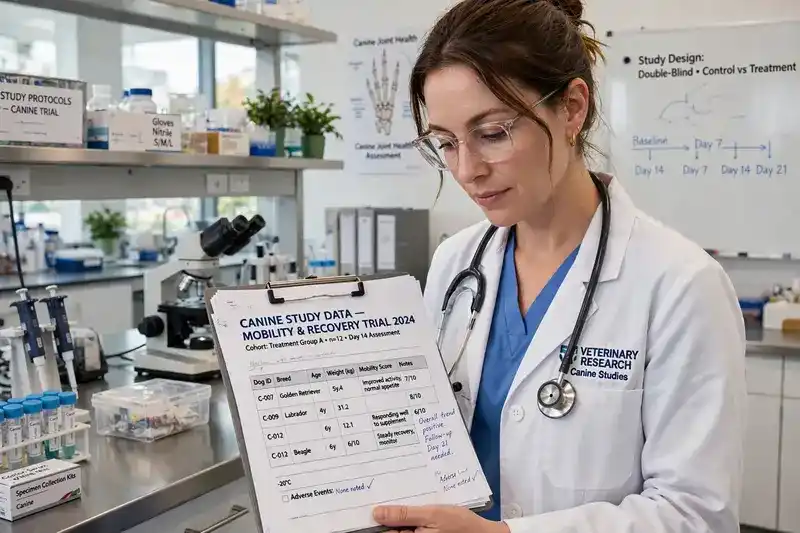
It helps to sort potential users into two groups. The first is dogs with a serious diagnosis, especially hemangiosarcoma, where the published research is directly relevant. For these dogs, the conversation happens with the oncologist, who can weigh the preliminary evidence against the dog’s full treatment picture. The second group is the much larger and softer category: older dogs, dogs with recurrent infections, or owners simply looking for gentle immune support. Here the evidence is thinner, resting on lab research and traditional use rather than clinical trials. That does not make it unreasonable, but it does make the vet’s input more important, not less. The dogs who should not get it without careful thought include those on immunosuppressive drugs, where stimulating the immune system could work against the treatment, and dogs with autoimmune conditions. When the immune system is the problem, “supporting” it is not automatically helpful.
Choosing a quality turkey tail product
Look for products made from the mushroom fruiting body rather than mycelium grown on grain, with the beta-glucan content stated on the label and third-party testing for purity. Avoid blends padded with fillers, starches, or myceliated grain, which dilute the actual mushroom content. Reputable pet-specific brands that publish their testing are the safest bet.

The supplement aisle is where good intentions go to get confused, and mushroom products are among the worst offenders. Here is the key distinction: “fruiting body” means the actual mushroom, while “mycelium” products are often mostly the grain the fungus was grown on, with far less of the active compounds. A label that says “myceliated oats” is telling you the jar is largely oats. Look instead for a stated beta-glucan percentage, ideally above 20 percent, and for extraction information, since hot-water extraction is the standard method for pulling out these compounds. Third-party testing for heavy metals and contaminants matters because mushrooms absorb whatever is in their growing medium. Pet-specific products from established companies tend to be more transparent than generic capsules repackaged for animals. Price is a rough signal: real fruiting-body extract costs more to produce, so suspiciously cheap turkey tail is suspicious for a reason.
Turkey tail dosage for dogs
Dosing varies by product concentration, so follow the label and confirm with your vet. For reference, the published study used PSP at 25, 50, and 100 mg per kilogram of body weight daily, with the clearest benefit at the highest dose. Do not attempt study-level dosing alone; that decision belongs to the veterinary team.

There is no official veterinary dose for turkey tail, which is exactly why the vet conversation matters. Commercial products typically suggest amounts based on the dog’s weight and the extract’s strength, and those label directions are your starting point for general wellness use. The study doses are worth knowing as context: 100 mg per kg per day is a large amount of purified PSP, far more than a standard supplement scoop provides, and it was given to dogs under close veterinary supervision in a research setting. Translating that into kitchen-table dosing would be guessing with a sick dog’s care, which is not acceptable. Powders can be mixed into food, capsules can be given as pills or opened, and palatability is usually not an issue since most dogs do not mind the mild taste. Whatever form you use, keep it consistent and keep your vet in the loop about the exact product and amount.
Safety and side effects
Turkey tail is generally well tolerated by dogs, with the most common issues being mild digestive upset when starting. Because it modulates the immune system, dogs on immunosuppressive medications or with autoimmune disease need veterinary clearance first. As with any supplement, stop and call the vet if you see vomiting, diarrhea, or any unusual reaction.

The safety record is reassuring but not blank. In the published canine study and in general use, serious adverse effects have not been a pattern, which is part of why researchers found turkey tail worth investigating. Mild stomach upset at the start is the usual complaint, and it often resolves as the dog adjusts or with a slightly lower amount. The more important cautions are about interactions rather than toxicity. Dogs taking drugs that suppress the immune system, such as those for autoimmune disease or post-transplant style protocols, should not get an immune-modulating supplement without the prescribing vet’s explicit approval. The same logic applies to dogs with immune-mediated conditions. Quality matters for safety too: a contaminated or adulterated product can cause problems the mushroom itself never would, which circles back to buying from transparent, tested brands. And the standard supplement rules apply: keep it stored away from the dog, since a whole jar eaten at once is a different story from a measured scoop.
Why you must never pick wild mushrooms
Never feed your dog mushrooms you picked yourself. Turkey tail has toxic lookalikes, and even experienced foragers can make mistakes. Worse, many deadly wild mushrooms cause no symptoms for hours while destroying the liver. If your dog eats any wild mushroom, treat it as an emergency and call your vet immediately.

This warning cannot be overstated. The woods are full of small bracket fungi, and while true turkey tail is distinctive to trained eyes, “distinctive to trained eyes” is not a safety standard for your dog’s dinner. Some of the world’s most poisonous mushrooms, like the death cap and destroying angel, look unremarkable and kill by shutting down the liver over several days. There is no home test that makes a wild mushroom safe, and cooking does not destroy these toxins. If your dog grabs a mushroom on a walk, the protocol is immediate: prevent more eating, note what the mushroom looked like or take a photo, and call your vet or poison control. Do not wait for symptoms, because with the dangerous species, feeling fine for the first six to twelve hours is part of the trap. Use commercial extracts from controlled cultivation. The forest is for walks, not for pharmacy.
How long to give it
For general immune support, most protocols run at least 4 to 8 weeks before assessing, since immune modulation is gradual. For dogs with serious illness, the veterinary team sets the timeline, which may be ongoing. Reassess periodically with your vet rather than continuing indefinitely on autopilot.

Supplements that work through the immune system do not behave like painkillers. There is no single dose that produces a visible effect an hour later, so patience is built into the plan. For a senior dog on wellness support, give it a fair trial of a month or two, then evaluate with your vet: energy, resilience, any changes worth noting. Keep expectations modest and observations concrete. For a dog with cancer, the timeline is whatever the oncology team recommends, and turkey tail continues only as long as it fits the overall plan. One habit worth building is the periodic review. Every few months, ask the vet whether each supplement is still earning its place. Dogs’ conditions change, medications change, and a product that made sense in spring may be redundant by fall. A supplement drawer that only grows and never gets pruned is a sign the plan needs a review.
What turkey tail cannot do
Turkey tail is not a cancer cure, not a substitute for surgery or chemotherapy, and not proven for most of the wellness claims on supplement labels. The evidence is one promising pilot study plus laboratory research. Anyone promising more than that is ahead of the science, and desperate owners of sick dogs deserve honesty, not hype.
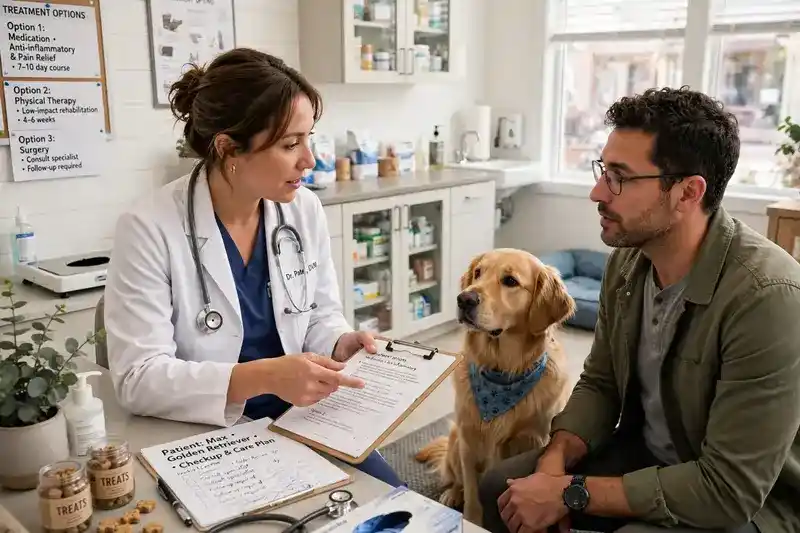
Let us close the loop with clear eyes. The supplement industry loves turkey tail because the hemangiosarcoma study gives it a story, and stories sell. But a single 15-dog pilot study, however exciting, is the beginning of evidence, not the end. It has not been replicated at scale. It does not show that turkey tail prevents cancer, treats other cancers, or helps healthy dogs live longer. Those are all untested claims. The responsible way to think about it is as a low-risk, biologically plausible supportive measure with one genuinely interesting clinical signal, to be used under veterinary guidance as part of a real medical plan. If your dog is facing a serious diagnosis, the most valuable thing you can do is assemble a good veterinary team and ask them directly about supportive options, including this one. Honest medicine beats hopeful marketing every time, especially when the patient cannot speak for itself.
Turkey tail sits in rare company: a natural product with peer-reviewed canine research worth discussing with your vet. For the broader question of which mushrooms are safe around dogs, our guide to whether dogs can eat mushrooms covers grocery varieties and wild dangers. And for gentle nutritional support during recovery, bone broth for dogs is a soothing homemade option.
Frequently Asked Questions
What is turkey tail mushroom good for in dogs?
The studied use is immune support in dogs with hemangiosarcoma, where a University of Pennsylvania pilot study found delayed metastasis and longer survival at high PSP doses. It is also used more generally for immune support in senior or recovering dogs, though that use has thinner evidence.
How much turkey tail should I give my dog?
Follow the product label and your vet’s guidance, since extracts vary in strength. The published study used purified PSP at up to 100 mg per kg daily under research supervision, which is not a home-dosing target. Do not guess at study-level doses.
Is turkey tail mushroom safe for dogs?
It is generally well tolerated, with mild digestive upset as the most common issue. Dogs on immunosuppressive drugs or with autoimmune disease need veterinary clearance first, and you should only use tested products from reputable brands.
Can turkey tail cure cancer in dogs?
No. One small pilot study showed promising results for hemangiosarcoma, but it has not been replicated at scale and turkey tail has never been shown to cure any cancer. It may support conventional treatment, never replace it.
What is the difference between fruiting body and mycelium products?
Fruiting body products contain the actual mushroom, while mycelium products are often mostly the grain the fungus grew on, with lower levels of active compounds. Look for fruiting-body extracts with a stated beta-glucan percentage.
Can my dog eat wild turkey tail mushrooms?
No. Never feed wild-picked mushrooms to dogs. Toxic lookalikes exist, identification mistakes happen even to experienced foragers, and some deadly species show no symptoms for hours. Use commercial extracts only.
How long does turkey tail take to work in dogs?
Immune modulation is gradual, so allow at least 4 to 8 weeks for general wellness use before assessing. For serious illness, the veterinary team sets expectations and timelines.
This article is general information only and is not a substitute for veterinary advice. If your dog has a health condition, is on medication, or you are unsure about any supplement, check with your veterinarian first.