HGE in Dogs: Signs, Emergency Treatment, and Recovery

Dog rushed to emergency veterinary care

HGE, hemorrhagic gastroenteritis, is one of the scariest things a dog owner can witness: a healthy dog suddenly passing large amounts of bloody diarrhea, often described as looking like raspberry jam. It is a genuine emergency that can turn fatal within hours without treatment, and it responds remarkably well to prompt veterinary care. This guide … Read more

Can Dogs Eat Chicken Bones? The Answer Is No

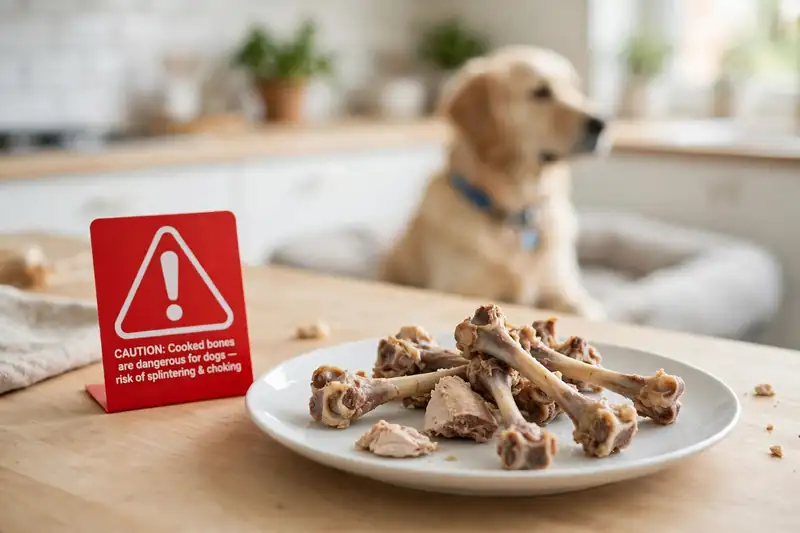
Dog kept safely away from chicken bones

Can dogs eat chicken bones? No. Not cooked, not raw, not “just this once.” Chicken bones are among the most dangerous bones a dog can get because they are hollow and brittle, which means they splinter into sharp shards that can tear the mouth, throat, stomach, or intestines. This guide explains exactly why chicken bones … Read more

Proviable for Dogs: What It Does, Dosage, and Safety

Proviable probiotic product beside a dog bowl

Proviable is one of the probiotics veterinarians reach for most often. Made by Nutramax, it combines seven probiotic strains with prebiotics to support intestinal balance in dogs (and cats). Vets commonly recommend it after diarrhea, diet changes, travel stress, or antibiotic treatment. This guide covers exactly what is in it, the correct dose, how to … Read more

Melatonin for Dogs: Uses, Dosage, and the Xylitol Warning

Bottle of melatonin supplement beside a dog bed

Melatonin for dogs is a widely used supplement for anxiety, sleep trouble, and certain hair loss conditions. It is the same hormone that regulates sleep cycles in people, and veterinary sources consider it very safe for dogs at appropriate doses. But there is one critical catch: some human melatonin products contain xylitol, which is lethal … Read more