Dogs and Dramamine Dosage: Timing and Safety for Car Sick Dogs
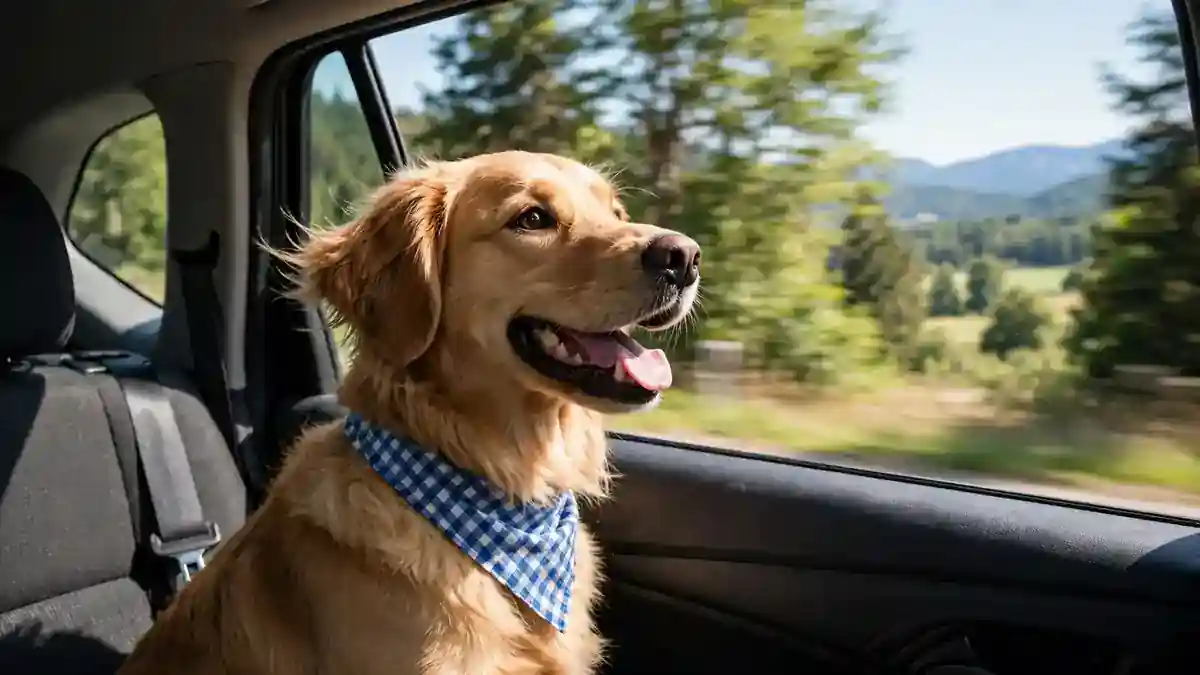
Dogs and Dramamine dosage is usually 2 to 4 mg per lb of body weight, given by mouth every 8 hours as needed. Dramamine is a human drug used off label in dogs, so a vet should agree to the dose before the first tablet. Give it 30 to 60 minutes before travel, and start at the low end of the range for a small or older dog.
What is Dramamine and how does it work in dogs?
Dramamine is the brand name for dimenhydrinate, an antihistamine that blocks histamine signals between the inner ear and the brain vomiting center. The drug calms the balance system that triggers nausea during motion, and it also causes sleepiness. Vets use it off label for motion sickness and for dizziness from vestibular disease in older dogs.
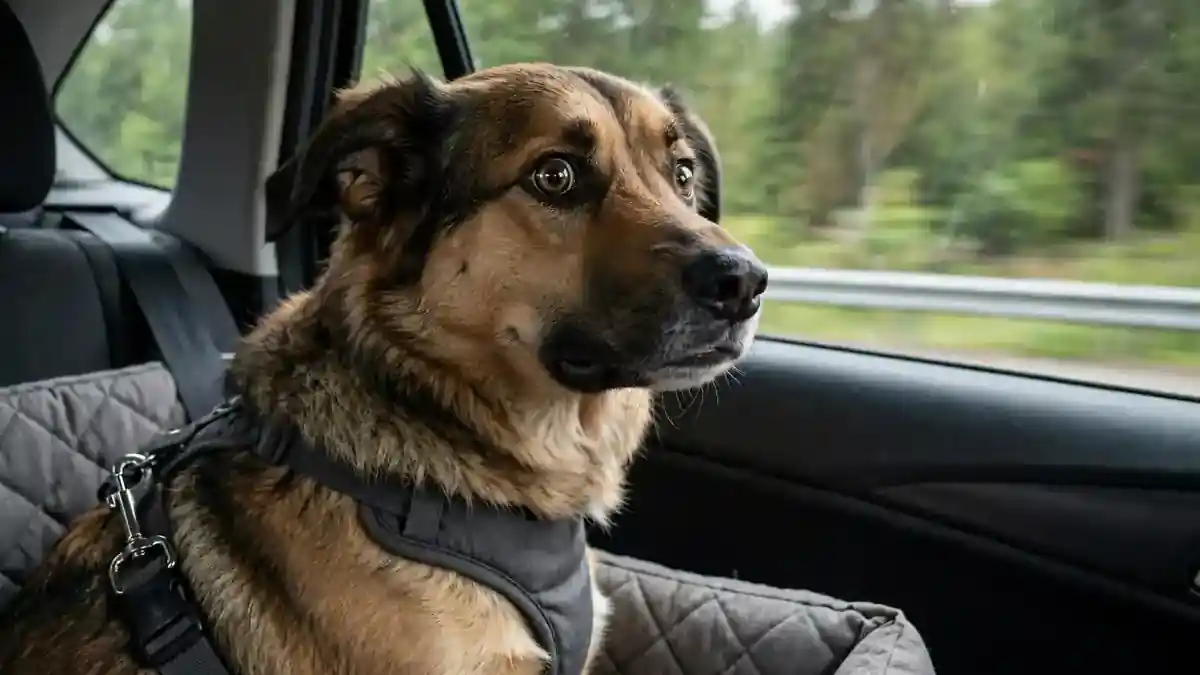
Motion sickness starts with mixed signals. The inner ear senses movement, the eyes see a still car interior, and the brain gets two stories at once.
That clash trips the vomiting center in the brainstem, and drooling, lip licking, yawning, or vomiting follow. Dimenhydrinate dulls the inner ear signal, so the clash fades and the nausea eases. The Merck Veterinary Manual explains the same chain: conflicting input from the vestibular system and the eyes drives the stress response that ends in nausea and vomiting.
Dramamine treats nausea, and it does not treat fear. A dog that shakes in a parked car because the car means vet visits has a different problem from a dog that vomits on a winding road. The drug may sedate a fearful dog enough to ride quietly, and that quiet ride can fool an owner into thinking the fear is gone. Fear needs slow training and short happy trips.
What is the usual Dramamine dose for dogs?
The usual dose is 2 to 4 mg per lb of body weight, given every 8 hours as needed. Tablets hold 50 mg, so a 25 lb dog takes 50 to 100 mg per dose, which is one to two tablets. Your vet sets the amount. Small dogs often need a pill cutter to reach a safe dose.

Start low. A vet will often start a dog at the 2 mg per lb end and watch the trip.
The amount rises only when the low dose fails. Older dogs and small dogs respond to less drug, and a dose that merely works beats a dose that knocks the dog out for the whole afternoon. The Petco drug monograph lists the same range, 4 to 8 mg per kg every 8 hours, which matches the 2 to 4 mg per lb figure.
Tablet math trips owners up. A 10 lb dog needs 20 to 40 mg, which is less than one 50 mg tablet. A 5 lb dog needs 10 to 20 mg, which is a quarter to a half tablet at most. Pill cutters split tablets into halves and quarters, and a cheap cutter from a pharmacy does the job.
The product label trap
Read the box before you buy it. Dramamine Original Formula holds dimenhydrinate. Dramamine Less Drowsy holds meclizine, a different antihistamine with a different dose.
Dramamine for Kids holds dimenhydrinate in a smaller tablet. Some chewable versions also differ by product line. The dose in this guide applies to dimenhydrinate only. A box that says meclizine needs a different conversation with the vet, because the Merck manual lists meclizine for dogs as a per-dog amount, not a per-lb amount.
Liquid and fast-dissolving forms carry a second trap. Some liquid antihistamines contain xylitol, a sweetener that is highly toxic to dogs. Read the inactive ingredients on any liquid or melt-away tablet, and skip any product that lists xylitol. Plain tablets are the safer pick for most dogs.
When should you give Dramamine before travel?
Give Dramamine 30 to 60 minutes before travel, so the drug has time to absorb and reach the brain before the motion starts. A dose given after the dog already drools and vomits works poorly, because the nausea chain is already running. For a long trip, repeat the dose every 8 hours only when your vet agreed to that plan.
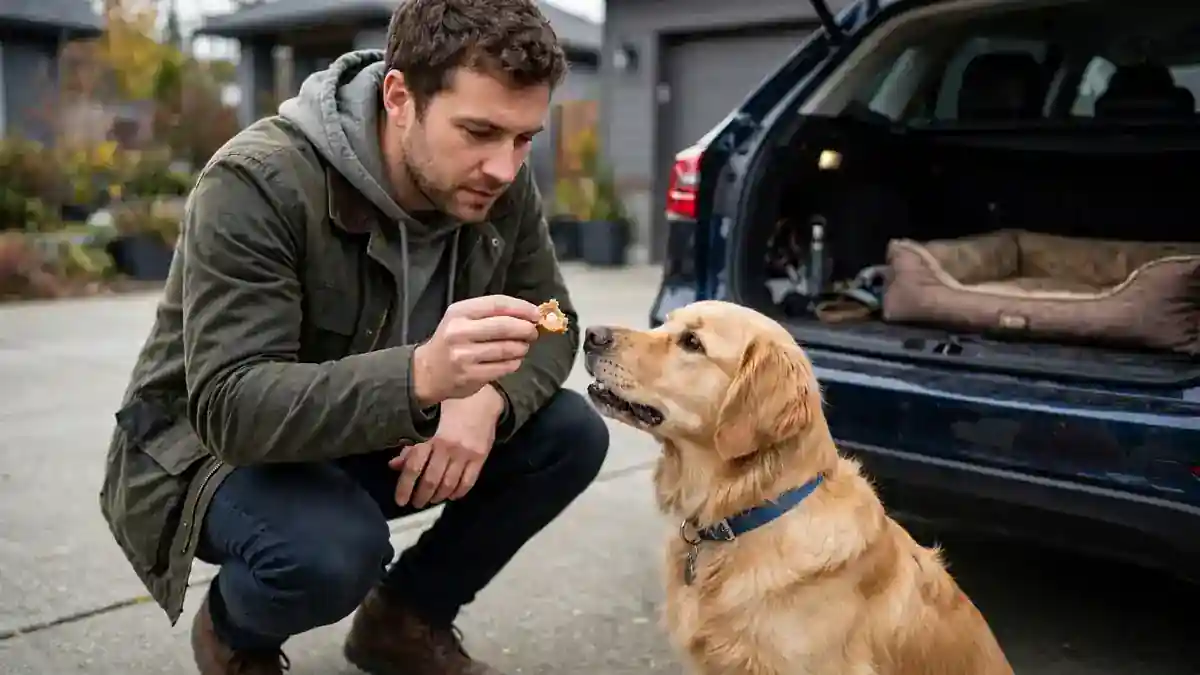
Timing beats dose size. A perfect dose given five minutes before a mountain road will fail, and a modest dose given an hour early will often carry the dog through. Plan the dose around departure, not around the moment the dog looks sick. Set a phone alarm for the dose time, then load the car after the alarm.
Food helps some dogs and hurts none here. A small snack with the tablet can settle the stomach, and a full meal right before a winding road can add to the nausea. A few bites of plain food with the dose is a fair middle ground. Water stays available, and the car stays cool with fresh air from a cracked window.
How long does Dramamine last in a dog?
One dose of Dramamine lasts about 3 to 6 hours in most dogs, with sleepiness sometimes running longer. The drug starts working 30 to 45 minutes after the tablet goes down. A short drive to the vet may need one dose, and a full day on the road may need a repeat dose at the eight hour mark.
What side effects can Dramamine cause?
Sleepiness is the most common side effect, and most dogs also get a dry mouth and may struggle to empty the bladder fully. Less common effects include vomiting, diarrhea, or loss of appetite. Rare effects include a fast heartbeat, confusion, or a paradoxical reaction where the dog turns hyper and restless instead of sleepy.

Sleepiness is a feature as much as a side effect. A drowsy dog rides calmly and drools less.
Vomiting drops too. The trouble starts when sleepiness turns into deep grogginess or stumbling. Those signs point to too much drug, and the next dose should wait for a vet call.
Dry mouth shows up as thick saliva and lip licking. The dog may drink more after the trip.
Urinary retention shows up as straining to urinate or a bladder that stays full. Both effects come from the anticholinergic action of the drug, the same action that dries the mouth and slows the gut. A dog that cannot urinate for many hours after a dose needs a vet call the same day.
An overdose looks different from a normal sleepy reaction. Signs include extreme agitation and seizures, plus a very fast heartbeat.
Wide pupils and a dry flushed mouth can follow. The AKC warns that too much Dramamine can cause toxicity, and the drug has a narrow gap between a working dose and a harmful one in small dogs. Call the vet or an emergency clinic at once when those signs show up, and bring the box with you.
Which dogs should not get Dramamine?
Dramamine needs caution in dogs with glaucoma, a history of seizures, heart disease, high blood pressure, an enlarged prostate, a possible gut or urinary blockage, or breathing disease. It should never go to a dog allergic to it or to similar antihistamines, and it should never go to a newborn puppy. Puppies under six months need a vet decision first.
Glaucoma tops the list for a clear reason. The drug can raise pressure inside the eye, and a dog with glaucoma already fights high pressure. A dog with a seizure history faces a second risk, because antihistamines can lower the seizure threshold in some animals. Heart disease and high blood pressure matter because the drug can speed the heart and raise blood pressure further.
Pregnant and nursing dogs need a vet decision too. Safety data for dimenhydrinate in pregnant dogs is thin, and the drug passes into milk. Tell the vet about every medicine the dog takes, including seizure drugs and heart drugs, plus sedatives, because dimenhydrinate interacts with drugs that depress the central nervous system. The VCA guide to over-the-counter medicines for dogs covers which human drugs need a vet check first.
Dramamine or Cerenia: which one fits your dog?
Cerenia, or maropitant, is the FDA approved drug for motion sickness vomiting in dogs. Vets call it the first choice for that job. Dramamine is an off label human drug that costs less, and it suits mild cases and short trips. A dog that vomits on car rides despite Dramamine needs a vet visit to talk about Cerenia.

Dimenhydrinate and maropitant block different signals. Dimenhydrinate blocks histamine signals from the inner ear, while maropitant blocks substance P in the brain vomiting center. The Merck manual calls maropitant FDA approved and the preferred drug for motion sickness in dogs, and it notes that maropitant blocks the NK-1 receptor, which drives vomiting more strongly than the histamine pathway. That difference explains why Cerenia stops vomiting more reliably in severe cases.
Dosing differs too. The AKC notes that Cerenia tablets for motion sickness run 3.6 mg per lb, given two hours before travel, with effects lasting about 24 hours. Dramamine runs 2 to 4 mg per lb every 8 hours, given 30 to 60 minutes before travel, with effects lasting 3 to 6 hours. Cerenia needs a prescription and costs more per trip, while Dramamine needs no prescription and costs little.
Age limits differ as well. Cerenia should not go to dogs under 8 weeks old, and it should not go to a dog that swallowed a toxin or has a gut blockage, because stopping vomiting then can hide a problem. Dramamine has its own limits, listed in the section above. A vet that knows the dog can weigh the two lists in one visit and pick the drug that fits the trip and the budget for that dog.
What if Dramamine does not stop the vomiting?
A dog that vomits on Dramamine needs a vet visit, because the cause may be anxiety, an ear problem, or a gut problem rather than motion sickness. The vet may switch the drug to Cerenia, add a behavior plan, or run tests. Do not raise the dose on your own, because a higher dose adds side effects faster than relief.
Anxiety is the most common hidden cause. A dog that drools and vomits in a parked car is not motion sick, and no anti-nausea drug fixes a fear memory.
Short trips that end with a treat, a park, or a play session can rebuild the car as a good place. Trazodone for dogs is a drug vets sometimes use for travel anxiety, and gabapentin for dogs can calm a nervous dog before a stressful event. Both need a vet prescription and a trial run before the travel day.
Ear disease can mimic motion sickness too. An inner ear infection throws off balance and causes nausea without any car at all. A dog that tilts its head, walks in circles, or vomits at home as well as in the car needs an ear exam. Vestibular disease in older dogs causes the same picture, and the vet may treat the ear problem rather than the car problem.
How to help a car sick dog without medicine
Short practice trips, fresh air, a steady view of the road, or an empty stomach help many car sick dogs. Puppies often outgrow motion sickness as the inner ear matures. A dog that rides facing forward, with a window cracked for air, vomits less than a dog that rides low in a hot, stuffy back seat.
Start with trips that last five minutes and end somewhere fun. A park, a drive-through treat, or a friend’s house beats a vet clinic as a destination for practice. Lengthen the trips a few minutes at a time, and stop the practice when the dog drools or yawns, because pushing past the first sign teaches the dog that the car means nausea. Keep the car cool, keep the radio low, and keep stops frequent.
Where the dog sits changes how much motion it feels. A dog that rides in a crate low in the car feels more motion than a dog that rides on a seat and sees the horizon. A booster seat lifts a small dog high enough to watch the road, and a car seatbelt keeps the dog steady through turns. Smooth driving helps too: slow turns and gentle braking, with no sudden lane changes, cut the inner ear signals that trigger nausea.
A light meal three to four hours before travel beats a full meal one hour before.
An empty stomach can make nausea worse, so a small snack two hours before the trip is a fair middle ground. Can dogs take Pepto Bismol is a question owners ask when the dog vomits anyway. The answer depends on the cause, so ask the vet before giving any stomach drug. Melatonin for dogs is sometimes used for anxiety. It may help a nervous traveler. The vet can say whether it fits your dog.
Frequently asked questions about dogs and dramamine dosage
Owners ask the same six questions about Dramamine in almost every travel season. The answers below use the standard dose range and the Merck and AKC guidance, and each one still ends the same way: ask your vet before the first dose.

How much Dramamine can I give my dog?
Give only the amount your vet agreed to. The standard range is 2 to 4 mg per lb every 8 hours as needed, which is 4 to 8 mg per kg. A 25 lb dog takes 50 to 100 mg per dose, and a 10 lb dog takes 20 to 40 mg. Start at the low end.
Can I give my dog Dramamine every day?
Dramamine is meant for as-needed use around travel, not as a daily drug. A dog that needs it every day for nausea has a problem that needs a vet diagnosis, and a daily antihistamine can mask that problem. Ask the vet about a long-term plan instead.
Is Dramamine safe for puppies?
Vets are cautious with puppies under six months old, and the drug should only go to a young puppy when a vet directs it. Puppies often outgrow car sickness as the inner ear matures, so practice trips and patience may matter more than medicine for a young dog.
Can I give my dog Dramamine and Benadryl together?
Do not combine two antihistamines without a vet order. Both drugs cause sleepiness and dry mouth, and the combination can deepen sedation and urinary retention. Benadryl dosage for dogs follows its own range, and the vet picks one drug or the other, never both at once without a reason.
How long before a car ride should I give Dramamine?
Give it 30 to 60 minutes before departure. That window lets the drug absorb and reach the brain before the motion starts. A dose given after the dog already vomits works poorly, so set an alarm and give the dose before you load the car.
What should I do if my dog throws up the tablet?
A dog that vomits the tablet within minutes may have lost the dose, and a dog that vomits an hour later likely absorbed it. Do not give a second tablet right away. Call the vet for advice, note the timing, and watch for drooling or nausea on the trip.
Dramamine can turn a miserable car ride into a calm one, and the dose range is simple once the vet confirms it for your dog. Check the box for dimenhydrinate and measure the dose with a pill cutter when the tablet is too big.
Give it 30 to 60 minutes before the trip. A dog that still vomits on the right dose needs a vet visit, because Cerenia or a behavior plan may fit better. The Merck Veterinary Manual page on motion sickness and the VCA dimenhydrinate guide both make the same point: the drug is a tool for travel nausea, and the vet decides when it fits.