
Can Dogs Eat Poppy Seeds? Toxicity Risks and What to Do

No, dogs should not eat poppy seeds, since the seeds carry opioid alkaloids that dogs cannot clear well. A poppy seed looks harmless, yet it comes from the opium poppy plant, and the compounds inside can slow a dog’s brain, breathing, and heart. No safe serving exists, and the amount that harms a dog changes with size and seed batch.
Can dogs eat poppy seeds?
Dogs should not eat poppy seeds. Poppy seeds come from the opium poppy plant, and they carry opioid alkaloids such as morphine and codeine that dogs cannot clear well. Pet Poison Helpline lists poppy as toxic to dogs, and it warns that eating any part of the plant can cause stomach upset and nervous system effects.
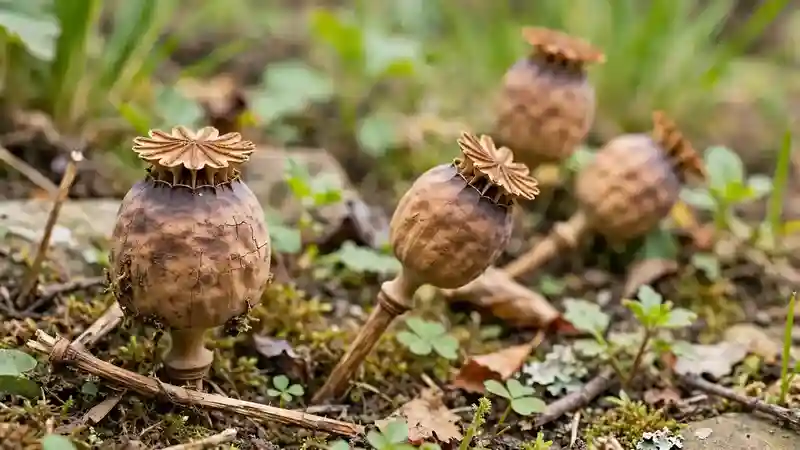
Dogs process opioid alkaloids far slower than people do, so compounds that pass through a human gut without trouble can linger in a dog.
No vet source sets a safe serving for dogs, and this guide sets none either. A single stray seed that a large dog licks off the floor is a different event from a dog that eats a spoonful of seeds from a spilled jar, yet neither event makes poppy seeds a food. Keep poppy seeds, seeded breads, and seeded baked goods out of the dog’s reach, and treat any real ingestion as a reason to call a vet.
What makes poppy seeds toxic to dogs?
Poppy seeds are toxic to dogs because they carry opioid alkaloids, mainly morphine, codeine, and thebaine, on and inside the seed coat. These alkaloids act on the central nervous system and slow key body functions. Dogs lack the liver enzymes that help people clear these compounds fast, so the alkaloids stay active in a dog’s body longer.
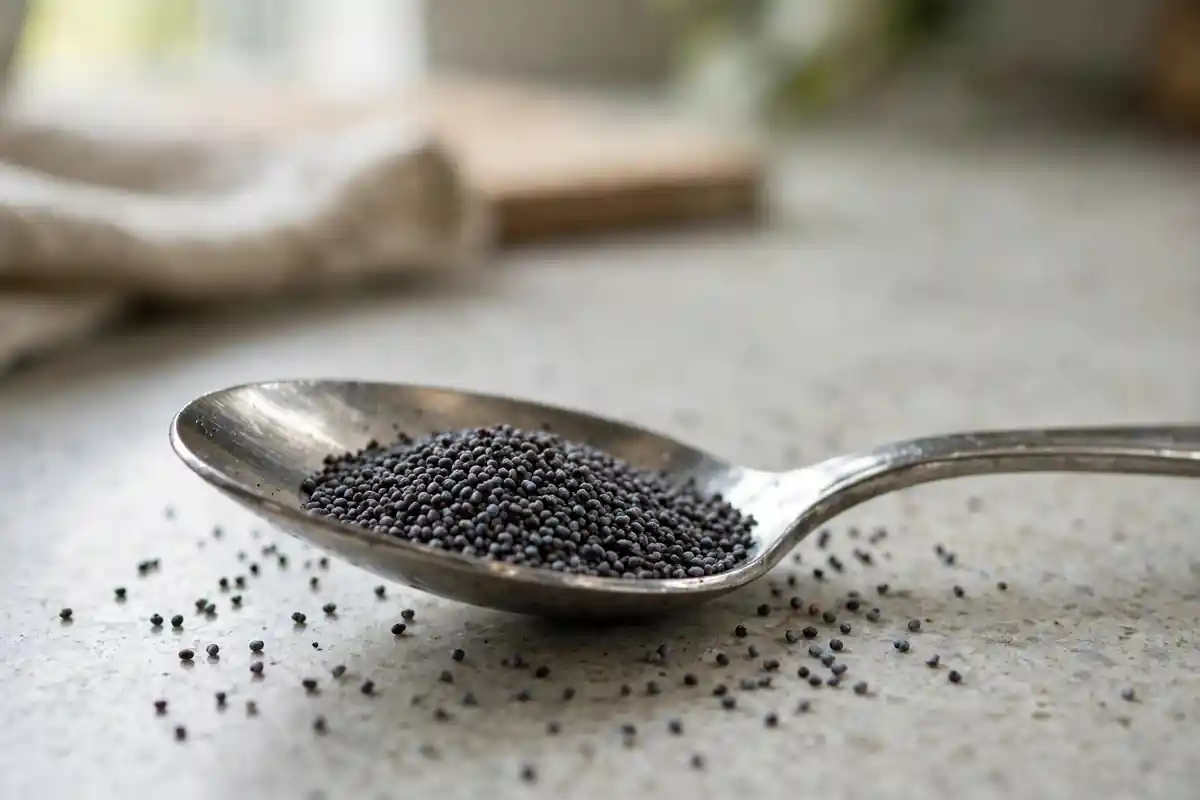
The seeds come from Papaver somniferum, the opium poppy. Sap from the plant holds the highest alkaloid load, and the seeds hold far less, yet the seeds still carry residue from the sap that coats them during harvest. That residue is the problem. Washing and baking lower alkaloid levels some, but neither step removes them.
Alkaloid levels swing widely between seed batches, since growing conditions, harvest timing, and processing all change the residue. That swing is why no safe dose exists. A teaspoon from one jar may hold far more alkaloid than a teaspoon from another jar. Vets cannot set a threshold that holds for every batch, so the guidance stays simple: do not feed poppy seeds to dogs at all.
What are the signs of poppy seed poisoning in dogs?
Poppy seed poisoning in dogs can cause loss of appetite, vomiting, diarrhea, sedation, wobbliness, small pupils, slow breathing, and a slow heart rate. Pet Poison Helpline lists inappetence, sedation, ataxia, and coma for very large ingestions. Signs can start within an hour and worsen over several hours, so early vet contact matters.
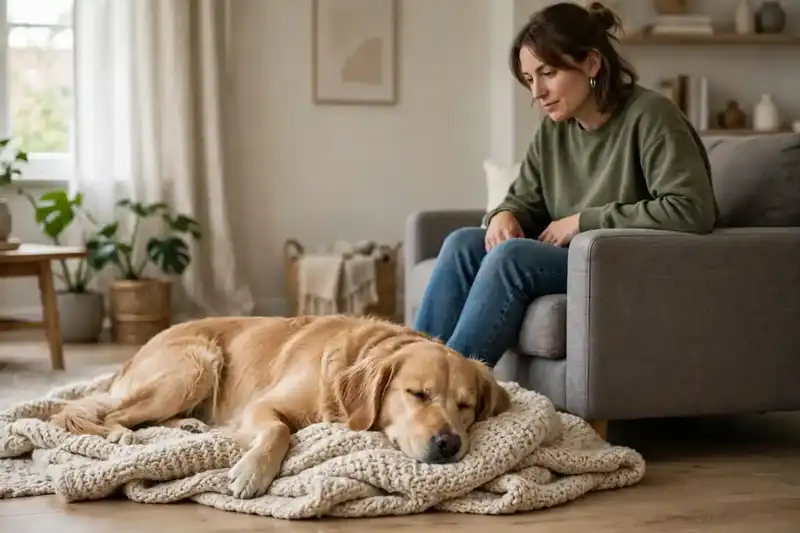
Stomach signs often come first. A dog that ate poppy seeds may vomit, refuse food, or pass loose stool within the first hour. Those signs alone do not prove opioid poisoning, since many foods cause the same reaction, yet they still call for a vet call when poppy seeds are the known cause.
Nervous system signs follow as alkaloids build up. Sedation looks like deep sleepiness that the dog cannot shake off, and ataxia looks like a drunk walk with legs that cross or slip.
Pupils shrink to pinpoints in some dogs, and breathing slows in others. A dog that lies flat, responds weakly to its name, or breathes slowly needs emergency care at once. Coma is rare and follows very large ingestions, but it is the reason vets treat poppy seed cases with urgency.
How much poppy seed is dangerous for a dog?
No published safe amount of poppy seed exists for dogs, and the dangerous amount changes with the dog’s size, the seed batch, and the total eaten. Small dogs face the most risk, since the same spoonful carries a larger dose per pound of body weight. Any amount beyond a stray seed calls for a vet call.
Size is the clearest factor owners can judge. A 10 pound dog that eats a teaspoon of poppy seeds takes in far more alkaloid per pound than a 70 pound dog that eats the same teaspoon. Puppies face the same math with even less margin, since their livers are still maturing and their body weight is low. Breed does not change the rule much, though dogs with liver disease, breathing trouble, or heart disease carry extra risk at any size.
Batch variation makes dose math unreliable. One jar of seeds can hold several times the alkaloid load of another jar, and no label states the load. That uncertainty is why guides that quote a single safe teaspoon mislead owners. Vets do not know a safe threshold for every batch, so they treat poppy seed ingestion as a poisoning risk and judge each case on the amount, the size, and the signs.
Are poppy seed bagels and muffins safe for dogs?
Poppy seed bagels and muffins are not safe for dogs. Baking lowers alkaloid levels some, but it does not remove them, and a bagel or muffin still carries enough seeds to matter for a small dog. Seeded breads, rolls, cakes, and dressings carry the same risk, since the seeds stay in the food through baking and serving.

A poppy seed bagel holds roughly one to two grams of seeds on its surface, and most of those seeds sit where a dog can lick them off in a few bites. A small dog that eats a whole seeded bagel takes in far more seeds, and the alkaloid load in that batch is unknown. Owners should not test the difference.
Muffins hide the risk better than bagels. Seeds mix through the batter, so a dog that eats a muffin eats seeds in every bite.
Lemon poppy seed muffins add sugar, butter, and sometimes glaze on top of the seeds. Bread with poppy seeds on the crust looks plain, yet the crust is where the seeds concentrate. Keep all seeded baked goods in a closed container or a high cupboard, and offer the dog a plain treat instead.
What should I do if my dog eats poppy seeds?
Remove any poppy seeds or seeded food that is left, note how much the dog ate and when, and call a vet at once. Do not wait for signs to appear, and do not try to make the dog vomit unless a vet or poison control tells you to. Bring the seed packet to the vet visit if you can.

Speed matters because opioid effects can build over hours. A dog that looks fine 20 minutes after eating seeds can grow drowsy an hour later, and a vet can judge that risk better with an early call. Pet Poison Helpline runs at (855) 764-7661, and the ASPCA Animal Poison Control Center runs at (888) 426-4435. Both lines may charge a fee, and both will ask for the dog’s weight, the amount eaten, and the time it happened.
At the clinic, the vet may watch the dog, give fluids, or use medicines that reverse opioid effects when signs point that way. Treatment depends on the amount, the size, and the signs, so owners should not guess at home remedies. Activated charcoal, vomiting, and other steps all carry their own risks, and a vet decides whether they fit the case.
Which dogs face the most risk from poppy seeds?
Small dogs, puppies, senior dogs, and dogs with liver, breathing, or heart disease face the most risk from poppy seeds. Small dogs take in more alkaloid per pound from the same spoonful, puppies have immature livers, and senior dogs often carry health problems that leave less margin for a poisoning event. Dogs on sedating medicines face extra risk too.

Weight is the simplest risk factor to picture. A teaspoon of seeds in a 10 pound dog is a far larger dose per pound than the same teaspoon in an 80 pound dog. That math is why most poppy seed cases that worry vets involve small breeds and toy breeds. Owners of small dogs should treat seeded foods as a strict no, and they should keep spice jars and baking supplies behind closed doors.
Health adds a second layer. A dog with liver disease clears alkaloids slower, so the same amount stays active longer. A dog with breathing trouble has less room for the slowed breathing that opioids cause. A dog that already takes a sedative, a pain medicine, or a cough medicine can face stronger sedation when alkaloids add to those drugs.
What other seeds are unsafe for dogs?
Other unsafe seeds for dogs include apple seeds, which carry cyanide compounds, and any seed from a toxic plant. Poppy seeds and apple seeds sit at the top of the unsafe list, while pumpkin seeds and sesame seeds are safe in small plain amounts. Check each seed by name, since seeds that look alike can carry very different risks.
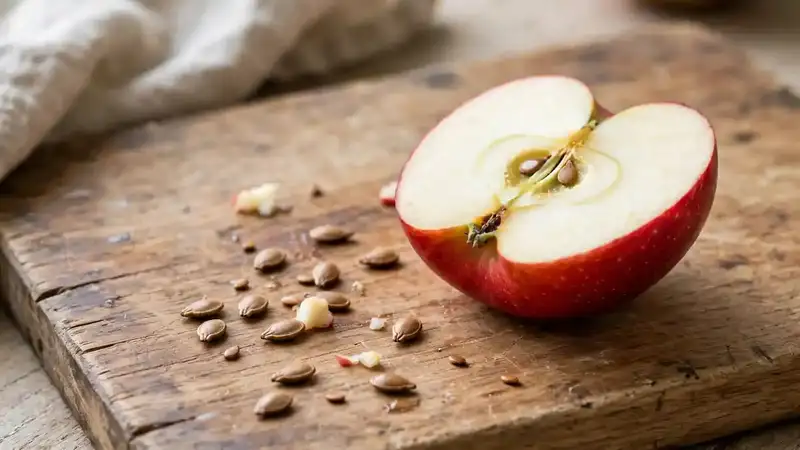
Apple seeds deserve a clear warning. Each seed holds amygdalin, a compound that can release cyanide when chewed and digested. A dog would need to chew many apple seeds to reach a dangerous dose, yet owners should still remove cores and seeds before sharing apple slices. The AKC guide to fruits and vegetables dogs can and cannot eat repeats the same advice for apples, pears, and other pitted fruits.
Macadamia nuts are not seeds, yet owners often group them with seeds, and they are toxic to dogs. The ASPCA notes that macadamia nuts can cause weakness, tremors, vomiting, and fever in dogs. Macadamia nuts should never go to a dog, even in a cookie. A full list of toxic foods for dogs and cats covers the wider set of foods to keep away.
What safe treats can replace poppy seed foods?
Safe treats that can replace poppy seed foods include small pieces of plain cooked pumpkin, carrot slices, apple slices without seeds, blueberries, and plain baked biscuits made for dogs. Pumpkin seeds and Sesame seeds also work for owners who want a seed texture without the opioid risk. Keep every treat under 10 percent of daily calories.
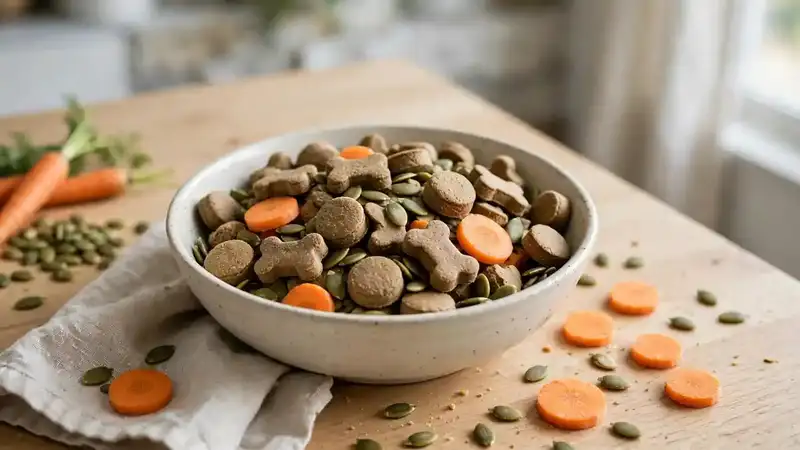
Pumpkin seeds earn their place because they are plain, crunchy, and free of opioid alkaloids. Offer them shelled, unsalted, and in small amounts, since their fat adds calories fast. Sesame seeds are smaller and milder, and a light sprinkle on the dog’s regular food gives texture without a separate snack. Both seeds suit dogs that like to crunch, and neither one carries the poisoning risk that poppy seeds carry.
Fruit and vegetable treats cover the sweet side that muffins and bagels usually fill. Apple slices without seeds give crunch and sweetness, blueberries give a soft bite that small dogs handle well, and carrot slices give a firm chew that cleans teeth as the dog gnaws. Plain dog biscuits from a trusted brand give the baked treat feel with no seeds at all.
Frequently asked questions about poppy seeds for dogs
The questions below cover what owners ask most about poppy seeds: how much is dangerous, the signs of poisoning, what to do in the first minutes, and which everyday foods hide poppy seeds. Each answer starts with the short version, then the detail that matters when a dog has already eaten some.
Can dogs eat one poppy seed?
One poppy seed that a dog licks off the floor is unlikely to cause signs in a healthy large dog, but it is still not a food. Watch the dog for a few hours, and call a vet if any drowsiness, wobbliness, vomiting, or slow breathing appears. Keep the seed jar closed so one seed does not turn into a spill.
Can dogs eat poppy seed dressing?
Dogs should not eat poppy seed dressing. Dressing mixes poppy seeds with oil, sugar, salt, and sometimes onion or garlic, so it adds fat and seasoning risks on top of the seeds. The ASPCA list of people foods to avoid feeding pets covers onion and garlic as red blood cell risks. A lick off a salad plate is unlikely to harm a large dog, but dressing should never be a treat. Wipe the dog’s mouth and watch for stomach upset.
Are poppy seeds in bird seed dangerous for dogs?
Poppy seeds in bird seed can be dangerous for dogs if the dog eats a large amount from a feeder or a spilled bag. Bird seed mixes vary, and some hold poppy seeds among sunflower and millet. Keep feeders out of the dog’s reach, sweep up spills at once, and call a vet if the dog eats a large amount of bird seed.
Can dogs eat foods with poppy seeds baked in?
Dogs should not eat foods with poppy seeds baked in, since baking lowers alkaloids some but does not remove them. Bagels, muffins, breads, and cakes with poppy seeds all carry the same rule. Offer a plain baked treat made for dogs instead of sharing a seeded baked good.
How long do poppy seed poisoning signs take to appear?
Signs of poppy seed poisoning can appear within 30 to 90 minutes and can worsen over several hours. Stomach signs such as vomiting and loss of appetite often come first, and sedation, wobbliness, and slow breathing can follow. Call a vet at once rather than waiting to see whether signs appear.
Are California poppies safe for dogs?
California poppies are a different plant from the opium poppy, and the ASPCA toxic and non-toxic plants list does not list them as toxic to dogs. That listing does not make them a food, and dogs should not eat garden plants of any kind. Keep poppy plants of every type out of the dog’s reach, and call a vet if the dog eats any part of a poppy plant.
Poppy seeds are a clear no for dogs, and the reason is simple: the seeds carry opioid alkaloids that dogs cannot clear well, and no safe amount exists. A stray seed is a watch and wait event, a spoonful is a vet call, and a spilled jar is an emergency. Remove seeded foods from the dog’s reach, keep the poison control numbers saved in your phone, and offer plain treats the dog can enjoy without risk. When a food carries a poison warning, the safe choice is to leave it out of the bowl for good.


