
No. Nulo has never had an FDA pet food recall. Every established recall tracker agrees, and the FDA’s own listings back them up. That answer surprises people who type “Nulo dog food recall” into a search box expecting to find one. The query exists because owners check safety before they buy, which is a good instinct aimed at a brand with a clean record.

Has Nulo dog food ever been recalled
No. No FDA recall exists on record for any Nulo dog or cat food product, and no company-issued voluntary recall either. Recall trackers that monitor FDA announcements daily list zero entries for the brand. Petful’s brand page states it plainly: their research found no Nulo recall.

This covers the brand’s entire commercial history. Nulo started in Austin, Texas in 2009, which gives the clean record more than fifteen years of weight. A young brand with no recalls has simply had less time to stumble. A brand operating since 2009 with no recalls has survived thousands of production runs without a public safety action.
What the recall trackers actually show
Here is what the major trackers say. Petful, which maintains brand-by-brand recall histories, reports no Nulo recalls to date, and Dogster’s brand review lists no recall history. Canine Journal’s review states Nulo has never been the subject of a recall, and the agreement across independent sources is the point.
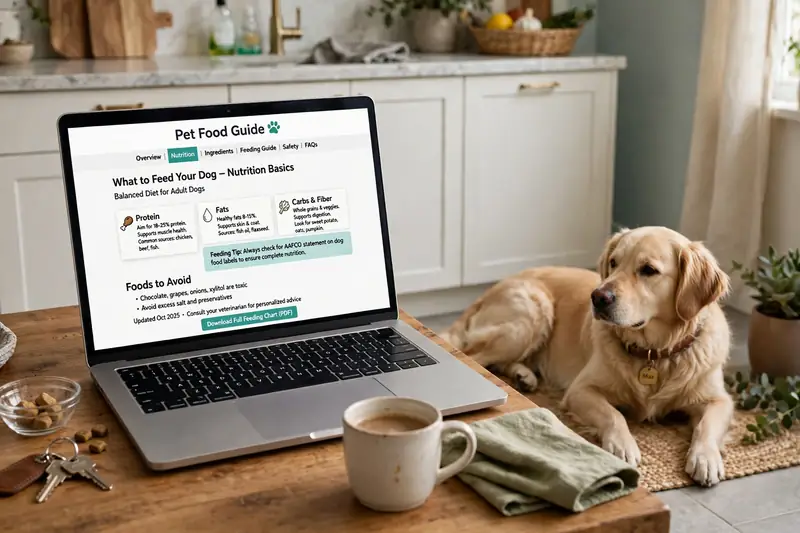
The most rigorous check comes from a tracker that reviews the FDA’s Animal and Veterinary recall list directly and reported, as of early November, that it found no FDA recall for Nulo on the FDA’s list or in older FDA notices. KibbleLab, which publishes every pet food recall automatically from FDA listings back to January 2019, shows no recalls on record for Nulo products.
Five independent sources, same answer. That is about as close to certain as a negative claim gets. Absence of evidence rarely convinces on its own, yet five trackers checking the primary source independently is strong evidence in practice.
Why some sites claim otherwise
Search long enough and you will find a page or two claiming Nulo suffered recalls years ago, usually mentioning elevated vitamin D or Salmonella. Those claims do not appear in FDA listings, on Petful, or on any established recall tracker. They circulate on low-quality roundup sites with no dates, no lot numbers, and no sources.

Treat those pages as unverified. A real recall leaves a paper trail: an FDA notice or company announcement with a date, a product, lot codes, and a reason. The alleged Nulo recalls have none of that. They read like content written to fill a “recall history” heading rather than researched from records.
This is worth a general rule for any brand query. If a recall claim comes with no date, no lot, and no link to an FDA notice, it is a rumor, not a record. The section below shows how to check the primary source yourself in five minutes, which settles these questions faster than arguing about blog posts.
A clean record is good news, not a guarantee
Here is the complicating fact the clean record needs. No recalls to date describes the past. It does not insure the future. Every pet food brand, however careful, works with agricultural ingredients that carry natural risks, and manufacturing at scale means any process can fail on any given day.
The right way to read a clean record is as one input among several. It suggests the company’s quality systems have held up over time. It says nothing about perfection, bag-to-bag consistency, or how your individual dog will do on it. Dogs are individuals, and the best food on paper can still disagree with a particular stomach.
So celebrate the clean record, then keep the habits that protect you regardless of brand: check lots, watch your dog, know how to report a problem. The owners who fare best in recalls picked good habits, not a perfect brand: they knew what to do when any brand stumbled.
How to check any brand’s recall status in five minutes
Start at the source. The FDA’s recall listings carry every animal food recall notice, and the search box handles brand names directly. Type the brand, scan the results, and open anything relevant. Two minutes of reading beats an hour of worrying.
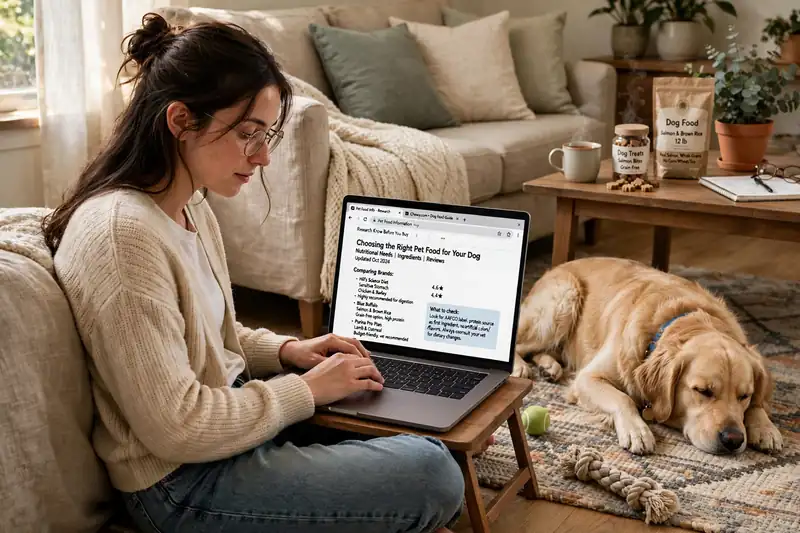
Read the notice, not the headline. A real recall notice names the product, the exact lots, the best-by dates, and the reason. Compare those details against the bag in your pantry. No matching lot means no action needed, even if the brand name matches.
Cross-check with an independent tracker for completeness. The FDA’s online list is thorough for recent years but thinner before about 2023, so a tracker that archives older notices fills the gap. If both the FDA and the trackers show nothing, you have your answer. Run this check whenever you switch brands, and repeat it once or twice a year for the food you feed.
How to report a problem with your dog’s food
If your dog gets sick and you suspect the food, your report matters more than you think. Recalls often start with owner reports that reveal a pattern. The FDA’s guide to reporting a pet food complaint walks through the process step by step.

Gather the details before you file. You will need the product name, the type of package, the lot number, and where you bought it. If your dog is ill, add the symptoms, when they started, and your vet’s diagnosis. Keep the bag sealed and saved, because the FDA may want to test it.
File through the Safety Reporting Portal or contact your state’s FDA Consumer Complaint Coordinator. Your vet can also file on your behalf, and the report joins the surveillance data that regulators use to spot the next problem. The FDA’s animal food program runs on reports like yours. One complaint rarely triggers action alone, but ten similar ones get attention.
What Nulo says about its own safety standards
Nulo manufactures in the United States across several regions, and the company states its facilities are FDA, USDA, and AAFCO approved. Its dry food kitchens receive annual inspection by the American Institute of Baking and have consistently earned Superior ratings, according to the company’s published materials.
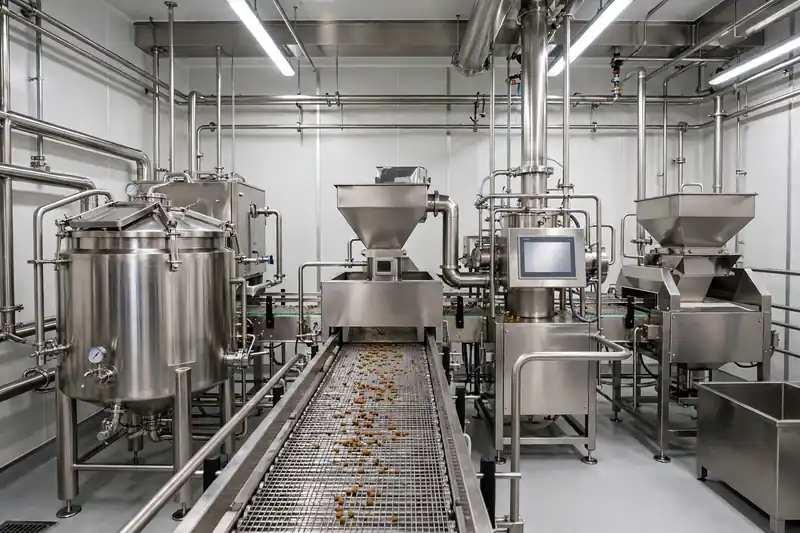
Read that the way you would read any company’s self-description: as a claim about process, not a verdict on outcomes. Third-party inspections and superior ratings are good signs. They describe the system.
The recall record describes the results. Nulo’s case is one where both point the same direction, which is the best combination a buyer can hope for.
What the company does not publish matters too. Like most brands, Nulo keeps its internal test results and audit reports private. That is normal for the industry, not a red flag. The public accountability mechanism is the recall system itself, and Nulo’s file there is empty.
Signs of a bad bag: what to watch regardless of brand
Recall or no recall, every bag deserves a quick inspection. Check the best-by date and the condition of the packaging. Swollen bags, torn seals, or a rancid or chemical smell mean the food goes back to the store, not into the bowl.
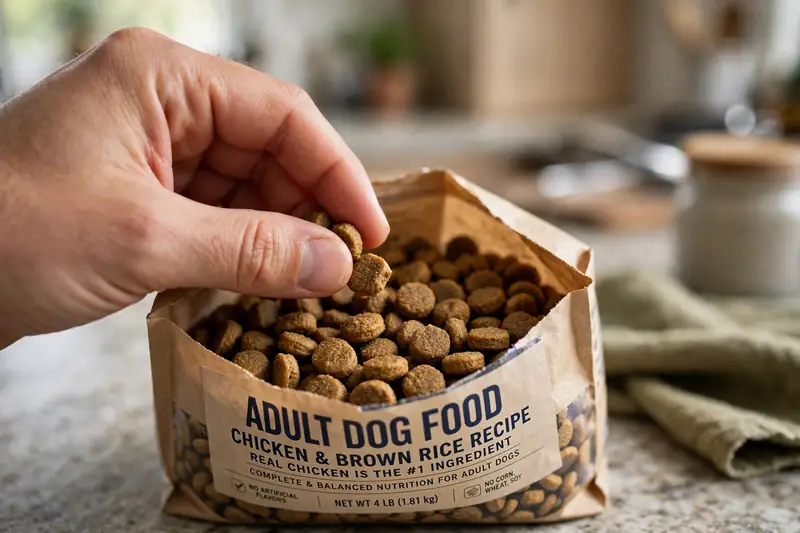
Watch the kibble itself. Discoloration, visible mold, clumping, or an oily film beyond the norm are all reasons to stop and call the retailer. A sudden change in your dog’s enthusiasm for a food they normally love is data too, especially if it coincides with a new bag.
If your dog develops vomiting, diarrhea, or lethargy after starting a new bag, note the lot number before you do anything else, then call your vet. The lot number is the single most useful piece of information in any food investigation. Photograph it when you open the bag and you will never have to dig through the trash later.
Switching dog foods safely
A clean recall record sometimes prompts a switch, and switches done wrong cause more stomach trouble than most foods ever do. Transition over seven to ten days. Start with roughly three-quarters old food and one-quarter new, then shift the ratio every couple of days until the new food stands alone.

Watch the stool during the transition. Soft stool in the first few days is common and usually resolves as the gut adjusts. Persistent diarrhea, vomiting, or refusal to eat means slow down or stop, and call your vet if it does not settle.
Pick the new food for your dog, not for the brand’s reputation. Life stage, size, activity level, and any health conditions matter more than marketing. Guides like best dog food for small dogs help narrow by size, and owners who cook can explore homemade dog food recipes built with a veterinary nutritionist. The human foods dogs can eat list is useful during transitions too, since plain toppers like chicken for dogs can ease a dog onto a new diet.
When to call the vet about your dog’s food
Call your vet if your dog vomits repeatedly, develops bloody stool, refuses food for more than a day, or shows lethargy after eating. Bring the bag or a photo of the lot number. The vet needs the product details to connect symptoms to a possible food cause.

Call even for milder signs if they persist beyond a day or two, or if more than one pet in the house is affected. Multiple sick animals point toward the food or the environment rather than an individual stomach bug, and that changes the investigation.
For questions about a product that is not making anyone sick, the FDA’s advice on reporting pet product problems explains where each type of complaint goes. And for the nutrition side of any diet question, your vet can advise on whether a food’s fiber for dogs content or supplements like fish oil for dogs suit your individual dog.
Frequently asked questions about Nulo recalls
Owners usually ask about the record, the company, and how to stay safe going forward. The answers below cover the repeat questions.
Has Nulo ever had a recall
No. No FDA recalls and no company-issued recalls appear in any established tracker or in FDA listings. The brand has operated since 2009 with a clean public record.
Where is Nulo dog food made
In the United States, across several manufacturing regions. The company states its facilities are FDA, USDA, and AAFCO approved, with annual American Institute of Baking inspections earning Superior ratings.
Who owns Nulo
Nulo was founded in 2009 by Michael Landa and is headquartered in Austin, Texas. It operates as an independent pet food company focused on high-protein, low-carbohydrate recipes.
How do I know my Nulo bag is safe
Check the lot number against the FDA’s recall listings and an independent tracker. Inspect the bag’s seal and the kibble’s condition when you open it. A clean recall record plus a normal-looking, normal-smelling bag is the practical all-clear.
What should I do if my dog gets sick from its food
Note the lot number, save the bag sealed, and call your vet. Then file a report with the FDA through the pet food complaint process. Your report helps regulators spot patterns across owners.
Does a clean recall record mean the food is perfect
No. It means no public safety action has been needed, which is meaningful but not a guarantee about the future or about how your individual dog will do on it. Keep the checking and reporting habits regardless of brand.
A clean recall record is the best answer a safety query can get, and Nulo’s file is empty across every tracker that matters. Use the five-minute check from this article whenever you switch brands, keep lot photos as a habit, and report problems when you see them. The system works when owners participate.
Disclaimer: This article is for general information only and is not veterinary advice. Recall status can change; verify against the FDA listings linked above for the latest information. If your dog shows symptoms after eating any food, contact your veterinarian promptly.


1 thought on “Nulo Dog Food Recall: Has It Ever Been Recalled?”