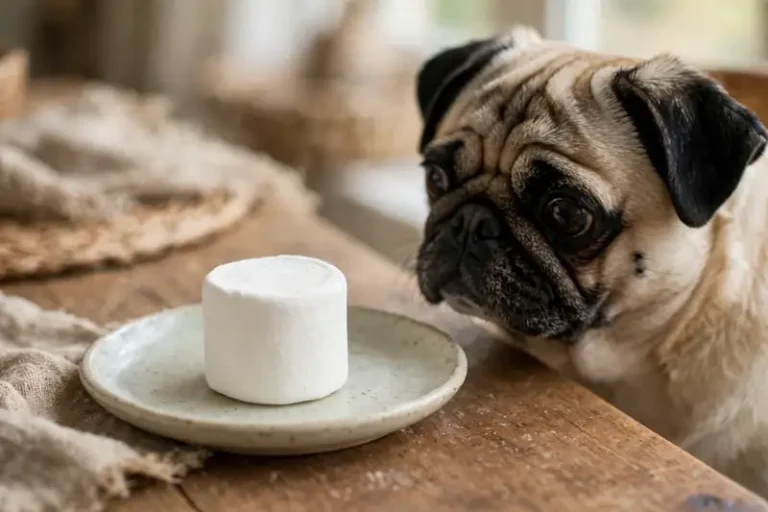
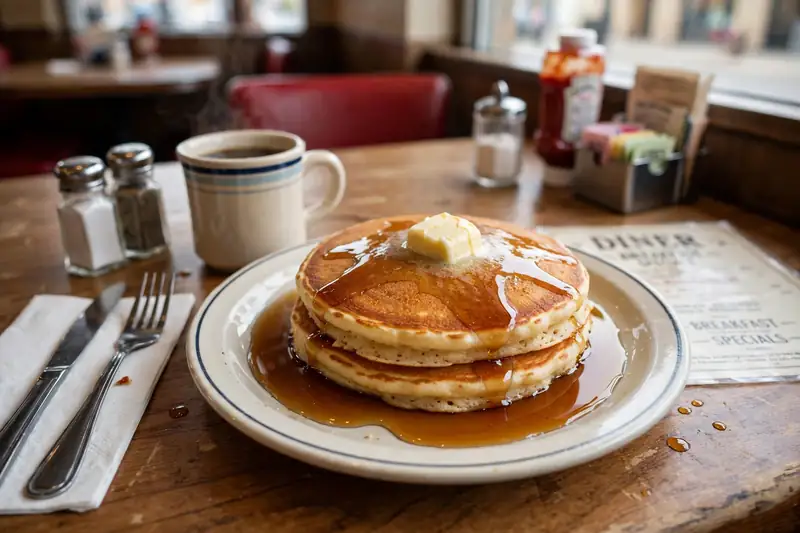
It happens on a slow Saturday morning. You turn around, and your dog has eaten the pancake off your plate. Can my dog eat pancakes? **A small piece of plain, fully cooked pancake will not poison a healthy dog, but the topping decides whether it is an emergency.** The pancake itself is flour, egg, and milk: empty calories, no nutrition, no toxin. The danger sits on top: syrup, sugar-free syrup with xylitol, chocolate chips, and raisins turn a harmless carb into a genuine hazard. PetMD’s guide to pancakes for dogs draws the same line: plain pancake yes in tiny amounts, toppings no. This guide is written for your situation: the triage when your dog already ate one, safe sharing portions, the raw batter risk, and a dog-safe pancake recipe.

My dog ate pancakes. What now?
**Check what was on the pancake first, because the topping decides the emergency.** Plain pancake with nothing on it: watch the dog for a day, expect nothing worse than mild stomach upset. Pancake with regular syrup or butter: a sugar and fat load, worth a vet call for small dogs or dogs with pancreatitis history. Pancake with sugar-free syrup, chocolate chips, or raisins: call the vet or a poison line immediately.

Write down what the dog ate while it is fresh: how many pancakes, which toppings, and when. Vets calculate risk from specifics, not from “some pancakes.” A 60 lb lab that ate one plain pancake is a non-event. A 12 lb terrier that ate two chocolate chip pancakes with sugar-free syrup is an emergency visit. Keep the syrup bottle or the pancake mix box handy for the call, since the label answers the xylitol question. Most pancake thefts end with an embarrassed dog and a normal day. The ones that do not are always about the topping.
The pancake itself: what is actually in it
**A plain pancake is refined flour, egg, and milk, cooked: calories with almost no nutrition for a dog.** Flour provides starch, egg provides a little protein, and milk provides a little fat plus a lactose dose many adult dogs cannot fully digest. Nothing in that list is toxic. Nothing in it helps the dog either. Veterinary sources describe pancakes as empty calories, and that is the whole nutritional story.
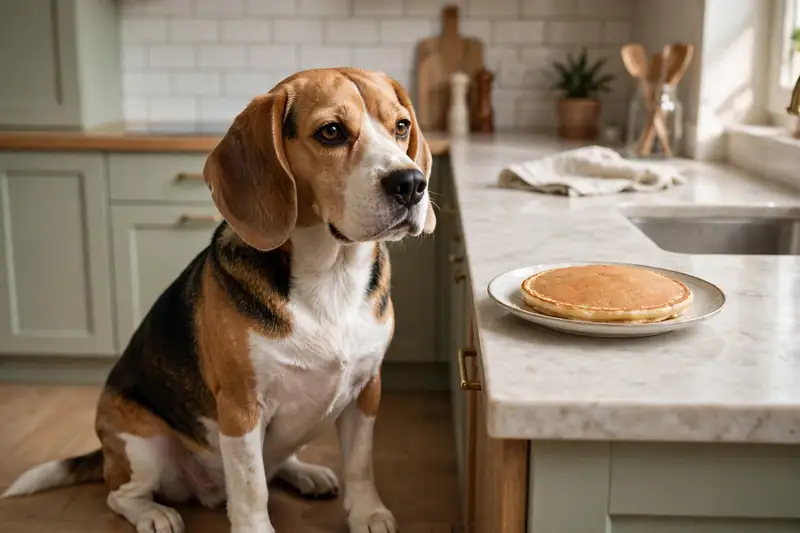
The complicating fact owners miss: the pancake is the least dangerous thing on the breakfast plate. People worry about the pancake while pouring syrup, spreading chocolate, or cooking in butter, and every one of those is worse than the flour underneath. A plain pancake the size of a coin does a healthy dog no harm. The same pancake under a quarter cup of syrup is a sugar bomb. Judge the plate, not the pancake. Bread follows the same logic: plain is fine, the spreads are the question.
Toppings are the real emergency
**Syrup, sugar-free syrup, chocolate, raisins, and nutmeg turn pancakes from harmless to dangerous.** Regular maple syrup is concentrated sugar: not toxic, but a heavy load that can cause vomiting and diarrhea, and risky for diabetic dogs. Sugar-free or “lite” syrup is the killer: many contain xylitol, which drops a dog’s blood sugar within 10 to 30 minutes and can cause liver failure. Pet Poison Helpline’s xylitol guide treats any xylitol ingestion as a call-now emergency.
Chocolate chips bring theobromine, which dogs metabolize slowly; the darker the chocolate, the worse the dose. Raisins and grapes can cause kidney failure in dogs, and the toxic dose varies wildly between individuals, so any raisin ingestion deserves a vet call. Nutmeg, common in spiced pancake mixes, is toxic to dogs in quantity. Butter adds a fat load that can trigger pancreatitis in sensitive dogs. ASPCA’s list of people foods to avoid names chocolate, grapes and raisins, and xylitol among the items that never belong in a dog’s bowl. Safe toppings exist: a few blueberries or a thin smear of xylitol-free peanut butter, checked on the label first.
Raw batter: the bowl-licking danger
**Raw pancake batter carries Salmonella from the egg and E. coli risk from the flour, and yeasted batter adds alcohol danger.** Dogs love to lick the bowl. The raw egg in batter can carry Salmonella, which sickens dogs and the people they lick. Raw flour has been linked to E. coli outbreaks in people, and the same flour goes into the dog’s mouth from the spoon.
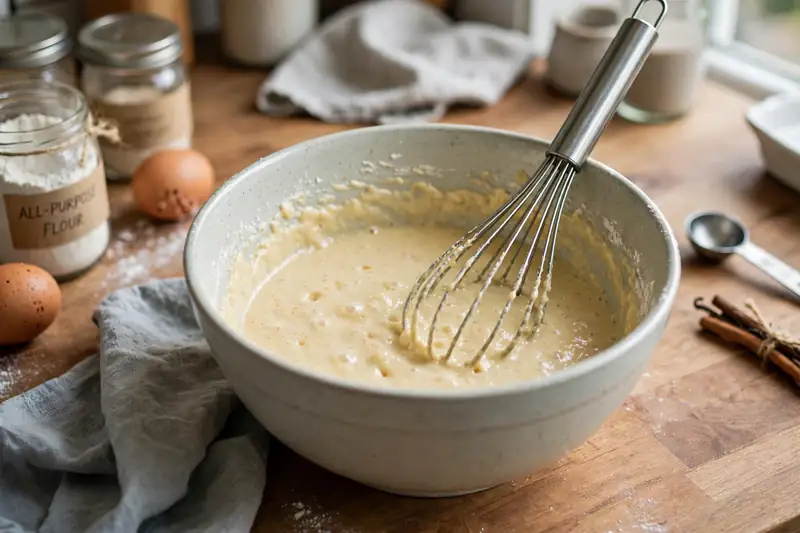
Leavened batter with yeast is worse. Yeast ferments in the warm stomach, producing alcohol and expanding gas. A dog that eats raw yeasted dough can develop alcohol poisoning and a dangerously bloated stomach. Never let the dog lick the batter bowl or steal spilled batter from the counter. Symptoms from raw batter show up in 1 to 3 days for bacteria: vomiting, fever, lethargy. Yeast dough is faster and more urgent: retching, a swelling belly, and wobbliness mean an emergency clinic. Cook the pancakes, cool them, and the dog can have its small plain piece safely.
How much pancake is safe to share
**Keep shared pancake tiny and rare: a 2-inch square piece for a small dog, up to a small pancake for a large dog, once a week at most.** Treats of all kinds should stay under 10 percent of daily calories, and VCA’s feeding guidelines hold that line. PetMD’s portion chart sets the rhythm at about one small serving per week, not per day.
| Dog size | Safe amount | Frequency |
|---|---|---|
| Small (under 20 lbs) | A 2-inch square piece, plain | Once a week at most |
| Medium (20 to 50 lbs) | A 4-inch square piece, plain | Once a week at most |
| Large (over 50 lbs) | One small pancake, plain | Once a week at most |
Cut the piece small even for big dogs, since gulped chunks of soft pancake can stick in the throat. Let it cool first: a hot pancake burns mouths. Skip the sharing entirely on weeks the dog already gets plenty of treats. A pancake adds nothing the dog needs, so there is no nutritional argument for making it weekly. It is a bonding ritual, and the ritual works fine at a coin-size piece.
Lactose, wheat, and sensitive stomachs
**Many adult dogs digest milk poorly, and some react to wheat, so pancakes can mean diarrhea for sensitive dogs.** Dogs produce less lactase as adults, which is the enzyme that digests milk sugar. A milk-heavy pancake can cause gas, soft stool, or outright diarrhea in a lactose-intolerant dog within hours. Wheat sensitivity is less common but real: itchy skin or chronic soft stool after grain foods deserves a vet conversation.

Dogs with pancreatitis, diabetes, or prescription diets should skip pancakes unless the vet approves. The fat and sugar load works against all three conditions. Cheese and other dairy treats follow the same lactose logic. If the first shared piece causes loose stool, the answer is not a smaller piece next week. It is no pancakes. The dog’s regular food already covers its nutrition, and no treat is worth a chronic upset stomach.
Diner and restaurant pancakes
**Restaurant pancakes are richer than homemade: more butter, buttermilk, and oil, plus toppings applied generously.** A diner short stack is cooked on a buttered griddle, which loads fat into every pancake. Buttermilk adds richness and more lactose. The syrup arrives in a bottomless pitcher, and the whipped cream is standard. A dog that begs at the brunch table and scores a restaurant pancake gets the maximum-fat, maximum-sugar version.

Pancake mixes deserve the same suspicion. Some mixes contain xylitol as a sweetener, and spiced mixes can include nutmeg. Read the box before the dog gets any. The table rule that prevents all of this: dogs do not eat from restaurant plates, ever. The food is seasoned for people, portioned for people, and served in an environment where nobody is watching the dog’s intake. Order the dog nothing, and share nothing.
A dog-safe pancake you can make at home
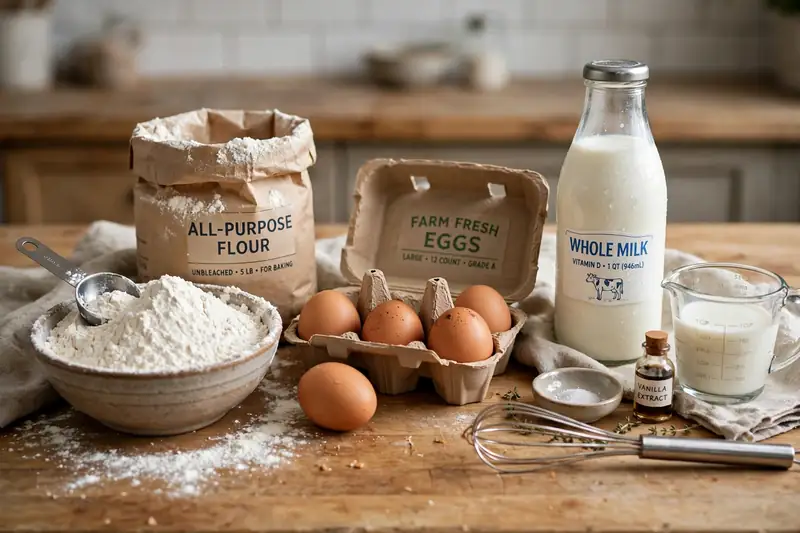
**One egg, about 60 grams of plain flour, and about 80 milliliters of water make a simple dog-safe pancake.** Whisk the batter smooth, cook small pancakes in a dry nonstick pan with no oil or butter, and let them cool completely before serving, since dogs burn their mouths on hot food just like people do. No sugar, no salt, no baking powder, no milk. The result is a plain, boring pancake, and boring is exactly right for a dog.

This is a treat, not a meal replacement. One or two mini pancakes per dog, once in a while, inside the treat calorie budget. Eggs are the nutritious part of the recipe, and they are safe for dogs when fully cooked. Safe mix-ins for dogs that already eat them: a little mashed banana or a few blueberries in the batter. Never chocolate chips, never raisins, never sweetener. Make a batch on pancake day, freeze the extras, and the dog gets its ritual without the risks.
Pancakes vs bread, waffles, and crepes
**Pancakes, waffles, crepes, and bread are the same food in different shapes: cooked flour with extras.** Waffles run higher in fat and sugar than plain pancakes, since the batter is richer and the grid holds more syrup. Crepes are thinner and often lower in fat, but restaurant crepes hide chocolate and liqueur. Bread is the simplest of the group, and plain bread in small amounts is fine for most dogs.

None of them earn a place in the dog’s diet. They are all vehicles for toppings, and the topping always decides the safety. A dog that handles plain bread well will handle a plain pancake piece the same way. The list of human foods dogs can eat covers the whole breakfast table in one place. When in doubt, the plainest version in the smallest piece is the rule for every one of them.
When to call the vet
**Call the vet if your dog ate pancakes with sugar-free syrup, chocolate, raisins, nutmeg, raw batter, or a large quantity of any kind.** Xylitol and chocolate are dose calculations the vet makes from the product and the dog’s weight. Raisins get no safe dose. Raw yeasted batter with a swelling belly is an emergency.

For a plain pancake theft with no symptoms, watching at home is reasonable. Expect possible mild stomach upset within a day. A bland diet for a day or two settles most cases. Keep the syrup bottle, the mix box, or a photo of the label for the call. Save your vet’s number and the ASPCA poison control number in your phone before you need them.
Frequently asked questions about dogs and pancakes
Owners usually ask about syrup, fruit pancakes, puppies, and batter licking. The answers below cover the questions that come up most often.
Can dogs eat pancakes with syrup?
Regular syrup in a tiny amount is not toxic, but it is pure sugar and can cause vomiting or diarrhea. Sugar-free syrup may contain xylitol, which is an emergency. The safe answer is no syrup on the dog’s piece.
Can dogs eat blueberry pancakes?
A plain pancake with a few real blueberries baked in is fine in a small piece. Blueberries are safe for dogs. The rule still excludes syrup, sugar, and chocolate chips, and the blueberries do not make the pancake healthy.
Can dogs eat banana pancakes?
A plain pancake with a little mashed banana is fine in a small piece. Banana is safe for dogs in moderation. Keep it plain otherwise: no syrup, no chocolate, no sweetener.
Can puppies eat pancakes?
A tiny piece of plain, cooled pancake will not harm a puppy, but puppies under six months do best on their complete puppy food alone. Their digestion is still settling, and new foods should arrive one at a time.
Can dogs eat protein pancakes?
Check the label first. Protein pancake mixes often contain xylitol or other sugar alcohols as sweeteners, plus flavorings and extra additives. Many are worse for dogs than a plain homemade pancake. When in doubt, skip it.
My dog licked raw pancake batter. What should I do?
A single lick of batter is unlikely to cause harm, but watch for vomiting, fever, or lethargy over 1 to 3 days. A dog that ate a large amount of batter, especially yeasted batter, needs a vet call. Do not let it become a habit: keep the dog away from the mixing bowl.
Pancakes earn a cautious yes in tiny plain pieces and a hard no once toppings enter the picture. The triage is simple: check the topping, count the amount, and call when xylitol, chocolate, or raisins are involved. Make the dog its own plain mini pancake, and Saturday breakfast stays safe for everyone.
Disclaimer: This article is for general information only and is not veterinary advice. Every dog is different, and dogs with health conditions, puppies, and nursing dogs may need different guidance. If you are unsure, or if your dog shows symptoms after eating pancakes, contact your veterinarian.