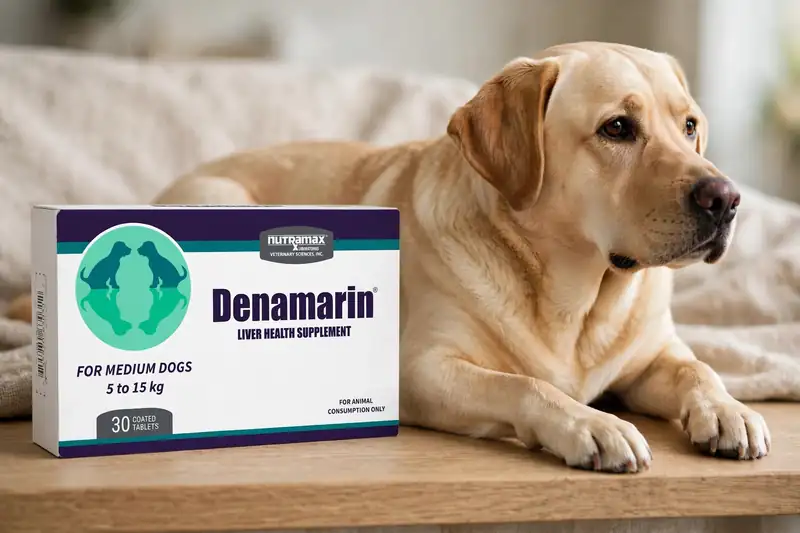
Denamarin for dogs is the liver support supplement veterinarians recommend most often. Made by Nutramax Laboratories, it combines SAMe (S-adenosylmethionine) with silybin from milk thistle to help protect liver cells and support healthy liver function. Vets use it for dogs with elevated liver enzymes, liver disease, and dogs on long-term medications that stress the liver. It has one strict rule that owners often miss: it must be given on an empty stomach. This guide covers the dosing chart, how it works, and when to call the vet.
What is Denamarin for dogs?
Denamarin is a liver health supplement for dogs from Nutramax Laboratories Veterinary Sciences, combining SAMe with silybin, a bioavailable extract from milk thistle. Each chewable tablet of the all-sizes formula contains 225 mg of SAMe and 82 mg of silybin-phosphatidylcholine complex. It is sold over the counter but almost always started on veterinary advice after bloodwork shows a liver concern.

If your vet has ever called about “elevated liver values” and mentioned a supplement, Denamarin is the likely candidate. It is the best-known product in a small category: supplements specifically aimed at liver support rather than joints or digestion. The two ingredients are both well studied individually. SAMe is a compound the liver produces naturally, involved in dozens of biochemical processes. Silybin is the active component of milk thistle, bound to phosphatidylcholine to improve absorption, since plain milk thistle is poorly absorbed on its own. There is also a Denamarin Advanced line with different strengths for small to medium dogs. Like all supplements, Denamarin is not a drug and the FDA does not review it for effectiveness, but it has a long history of veterinary use and a solid safety record. It supports the liver; it does not cure liver disease.
How SAMe and silybin support the liver
SAMe helps the liver produce glutathione, one of the body’s most important antioxidants, and supports healthy liver cell membranes. Silybin acts as an antioxidant in its own right and helps protect liver cells from oxidative damage. Together they support the liver’s ability to do its job: filtering blood, processing nutrients, and clearing toxins.

The liver is the body’s chemical processing plant, handling everything from digestion to detoxification, and it runs on antioxidants to protect itself while doing that heavy work. SAMe’s main contribution is feeding into glutathione production. Glutathione is the liver’s frontline defense against the oxidative stress created by processing medications, toxins, and normal metabolism. When the liver is under strain, glutathione gets depleted, and SAMe supplementation helps rebuild those reserves. Silybin complements this from a different angle: as a potent antioxidant itself, it helps shield liver cells from damage and supports their normal function. The phosphatidylcholine pairing matters because it makes the silybin far more absorbable than standard milk thistle extract. Neither ingredient forces the liver to do anything unnatural. They supply the raw materials and protection the organ uses in its normal work, which is why vets describe Denamarin as support rather than treatment.
When do vets recommend Denamarin?
Vets commonly recommend Denamarin for elevated liver enzymes found on bloodwork, diagnosed liver disease managed alongside primary treatment, dogs taking long-term medications processed by the liver such as phenobarbital or NSAIDs, and recovery support after toxin exposure. It is supportive care within a veterinary plan, not a standalone fix for liver disease.
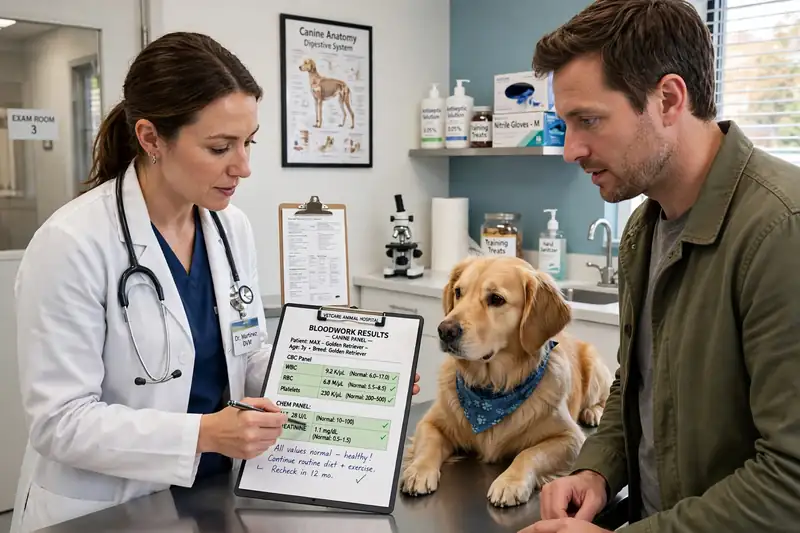
The most common starting point is a routine senior blood panel that comes back with high ALT or ALP, the liver enzymes. Often the dog seems perfectly fine, and the vet suggests Denamarin as a first supportive step while monitoring. In diagnosed liver conditions, it joins the treatment plan alongside diet changes and medications, helping the organ cope while the primary therapy does its work. Dogs on seizure medication like phenobarbital, which is processed heavily by the liver, are frequent long-term users, as are some dogs on chronic anti-inflammatories. After an incident like accidental toxin ingestion, vets sometimes add it during recovery to support healing liver tissue. What it is not is a substitute for diagnosis. Elevated enzymes are a signal, not a disease, and the underlying cause still needs identifying. Denamarin buys the liver support while the vet does the detective work.
Denamarin dosage chart by weight
The label’s chart for the all-sizes chewables: up to 6 pounds, a quarter tablet daily; 7 to 15, half; 16 to 30, one; 31 to 45, one and a half; 46 to 60, two; 61 to 75, two and a half; 76 to 90, three; 91 to 105, three and a half; over 105, four. Your vet confirms the dose.
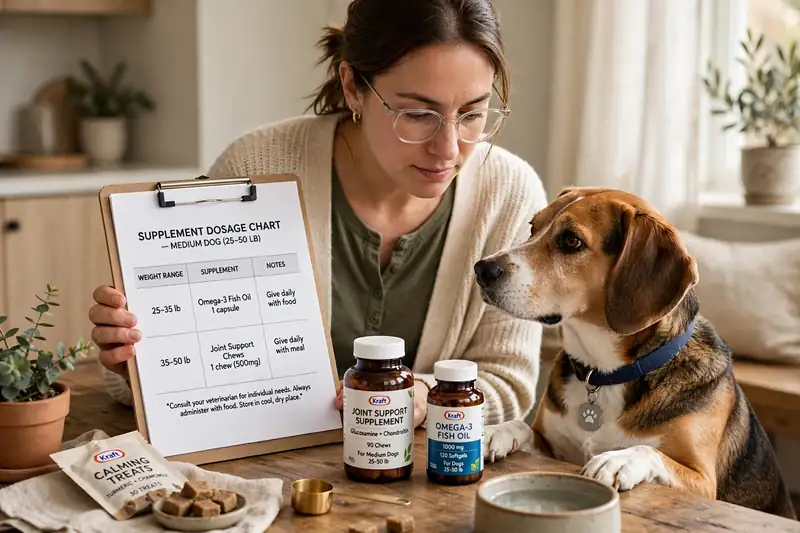
The chart is unusually detailed for a supplement, which makes dosing straightforward once you know your dog’s weight. The tablets can be split to hit the fractional doses, so a kitchen pill splitter earns its keep here. A few things worth noting: these directions are for the standard all-sizes chewable tablets, and the Denamarin Advanced line has its own different chart, so always read the box you actually bought. Your vet may adjust the number up or down based on the severity of the liver issue and how the dog responds to recheck bloodwork. Do not invent your own dosing schedule or double up because the enzymes are still high; liver support is a marathon, and the dose is the vet’s call. If your dog’s weight changes significantly, recheck the chart rather than continuing the old amount out of habit.
The empty stomach rule
Denamarin must be given on an empty stomach, at least one hour before a meal, for proper absorption. Food significantly reduces how much SAMe gets absorbed. Give it first thing in the morning, then feed an hour later. If your dog will not take it on an empty stomach, ask your vet about options.

This is the rule owners break most often, and it matters more here than with almost any other supplement. SAMe is poorly absorbed when food is present, so a tablet given with breakfast may deliver a fraction of its intended effect. You would be paying for liver support your dog is not getting. The practical routine is simple: tablet first thing in the morning, then feed an hour later. Most dogs learn the pattern within days. For dogs that resist pills on an empty stomach, talk to your vet before improvising. The Denamarin Advanced line notes that its tablets can be given with a small amount of food or a treat if needed, but that is a specific formulation note, not a general permission slip. Whatever you do, do not quietly switch to with-food dosing and assume it is working. If the administration is a daily battle, tell your vet; they deal with this constantly and have strategies.
How long does Denamarin take to work?
Liver support is gradual, so expect weeks to months before recheck bloodwork shows changes. Most vets recheck liver values 4 to 8 weeks after starting, then adjust the plan. Denamarin is often used long term, sometimes for life, in dogs with chronic liver conditions or ongoing medication needs. Judge it by the bloodwork, not by how the dog looks.
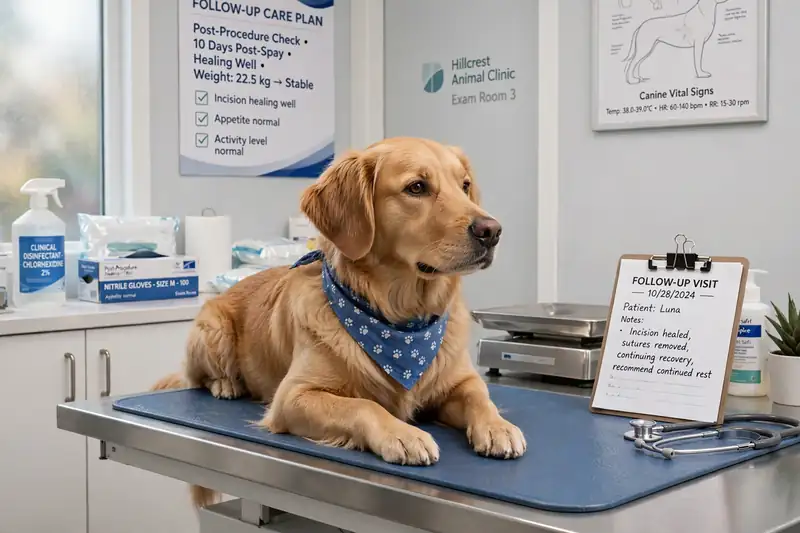
The liver does not send daily status updates, which makes this supplement a test of patience. Many dogs on Denamarin feel completely normal from the start, because the whole point is supporting an organ before things get visibly wrong. That makes the recheck blood panel the real report card. Your vet will typically want new bloodwork a month or two after starting to see whether the enzymes are trending the right way. If they are, the supplement stays in the plan. If not, the vet investigates further rather than just adding more tablets. For dogs on lifelong medications like phenobarbital, Denamarin often becomes a permanent part of the routine, reviewed at regular checkups. Keep every recheck appointment. Skipping the bloodwork turns a managed plan into a guessing game, and the liver deserves better than guesses.
Side effects and safety
Denamarin is considered very safe, and side effects are uncommon. The most likely issue is mild digestive upset, occasionally seen when starting. There are no widespread reports of serious adverse effects at label doses. As always, tell your vet about every supplement your dog takes, and report anything unusual.

The safety record here is genuinely strong. SAMe is a substance the body makes naturally, and silybin from milk thistle has centuries of use behind it. At the labeled doses, most dogs take Denamarin for years without any issue at all. The occasional mild stomach upset at the start usually resolves quickly. The cautions are about context rather than the product. Dogs with bile duct obstruction need veterinary evaluation before any liver supplement, since stimulating a blocked system is not helpful. As with every supplement, keep the bottle stored safely away from the dog; the chewables are flavored, and a dog that eats the whole bottle is facing a very different dose than the label intended. And maintain the full disclosure habit: the vet managing the liver case needs to know about every product going into the dog, including the ones that seem too mild to mention.
Denamarin vs plain milk thistle
Denamarin pairs silybin with phosphatidylcholine for better absorption and adds SAMe, which plain milk thistle products lack. Standard milk thistle extract is poorly absorbed on its own, so much of it passes through unused. If your vet specifically recommended Denamarin, do not substitute a generic milk thistle capsule and assume equal effect.

The milk thistle aisle is crowded and confusing, so the comparison matters. Plain milk thistle products contain silymarin, a group of compounds including silybin, but in a form the gut absorbs poorly. Studies have consistently shown low bioavailability, which is exactly the problem Denamarin’s formulation was designed to solve: binding silybin to phosphatidylcholine dramatically improves uptake. Then there is the SAMe half of the tablet, which no milk thistle product provides. SAMe’s glutathione support is a distinct and complementary mechanism, and it is half the reason vets choose this product. Generic substitutes also vary wildly in actual silybin content, since supplement regulation does not demand precision. This is not to say milk thistle is useless, but it is to say the products are not interchangeable. When the vet writes “Denamarin” on the plan, they mean this formulation, and swapping it for a bargain bottle is changing the treatment without telling the doctor.
Dogs who should skip it or need vet supervision
Healthy dogs with normal bloodwork do not need liver supplements. Dogs with bile duct obstruction need veterinary evaluation first. Any dog with diagnosed liver disease should only use Denamarin as part of the vet’s overall plan, never as a do-it-yourself treatment. Supplements support the plan; they are not the plan.

It is tempting to give liver support “just in case,” especially for a senior dog, but supplements should answer a real finding, not a vague worry. A healthy dog with clean bloodwork gains nothing from daily Denamarin except expense. The bile duct caution is the medically important one: if bile cannot flow, supporting the liver’s processing without addressing the blockage misses the point entirely, and only the vet’s workup can identify that situation. For dogs with diagnosed liver disease, the supplement is one instrument in the orchestra, alongside diet, medications, and monitoring. Playing it solo, without the rest of the treatment, risks a false sense of security while the disease progresses unaddressed. And as with all of this, the decision to start, continue, or stop belongs in the conversation with the vet who has the bloodwork in front of them.
Signs of liver trouble to watch for
Liver problems often show subtly at first: reduced appetite, mild lethargy, occasional vomiting, or weight loss. More obvious signs include yellowing of the gums, skin, or eyes (jaundice), very dark urine, pale gray stools, increased thirst and urination, fluid swelling in the belly, or confusion. Any of these warrant a prompt vet visit and bloodwork.
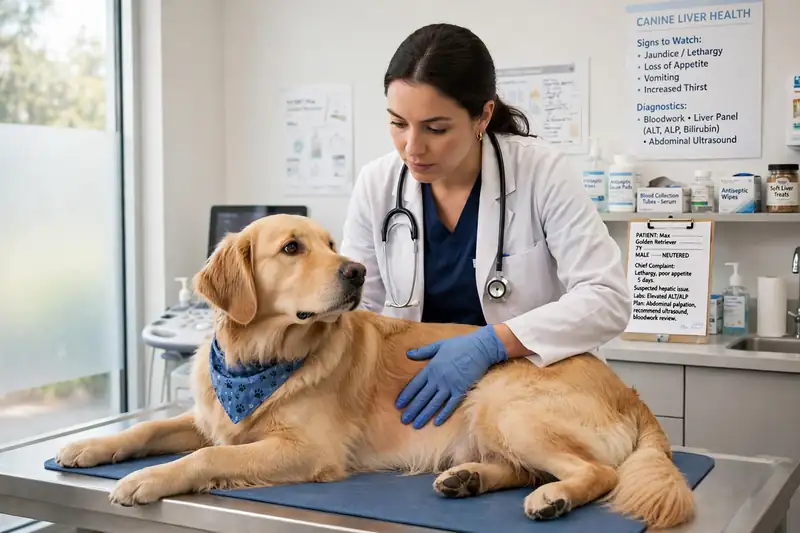
The liver’s great trick is compensating quietly until it cannot, which is why bloodwork catches trouble before owners do. Still, it pays to know the visible signs. Early ones are easy to dismiss: a dog slightly off its food, a bit less enthusiastic, the occasional vomit blamed on something eaten outside. Do not dismiss patterns. If the mild signs persist more than a few days, get bloodwork. The later signs are harder to miss: jaundice, the yellow tint to gums and eyes, is the classic red flag. Dark urine combined with pale stools suggests bile flow problems. A swollen belly can mean fluid accumulation from poor liver function. Neurological signs like disorientation or head pressing can indicate toxins the failing liver is not clearing. VCA‘s liver disease resources describe the full diagnostic path, from blood panels to bile acid testing. The takeaway is simple: the liver whispers before it shouts, and bloodwork is how you hear the whisper.
Denamarin is a straightforward tool: two well-chosen ingredients, clear dosing, and a safety record that lets vets recommend it with confidence. Just remember the empty stomach rule and the recheck schedule. For dogs whose liver values rose while on pain medication, our carprofen dosage guide explains how vets balance pain relief with organ safety, and our electrolytes guide covers hydration support for dogs feeling unwell.
Frequently Asked Questions
How long does Denamarin take to work in dogs?
It works gradually over weeks to months. Most vets recheck liver bloodwork 4 to 8 weeks after starting to assess the trend. It is often used long term, sometimes for life, in chronic cases.
Why must Denamarin be given on an empty stomach?
Food significantly reduces SAMe absorption, so giving it with a meal wastes much of the dose. Give it at least one hour before feeding, usually first thing in the morning, for full effect.
Can Denamarin be given long term?
Yes. Many dogs take it for years, particularly those on long-term liver-stressing medications or with chronic liver conditions. Your vet reviews it at regular checkups alongside recheck bloodwork.
What are the side effects of Denamarin in dogs?
Side effects are uncommon. Mild digestive upset when starting is the most reported issue and usually resolves quickly. Serious adverse effects at label doses are not a recognized pattern.
Is Denamarin the same as milk thistle?
No. Denamarin contains silybin bound to phosphatidylcholine for far better absorption than plain milk thistle, plus SAMe, which milk thistle products lack. They are not interchangeable.
Can I give Denamarin with food if my dog refuses it otherwise?
Ask your vet first rather than deciding alone, since with-food dosing greatly reduces absorption. Vets have strategies for difficult dogs, and the Advanced line has specific guidance worth discussing.
What do elevated liver enzymes mean in dogs?
They signal liver stress or damage but not the cause, which can range from medication effects to infection, toxins, or disease. Elevated enzymes need veterinary diagnosis; Denamarin supports the liver while that work happens.
This article is general information only and is not a substitute for veterinary advice. If your dog has a health condition, is on medication, or you are unsure about any supplement, check with your veterinarian first.