High Calorie Dog Food: A Vet Backed Guide for Thin Dogs
High calorie dog food is a dense diet that packs more energy into each cup, so a thin dog can gain weight without eating a mountain of kibble. It suits underweight dogs, working dogs, and dogs that are recovering from illness. A vet check comes first, because weight loss can be a sign of disease that extra food alone cannot fix.
This guide explains how to tell if a dog is truly underweight, what makes a food high calorie, how to feed it safely, and how to track gains. It also covers the risks of feeding too fast and the point where a vet should take over.
What is high calorie dog food?
High calorie dog food is a complete and balanced diet that delivers more calories per cup than a standard adult kibble. Standard kibble holds around 300 to 360 calories per cup, while high calorie formulas often hold 450 to 550, and some working dog formulas reach past 700. The extra energy comes in the same size meal.
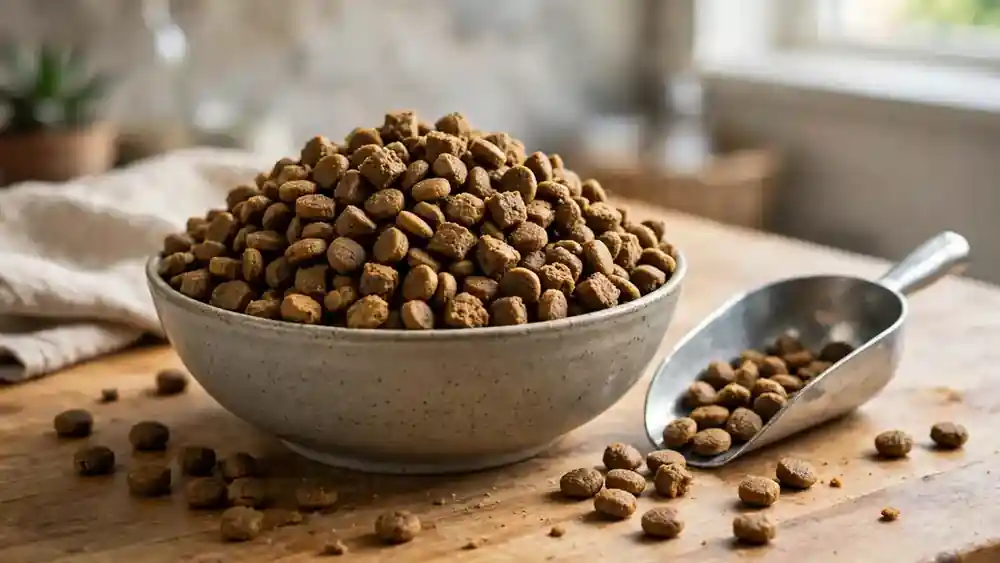
Fat carries 9 calories per gram, while protein and carbohydrate carry 4 each, so a small rise in fat lifts the calorie count fast. Protein matters too, because a thin dog needs to rebuild muscle as well as fat. A bag marked 30/20 holds at least 30 percent protein and 20 percent fat, and that ratio is a common sign of a dense food. Fiber stays low in these diets, since fiber fills the stomach without adding energy.
Puppy formulas, performance kibbles, and all life stages diets can all run dense. The label tells the truth through the calorie statement, usually written as kcal per cup or kcal per kilogram. Read that number before trusting words such as “high energy” on the front of the bag.
Which dogs need high calorie dog food?
High calorie dog food suits dogs that are underweight, dogs recovering from illness or surgery, working and sporting dogs, and nursing mothers. It also suits picky dogs that eat small meals and seniors that lost weight with age. A vet should confirm the need first, since a naturally lean breed can look thin while sitting at a healthy weight.

Underweight dogs are the clearest case. A rescue dog or a dog that lost weight during illness may need a dense diet to catch up. The PetMD guide to dog food for weight gain explains what vets look for in a weight gain diet.
Working dogs burn fuel at a rate a house pet never reaches. Sled dogs, hunting dogs, herding dogs, and police dogs can need twice the calories of a pet of the same size. Nursing mothers also burn extra fuel, since milk takes a heavy toll. Puppies need dense food for growth, but a puppy should eat a puppy formula, not a working dog kibble.
How do you know if your dog is underweight?
You know a dog is underweight when the ribs, spine, and hip bones show from a distance, the waist looks sharp from above, and the belly tucks up hard from the side. Vets score this on a 9 point body condition scale, where 4 or 5 is ideal and 1 to 3 means too thin.
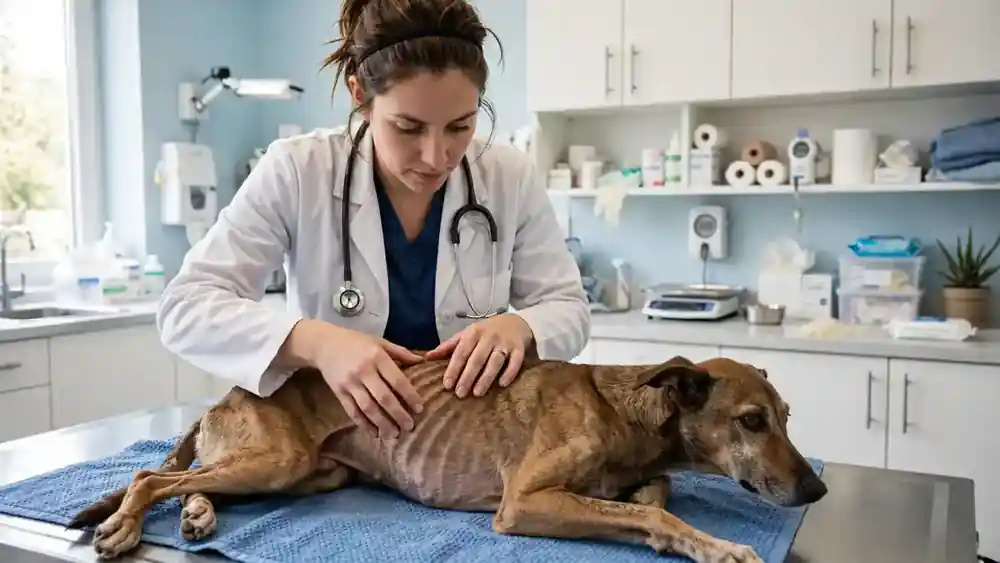
The rib test is the fastest check at home. Run a flat hand over the ribs with light pressure. At a healthy weight, you feel each rib under a thin layer of fat, like pencils under a cloth. On a thin dog, the ribs feel bare and sharp, with no fat over them. The PetMD guide to calculating a dog’s healthy weight explains the 9 point scale and how to pair it with body weight to set a target.
A thin dog loses muscle over the back and thighs, not just fat, and the coat may look dull. Weigh the dog on the same scale each week and write the number down. A vet visit should come before any feeding change, and the VCA guide to weight loss in dogs lists causes from parasites to kidney disease.
What makes a good high calorie dog food?
A good high calorie dog food is complete and balanced, dense in calories, rich in digestible animal protein, and high enough in fat to lift energy without a huge meal. Look for a named animal protein first, at least 30 percent protein, around 18 to 20 percent fat, and a calorie statement above 450 kcal per cup.
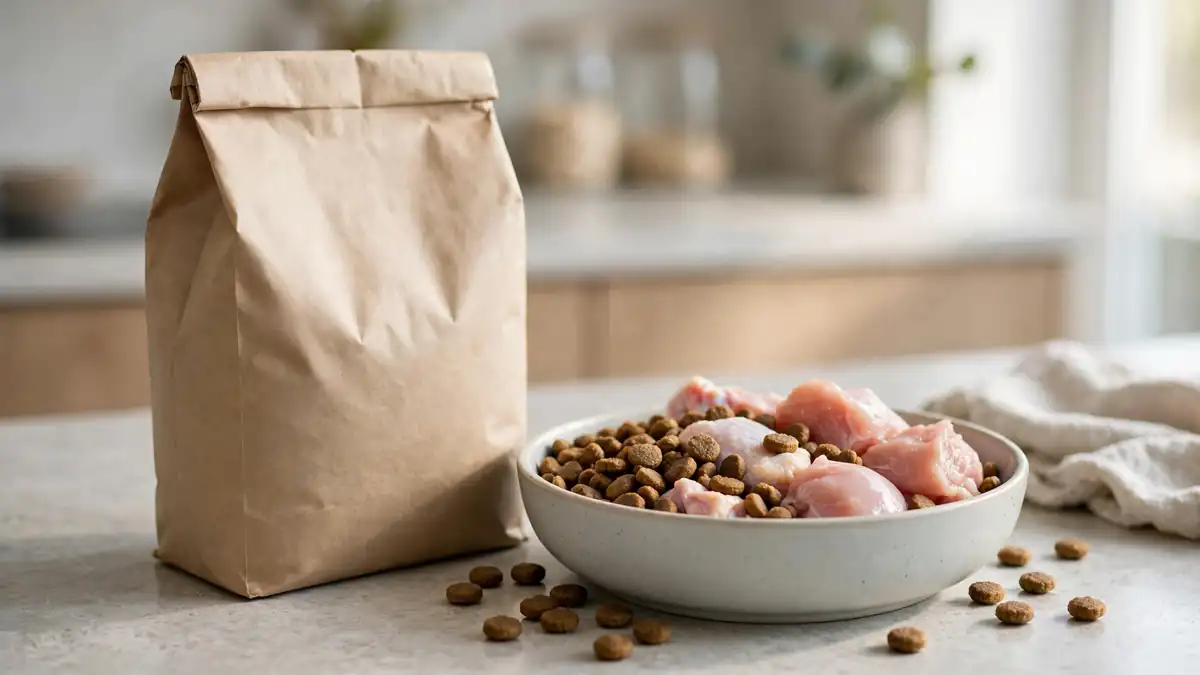
Protein quality decides whether the gain is muscle or just fat. A named protein such as chicken, beef, salmon, or lamb should lead the list, and the food should carry the amino acids a dog needs to rebuild tissue. A dense kibble should match the quality of plain chicken or eggs fed at home.
Digestibility matters as much as the numbers on the bag. A food that passes through half digested gives the dog little, no matter how many calories the label claims. Premium formulas often digest at 80 to 90 percent, while budget foods sit lower. Wet food can help dogs with sore mouths or weak appetites. Check the AAFCO statement too, so the dense food still covers every nutrient the dog needs.
How much high calorie dog food should a dog eat?
How much high calorie dog food a dog eats depends on the dog’s target weight, age, and activity, and the vet should set the amount. As a starting point, feed the amount on the bag for the target weight, not the current weight, then weigh the dog each week and adjust.
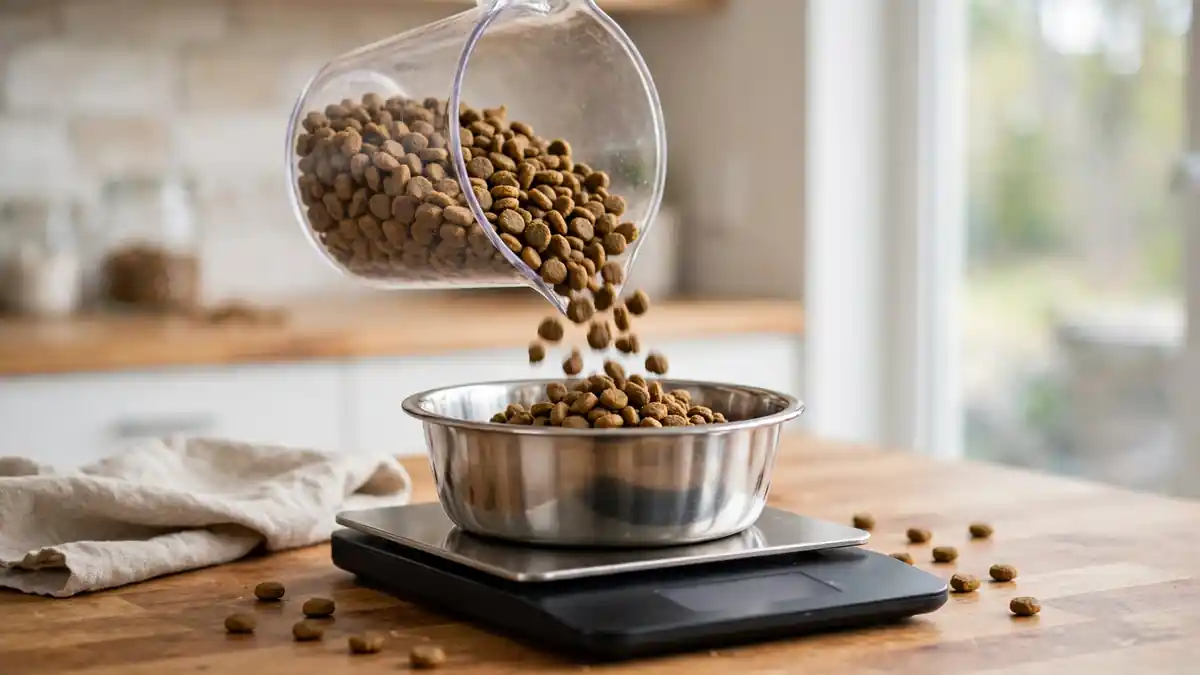
The bag guide is a starting point, not a prescription. A working dog in winter may need far more than the bag suggests. Split the daily amount into three or four small meals instead of one or two large ones. Small meals suit a thin dog better, since a huge bowl can cause vomiting or bloat, and dogs often eat more across the day when the bowl stays small.
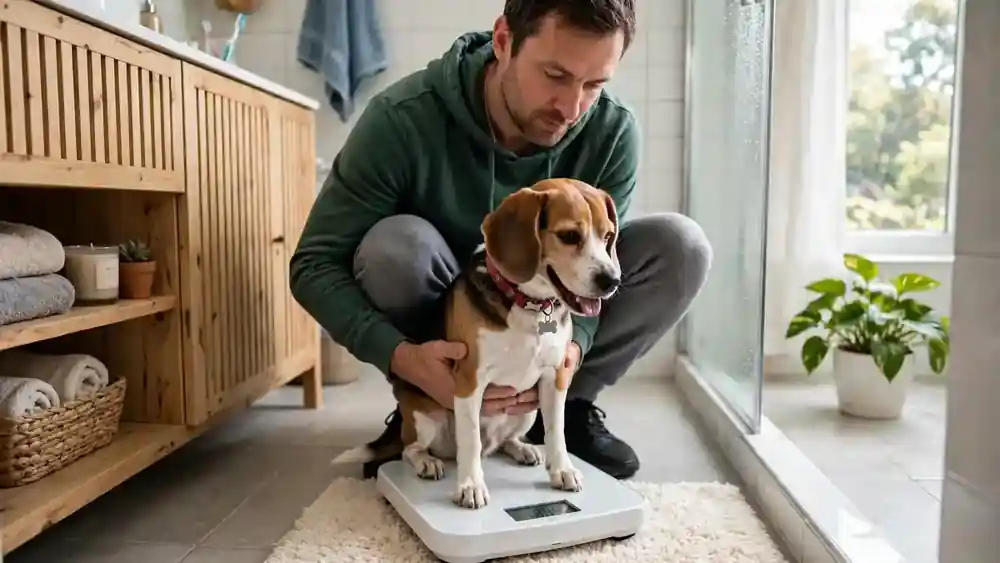
Track the scale, not the bowl. Weigh the dog weekly on the same scale and write the number down. A gain of 1 to 2 percent of body weight per week is a safe pace for most dogs. The AKC guide to how much to feed a dog explains how age, size, and activity shift the amount.
How do you switch a dog to high calorie food?
Switch a dog to high calorie dog food over 7 to 10 days by mixing a small share of the new food into the old food and raising the share each day. A slow switch matters more with dense food, since a fast jump in fat can upset the stomach and, in rare cases, trigger pancreatitis.
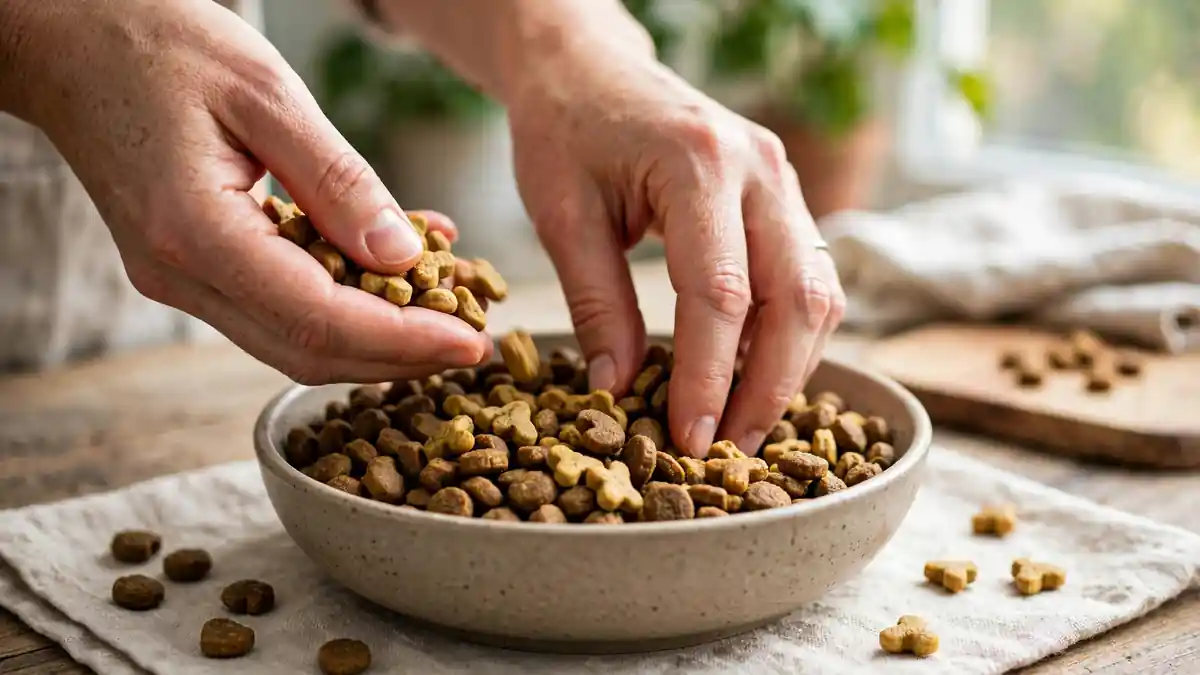
Start with one part new food to three parts old food for two or three days, then move to half and half, then three parts new to one part old, then all new. Watch the stool at each step. If loose stool or vomiting shows up, hold at the current mix for an extra day or two before moving on. Soaking the kibble in warm water can help a dog with a weak appetite.
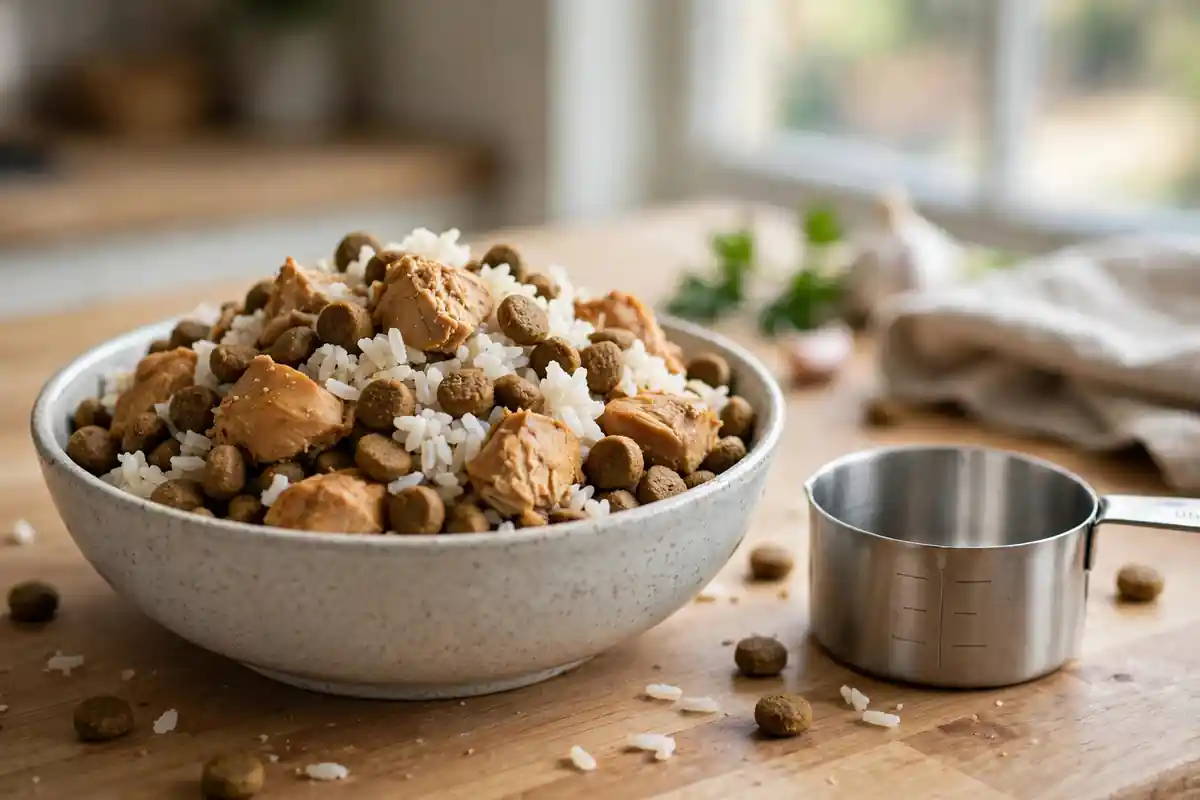
Additions can help once the switch is done. A spoon of plain cooked sweet potato or rice adds gentle calories, and a splash of bone broth can tempt a picky dog to finish the bowl. Keep additions small so they do not crowd out the balanced food. A dog that refuses food for more than a day needs a vet call, not a richer topper.
What are the risks of high calorie dog food?
The risks of high calorie dog food are upset stomach, pancreatitis from a fast fat jump, and overshooting into overweight. A starved or very thin dog also faces refeeding trouble, where a sudden flood of food upsets blood chemistry. Slow feeding, small meals, and vet checks keep these risks low.

Pancreatitis is the risk vets warn about most. The pancreas reacts badly to a sudden load of fat, and the result can be vomiting, belly pain, and a vet emergency. That is why a slow switch is a safety step. Dogs with a history of pancreatitis should only eat a dense diet when the vet picks the formula and the amount.
Overshoot is the quiet risk. A dog that gains fast can pass its target weight before the owner notices, and extra fat brings its own trouble. Weigh weekly, feel the ribs, and cut the amount once the dog reaches a body condition score of 4 or 5. Owners of little breeds should measure each meal, and our best dog food for small dogs guide covers dense options for small mouths.
Can puppies and seniors eat high calorie dog food?
Puppies can eat high calorie food when it is a puppy formula made for growth, and seniors can eat it when the vet confirms they need the extra energy. A working dog kibble is not a puppy food, and a senior with kidney or liver trouble may need a different diet.

Puppies burn fuel fast and need dense food to grow, which is why puppy formulas run 420 to 500 calories per cup. A large breed puppy still needs controlled calcium, so the vet should check the formula first. A puppy that gains too fast can stress growing joints.
Seniors split two ways. Some seniors lose weight because they eat less or absorb less, and a dense, tasty food helps them hold weight. Others gain weight as they slow down and need fewer calories, not more. A senior that drops weight without a clear reason needs blood work and a dental check before any diet change.
How do you track healthy weight gain in a dog?
Track healthy weight gain by weighing the dog weekly on the same scale, feeling the ribs, and watching muscle over the back and thighs. Aim for a gain of 1 to 2 percent of body weight per week. Keep a short log of date, weight, and amount fed.

A dog can look the same for weeks while the scale moves a little each time. Weigh at the same time of day, on the same scale, before the morning meal. A gain that stalls for two weeks needs a vet review, not a random extra scoop. A gain that runs too fast means the amount should drop before the dog overshoots.
Muscle matters as much as weight. A dog that gains only fat has not recovered, so watch the thighs and the back for fill. Gentle walks and play help the dog turn food into muscle, but a frail dog should build activity slowly. If the dog fails to gain after four to six weeks on a dense diet, the vet should look for parasites or gut disease.
Frequently asked questions about high calorie dog food for dogs
Owners ask the same questions when a vet first suggests a denser diet. The answers below cover safety, speed, and the daily rules that keep weight gain healthy. Read them before the first bag, since a few small mistakes can waste weeks of work and slow the dog’s recovery.
What is the best high calorie dog food for underweight dogs?
The best food depends on the dog’s age, size, and health, so the vet should pick it. A healthy adult that simply needs more fuel often does well on a 30/20 performance kibble with a named protein first and a calorie count above 450 per cup. A dog with pancreatitis, kidney disease, or gut trouble needs a formula the vet picks for that condition, not the densest bag on the shelf.
How fast should a dog gain weight on high calorie food?
A safe pace is 1 to 2 percent of body weight per week for most dogs. A 25 pound dog should gain about a quarter to a half pound each week. Faster gains often mean fat, not muscle. Weigh weekly and adjust the amount with the vet. If the dog gains nothing after four to six weeks on a dense diet, the vet should look for a medical cause.
Can high calorie dog food cause pancreatitis?
Yes, it can, when the switch is too fast or the fat load jumps too high at once. Pancreatitis is a painful inflammation of the pancreas, and fatty meals are a known trigger. Switch over 7 to 10 days, split meals into three or four small servings, and watch for vomiting or belly pain. Dogs with a history of pancreatitis need a vet picked formula.
Is high calorie dog food safe for puppies?
Puppy formulas are safe for puppies because they are made for growth, with the right calcium and calorie levels. A working dog kibble is not a puppy food, even though it runs dense, since it may push a large breed puppy to grow too fast. Pick a puppy formula that matches the breed size and weigh the puppy weekly.
Should I add supplements to high calorie dog food?
Usually no. A complete and balanced high calorie food already covers the dog’s needs, and extra supplements can unbalance the diet. A vet may add a specific supplement for a dog that is recovering from illness or a dog with a known gap, but that choice belongs to the vet. Liquid calorie supplements are a short term aid, not a meal.
When should I stop feeding high calorie dog food?
Stop when the dog reaches a healthy body condition score of 4 or 5 and holds it for two weeks. Then switch back to a maintenance diet over 7 to 10 days, using the same slow mix as before. If the dog starts to slip again, call the vet instead of going straight back to the dense food, since a new cause may be at work.
High calorie dog food is a tool, not a shortcut. A vet check first, a slow switch, small meals, and weekly weigh ins turn extra calories into real recovery.