How Long Can a Dog Go Without Eating? Timelines, Causes, and Vet Advice
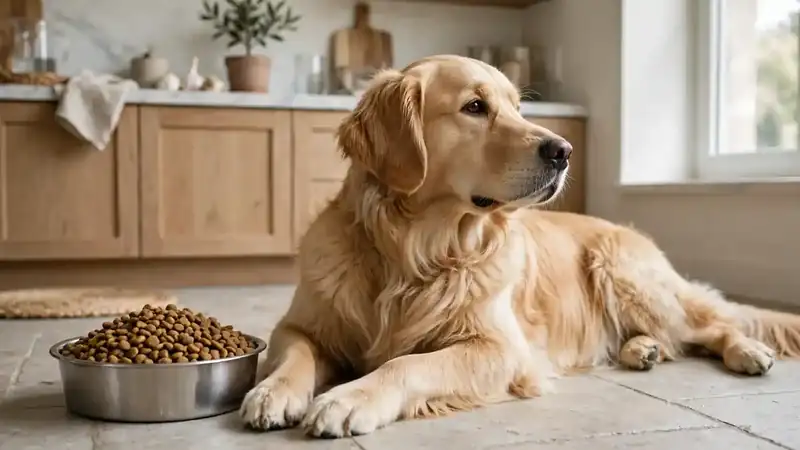
A healthy adult dog can go about three to five days without eating if it keeps drinking water, but you should call your vet after 24 hours without food. Survival and safety are not the same thing. A dog can stay alive for days while its body weakens, and the cause matters more than the count of empty bowls. Puppies, toy breeds, seniors, and sick dogs run out of time much faster, sometimes within hours.
This guide gives you the timelines vets use, the reasons dogs stop eating, and the signs that turn a skipped meal into an emergency. You will learn what to do in the first day and how to tempt a dog back to food.
How long can a dog go without eating?
A healthy adult dog can go about three to five days without eating if it keeps drinking water, but that survival window is not a safe waiting period. Call your vet if your dog refuses all food for 24 hours, or sooner if it vomits, seems weak, or stops drinking.
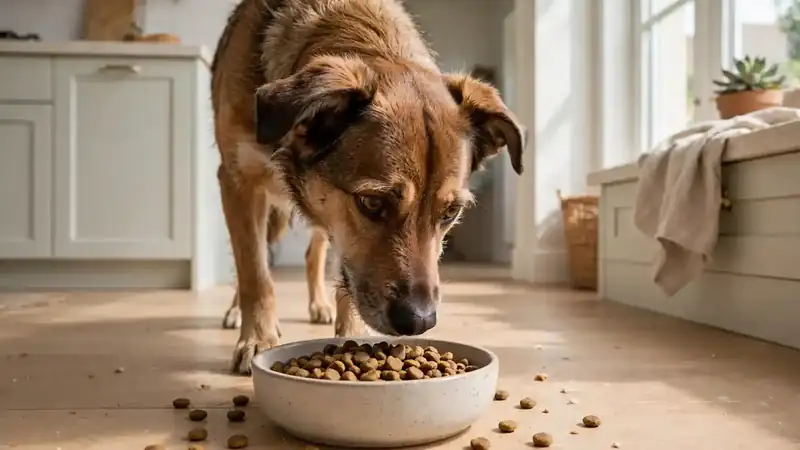
The three to five day figure holds only for a healthy adult dog that keeps drinking normally. By the third day most dogs show clear weakness and low energy. Their bodies burn through stored sugar first, then fat, and the strain grows with each missed meal.
Vets draw a sharper line than the survival figure suggests. The AKC guide on why dogs stop eating advises owners to contact a vet if a dog does not start eating within 12 to 24 hours. PetMD says an otherwise healthy adult dog that has not eaten for more than two days should see a vet. You call the vet long before the dog reaches its limit.
Why is water more urgent than food?
Water matters more than food because a dog can only go about two to three days without water, while it can last several days without food. Dehydration harms the kidneys and other organs fast, and it can turn deadly before hunger does. A dog that refuses both food and water needs vet care right away.
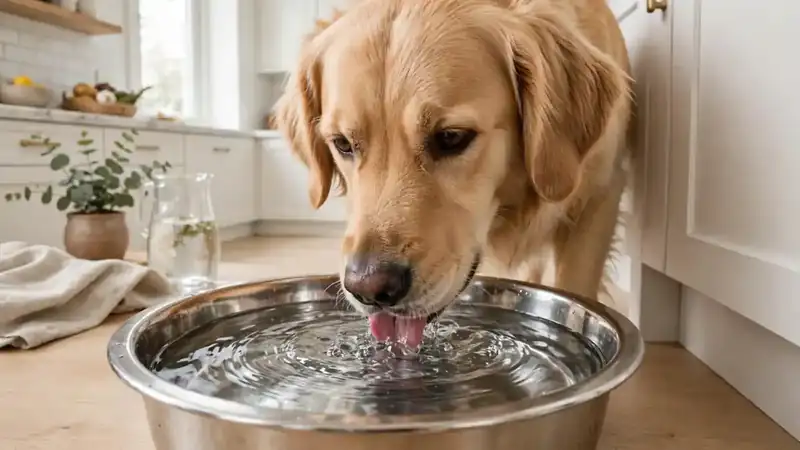
A dog loses water with every breath, every trip outside, and every bout of vomiting or diarrhea. Food brings some water with it, so a dog that stops eating loses that hidden source too. Dry gums, sunken eyes, and skin that stays tented when pinched gently are signs the body is running dry.
If your dog refuses water, do not wait a day to see what happens. Offer fresh water in a clean bowl, try a second bowl in a quiet spot, and add an ice cube if your dog likes to lick. If the dog still will not drink for several hours, or vomiting keeps water from staying down, call your vet the same day.
Why do puppies run out of time so fast?
Puppies run out of time fast because their bodies burn fuel quickly, they carry almost no fat reserves, and their blood sugar can crash within 12 to 24 hours. Toy breed puppies face the highest risk, since a small body has even less margin. A puppy that skips more than one meal needs a vet call the same day.

A growing puppy spends energy on growth, play, and keeping warm, all at once. An adult dog can lean on fat stores for days, but a young puppy has little stored to lean on. When blood sugar drops, a puppy can turn wobbly, weak, or sleepy, and in a small breed the slide can happen in a few hours.
Young puppies eat three or four small meals a day for a reason, and each meal tops up a small tank. If a puppy refuses one meal, offer food again in an hour, try warming it, and watch the puppy closely. If the puppy skips a second meal, seems weak, or trembles, call your vet without waiting.
What makes senior dogs and sick dogs different?
Senior dogs and sick dogs have a shorter safe window because age, kidney trouble, liver trouble, and other illness drain their reserves fast. A senior dog that skips food for 24 hours should see a vet. A diabetic dog that misses even one meal needs vet advice the same day, since insulin and food must stay in balance.
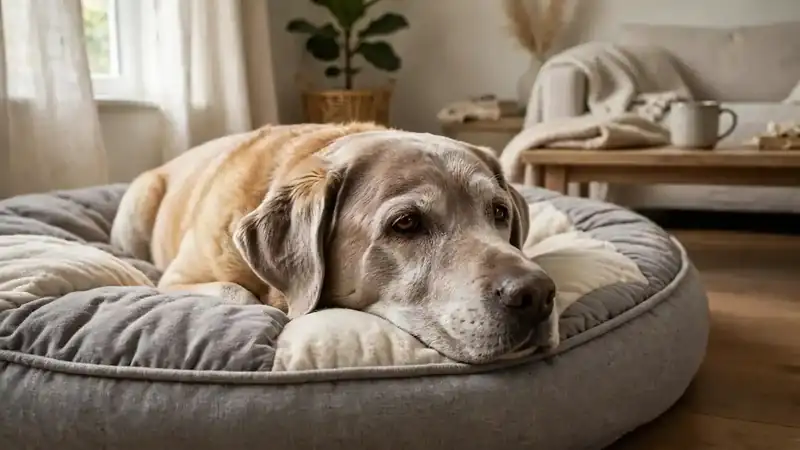
An older dog often carries a quiet illness that a missed meal brings into the open. Kidney disease, liver disease, and cancer all blunt appetite, and each one gets worse when the dog stops eating and drinking. A senior dog also drinks less on a normal day, so dehydration arrives sooner.
Dogs with diabetes sit in their own risk group. Insulin lowers blood sugar, and food is what keeps that sugar from dropping too far. A diabetic dog that skips a meal and still gets its usual insulin dose can crash hard. Never guess at the dose when a dog has not eaten. Call the vet first and follow the advice you get.
Why do dogs stop eating in the first place?
Dogs stop eating for many reasons, from a sore tooth or upset stomach to stress, a new home, or a serious illness such as kidney disease or pancreatitis. Some medicines and recent vaccines can also dull appetite for a day. The cause matters more than the missed meal, since a passing upset and a hidden illness need very different responses.
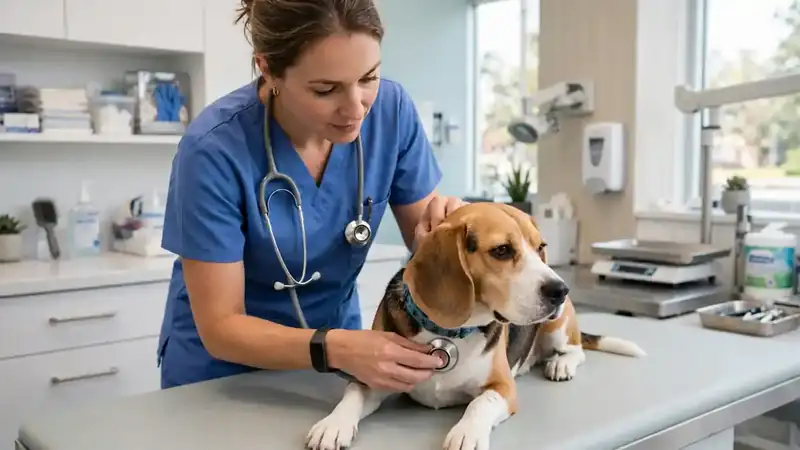
Pain in the mouth is one of the most missed causes. A dog with a cracked tooth or sore gums may walk to the bowl, sniff the food, and walk away. It wants to eat and cannot chew without pain. A stomach upset from scavenged food, a sudden food change, or a swallowed object can do the same.
Stress plays a bigger role than many owners expect. A move, a new baby, fireworks, or a stay at a kennel can switch off appetite for a day or two. Some dogs refuse food when their owner leaves the house and eat the moment the owner returns. Stale kibble, a new bag with a different smell, or a bowl next to a loud appliance can put a dog off its meal too.
Which signs mean call the vet now?
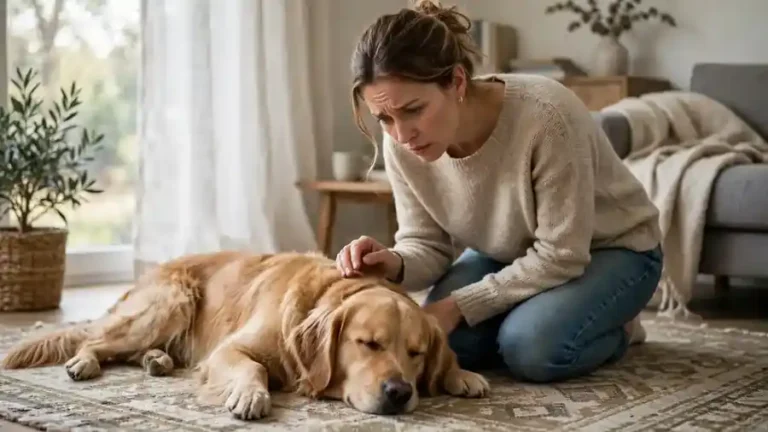
Call the vet right away if your dog refuses food and also vomits, has diarrhea, seems weak or wobbly, shows pale gums, or has a swollen belly. Refusing water counts as an emergency too, even on its own. Puppies, seniors, and dogs with diabetes or other illness should never wait out a missed meal at home.
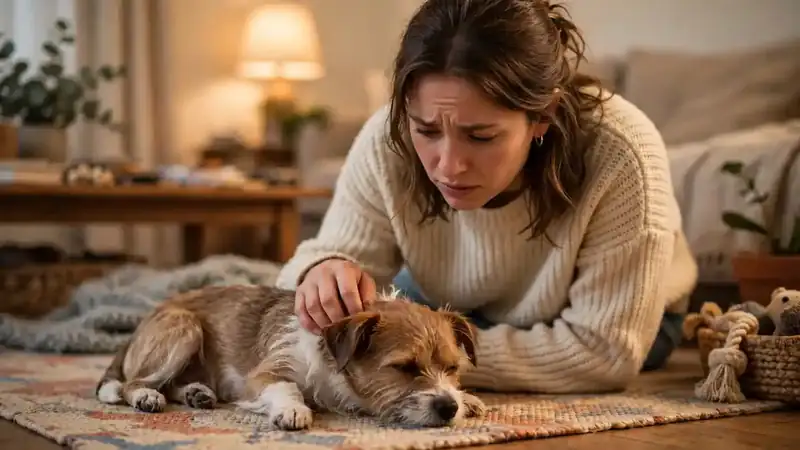
A single vomit after a missed meal is a worry, but repeated vomiting is an emergency. The same goes for diarrhea that keeps coming, blood in vomit or stool, and a belly that looks tight or swollen. A dog that cries when you touch its belly, pants without stopping, or cannot stand steady needs care now, not tomorrow.
The PetMD list of signs that need a vet visit puts loss of appetite beside lethargy and weight loss as a reason to get a dog checked. A dog that loses weight without trying is a separate red flag. When several signs show up together, call the vet, describe every sign you see, and let the clinic decide how fast your dog needs to be seen.
What should you do in the first 24 hours?
In the first 24 hours, keep fresh water available, offer the usual food at the usual time, and watch your dog closely for vomiting, diarrhea, or low energy. Note what your dog eats and drinks, and when. Keep the routine calm and steady, and call your vet if the bowl stays full for a full day.
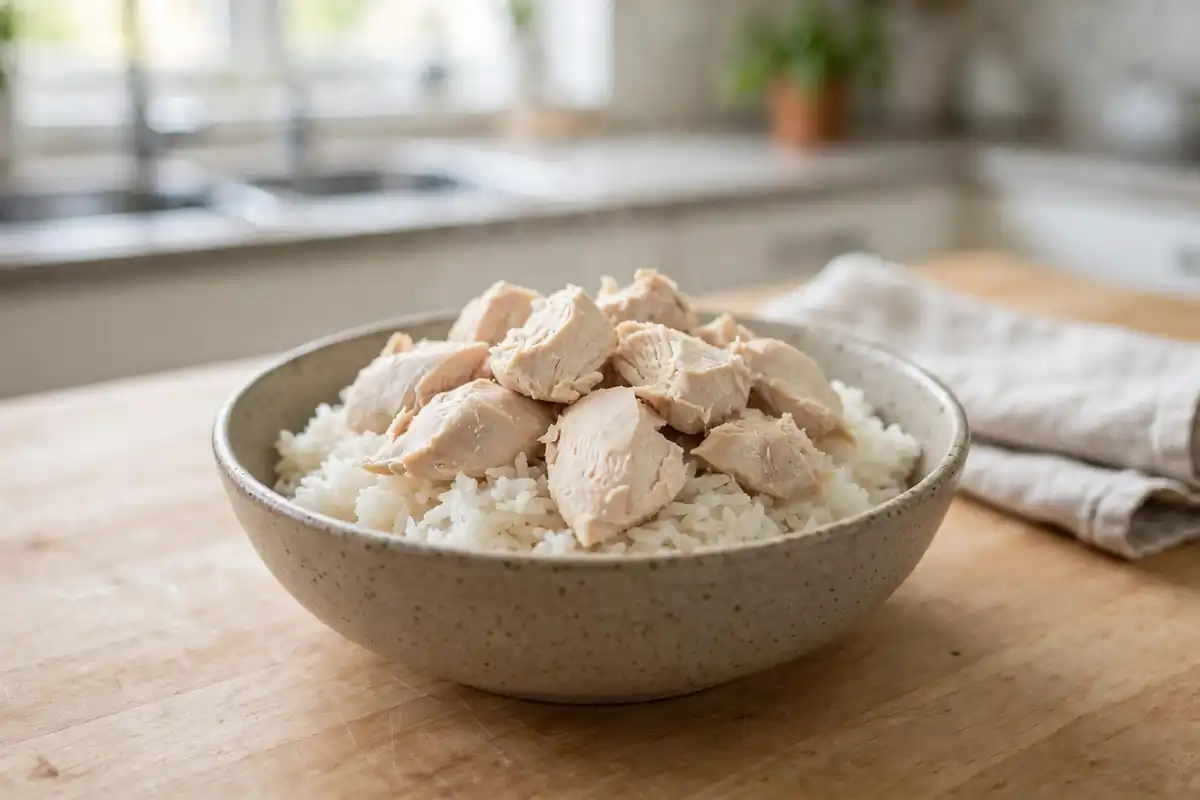
Start by checking the simple things. Smell the kibble to see if it turned stale, wash the bowl, and move it to a quiet corner if the usual spot sits near noise or foot traffic. Offer the normal food at the normal time, leave it down for about half an hour, and then pick it up. Leaving food out all day makes it hard to tell how much the dog ate.
Write down what you see. Note the time of each meal offered, what the dog ate, how much water it drank, and any vomiting or loose stool. A vet will ask for exactly this record, and a clear note beats a guess from memory. Keep walks short and calm. If the dog eats nothing by the next morning, make the call.
How can you tempt a dog to eat again?
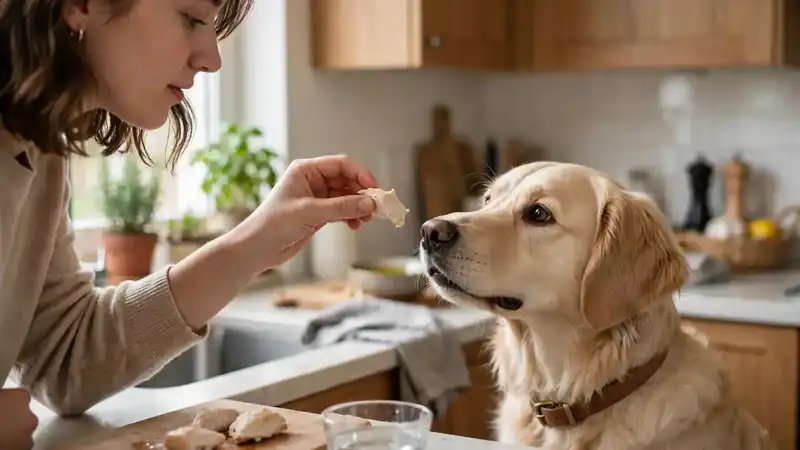
Warm the food, add a splash of warm water or low salt broth, and offer a small amount of plain boiled chicken with rice. Hand feeding a few bites can help a nervous dog start eating. Keep portions small, stay calm, and stop if your dog turns away, since pressure at the bowl can make a stressed dog eat less.
Heat wakes up the smell of food, and smell drives a dog to eat. Warm wet food for a few seconds, or pour warm water over kibble and let it sit for a minute. Plain boiled chicken with white rice is the classic bland meal vets suggest for a sore stomach, and it works as a lure too. Skip butter, salt, garlic, onion, and sauces.
Hand feeding works because it turns eating into a calm social moment. Offer one small piece at a time from your palm, and praise the dog softly when it takes a bite. If the dog turns away, do not chase it with the bowl.
What happens inside the body during a fast?
During a fast, a dog first burns stored sugar, then fat, and then muscle if the fast goes on. Blood sugar drops, energy fades, and the liver works harder to keep the body running. In puppies and small dogs, this shift happens fast, which is why low blood sugar can bring weakness or collapse within a day.

The liver stores a small amount of sugar as glycogen, and that store runs out within a day or so. After that the body breaks down fat for fuel, which keeps the dog going but strains the liver. If the fast stretches on, the body starts breaking down muscle, and that is when real damage begins.
Water loss runs beside all of this. The kidneys need fluid to clear waste, and a dehydrated kidney works poorly and can suffer lasting harm. That is why a dog that eats nothing but drinks well fares far better than a dog that refuses both. The VCA guide to anorexia in dogs explains that appetite loss is a sign, not a disease on its own, and the real task is finding what sits behind it.
Frequently asked questions about a dog not eating for dogs
Owners ask the same questions when a dog skips meals, so this section gathers the most common ones in one place. You will find answers on puppies, seniors, picky eaters, water refusal, and what to do after a vet visit. Use these answers as a starting point, and call your vet when your own dog needs advice.
Can a dog go 3 days without eating?
A healthy adult dog can survive three days without food if it keeps drinking water, but that does not make it safe. By day three most dogs are weak and low on energy. Call your vet at the 24 hour mark, or sooner if your dog shows other signs.
Can a puppy go a day without eating?
No, a puppy should never go a full day without eating. Puppies need food every few hours, and their blood sugar can drop within 12 to 24 hours. A puppy that skips more than one meal, seems wobbly, or trembles needs a vet call the same day.
My dog drinks water but will not eat, is that okay?
Drinking water is a good sign, since it rules out the fastest danger, but it does not mean the dog is fine. A dog that drinks and refuses food for 24 hours still needs a vet call. Call sooner if vomiting, diarrhea, lethargy, or belly pain show up.
What if my dog eats treats but not meals?
A dog that eats treats but refuses meals is usually picky, stressed, or dealing with mouth pain, not a dog that lost all appetite. Try warming the normal food, cut treats to zero for a day, and offer meals on a fixed schedule. If the dog still refuses meals after a day, call your vet.
Should I force feed my dog?
No, you should not force feed a dog at home. Forcing food into a sick dog can cause choking or aspiration, where food enters the lungs, and it can make a stressed dog fear the bowl. If your vet wants your dog fed, they can show you a safe method or feed the dog at the clinic. PetMD notes that appetite stimulants may help in some cases, but only a vet should decide.
When can my dog eat normally again after refusing food?
Most dogs return to normal meals within a day or two once the cause clears, such as a mild stomach upset or a stressful day. Offer small bland meals first, like plain chicken and rice, then move back to the usual food over two or three days. If appetite does not return, or if it fades again, your vet should check the dog. Low calorie snacks such as blueberries, carrots, and green beans can help with treats later.
A missed meal is often a small thing, and many dogs eat again by the next feeding time with no trouble at all. The number to hold onto is 24 hours for a healthy adult, and far less for a puppy, a senior, or a dog with illness. Watch the water bowl as closely as the food bowl, note what you see, and call your vet when the clock runs out.