
Yes, Capstar is generally safe for healthy dogs over four weeks old and weighing at least two pounds. Thirty minutes: that is how quickly its active ingredient, nitenpyram, starts killing adult fleas after the tablet goes down. A single dose wipes out 90 percent of the adult fleas on a dog within four hours. Those numbers explain why vets reach for Capstar when a dog arrives crawling with fleas and needs relief today, not next month. But speed is only half the story. Capstar has no lasting power, it does nothing to eggs or larvae, and the scratching that follows a dose alarms owners who do not expect it. Here is the full picture, from dosing to side effects to the gap most owners miss.

Is Capstar safe for dogs? The short answer
Capstar is safe for healthy dogs at least four weeks old and weighing at least two pounds, at the labeled dose for their weight. It starts killing adult fleas within 30 minutes, and one dose kills 90 percent of adult fleas within four hours. It is available over the counter, needs no prescription, and can be repeated once daily if fleas return.
PetMD’s veterinary-reviewed medication guide states the safety case directly: Capstar is generally safe for healthy dogs over four weeks old and more than two pounds, and it can also be given to pregnant or lactating dogs. The PetMD Capstar guide adds the practical cautions: always confirm the dose by weight, and talk to your vet first if your dog has underlying health problems or is ill. As with any medication owners ask about, from Imodium for dogs to aspirin for dogs, the vet’s input matters more than the label’s reassurance.
Safety here is a specific claim: the drug has a wide margin at labeled doses, side effects are uncommon and usually mild, and serious reactions cluster in dogs outside the labeled age and weight range.
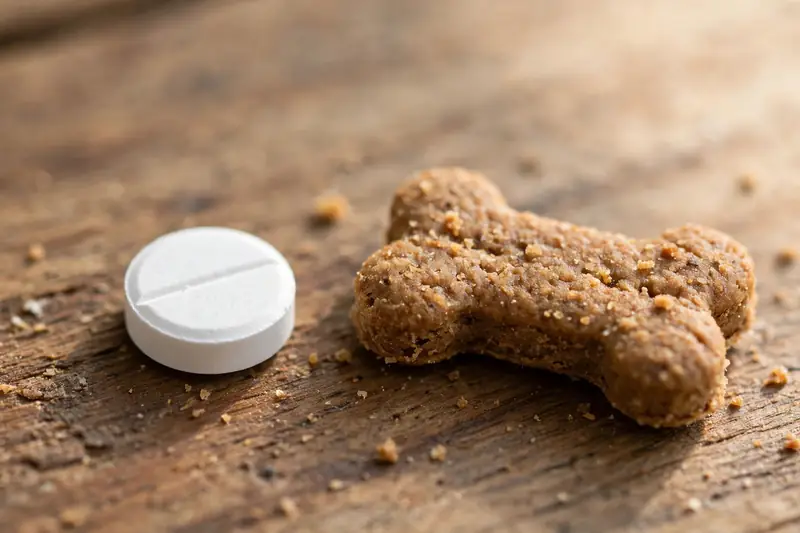
What Capstar is and how nitenpyram works
Capstar is the brand name for nitenpyram, an oral flea treatment made by Elanco. It belongs to a class of insecticides called neonicotinoids, which attack the insect nervous system. Nitenpyram overstimulates the flea’s nicotinic receptors, and the flea dies. Mammalian receptors differ enough in structure that the drug is selective: it hits fleas hard at doses dogs tolerate easily.
The tablet dissolves in the stomach, nitenpyram enters the bloodstream, and any flea that takes a blood meal ingests it. There is no coating the skin, no waiting for oils to spread, no bath restrictions. That systemic action is what makes the 30-minute onset possible, and it is also why the effect is so short. The drug clears from the blood quickly, which is good for safety and bad for duration.
Capstar treats the fleas on the dog right now. It is an adulticide, a killer of adult fleas, and nothing else. That narrow job description matters more than most owners realize, and it is the source of nearly every disappointment people report with the product.
How fast it works and how long it lasts
Speed is Capstar’s entire selling point. Flea killing begins within 30 minutes of the dose. Efficacy passes 90 percent against adult fleas within four hours in dogs. For a dog that is miserable today, that timeline beats every monthly preventive on the shelf.
Duration is the trade. Capstar has no residual activity: killing stops after roughly 24 to 48 hours. Flea eggs and larvae are untouched, and the pupae waiting in the carpet are untouched too. New adult fleas hatching in the environment will happily hop onto a dog whose Capstar wore off yesterday.
This is the fact that reframes the product. Capstar is a fire extinguisher, not a sprinkler system. It puts out the visible fire fast. It does not prevent the next one. Owners who use it as a standalone flea plan end up dosing repeatedly while the infestation in the house hums along underneath, which is exactly the pattern behind most “Capstar didn’t work” complaints.


Capstar dosing by weight
Dosing is strictly by weight, and the two tablet strengths make it simple. Give the dose that matches your dog’s current weight, not the weight you wish the dog were.
| Dog weight | Tablet strength |
|---|---|
| 2 to 25 pounds | 11.4 mg (small dog tablet) |
| 25.1 to 125 pounds | 57 mg (large dog tablet) |
Dogs over 125 pounds fall outside the labeled range, so ask your vet rather than stacking tablets. Give the tablet by mouth, with or without food. If the dog spits it out, redose; a partial dose is a wasted dose. No more than one treatment per day.
Two rules people break: using the cat-labeled product interchangeably without checking strength, and eyeballing weight. A kitchen scale or a recent vet weight is worth the trouble. Underdosing is the most common reason a dose seems to fail, and overdosing, while the drug tolerates it, is never the goal.

Puppies, pregnant, and nursing dogs
Capstar’s label covers puppies at least four weeks old and weighing at least two pounds. That combination matters: a four-week-old puppy that has not hit two pounds yet is not labeled for treatment. Young puppies dehydrate and chill fast, and flea anemia hits them harder than adults, so a flea-covered young puppy is a vet visit, not a home-dosing project.
Pregnant and nursing dogs can take Capstar. The product information, confirmed across US and UK labeling, lists no contraindication for pregnancy or lactation, and laboratory studies found no evidence of harm to developing young. That makes Capstar one of the few flea options with explicit reproductive safety data, which is why some vets choose it for nursing mothers when other products are off the table.
The caution at the edges is real. PetMD notes that serious reactions are more likely in dogs under two pounds, younger than eight weeks, or in poor health. If your dog is very small, very young, or already sick, the vet should make the call, not the internet.


Side effects: what is normal after a dose
Most dogs take Capstar without any visible reaction. When reactions happen, the most common one confuses owners: the dog scratches more. That itching is usually the fleas, not the drug. As nitenpyram hits them, dying fleas go hyperactive on the skin for a while, and the dog feels every one of them. The scratching typically fades within the first hour as the fleas die.
The labeled adverse reactions, all classified as very rare (under one animal in 10,000 treated), include hyperactivity, panting, vocalization, excessive grooming or chewing, drooling, and transient neurological signs such as muscle tremors or loss of coordination. In overdose studies, dogs tolerated up to 70 mg per kilogram without symptoms, and a six-month daily dosing study found no clinically significant treatment-related side effects. The drug’s rapid clearance is the reason: symptoms from an oversized dose fade within 24 hours as the body eliminates it.
Practical takeaway: a burst of scratching and restlessness in the first hour is expected flea-death theater. Anything severe or anything lasting beyond a day is not.

Warning signs that need a vet
Call your vet promptly if your dog shows severe or persistent signs after a dose. The red flags PetMD lists: seizures, difficulty breathing, significant lethargy, or sudden collapse. These are emergencies, not wait-and-see situations.
Also call if milder signs, heavy panting, tremors, vomiting, or loss of coordination, do not resolve within a few hours, or if they appear in a dog that was already ill. Dogs under two pounds and puppies under eight weeks sit outside the safety data, so any reaction in those animals deserves a same-day call.
One more scenario: the dog got into the whole box. Because nitenpyram clears fast and the overdose margin is wide, a single extra tablet in a healthy adult dog is unlikely to cause more than transient signs. A whole box in a small dog is a vet call regardless. Bring the packaging so the vet can calculate the actual dose.

What Capstar cannot do: the gap owners miss
Here is the complicating fact that changes how you should think about this drug. An independent analysis of 21,322 FDA adverse-event reports for nitenpyram found that the single largest signal was not toxicity at all. It was lack of efficacy against fleas, over 6,600 reports. Owners dosed the drug, and the fleas kept coming.
That is the no-residual-activity gap playing out exactly as the pharmacology predicts, not a defective drug. Capstar kills the adults on the dog today. The eggs in the carpet hatch tomorrow, the larvae pupate next week, and new adults emerge for months. The flea life cycle runs almost entirely off the animal: only adult fleas live on the dog, while eggs, larvae, and pupae develop in the environment. VCA’s flea control guide puts the environmental share of the life cycle front and center, which is why it insists that treatment include the surroundings, not just the pet.
So the honest framing: Capstar is excellent at its job and its job is narrow. Judging it as a flea prevention program will always disappoint. Judging it as a rapid knockdown tool, it has few rivals.
Pairing Capstar with a monthly preventive
The combination that works is Capstar for the immediate crisis plus a monthly preventive for the long war. Give Capstar today for relief, start or continue a monthly product for ongoing protection, and treat the environment: wash bedding in hot water, vacuum thoroughly, and toss the vacuum bag outside.
The AKC’s veterinary advice stresses the same layered approach. Its guide to getting rid of fleas walks through the life cycle logic, and its flea and tick prevention tips emphasize year-round prevention and vet guidance on product choice. Modern monthly options, many in the isoxazoline class, carry their own considerations, which is why the product choice belongs in a vet conversation.
What not to do: stack multiple flea adulticides at once hoping for a stronger effect, or apply a dog flea product to a cat. Some dog products contain ingredients that are poisonous to cats. Capstar itself is labeled for both species at the right strength, but that is the exception, not the rule. When in doubt, one product at a time, chosen with the vet.

How to give it and handling a missed dose
Giving Capstar is straightforward: place the tablet on the back of the tongue or hide it in a small bite of food. Pilling works better on an empty-ish stomach for some dogs; food works better for others. If the dog eats around the tablet and spits it out, try again with a fresh tablet. Do not assume a chewed-and-spat tablet delivered a full dose.
There is no real “missed dose” concept because Capstar is not a scheduled preventive. You give it when you see fleas. If you dosed yesterday and fleas are back today, the label allows another dose, up to once daily. But repeated daily dosing is a signal, not a solution: it means the environment is reinfesting the dog, and the monthly preventive plus environmental treatment are missing.

Store the tablets at room temperature, keep them in the blister until use, and keep the whole box away from children and pets. Like any medication in the house, from melatonin for dogs to Pepto-Bismol for dogs, the safety data assumes the labeled dose in the labeled animal. The fish oil and apple cider vinegar guides cover the gentler end of the supplement spectrum, but Capstar is a real drug: respect the label.
Frequently asked questions about Capstar for dogs
Can I give my dog Capstar every day?
The label allows up to one dose per day as needed. But needing it daily means fleas are reinfesting from the environment, and daily Capstar without a monthly preventive and environmental treatment is mopping the floor with the tap running. Talk to your vet about the full plan.
Does Capstar kill flea eggs?
No. Capstar kills adult fleas only. It does nothing to eggs, larvae, or pupae. That is why infestations return after the dose wears off and why a monthly preventive with environmental treatment is necessary for real control.
Why is my dog scratching more after Capstar?
Dying fleas become hyperactive on the skin before they die, and the dog feels it. This increased scratching in the first hour is the most common post-dose reaction and usually fades as the fleas die. Persistent or severe signs deserve a vet call.
Is Capstar a prescription medication?
No, it is available over the counter. That convenience does not remove the need for vet guidance, especially for puppies, small dogs, pregnant dogs, or dogs with health conditions.
Can I split a large-dog tablet for a small dog?
Do not. The tablets are not scored for splitting, and splitting risks an inaccurate dose in both directions. Buy the correct strength for the dog’s weight. The price difference is not worth the dosing gamble.
Capstar or a monthly preventive: which is better?
Different jobs. Capstar wins for immediate relief of a heavy flea burden today. A monthly preventive wins for keeping fleas off for the next 30 days. Most vets use both: Capstar for the crisis, the monthly product for the campaign.
For the dog covered in fleas tonight, Capstar is the right call: correct weight-based dose, one tablet, relief within the hour. Then book the vet visit for the monthly preventive and the environmental plan, because the fleas you see are the minority of the infestation. Speed handles today. Strategy handles the season.
Disclaimer: This article is for general information only and is not veterinary advice. Always confirm dosing with your veterinarian, especially for puppies, small dogs, pregnant or nursing dogs, and dogs with health conditions. Seek veterinary care promptly for any severe reaction.


1 thought on “Is Capstar Safe for Dogs?”