
NexGard for dogs is a monthly beef flavored chew that kills fleas and ticks for a full month after each dose. Its active ingredient, afoxolaner, belongs to the isoxazoline class, the same family as Bravecto’s fluralaner. One chew a month breaks the flea life cycle and keeps ticks from feeding long enough to pass on disease. The drug is FDA approved and widely prescribed, and it carries the same FDA neurologic warning as every isoxazoline, so dogs with a seizure history need a vet talk before the first chew.

What is NexGard for dogs?
NexGard is a soft beef flavored chewable tablet containing afoxolaner, available only by prescription from a licensed veterinarian. It kills adult fleas and treats and controls infestations of black-legged ticks, American dog ticks, lone star ticks, Gulf Coast ticks, brown dog ticks, and longhorned ticks.
Dogs and puppies 8 weeks of age and older, weighing at least 4 pounds, can take it. The vet doses the chew once a month, with or without food, and treatment can start any time of year.
NexGard is the flea and tick chew on its own. A related product, NexGard PLUS, adds moxidectin and pyrantel to the same afoxolaner base, which adds heartworm prevention and intestinal worm treatment to the monthly chew. The two products look similar, so check the box before dosing. The FDA approved NexGard label lists the tick species covered, the weight bands, and the monthly dosing schedule.
How afoxolaner kills fleas and ticks
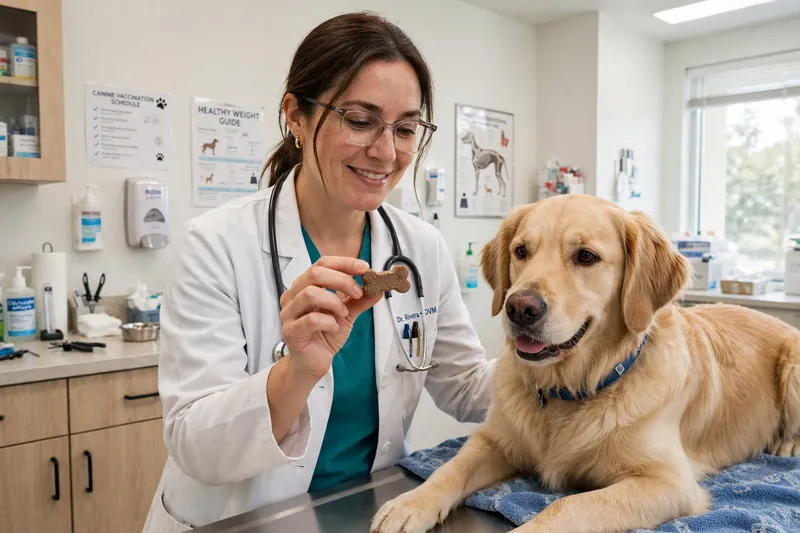
Afoxolaner blocks chloride channels in the nervous system of fleas and ticks, which paralyzes the pest and kills it. The drug works systemically: once the dog swallows the chew, afoxolaner enters the bloodstream, and any flea or tick that bites takes in a lethal dose.
Fleas start dying within hours, and the drug keeps killing new arrivals for the whole month.
That speed matters for disease. Ticks usually need a day or more of feeding to transmit infections like Lyme disease, so a drug that kills ticks fast shrinks the risk window. Fleas die before they can lay many eggs, which breaks the breeding cycle in the house. The drug level falls over the month, which is why the next chew is due at 30 days, not when you remember. A late dose opens a gap, and fleas use gaps.

NexGard dosage and monthly schedule
NexGard is dosed once a month at a minimum of 1.14 mg of afoxolaner per pound of body weight. Chewables come in four sizes: 11.3 mg for dogs 4 to 10 pounds, 28.3 mg for 10.1 to 24 pounds, 68 mg for 24.1 to 60 pounds, and 136 mg for 60.1 to 121 pounds.
Dogs over 121 pounds take the right combination of chewables, and the vet works that out. The chew can be given with or without food, and watch the dog for a few minutes to make sure the whole dose is swallowed.
If a dose is missed, give it at once and restart the monthly clock from that day. Year round dosing is the standard advice where fleas are common all year, and the label says treatment can continue the entire year without a break. Mark the same date each month, and set a phone reminder. Monthly products fail most often on memory, not on chemistry. A wall calendar next to the dog food works as well as any app.
Travel changes the timing too. A trip to a tick heavy area calls for a dose before you leave, not after you return, since ticks start feeding within hours of the dog arriving. Boarding kennels and dog parks add flea exposure, so a dose that covers the trip is worth planning a week ahead. If the dog swims or bathes often, the chew still works, since it acts through the blood rather than sitting on the skin like a topical product.

Side effects of NexGard in dogs
Vomiting is the most frequently reported side effect, followed by dry or flaky skin, diarrhea, lethargy, and lack of appetite. In the field studies behind the label, most reactions were mild and passed without treatment. Some dogs itch or lose a little hair, and a few go off food for a day after the dose.
Giving the chew with a meal can settle the stomach.
Serious reactions are rare, but the neurologic ones get the attention. Vets have reported tremors, wobbliness, and seizures in dogs taking isoxazoline drugs, including dogs with no seizure history. If a dog vomits repeatedly, seems weak, stumbles, or has a seizure after a dose, call the vet at once. Gastroenteritis in dogs covers the stomach warning signs, but neurologic signs skip the wait and see step entirely and go straight to the vet.
The FDA warning on isoxazoline drugs
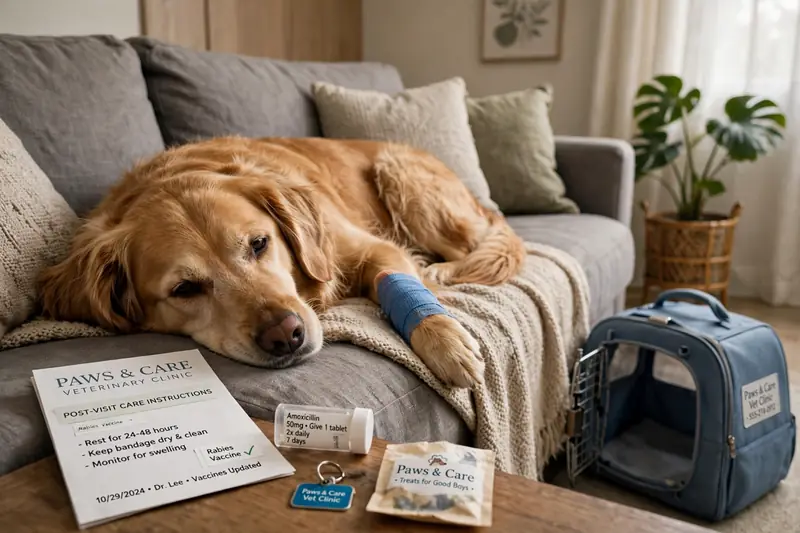
In September 2018 the FDA issued an alert that isoxazoline flea and tick products, including NexGard, Bravecto, Simparica, and Credelio, had been linked to neurologic adverse events in some dogs and cats. The reported reactions were muscle tremors, ataxia, and seizures, and some happened in animals with no prior neurologic history.
The FDA did not recall any product, and it still considers the class safe and effective for most animals. The agency asked manufacturers to add the warning to every label in the class.
The label now says plainly to use afoxolaner with caution in dogs with a history of seizures or neurologic disorders. That is the sentence to discuss with the vet if your dog has ever had a fit, a tremor, or a brain or spinal condition. The FDA fact sheet on isoxazoline products explains the warning, lists the products in the class, and tells owners how to report a reaction. Reporting matters, because the whole warning came from owner and vet reports in the first place.

Which dogs should avoid NexGard
Dogs with a history of seizures or neurologic disorders should use NexGard only if the vet advises it, and many vets will pick a product from a different class for them. Puppies under 8 weeks old and dogs under 4 pounds cannot take it, since safety and dosing have not been established below those limits.
Researchers have not fully evaluated the safe use of NexGard in breeding, pregnant, and nursing dogs, so the vet should weigh that gap before prescribing for those dogs.
Dogs with liver disease or kidney disease also deserve a conversation, since the body processes the drug over the month. None of this rules NexGard out for the average healthy dog. It rules out casual use: a chew borrowed from another dog, a dose guessed from the box, or a first dose given without mentioning the seizure the dog had last year. Tell the vet the full history, and the choice becomes a simple one.

NexGard vs Bravecto vs Simparica
NexGard, Bravecto, and Simparica all sit in the isoxazoline class, so they share the same FDA warning and a similar safety profile. Duration is the main difference. NexGard lasts one month, Simparica lasts one month, and Bravecto lasts up to 12 weeks.
Owners who forget monthly doses often do better on Bravecto, while owners who want the drug out of the body fast if a reaction appears often prefer a monthly product.
Tick coverage differs a little between them, and the label of each product lists its own species. NexGard PLUS adds heartworm and worm cover to the monthly chew, which can replace two products with one. Price per year is close once you count doses. Owners who prefer non-drug options sometimes ask about diatomaceous earth for fleas, but it does not replace a proven preventive. The VCA guide to flea control in dogs is a useful starting point for comparing the options with your vet. Pick the schedule you will actually keep, since a missed month undoes the protection faster than any difference between brands.

What to do if your dog vomits the chew
A dog that vomits soon after the dose may have lost some or all of it, and a partial dose leaves partial protection. Do not give a second chew on your own, since a double dose doubles the drug in the body.
Call the vet, say when the chew was given and when the vomiting started, and follow the advice. The vet may replace the dose or switch the dog to a topical product instead.
To cut the risk, give the chew with food and keep the dog calm for a short while afterward. Watch for a few minutes to confirm the chew was swallowed whole, since some dogs chew and spit. Never try to make the dog vomit the chew back up unless the vet tells you to, since inducing vomiting in dogs the wrong way can do more harm than the missed dose. If vomiting follows every monthly dose, that pattern points to a different product, not a stronger stomach. A bland diet for dogs can settle the stomach for a day, but the dose question still belongs to the vet.

NexGard PLUS: when the extra cover helps
NexGard PLUS combines afoxolaner with moxidectin and pyrantel in one monthly chew. The afoxolaner handles fleas and ticks, the moxidectin prevents heartworm disease, and the pyrantel treats roundworms and hookworms. Dogs and puppies 8 weeks and older, weighing at least 4 pounds, can take it.
For owners already giving a separate heartworm tablet and a flea chew, one product replaces two, and one monthly date replaces two schedules.
The trade is the same as any combination: more active ingredients means more to consider if the dog reacts, and the isoxazoline warning still applies. The DailyMed label for NexGard PLUS gives the full dosing table and the heartworm prevention schedule. Ask the vet whether the combination fits, especially if the dog already takes a heartworm product, since doubling up on that ingredient is a real mistake to avoid.

Frequently asked questions about NexGard for dogs
Is NexGard safe for dogs?
For most dogs, yes. It is FDA approved, and vomiting is the most common side effect. Dogs with a seizure history or neurologic disorder need a vet review first, because the isoxazoline class carries a neurologic warning.
How fast does NexGard kill fleas?
NexGard starts killing fleas within hours of the dose, and it keeps working for the full month. An existing infestation can take a few weeks to clear, since eggs in the house keep hatching into new fleas.
Can puppies take NexGard?
Puppies 8 weeks and older, weighing at least 4 pounds, can take NexGard. The vet picks the chewable size by weight, and the monthly schedule starts from the first dose.
What happens if I miss a NexGard dose?
Give the missed chew as soon as you remember, then restart the monthly clock from that date. A late dose leaves a gap where fleas can breed, so set a reminder for the next one.
Does NexGard protect against heartworm?
No, plain NexGard covers fleas and ticks only. NexGard PLUS adds heartworm prevention and worm treatment. Check the box to see which product you hold.
Can NexGard cause seizures?
Vets have reported seizures in dogs taking isoxazoline drugs, including some dogs with no seizure history. The risk is low, but it is real, and dogs with a seizure history should use it only if the vet advises it. A seizure after a dose needs a vet at once.
Can I buy NexGard without a prescription?
No, NexGard needs a prescription, and a vet must prescribe it. Sellers that skip the prescription are a warning sign, since the product may be fake or stored badly.

NexGard works because it fits real life: one tasty chew, once a month, and the fleas and ticks stop being a daily worry. The monthly rhythm is also its weak point, since a forgotten dose is a gap, and the drug class carries a warning that deserves respect. Keep the date on the calendar, tell the vet about any seizure history, and the chew does the quiet work of keeping the dog protected.
Disclaimer: This article is for information only and is not a substitute for veterinary advice. NexGard is a prescription medicine. Talk to your veterinarian before starting it, especially if your dog has a history of seizures or neurologic problems, and seek veterinary care promptly if your dog shows tremors, wobbliness, or a seizure after a dose.


