
Can Dogs Eat Figs? Fresh Fruit, Dried Figs, and the Plant
Can dogs eat figs? Yes, dogs can eat a small piece of fresh ripe fig as a rare treat, but the rest of the fig world is off limits. Dried figs, Fig Newtons, fig jam, leaves, stems, bark, and sap all bring trouble. The ripe fruit itself is not toxic, yet its sugar and fiber can upset a dog’s stomach in larger amounts. This guide separates the safe fruit from the toxic plant, shows how much is too much, and covers what to do when a dog chews a leaf.
Can dogs eat figs?
Dogs can eat figs in small amounts of fresh ripe fruit, and the fruit is not toxic the way grapes are, yet figs work only as a rare treat, never as a regular food. Wash the fruit, remove the stem, and cut the flesh into small pieces before serving.

The AKC states that fresh figs are generally safe for dogs when prepared properly, and it advises owners to wash the fruit and offer only the soft interior.
Figs grow on the Ficus carica tree, and the fruit ripens soft and sweet in late summer. A ripe fig feels soft, smells sweet, and splits easily. An unripe fig feels hard and leaks milky sap when cut, and that sap carries the irritating compounds that make the plant unsafe.
Owners should pick only ripe fruit from the store, wash it well, cut off the stem, and cut the flesh into small pieces. A dog that finds a fallen fig in the yard may eat the fruit, the stem, and a leaf together, so yard figs need more care than store bought figs.
Why is the fig plant toxic while the fruit is safe?
The fig plant is toxic because its leaves, bark, stems, and milky sap hold ficin, a protein digesting enzyme, and ficusin, a psoralen compound, while the ripe fruit holds only traces of those compounds. Sap on skin can cause redness and rash, and sap in the mouth can cause drooling and vomiting.

The ASPCA lists Ficus species as toxic to dogs, cats, and horses, and it names ficin and ficusin as the toxic principles.
That split confuses owners, because one tree gives both a safe fruit and a toxic leaf. The confusion is understandable, and it is also the reason many guides give figs a mixed verdict. Some sources call the plant a medical emergency, while the ASPCA lists gut and skin irritation as the signs.
Both views point the same way for owners: keep dogs away from the plant, and call the vet fast when a dog chews leaves, bark, or stems. The fruit question is separate, and the answer stays calm. A small piece of ripe fruit is fine, and the plant parts are not.
How many figs can a dog eat?
No veterinary body sets a fig dose for dogs, so owners should treat a fig as a rare tiny treat, with a small dog getting a sliver and a medium or large dog getting half a fig at most. Dogs with diabetes or weight problems should skip figs entirely.
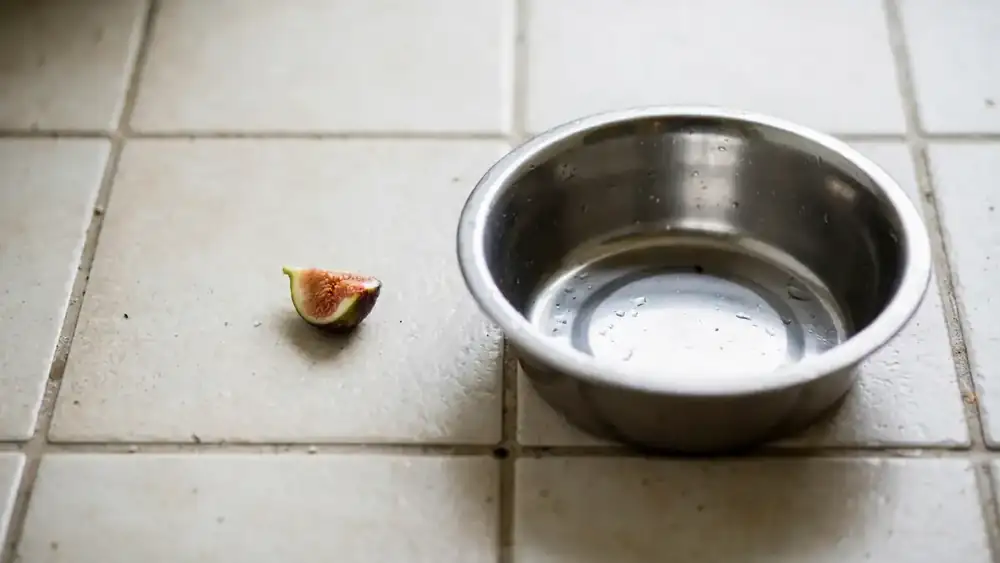
Treats in general should stay under 10 percent of daily calories, as VCA advises in its dog treats guide.
Size and health shape the portion. A 10 pound dog that eats a whole fig takes in far more sugar per pound than a 70 pound dog that eats the same fig. Dogs with diabetes or weight problems should skip figs, because the sugar can spike blood glucose and add calories the dog does not need.
Puppies should skip the skin at first, since some guides note that puppies may struggle to digest it. Owners should start with a tiny piece, watch the dog for a day, and only repeat the treat rarely when the dog shows no stomach upset.
What happens if a dog eats too many figs?
A dog that eats too many figs can develop vomiting, diarrhea, gas, and belly pain, because the fruit packs natural sugar and fiber that the gut cannot handle in large amounts. Fresh figs hold about 1.4 grams of fiber per fig, and the sugar runs near 7 grams per medium fig, so several figs add up fast. The gut reacts by moving food through too quickly, which loosens stools and can cause cramping.
Most cases stay mild and pass within a day, yet a dog that vomits repeatedly or passes bloody stool needs a vet visit. Dehydration can follow when diarrhea lasts, so fresh water should stay within reach.
Too many figs can also set off a cycle. A dog with loose stool may eat less, drink more, and feel tired, and owners may mistake that tiredness for a bigger illness. In most cases the cause is simple overeating, and the fix is a bland diet and rest for a day.
Vets may suggest plain boiled chicken and rice for a day or two, then a slow return to normal food. Owners should note how many figs the dog ate and when, because that detail helps the vet judge whether the case is simple upset or something worse. When in doubt, call the vet rather than guessing.
Can dogs eat dried figs?
Dogs should not eat dried figs, because drying removes water and concentrates sugar and calories into a small piece, so one dried fig can carry three times the sugar of a fresh fig. The AKC warns that dried figs are much higher in concentrated sugar and make a poor treat, especially for obese or diabetic dogs.
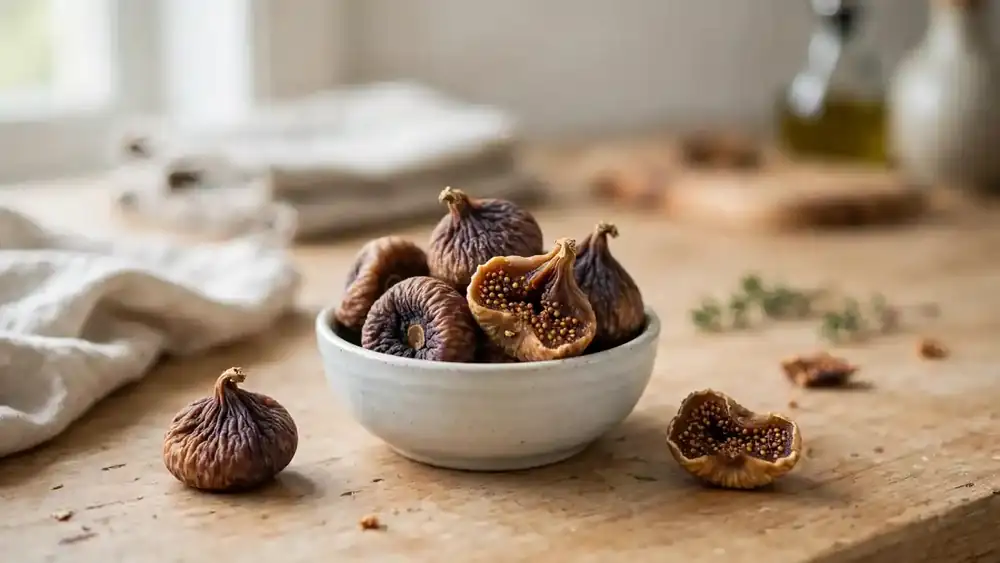
The sugar math explains the gap. A fresh fig is mostly water, so its sugar spreads through a soft, juicy piece. A dried fig loses that water, and the sugar stays behind in a dense, chewy bite.
Dogs eat dried figs fast, and they can swallow several before an owner notices. That speed plus the density is why dried figs cause more stomach upset than fresh figs. Owners who want a chewy treat should pick a dog treat made for dogs, not a dried fruit from the baking aisle.
The baking aisle is full of foods that look natural yet carry sugar loads dogs cannot handle.
Can dogs eat Fig Newtons or fig jam?
Dogs should not eat Fig Newtons or fig jam, because both carry added sugar and other ingredients that can upset a dog’s stomach and add calories with no benefit. Fig Newtons are cookies, and the cookie base adds flour, sugar, oil, and flavorings around a fig paste center.

Processed fig foods also hide the plant risk in a new form. Some fig bars and rolls use fig paste made from unripe fruit or from fruit with stem pieces mixed in, and those pieces can carry sap residue. Labels rarely say which part of the fruit went into the paste, so owners cannot judge the risk from the box.
The safest rule is to skip every processed fig product and stick to fresh ripe fruit when offering figs at all. A dog that wants a sweet treat can have a small piece of a dog safe fruit instead, and the owner can eat the cookies.
How should you serve figs to a dog?
Serve figs to a dog by washing a ripe fresh fig, removing the stem and any leaf or bark, cutting the soft flesh into small pieces, and offering one tiny piece as a rare treat. Washing matters because figs can carry dirt, pesticides, and residue from the store or the yard.

Timing and setting matter too. Offer the fig when the dog is calm, not during a walk past a fig tree where the dog can grab leaves. Do not mix the fig into a full meal, because the owner then loses track of how much the dog ate.
Offer it alone, watch the dog eat it, and note the time. Wait a day before offering another piece, and watch for soft stool or vomiting in between. A dog that shows no reaction can have another tiny piece another day, yet figs should stay rare, not weekly.
When the dog has diabetes, weight issues, or a sensitive stomach, skip figs and ask the vet for a safer fruit.
What should you do if your dog eats fig leaves or sap?
Call your vet at once if your dog eats fig leaves, stems, bark, or sap, because those plant parts are toxic and can cause drooling, vomiting, diarrhea, and skin irritation. Rinse the dog’s mouth with water and wash any sap off the skin with mild soap and water, then call the vet or an emergency clinic.

Vets may ask owners to bring the dog in for an exam, fluids, or anti nausea care, depending on how much plant material the dog ate. A dog that chewed one leaf may need only monitoring, while a dog that ate several leaves or a branch may need care the same day. Keep a sample of the leaf or a photo of the plant, because the vet can confirm the species from it.
Do not induce vomiting at home unless a professional tells you to, since vomiting can bring sap back through the mouth and throat. Calm, fast action gives the dog the best odds, and the vet can judge the risk from the amount and the symptoms.
Are figs better than other fruits for dogs?
Figs are not better than other fruits for dogs, because their sugar load is high and their safe portion is tiny, while fruits such as blueberries and apples offer more nutrition per bite with less risk. Blueberries bring antioxidants and fiber in small berries that dogs can eat whole.

Apples bring crunch and fiber, as long as owners remove the seeds and core. Strawberries bring vitamin C and fiber in a sweet berry that most dogs love. Bananas bring potassium in a soft fruit that is easy to portion.
That ranking surprises owners who think of figs as a health food. Figs are a fine food for people, yet people eat them in a different context, with larger bodies and no fig tree to chew on. Dogs need fruits that are safe in every part, easy to portion, and low in sugar.
Figs fail the first test, because the plant is toxic, and they fail the third test, because the sugar is high. Owners who want to share fruit with their dog should start with blueberries, apples, or strawberries, and treat figs as a rare extra for healthy adult dogs only.
Which dogs should skip figs entirely?
Dogs with diabetes, obesity, kidney disease, or a sensitive stomach should skip figs entirely, and puppies, seniors, and dogs on a vet prescribed diet should skip them too. Diabetic dogs cannot afford the sugar spike that figs bring, and the AKC warns that dried figs are a poor choice for diabetic dogs.

Dogs that live near a fig tree face a different risk, because the tree itself is the hazard. A dog that chews leaves, bark, or fallen unripe fruit can ingest sap and plant material, and the owner may not see it happen. Owners with a fig tree in the yard should fence it off or pick up fallen fruit and leaves daily.
The FDA lists several foods and plants that can harm pets, and its guidance to keep risky items out of reach applies well to fig trees. A dog that never meets a fig tree loses nothing, and a dog that chews one can gain a vet visit.
Frequently asked questions about figs and dogs
Fig questions follow the same pattern: owners want to know if the fruit is toxic, how much is safe, and what to do about the plant. The answers below give short guidance for each case, and they all rest on the same split. Ripe fruit in tiny amounts is fine, and every other fig form is not.

Are figs toxic to dogs?
Fresh ripe fig fruit is not toxic to dogs, yet the fig plant is toxic. Leaves, stems, bark, and sap hold ficin and ficusin, which can cause drooling, vomiting, diarrhea, and skin irritation. Keep dogs away from the plant and call the vet fast when a dog chews any plant part.
Can dogs eat dried figs?
Dogs should not eat dried figs. Drying removes water and concentrates sugar and calories, so one dried fig can carry three times the sugar of a fresh fig. Dried figs can cause diarrhea and add weight, and some carry added sugar or preservatives. Offer fresh ripe fruit only, in a tiny piece, as a rare treat.
Can dogs eat Fig Newtons?
Dogs should not eat Fig Newtons. The cookies carry added sugar, flour, oil, and flavorings that can upset a dog’s stomach and add calories with no benefit. A dog that eats one cookie by accident may be fine, yet owners should never offer them on purpose. Choose a dog treat made for dogs instead.
Can dogs eat fig leaves?
Dogs should never eat fig leaves. Leaves hold ficin and ficusin in the milky sap, and chewing them can cause drooling, mouth irritation, vomiting, diarrhea, and skin rash. Call the vet at once when a dog eats leaves, and rinse the mouth and skin with water while you wait for advice.
Are figs safe for puppies?
Puppies should skip figs until they are older, because their digestion is still developing and they may struggle with the skin and fiber. Puppies also chew stems and leaves more often than adult dogs do, which raises the plant risk. Ask the vet before offering any new fruit to a puppy.
Can dogs eat figs every day?
Dogs should not eat figs every day. Figs are a rare treat, not a daily food, because the sugar and fiber can upset digestion when given often. Grapes and cherries are far worse, since both are toxic, yet even a safe fruit needs limits. Keep figs to an occasional tiny piece for healthy adult dogs only.
Figs teach a useful lesson about dog food safety: one plant can hold a safe fruit and a toxic leaf at the same time. Owners who learn that split can enjoy sharing a tiny piece of ripe fig with a healthy adult dog, and they can also spot the plant risk before a dog chews a leaf. The safer fruits will always beat figs for daily treats, yet a rare fig, served plain and small, is a fine extra. Keep the tree fenced, keep the cookies in the pantry, and keep the fruit portion tiny.