Frontline Plus for dogs is a monthly topical liquid that kills adult fleas, flea eggs and larvae, ticks, and chewing lice, using fipronil and (S)-methoprene. It is sold without a prescription, it does not enter the bloodstream, and it keeps working after baths once it has had a day to spread. It does not prevent heartworm disease and it does not treat gut worms, so it covers the outside of the dog only. This guide covers how to apply it, what it misses, and when a chew may suit the dog better.
What is Frontline Plus for dogs?
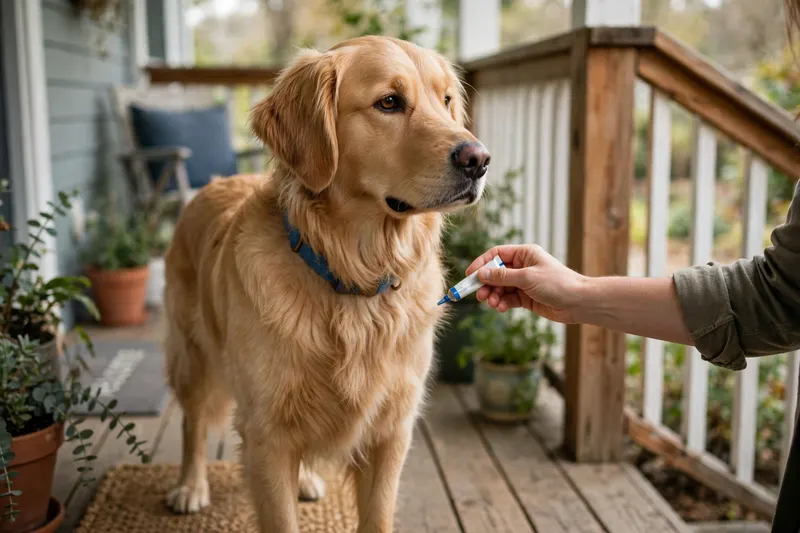
Frontline Plus for dogs is a spot on treatment made by Boehringer Ingelheim, applied to the skin once a month. The liquid comes in a small applicator tube sized to the dog’s weight, and the owner squeezes it onto one spot on the skin between the shoulder blades. Two active ingredients do the work. Fipronil kills adult fleas and ticks by disrupting their nervous system, and (S)-methoprene stops flea eggs and larvae from growing into adults. Together they attack the fleas on the dog and the next generation waiting to hatch.
Frontline Plus differs from plain Frontline, which carries fipronil alone. The Plus version adds the growth regulator, and that addition is the reason it can break the flea life cycle instead of only killing the adults. A third version, Frontline Gold, adds a second growth regulator, pyriproxyfen, for faster egg kill. Owners shopping the shelf should read the box, because the three names sound alike and the cover differs. This article is about the Plus version only.
Which parasites does Frontline Plus kill?
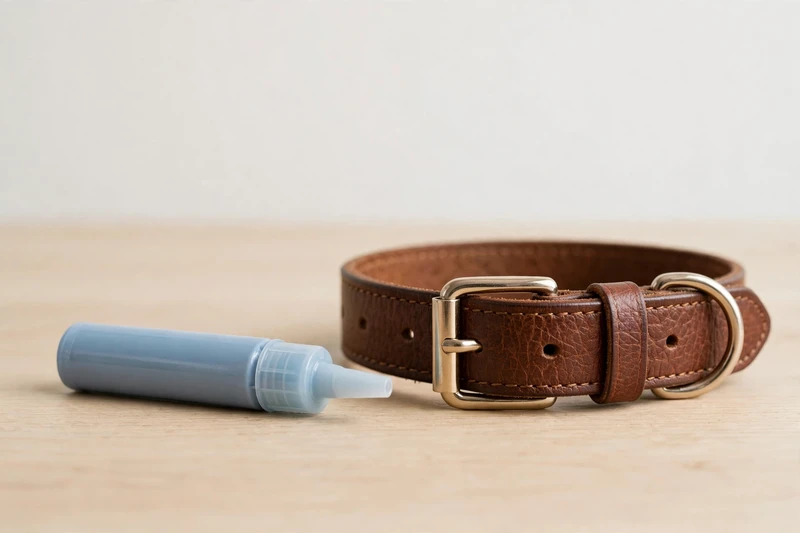
Frontline Plus kills adult fleas, flea eggs, and flea larvae, which makes it one of the few topicals that fights the whole flea life cycle. It kills ticks for a full month, including the brown dog tick, the American dog tick, the black legged tick, and the lone star tick, the species behind Lyme disease and Rocky Mountain spotted fever in much of the country. It also kills chewing lice, a parasite that spreads between dogs in kennels and shelters.
The list ends there. Frontline Plus does not prevent heartworm disease, it does not treat roundworms, hookworms, tapeworms, or whipworms, and it does not cover ear mites or mange mites. A dog on Frontline Plus alone still needs a heartworm preventive, and the vet can suggest one that pairs well with a topical. The ASPCA guide to fleas and ticks lists the same gap plainly: flea cover is not heartworm cover, and the two jobs need two products. The VCA guide to flea control in dogs covers the same split between flea cover and heartworm cover.

How does Frontline Plus work on the skin?
Fipronil spreads through the oils on the dog’s skin and coat, collecting in the sebaceous glands and the hair follicles. From there it keeps reapplying itself to the coat for a month, so a flea or tick that touches the skin picks up a lethal dose. The drug does not need to enter the bloodstream, which is why a flea dies on contact with the coat rather than after a blood meal. Methoprene spreads the same way, and it stops flea eggs from hatching and larvae from maturing wherever it lands.
That skin oil system explains the two rules owners hear most. The Merck Veterinary Manual on fleas of dogs describes the same spread through the skin oils. First, the liquid must reach the skin, not the fur, or it cannot spread. Part the hair, squeeze onto the skin, and let it dry. Second, the product needs 24 hours to spread fully, and it becomes waterproof after that first day. A bath or a swim in the first 24 hours can wash it away before it settles, while a bath after that point leaves the protection in place. The drug stays in the oil layer, not in the blood, which keeps systemic side effects rare.
How do you apply Frontline Plus correctly?
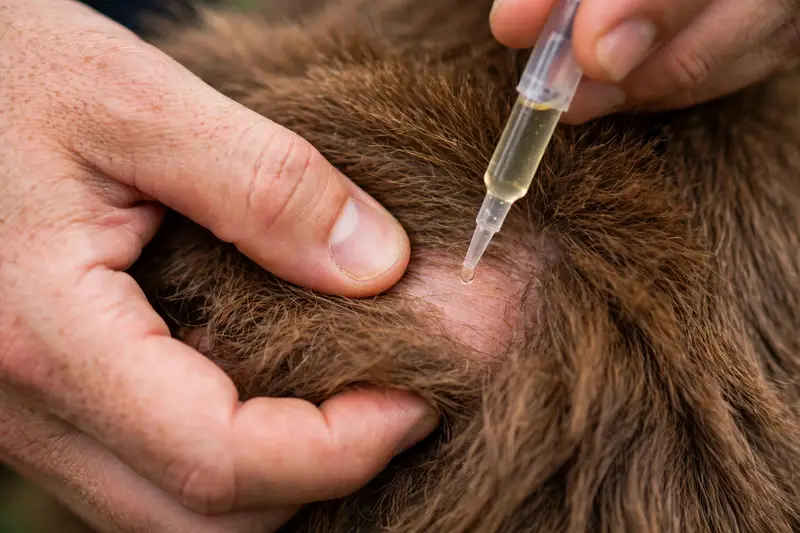
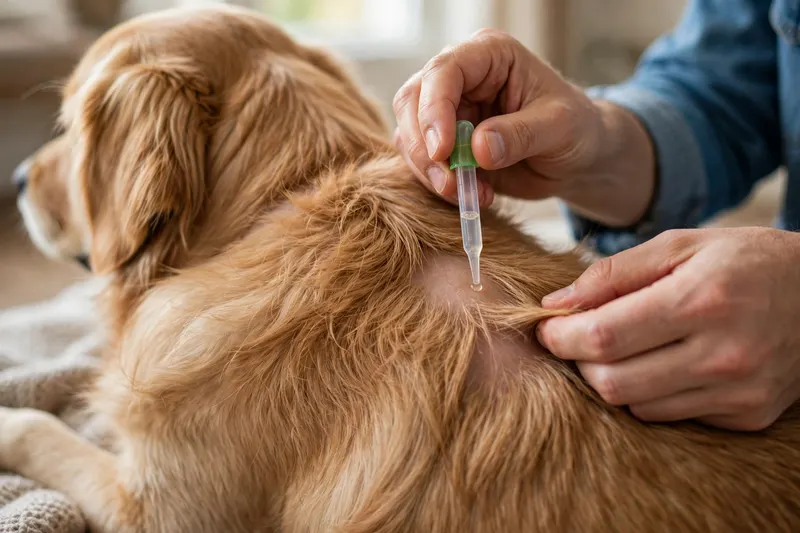
Pick the tube that matches the dog’s current weight, and check the box for the right size. Hold the tube upright, snap off the tip, and part the hair between the shoulder blades until the skin shows. Squeeze the full tube onto that one spot, keeping the liquid on the skin and off the fur. Do not spread it over a wide area, and do not rub it in. One spot is the design, since the skin oils carry it outward from there.
Keep the dog dry for 24 hours after the dose, and keep other pets and children away from the wet spot until it dries. The liquid looks greasy for a day, and the hair may clump at the spot, which is normal and fades. Do not bathe the dog or let it swim in that first day. If the dog licks the spot before it dries, the taste can cause drooling and mild nausea, so watch the dog until the liquid is gone from the surface. Apply the next dose on the same date each month, and mark it on the calendar the day you apply it.
How fast does Frontline Plus work?
Fipronil starts killing adult fleas within 24 hours of application, and ticks die within 48 hours. That is slower than the fastest chews, which start killing fleas in hours, so a dog with a heavy flea load may keep scratching for a day. The methoprene side works on a longer clock, stopping eggs and larvae over the weeks that follow, which is why the full effect on a home infestation takes time to show.
Protection lasts a full month for fleas and ticks, and the egg and larvae control runs longer, up to six weeks by some label measures. The monthly date still rules, because the adult kill fades after 30 days even if the egg control lingers. Owners who see fleas rise to the surface of the coat in the first day should not panic. Dying fleas move upward as the drug hits them, and a few visible fleas on day one are a sign the product is working, not failing.

What side effects can Frontline Plus cause?
Frontline Plus is well tolerated by most dogs, and side effects are uncommon. The usual complaint is mild skin irritation at the application spot, with redness or itching that fades in a day or two. Benadryl for dogs may ease the itching, and gastroenteritis covers the stomach upset that follows a dog licking the wet spot. The greasy patch and clumped hair are not side effects, just the liquid drying. A dog that licks the wet spot may drool heavily for a short time, and some dogs vomit or show mild diarrhea after licking it. Keep the dog from reaching the spot until it dries, and the taste problem mostly disappears.
Serious reactions are rare. A small number of dogs show trembling or wobbly movement if a large amount reaches the mouth, and that needs a vet call at once. Dogs with very sensitive skin may react more strongly at the spot, and a reaction that lasts past a few days or spreads beyond the spot should be seen by the vet. The product is not for human use, and anyone who gets it in the eyes should flush them with water and call a doctor if the irritation persists. Wash hands after applying, and store the tubes where children cannot reach them.

Which dogs can use Frontline Plus?
Frontline Plus is labeled for dogs and puppies 8 weeks of age and older, with no minimum weight on the label beyond the smallest tube size. That early start makes it a common pick for young puppies that cannot yet take some chews. It can be used on breeding, pregnant, and lactating dogs, and the label carries safety data for those groups, which many chew labels lack. Dogs with a seizure history can usually use it, since fipronil is not an isoxazoline and carries no FDA neurologic class warning.
The product is for dogs only, and the dog version must never go on a cat. Cat versions exist in their own sizes, and the wrong species or the wrong size can poison a small animal. Sick, debilitated, or underweight dogs should be checked by the vet before any parasite product, topical or chew. A dog that reacted to fipronil before should not get it again without a vet’s say so, and the vet may suggest a different drug class instead. When in doubt about the tube size, weigh the dog first and ask the clinic, because a tube for a larger dog overdoses a small one.

What if you miss a dose or the dog gets wet too soon?
Apply the missed dose as soon as you remember, then return to the normal monthly date. A few days late is a small gap, and the protection resumes once the liquid spreads. A gap of weeks is a bigger problem, because fleas in the home keep breeding while the coat is unprotected, and the infestation may need a fresh start with cleaning alongside the next dose. Do not apply two tubes to catch up. One tube is the dose.
A bath or a swim inside the first 24 hours can wash the product off before it settles into the skin oils. If that happens, call the vet before reapplying, since the vet needs to judge how much was lost and whether a second tube is safe. After the first day, baths and swimming do not reduce the protection, and the product keeps working through normal washing. Keep the dog out of rain for that first day too, for the same reason. Diatomaceous earth is sometimes sold as a home flea fix, and it is not a substitute for a missed dose, so do not rely on it to cover the gap.

Frontline Plus or a chew: which fits your dog?
Frontline Plus suits dogs that cannot swallow a chew, dogs with a seizure history, and owners who want a product they can buy without a prescription. It also suits households with small children, since nothing rubs off once the spot dries, though the wet day needs care. The topical route avoids the gut entirely, so dogs that vomit chews often do better with a liquid on the skin. Puppies from 8 weeks can use it, and pregnant dogs can too, which covers two groups that chews often exclude.
A chew suits dogs that swim daily, dogs that hate the greasy spot, and owners who want faster flea kill. Chews also suit homes where another pet licks the application spot before it dries, a common problem in multi pet homes. The trade off is the prescription and the isoxazoline warning on most chew labels, which dogs with a seizure history may need to avoid. Frontline Plus has a known weakness as well: flea resistance to fipronil has been reported in some regions, and a product that worked for years can lose power. If fleas persist after correct monthly use, tell the vet, because a switch may be due. The VCA guide to ticks in dogs is worth reading alongside the flea advice, since the two parasites share the same walks. Scented oils are often sold as a natural fix, and the essential oils safety guide explains why many of them are unsafe for dogs. Capstar can knock down adult fleas fast in a bad infestation, and the vet can say whether it fits alongside the topical.
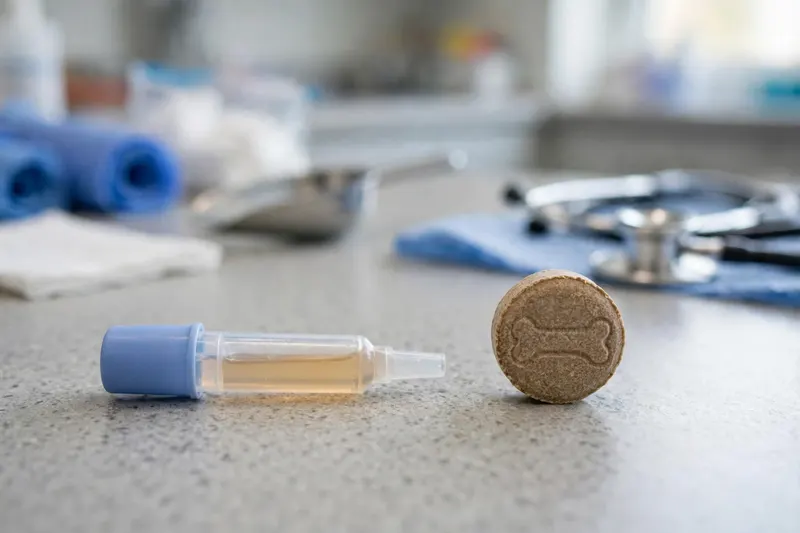
Clearing fleas from the home while using Frontline Plus
The topical kills fleas on the dog, and the home holds the rest of the problem. Flea eggs fall into carpets, bedding, and floor cracks, and they hatch for weeks after the first dose. Wash the dog’s bedding in hot water, vacuum the floors, the sofa, and the car, and empty the vacuum outside so the eggs do not hatch inside the bag. The methoprene in the product helps, since it stops eggs on the dog’s coat from maturing, but eggs already in the carpet need cleaning, not chemistry.
Mow the yard short and clear leaf litter where fleas and ticks hide, and keep the dog out of tall brush on walks. Check the dog for ticks after grass or woods, with hands over the ears, the neck, the belly, and between the toes. A tick on a treated dog usually dies within two days, but remove it with tweezers and watch the spot for redness. Keep the monthly date steady through winter, because fleas live indoors all year. The topical does its part on the coat, and the owner does the rest in the house.

Frequently asked questions about Frontline Plus for dogs
Is Frontline Plus for dogs prescription only?
Frontline Plus is sold over the counter in pet stores and online. The vet can still advise on the right size and whether it fits the dog’s health, and that advice is worth getting before the first tube.
Can my dog swim after Frontline Plus?
Not for 24 hours. The product needs a day to spread through the skin oils and become waterproof. After that first day, swimming and baths do not wash it off.
Does Frontline Plus prevent heartworm?
Frontline Plus covers fleas, ticks, and chewing lice only, so it does not prevent heartworm. Heartworm prevention needs a separate prescription product, and the vet can pair one with the topical.
How old must a puppy be for Frontline Plus?
8 weeks old. Younger puppies need a different approach, and the vet can suggest what is safe for their age and weight.
My dog licked the application spot. What now?
Watch for drooling or mild nausea, which usually pass quickly. Call the vet if the dog vomits repeatedly, trembles, or stumbles, since a large swallowed amount needs care.
Why do I still see fleas after applying it?
Dying fleas rise to the coat surface in the first day, and eggs in the home keep hatching for weeks. Keep the monthly schedule, vacuum, and wash bedding, and the numbers should fall.
This article is for information only and is not a substitute for veterinary advice. Frontline Plus for dogs is a steady, prescription free topical that kills fleas, their eggs and larvae, ticks, and lice for a month at a time. Its strengths are the skin based action, the early puppy age, and the lack of a neurologic class warning. Its limits are just as plain: no heartworm cover, no gut worm cover, and a full day before it turns waterproof. Apply it to the skin, not the fur, keep the dog dry for a day, and clean the home alongside the dog. The liquid handles the coat, and the owner handles the rest.