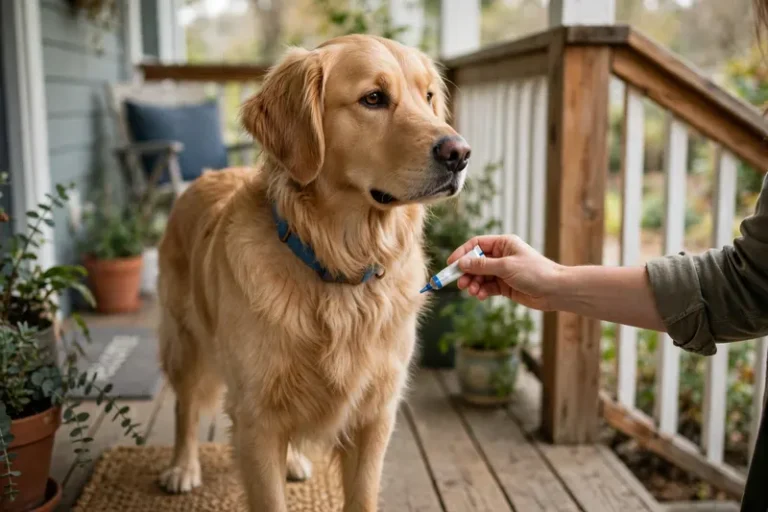
Most dogs live 10 to 13 years, with small dogs at the long end of that range and giant breeds at the short end. Size is the single strongest predictor of how long a dog lives, stronger than breed name or coat type. A Chihuahua can reach 17 while a Great Dane of the same age is already old. Weight, food, vet care, and plain luck fill in the rest of the picture.

How long do dogs live? The short answer
Most dogs live 10 to 13 years. Small breeds average 10 to 15 years and some reach 18, medium breeds average 10 to 13, large breeds average 8 to 12, and giant breeds average 8 to 10. Those ranges come from the American Kennel Club, and they describe typical dogs, not promises for one dog.
Averages hide wide variation. One Labrador can live to 14 while another from the same litter dies at 9. Genes set the range. Daily life decides where inside it a dog lands. That is why two dogs of the same breed and size can have very different lives. The number that matters most for your dog is the range for its size, plus the health history you can see in front of you.

Small dogs and why they live longest
Small dogs live longest, averaging 10 to 15 years, and some reach 18. The American Kennel Club reports that small dogs live significantly longer than larger dogs, in many cases by several years. Chihuahuas often reach 15 to 17, and many toy breeds pass 14 with steady care.
Scientists have measured the size effect in large studies. One analysis of 169,000 dogs reported median lifespans of about 14.95 years for small dogs, 13.86 for medium dogs, and 13.38 for large dogs. Another finding from the American Kennel Club puts it plainly: every 4.4 pounds of body mass reduced life expectancy by about a month. Small bodies age more slowly, and that slower aging shows up as extra years.
Small size does not mean a free pass. Toy breeds carry their own problems, and dental disease hits small mouths hard. Crowded teeth trap plaque, and infected gums seed bacteria into the blood. A small dog that skips dental care can lose years to a problem its owner never saw. Size gives small dogs a head start. Care decides whether they keep it.

Medium dogs: the middle of the range
Medium dogs average 10 to 13 years, sitting between the long-lived small breeds and the shorter-lived large ones. Beagles, Border Collies, and Cocker Spaniels often reach 12 to 15, which beats the middle of the range. Bulldogs and Boxers sit lower, around 10 to 12.
Medium dogs show how much breed matters inside a size group. A Beagle and a Bulldog weigh about the same, but their bodies age on different schedules. Bulldogs carry breathing problems and joint trouble that pull their average down. Beagles carry fewer inherited problems, and their average climbs. When you read a size range, treat it as a starting point and then look up the breed.
Weight still matters at medium size. A medium dog that carries extra fat ages faster than a lean dog of the same breed. The lean dog moves more easily, puts less load on its joints, and faces lower odds of diabetes. Owners of medium dogs often miss weight gain because the change is slow, a pound here and a pound there, until the dog is visibly heavy.

Large dogs: shorter lives, faster aging
Large dogs average 8 to 12 years, and they age faster once they reach adulthood. Labradors and Golden Retrievers usually live 10 to 12, German Shepherds 9 to 13, and Siberian Huskies 12 to 14. The range is wide because large covers a lot of different bodies.
Research on 74 breeds found that large dogs die younger mainly because they age faster after adulthood, not because they start old. Their cells divide more, their joints carry more load, and cancer shows up more often. The American Kennel Club summary of a large clinic study notes that large dogs died more often from cancer than small dogs. That single difference explains much of the gap.
Large dogs also become seniors earlier. The American Veterinary Medical Association notes that larger breeds are often considered senior at 5 to 6 years old. A 6 year old Labrador is a senior dog, even though it still chases a ball like a youngster. Senior screening should start then, not at 10, because the diseases that cut large dogs short are easier to catch early.

Giant breeds: the shortest window
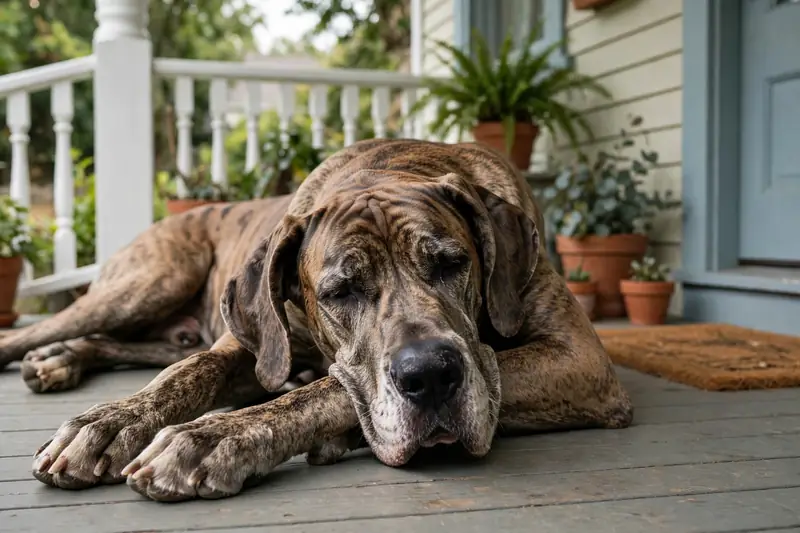
Giant breeds average 8 to 10 years, the shortest lifespan of any size group. Great Danes usually live 7 to 10, Saint Bernards 8 to 10, and Newfoundlands 9 to 10. A giant dog is old at an age when a small dog is barely middle aged.
Giant dogs grow fast, and fast growth has a price. Their bones and joints grow under heavy load, and bone cancer strikes giant breeds far more often than small ones. Their hearts work harder to move blood through a large body, and bloat can kill a deep chested giant dog in hours. Owners of giant breeds need to know the signs of bloat before it happens, because minutes matter with that emergency. Joint care matters from the start too, and the glucosamine guide and the joint supplements guide explain what helps and what does not.
The short window changes how owners should plan. A Great Dane puppy needs joint friendly exercise from the start, not hard running on pavement. Food should support slow, steady growth rather than maximum size. Vet visits should start senior screening around age 5. None of this adds five years, but it protects the years the dog has.
Mixed breeds versus purebreds
Mixed breed dogs often live a little longer than purebred dogs of the same size, and the reason is genetic variety. Purebred dogs inherit the same genes from a small pool, so a harmful gene can appear in many dogs of one breed. Mixed breeds draw from a wider pool, which dilutes those risks.
The gap is real but modest, usually a year or so, and it is not a rule for every dog. A mixed breed dog with a bad heart gene still has a bad heart gene. A purebred dog from health tested parents can outlive a mixed breed dog with no health history at all. Size still beats breeding in the numbers. A giant mixed breed dog will still live a shorter life than a small purebred dog.
What matters more than the label is the health history. Ask the breeder or shelter about the parents, the known problems in the line, and the vet records. A dog with a clear history and a healthy weight will usually beat the average for its size, whatever its pedigree says.

Weight and body condition: the factor you control
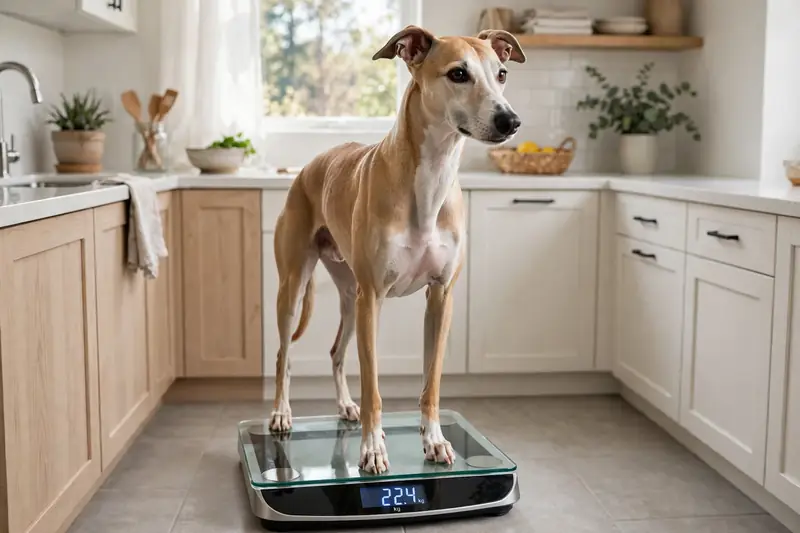
Weight is the lifespan factor owners control most, and the evidence for it is strong. A 14 year Purina study of Labradors found that dogs kept lean lived about 1.8 years longer than their heavier littermates. For a dog with a 12 year expected life, that is roughly 15 percent more life.
Fat is not just stored energy. It drives inflammation, loads joints, and raises the risk of diabetes, heart disease, and some cancers. An overweight dog moves less, which adds more weight, which moves the dog less again. The cycle is slow and easy to miss, because owners see their dog every day and the change creeps in.
Body condition is easy to check at home. You should feel the ribs under a thin layer of fat without pressing hard, and the dog should have a visible waist from above and a tucked belly from the side. If you cannot feel the ribs, the dog is overweight. Treats should stay inside the 10 percent rule, meaning all treats together make up no more than 10 percent of daily calories. The VCA feeding guidelines for dogs lay out that rule and the daily feeding basics behind it.
Food, exercise, and daily care that add years
Good food, daily movement, and steady routines add years, and none of them need to be fancy. A complete and balanced dog food that fits the dog’s size and life stage covers the nutrition base. The best dog food for small dogs guide shows how size changes the recipe, and homemade dog food recipes can work too, but they need a vet nutritionist to balance them, because a bowl of meat and rice alone leaves gaps.
Exercise should fit the dog, not the owner’s ambitions. A young Labrador needs long walks and play. A giant breed puppy needs short, gentle sessions that protect growing joints. A senior dog needs shorter walks more often, plus gentle play that keeps muscles working without pounding joints. The goal is a dog that moves easily every day of its life, not a dog that runs hard on weekends and rests all week.
Daily care covers the small things that compound. Clean teeth, trimmed nails, clean ears, and a coat checked for lumps. A lump found at pea size is a different problem from a lump found at golf ball size. Owners who run their hands over their dog once a week catch changes early, and early changes are the ones vets can fix.

Health checks and the diseases that cut lives short
Regular vet checks catch the diseases that cut dog lives short, and they catch them while treatment still works. Cancer, kidney disease, heart disease, and liver disease top the list. Kidney disease creeps in silently, and by the time a dog drinks more water and loses weight, much of the kidney is already gone.
Blood tests at a routine visit can spot it years earlier.
Dental disease is the most common problem vets see, and it shortens lives in a quiet way. Bacteria from infected gums enter the blood and strain the heart, liver, and kidneys. A dog with clean teeth and healthy gums carries a lower load on every organ. Dental cleaning under anesthesia sounds scary, but untreated dental disease is the riskier choice for most dogs.
Vaccines and parasite control matter too. They prevent diseases that kill young dogs outright, and they keep older dogs free of the slow drain of worms and fleas. A dog that never misses a vet visit gets a baseline blood panel in middle age, and that baseline makes every later test more useful. The vet can see change, not just a single number.
How to help your dog live longer
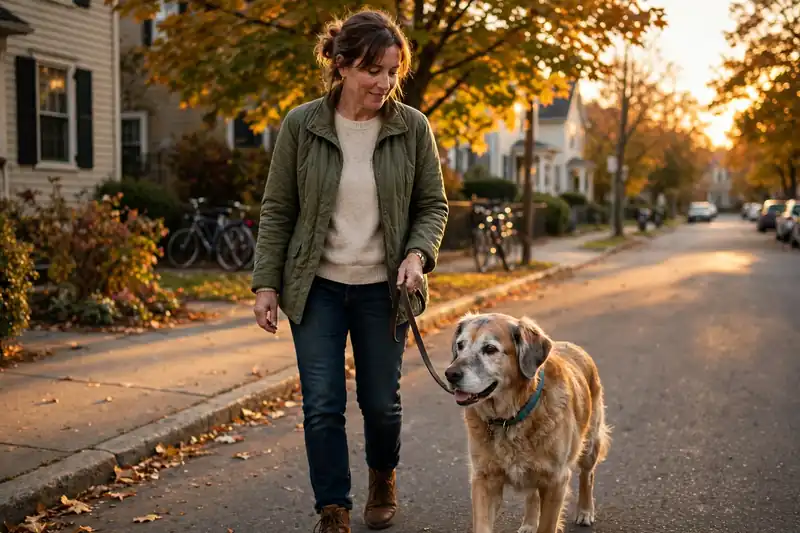
Helping a dog live longer comes down to a short list done well for years. Keep the dog lean, feed a balanced diet, move the dog daily, clean the teeth, and see the vet on schedule. That list sounds plain, and it is the whole plan.
Start senior screening at the right age for the size. Small dogs usually become seniors around 7, large dogs around 5 to 6, and giant breeds earlier still. Senior visits should include blood work, a urine test, and a careful hands on exam. Ask the vet what screening fits your dog’s breed, because some breeds need heart checks and others need eye checks.
Watch for the small changes that signal trouble. Drinking more water, eating less, sleeping more, coughing at night, limping after rest, or a new lump all earn a vet call. Dogs hide pain well, so a change in behavior is often the first sign. Owners who know their dog’s normal day catch those changes fast. The kidney disease guide and the liver disease guide show what early signs look like, and both are worth reading before a problem appears.

Frequently asked questions about how long dogs live
What is the average lifespan of a dog?
Most dogs live 10 to 13 years. Small breeds average 10 to 15, medium breeds 10 to 13, large breeds 8 to 12, and giant breeds 8 to 10. Those are American Kennel Club ranges, and individual dogs vary widely inside them.
Do female dogs live longer than male dogs?
Studies show a small gap, with females living slightly longer on average, but the difference is modest and it varies by breed. Neutering status, size, and health matter more than sex alone.
Do small dogs really live longer than big dogs?
Small dogs live significantly longer than large dogs, often by several years. The American Kennel Club reports that every 4.4 pounds of body mass reduced life expectancy by about a month in the research it cites.
How long do mixed breed dogs live?
Mixed breed dogs often live a little longer than purebred dogs of the same size, usually by about a year. Genetic variety dilutes some inherited problems, but size still matters more than breeding.
When is a dog considered a senior?
Small dogs are generally considered senior around 7 years old, and larger breeds around 5 to 6. The American Animal Hospital Association defines senior as the last 25 percent of a dog’s estimated lifespan, so the exact age depends on size and breed.
Can diet really add years to a dog’s life?
A 14 year Purina study of Labradors found lean dogs lived about 1.8 years longer than heavier littermates. Keeping a dog at a healthy weight is the single most effective thing most owners can do.
Your dog’s lifespan is written partly in its genes and partly in its daily life. Size sets the range, and weight, food, movement, teeth, and vet visits decide where inside that range your dog lands. Know the range for your dog’s size, start senior care at the right age, and act fast on small changes. The American Kennel Club lifespan guide and the AKC guide to dog years give the size ranges and age math in full, and the VCA guide to pancreatitis shows what overfeeding can lead to. A lean dog, a watchful owner, and a vet who knows the dog well are the best odds any dog gets.
Disclaimer: This article is for general information only and is not veterinary advice. Lifespan ranges are population averages, not predictions for one dog. If you are worried about your dog’s weight or health, contact your veterinarian.