Apoquel for dogs is a prescription tablet that controls allergic itching, often within 4 hours, and keeps it controlled within 24 hours. Its active ingredient, oclacitinib, blocks the Janus kinase signals that tell a dog’s skin to itch and inflame. It works differently from steroids and from antihistamines. Dogs with atopic dermatitis and allergic skin disease get real relief from it, but the drug damps down part of the immune system, so dogs on it need monitoring for infections.

What is Apoquel for dogs?
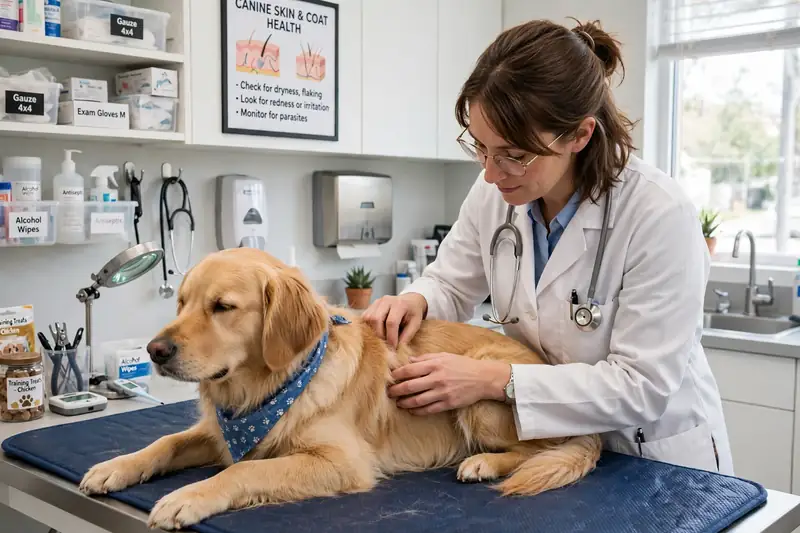
Apoquel is the brand name for oclacitinib, an FDA approved oral medicine for dogs 12 months and older. Vets prescribe it to control itching from allergic dermatitis and to control atopic dermatitis, the chronic skin allergy that makes dogs scratch and chew their skin raw.
It comes as a regular tablet and as a pork liver flavored chewable. Both need a prescription.
The drug is not a cure. It switches off the itch signal while the allergy itself stays. That distinction matters, because stopping the drug brings the itch back, and the underlying allergy still needs work: food trials, flea control, and environmental management. Apoquel buys the dog comfort while the vet sorts out the cause. The AKC guide to Apoquel for dogs explains the approval, the age limit, and the infection risks in clear terms.
How oclacitinib stops the itch
Oclacitinib blocks Janus kinase enzymes, mainly JAK1, which carry the itch and inflammation signals from the skin to the brain. When an allergen hits the skin, those enzymes fire off a chain reaction that ends in scratching. Apoquel cuts the chain early, before the signal builds. The result is fast relief without the broad immune suppression of a steroid.
That precision is the drug’s selling point and its weak spot. JAK enzymes also carry signals the immune system uses to fight infection, so blocking them can leave the dog more open to skin infections, ear infections, urinary infections, and pneumonia. The effect is targeted rather than total, which is why most dogs do well on it, but the vet still watches for infections at every recheck. Itch relief in hours is the reward. A slightly quieter immune system is the price.

How fast Apoquel works
Apoquel starts relieving itch within 4 hours of the first dose, and most dogs reach good control within 24 hours. That speed sets it apart from allergy shots and diet trials, which take weeks to show anything. Owners often see the dog stop scratching the same evening.
Sleep improves the first night because the itch no longer wakes the dog.
The first two weeks usually run at twice daily dosing, then the vet drops it to once daily for maintenance. Some dogs need the twice daily schedule longer during a bad flare. Judge the result after a few days of steady dosing, not after one tablet. If the itch barely moves after a week, the diagnosis may be wrong, and the vet should look again at fleas, food, or infection as the real driver.
Seasonal flares tell their own story. A dog that itches every spring and settles in winter is reacting to pollen, and the vet may raise the dose for the season and lower it when the pollen count drops. A dog that itches all year often points to food or house dust mites instead. Note the pattern and share it at the visit, since the calendar is often the cheapest diagnostic tool in allergy care. Bathing with a vet approved shampoo can help too, by washing allergens off the skin before they trigger a reaction.

Apoquel dosage for dogs
Your vet sets the dose by weight, and the label dosing starts at twice daily for 14 days, then once daily. Tablets come in several strengths, and the vet picks the one that matches the dog’s weight band. Never split the schedule on your own.
Dropping to once daily too early can let the itch roar back, and staying twice daily longer than advised adds immune suppression for no gain.
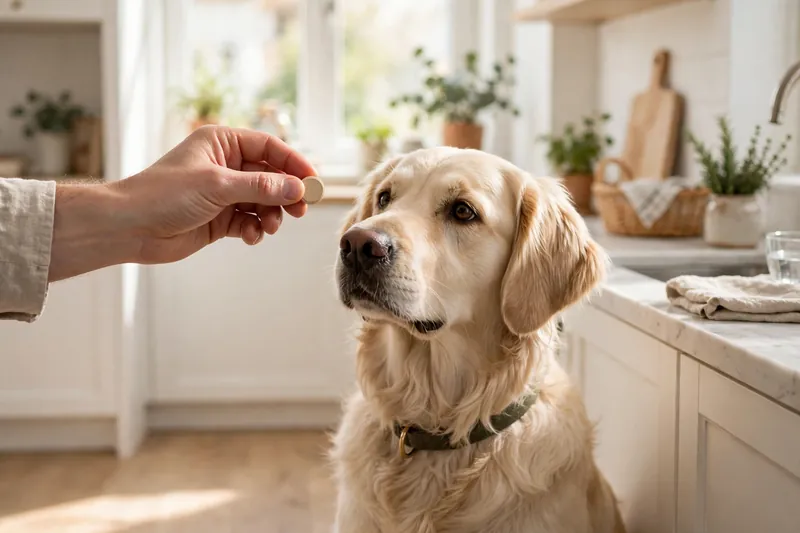
Give the tablet with or without food, and keep the timing steady each day. The chewable version tastes like pork liver, which makes dosing easy, but that same flavor is a hazard in a multi pet house, as the overdose section below explains. If the dog spits the tablet out, hide it in food and check that it was swallowed. A missed dose is a missed day of control, and the itch returns fast.
Side effects of Apoquel in dogs
Vomiting, diarrhea, loss of appetite, and lethargy are the most common side effects, and most cases are mild and pass quickly. Some dogs drink more, eat more, or lose a little weight. Bloodwork can show raised liver enzymes. Diarrhea that turns bloody needs a vet the same day.
Bloody diarrhea in dogs can signal something more serious than a drug side effect. In the short term trials, side effects looked similar to placebo, which is why vets describe the drug as well tolerated.
The longer list is the one to respect. Because Apoquel affects immune signaling, dogs can develop skin infections, ear infections, urinary infections, and demodicosis, the mite condition a healthy immune system normally holds in check. New skin lumps have also been reported, and the label warns the drug may worsen existing cancer. Any new lump, sore that will not heal, or infection that keeps coming back deserves a vet visit and a fresh look at whether the drug still fits. Gastroenteritis in dogs covers the stomach side of the common effects, including when vomiting needs a vet rather than a wait.

Which dogs should not take Apoquel
Dogs under 12 months old should not take Apoquel, and neither should dogs under 3 kg in weight. Breeding, pregnant, and nursing dogs are excluded too, since safety has not been established for them. Dogs with serious infections should not start it, because the drug can make an infection harder to fight.
Dogs with a history of cancer need a careful discussion, since the label warns the drug may make neoplastic conditions worse.
Vets also avoid it in dogs with a weak immune system or a history of demodectic mange. Before the first prescription, the vet usually checks the skin, the ears, and the bloodwork, and treats any active infection first. Dogs with kidney disease or liver disease need closer bloodwork on long term Apoquel. That workup is a safety step, not red tape.

The Apoquel Chewable overdose warning
In July 2026 the FDA warned about rising reports of accidental overdoses involving Apoquel Chewable. The pork liver flavor makes the tablets attractive to dogs and cats alike, and pets have eaten whole bottles. As of April 2, 2026, the FDA had received 259 overdose reports in dogs and 64 in cats since the chewable was approved in June 2023.
Cats face the higher risk of severe effects, and Apoquel is not approved for cats at all.
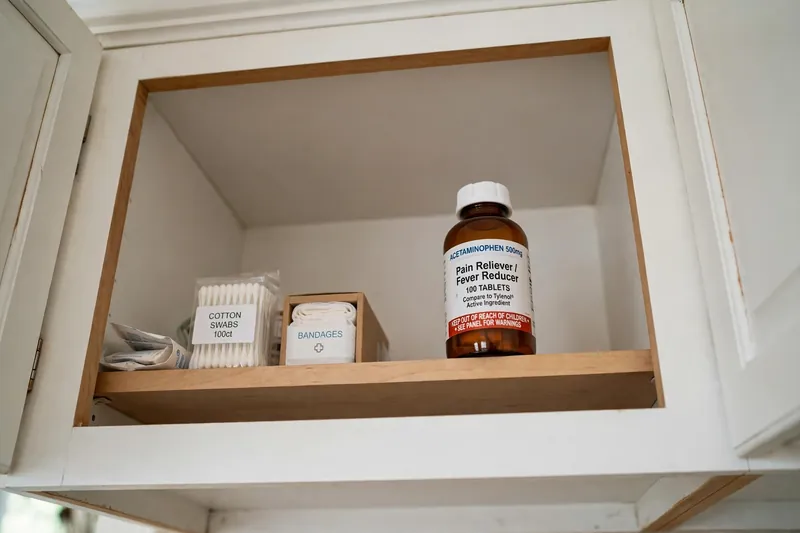
Overdose signs can include vomiting, diarrhea, lethargy, eye redness and swelling, and effects on the heart, brain, kidneys, or liver, usually within 24 hours. High doses can also suppress the bone marrow. Store the chewable like a hazard, not a treat: closed bottle, high shelf, latched cabinet, never left on a counter where a dog or cat can reach it. The FDA warning on Apoquel Chewable overdoses gives the full numbers and storage advice. If a pet eats extra tablets, call your vet or the ASPCA Animal Poison Control Center at once.
Apoquel vs steroids vs Cytopoint
Apoquel, steroids, and Cytopoint all fight itch, and they do it in different ways. Steroids like prednisone work fast and cost little, but long term use brings thirst, hunger, weight gain, and a higher risk of diabetes and infections. Many vets use steroids for a short flare and switch to Apoquel for the long run.
Cytopoint is an injection that blocks the itch signal with an antibody, given every 4 to 8 weeks at the clinic, with very few side effects but a higher price per dose and no effect on inflammation beyond itch.
Apoquel sits in the middle: daily tablets, fast relief, a moderate side effect list, and a price that adds up over months. Some dogs do best on a combination, such as Cytopoint for baseline control plus Apoquel for flares. The VCA guide to allergies in dogs explains why allergy management usually needs more than one tool, including flea control and diet. Pick the plan the dog tolerates and the owner can sustain, because allergy care is a marathon.

Long term use and monitoring
Many dogs stay on Apoquel for months or years, and long term use is normal for atopic dermatitis. The vet usually runs bloodwork before starting and repeats it at intervals to watch the liver, the kidneys, and the blood cell counts.
Skin checks at each visit catch infections early, before they spread. Owners should watch at home for new lumps, sores, ear scratching, straining to urinate, coughing, or tiredness that does not fit the day.
Keep a short note of itch scores, flare dates, and any infection, and bring it to each visit. Patterns in that note often show the real triggers, such as pollen seasons or a new food, and they help the vet decide whether the dose can drop. Long term Apoquel works best when it is one part of a plan that also tackles fleas, food, and the environment, not a tablet that carries the whole load alone.

Frequently asked questions about Apoquel for dogs
Is Apoquel safe for dogs?
For most adult dogs, yes, when a vet prescribes it and monitors the dog. The common side effects are mild stomach upset and tiredness. The bigger risks are infections and a higher chance of problems in dogs with cancer, so those dogs need a vet discussion first.
How long can a dog stay on Apoquel?
Many dogs take it for years for chronic atopic dermatitis, with regular vet checkups and bloodwork. The vet reviews the dose and the skin at each visit, and adjusts the plan if infections or lumps appear.
Does Apoquel make dogs sleepy?
It can cause lethargy in some dogs, especially in the first days. Most dogs stay bright and active on it, which is one reason owners prefer it over steroids. Tiredness that lasts or gets worse deserves a vet call.
Can Apoquel be given with other medicines?
Yes, it is commonly used alongside antibiotics, antifungals, flea and tick products, and arthritis drugs, with no major interactions reported. Always tell the vet about every medicine and supplement, including fish oil for dogs, so the full list is on record.
What if my dog misses a dose of Apoquel?
Give it when you remember, then carry on with the normal schedule. Do not double up. The itch may return for a day, and the next dose should bring it back under control.
Can puppies take Apoquel?
No, Apoquel is labeled for dogs 12 months and older. Puppies with itchy skin need a different plan, and the vet will look for fleas, food allergy, or infection first. Chicken is a common food allergy trigger worth discussing if diet is on the table.
Does Apoquel cure allergies?
No, it controls the itch and inflammation while the dog takes it, but the allergy stays. Stopping the drug brings the itch back. Finding and managing the trigger is the long term fix.

Apoquel changed allergy care because it gave itchy dogs fast relief without the weight gain and thirst of steroids. That relief is real, and so is the trade: a quieter immune system that needs watching. Use it at the vet’s dose, store the chewable like the hazard it can be, and keep the rechecks on the calendar. The itch is the symptom, and the plan behind the tablet is what keeps the dog comfortable for years.
Disclaimer: This article is for information only and is not a substitute for veterinary advice. Apoquel is a prescription medicine. Talk to your veterinarian before starting it, especially if your dog is under 12 months old, pregnant, or has an infection or a history of cancer, and seek veterinary care promptly if your dog shows signs of infection or an overdose.