Cyanide poisoning signs can appear within 15 to 20 minutes of a dog chewing an apricot pit. That speed is what makes this fruit different from most on this site. The soft orange flesh is harmless, even pleasant, for dogs. Cyanide risk lives in the pit. The stems and leaves carry it too, through the same compound, amygdalin, which releases cyanide when crushed and digested. Knowing which part is which keeps an apricot snack safe.

Can dogs eat apricots?
Dogs can eat apricot flesh in small amounts, but never the pit, stem, or leaves. The flesh is a safe, low-calorie fruit treat once the pit is removed. The pit contains amygdalin, which releases cyanide when a dog chews and crushes it, and the hard pit also chokes and blocks intestines.
Sharing means pit-free flesh only.

Apricots belong to the Prunus genus, the stone-fruit family: peaches, plums, cherries. Every member follows the same rule: flesh fine, pit dangerous. Dogs encounter apricots most often as fresh summer fruit, as dried snacks, or as windfalls under a backyard tree. Each form carries a different risk profile, and the pit is the constant through all of them.
The ASPCA lists apricot as toxic to dogs, and that listing covers the inedible parts, not the flesh. Confusion between the parts causes most apricot scares. A dog that ate a slice of flesh needs nothing. A dog that crunched a pit needs a vet call. Learning the distinction takes a minute and covers every stone fruit your dog will ever meet.
The pit: where the cyanide lives
An apricot pit is a hard shell guarding a soft kernel, and the kernel is where the chemistry happens. The kernel contains amygdalin, a cyanogenic glycoside. Intact and swallowed whole, it mostly passes through or lodges somewhere unfortunate. Chewed and crushed, it releases its payload. Dogs chew, so the dangerous scenario is the common one.

Size matters here: apricot pits run smaller than peach pits, which makes them easier for a medium or large dog to crunch, and a determined chewer can crack one in seconds. Small dogs face the opposite problem: the pit is large enough to choke on or to block the intestine, even before cyanide enters the picture. Both failure modes deserve respect.
Here is the complicating fact that most quick answers skip. A pit swallowed whole is primarily an obstruction risk, not a cyanide risk. The hard shell shields the kernel from digestive enzymes, so little amygdalin releases. Veterinary toxicologists draw this line carefully: the dog that gulps a pit whole needs monitoring for blockage, while the dog that gnaws pits into fragments needs emergency care for poisoning. Same fruit, different emergencies.
How amygdalin turns into cyanide
Amygdalin itself is not cyanide. It is a sugar-bound compound sitting inert inside the kernel until chewing, stomach acid, or gut enzymes break it apart. That breakdown releases hydrogen cyanide, which the bloodstream absorbs rapidly. Cyanide then blocks the cells’ ability to use oxygen.
The blood carries oxygen normally, but the tissues cannot pick it up, so the body suffocates from the inside while breathing continues. There is no home treatment for cyanide poisoning, which is why chewed pits skip the observation phase and go straight to the emergency clinic.
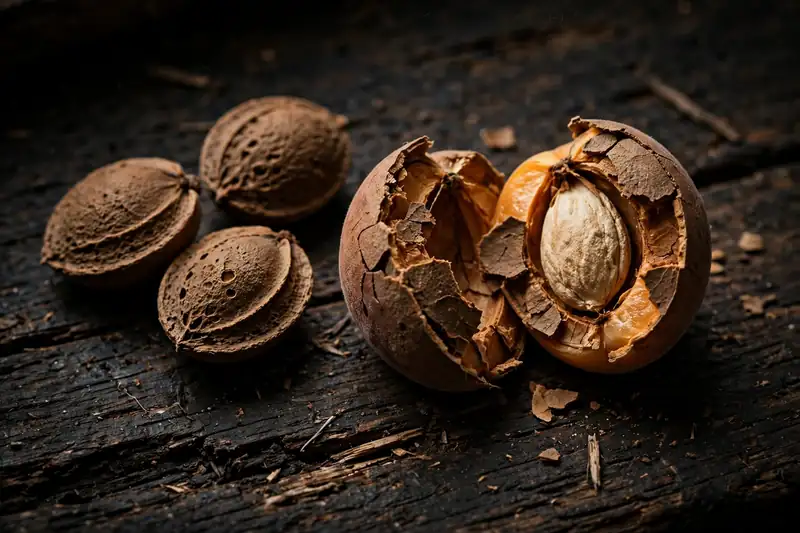
This mechanism explains the terrifying speed. Signs can begin within 15 to 20 minutes of a dog chewing a meaningful amount of kernel, and severe cases can kill within 30 to 45 minutes. There is no slow buildup to watch for. The dose decides the outcome: one cracked pit in a large dog may cause nothing at all, while several thoroughly chewed kernels in a small dog can deliver a fatal amount of cyanide. Body weight, number of pits, and how thoroughly they were crushed all feed the equation.
Dogs may be slightly more vulnerable than some grazing animals because they carry lower levels of rhodanese, the enzyme that breaks cyanide down before it can block the cells’ oxygen use. That detail comes from veterinary toxicology references, and it means dogs get less help from their own biochemistry than, say, a goat browsing the same orchard. Do not count on the dog’s system to handle it.
Signs of cyanide poisoning to recognize
Cyanide poisoning looks like oxygen starvation, because that is what it is. Early signs include drooling, rapid or difficult breathing, and bright brick-red gums, the classic color of blood fully loaded with oxygen the tissues cannot use. The dog may seem agitated, then weak. Dilated pupils and a racing heart follow as the body struggles.

Late signs turn grave fast: collapse, seizures, coma, and respiratory failure can follow within minutes of the early signs in severe cases.

This is not a wait-and-see poisoning. If your dog chewed apricot pits and shows any of these signs, you are already in an emergency, and the car should be moving toward the vet while you call ahead.
Obstruction signs look entirely different and matter for the gulpers. Repeated vomiting, retching without producing anything, abdominal pain, a swollen belly, or no stool for a day or more point to a pit lodged in the gut. Blockages can take a day or two to declare themselves, which is why a swallowed whole pit earns 48 hours of watching even when the dog seems fine at first.
The flesh: safe, with rules
Apricot flesh makes a fine dog treat. It is low in calories, high in water, and rich in vitamin A and fiber. The natural sugars give it an aroma most dogs find interesting, and the soft texture suits seniors with dental trouble. A few small pieces make a fine summer snack with nothing to fear.

Preparation is the whole safety protocol: cut the apricot in half, twist out the pit, check for fragments, and slice the flesh into bite-size pieces, smaller for small dogs. Rinse the fruit first to remove orchard pesticide residue. That is the entire procedure, and it takes under a minute.
Portion discipline still applies. Fruit sugar is real sugar, and too much brings the usual consequences: loose stool and gas, plus extra calories. The AKC’s fruit and vegetable guide places apricot flesh on the safe side with the standard moderation note. Treats, fruit included, stay near 10 percent of daily calories, a budget the VCA’s feeding guidelines spell out for every dog.
Dried, canned, and jam: the processed forms
Dried apricots concentrate everything, including the problems. The sugar per piece runs several times higher than fresh, and many commercial brands add sulfite preservatives that can trigger reactions in sensitive dogs. One dried apricot as a rare treat is unlikely to harm a healthy dog, but the small sweet pieces invite overfeeding.

Canned apricots swim in heavy syrup, which makes them a sugar delivery system with fruit flavoring. Drain the syrup and the picture improves, but the fruit has still absorbed plenty of sugar during canning. Fresh is better in every way that matters. If canned is all you have, rinse the pieces and keep the serving tiny.
Jam and pie filling deserve a hard pass, along with apricot-flavored products. They combine concentrated sugar with the real possibility of xylitol in sugar-free versions, and neither belongs in a dog’s diet. The ASPCA’s people-foods list covers xylitol among the kitchen hazards. When the ingredient list grows longer than the fruit name, the product has left the safe zone.
How much apricot flesh is safe
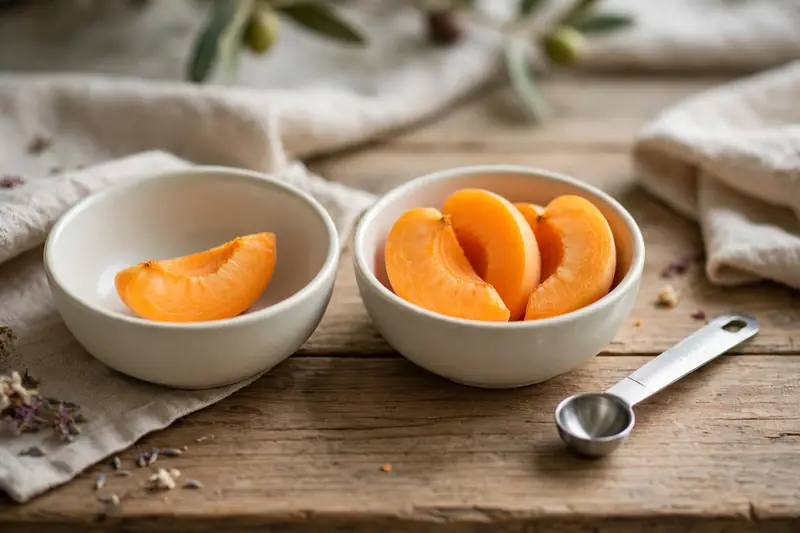
Fresh apricot flesh follows the standard fruit rules. A few small pieces for a small dog, half an apricot for a medium dog, and a whole apricot for a large dog, a few times a week at most, sits comfortably inside treat limits. An apricot runs about 17 calories, so the math stays friendly even for dogs watching their weight.
| Dog size | Safe flesh amount | Frequency |
|---|---|---|
| Small (under 20 lbs) | A few small pieces | A few times a week |
| Medium (20 to 50 lbs) | Half an apricot, sliced | A few times a week |
| Large (over 50 lbs) | One apricot, sliced | A few times a week |
Introduce apricot like any new fruit: one small piece, then a full day of watching. Most dogs handle it without a flicker. A dog with a sensitive stomach may produce soft stool, which is a signal to reduce the amount or skip the fruit, not a medical event. The human foods dogs can eat list is a handy cross-check before any new addition.
Pits follow a zero-tolerance rule at every size. There is no safe number of pits, no safe way to serve them, and no preparation that makes the kernel safe. The flesh chart above assumes every pit was removed and discarded where the dog cannot retrieve it, including the kitchen trash.
What to do if your dog eats a pit
First, determine what actually happened. Did the dog chew and crack the pit, or gulp it whole? Look for fragments, listen for crunching sounds you heard, and check how many pits are missing. Chewed fragments mean possible cyanide exposure and an immediate vet call. A single swallowed-whole pit means monitoring for obstruction over the next 48 hours.

For chewed pits, do not wait for symptoms. Call your veterinarian or an emergency clinic at once and describe the number of pits, the dog’s weight, and the time. Do not try to induce vomiting at home unless the vet directs it. Bring any pit fragments you found; they help the vet judge how much kernel was crushed and swallowed.
For a swallowed-whole pit, watch for the obstruction signs: repeated vomiting, retching, belly pain, and swelling, or stools that stop coming. Feed normally and keep activity gentle. Most small smooth pits pass within a day or two, but a pit that lodges can require surgery, so the watching is serious. Any sign of distress ends the watching phase and starts the driving phase.
Backyard apricot trees and garden risks
A backyard apricot tree turns the pit question from a snack issue into a season-long management task. Fallen fruit and scattered pits meet an enthusiastic forager. During fruiting season, pick up fallen fruit daily, or fence the drop zone so the dog cannot self-serve. The five minutes of yard patrol beats an emergency clinic visit.

Wilted leaves deserve a special warning. When Prunus leaves wilt, whether from pruning, frost, or broken branches, their cyanogenic compounds concentrate and the leaf structure breaks down, making the cyanide easier to release. A dog chewing pruned branches or wilted leaves under the tree faces a higher risk than from fresh leaves. Clean up prunings immediately and never toss branches where the dog plays.
Teach a reliable leave-it for anything that falls from the tree. Training beats fencing in the long run, because pits roll and dogs roam. A dog that drops fruit on command is safe under any tree in the neighborhood, not just yours. Practice with high-value trade treats until the response is automatic.
Frequently asked questions about apricots and dogs
Owners ask about pits and dried fruit, plus how fast cyanide acts. The six answers below cover the questions that come up most often, with clear steps for each situation. Start with the pit question, since that is the urgent one.
Can dogs eat apricot pits?
Pits are off-limits entirely. No exceptions. They contain amygdalin, which releases cyanide when chewed, and the hard pit can choke or block the intestines. There is no safe preparation for the pit. Remove and discard every pit before sharing the flesh.
How many apricot pits are dangerous?
It depends on size and whether the pits were chewed. A large dog that gulps one pit whole will likely pass it, while a small dog that crunches several kernels can face life-threatening poisoning. Any chewed pit deserves a vet call.
Can dogs eat dried apricots?
A single plain dried apricot is unlikely to harm a healthy dog, but they are not a good treat. The concentrated sugar adds up fast, and many brands use sulfite preservatives. Fresh apricot flesh is the better choice every time.
What are the signs of cyanide poisoning in dogs?
Brick-red gums, drooling, rapid or difficult breathing, weakness, dilated pupils, and collapse. Signs can start within 15 to 20 minutes of chewing pits. This is an emergency: get to a vet immediately rather than watching at home.
My dog swallowed an apricot pit whole. What should I do?
Monitor for 48 hours. Most pits pass on their own. Watch for repeated vomiting, retching, belly pain, swelling, or missing stools, which signal a possible blockage. Call your vet at the first sign of distress.
Are peaches and cherries the same risk?
They carry the same risk. Peaches, plums, and cherries belong to the same Prunus family, and their pits carry the same amygdalin risk. Apple seeds contain amygdalin too, though in far smaller amounts per seed. The rule holds across the family: flesh fine, pits out. A bland diet for a day helps if the fruit caused mild stomach upset.
Apricots earn a careful yes. The flesh is a fine summer treat once the pit is out, and the pit goes straight in the trash, not the compost the dog can reach. Respect the kernel’s chemistry, manage the backyard tree, and this fruit stays firmly on the safe list.
Disclaimer: This article is for general information only and is not veterinary advice. Every dog is different, and dogs with health conditions, puppies, and nursing dogs may need different guidance. If your dog shows symptoms after eating apricot pits, contact your veterinarian immediately.