Taurine for Dogs: Benefits, Deficiency Signs, and DCM Risk
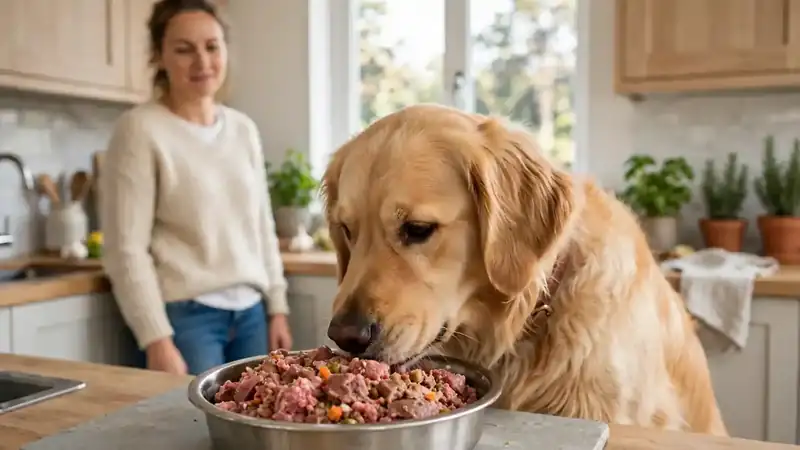
Taurine for dogs is an amino acid that supports the heart, eyes, and digestion, and most dogs make it themselves from other amino acids in their food. That sets dogs apart from cats, which must eat taurine ready made. Even so, some dogs make too little, and a shortage over months can weaken the heart muscle until it stretches and pumps poorly. This form of heart disease often improves when the diet changes and taurine is added under a vet’s care.
This guide explains what taurine does, how dogs make it, which dogs run short, and how vets test for it. You will also learn which foods carry the most taurine, what the grain free debate really found, and when a supplement helps.
What is taurine for dogs?
Taurine for dogs is an amino acid that supports the heart, eyes, brain, and digestion. Dogs can make taurine from other amino acids in their food, so it is not classed as essential for them the way it is for cats. Even so, some dogs make too little, and a shortage can damage the heart over time.
Taurine differs from most amino acids in one clear way: the body does not use it to build protein. Instead, taurine works free in cells, where it steadies membranes, moves minerals, and shields tissue from stress. The heart holds some of the highest taurine levels in the body, which is why a shortage hits the heart first and hardest.
Dog food rules add a twist. The AAFCO nutrient profiles do not require dog foods to add taurine, since dogs can make it from methionine and cysteine. Many brands add it anyway. A label that lists taurine is not a promise of heart protection, and a label without it is not a warning sign on its own.
How do dogs make taurine on their own?
Dogs make taurine in the liver from two sulfur amino acids, methionine and cysteine, using enzymes in a pathway called transsulfuration. The food must supply enough of those building blocks, plus helpers such as vitamin B6 and zinc. When the diet falls short, or the dog makes taurine slowly, blood levels can drop.
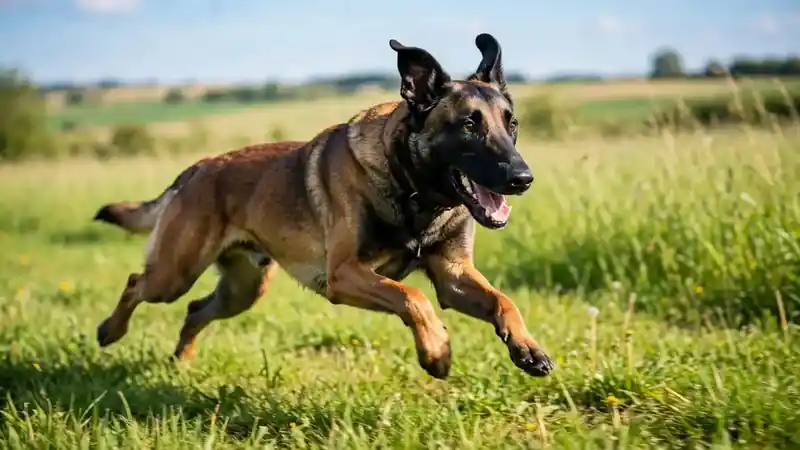
The pathway runs in the liver and in the central nervous system, and it turns methionine into cysteine and then into taurine step by step. Each step needs its own enzyme, and the speed of those enzymes varies from dog to dog. Research points to golden retrievers as a breed where the liver enzymes run slower, which may explain why that breed shows up so often in taurine studies.
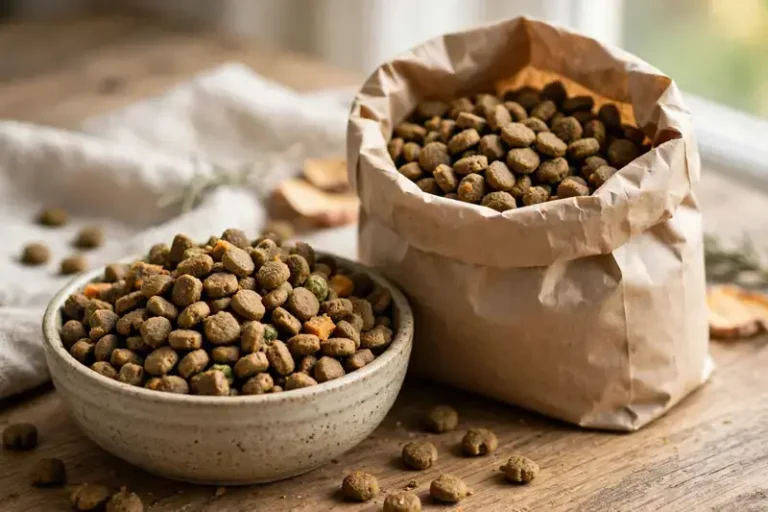
Diet can choke the pathway even when the enzymes work fine. A food low in methionine and cysteine gives the liver little to work with, and a food high in certain fibers can drain taurine out of the body through the gut. Beet pulp fiber and legume heavy diets have both been linked to lower taurine status in studies.
What does taurine do in the body?
Taurine helps heart muscle contract with steady force, steadies cell membranes, and helps move calcium, sodium, and potassium where they belong. It also builds bile salts that digest fat, protects the retina in the eye, and supports the immune system and the nerves. A dog uses taurine in many organs at once, not just the heart.

In the heart, taurine fine tunes the flow of calcium into muscle cells, and calcium is what tells a muscle fiber to contract. A heart short on taurine contracts weakly and tires fast, which is the first step toward a stretched, failing heart. Taurine also acts as an antioxidant, soaking up the damage that hard working heart cells produce.
Taurine also joins with bile acids to form bile salts, which break fat into drops the gut can absorb. Without enough bile salts, a dog absorbs less fat and less of the vitamins that ride along with fat. The immune system and the nervous system use taurine too, which is why a shortage can show up as slow healing, poor growth in puppies, or nerve trouble.
What is taurine deficiency in dogs?
Taurine deficiency in dogs means blood and tissue levels of taurine fall below what the body needs to work well. The signs are vague at first, since low taurine harms the heart, eyes, and kidneys slowly. By the time a dog shows clear signs, the heart muscle may already be weak and stretched.

A dog with low taurine rarely shows one clear sign that points straight at the cause. Owners more often notice a dog that tires on walks, coughs after exercise, breathes fast at rest, or eats less than usual. Some dogs lose weight, seem dull, or faint during play. Each of these signs fits many other diseases, which is why a vet looks at the whole picture before blaming taurine.
One more wrinkle makes deficiency hard to catch: blood taurine can read normal while the heart muscle runs low. Taurine is one of the most common free amino acids in heart muscle, and blood levels do not always mirror what the muscle holds. That is why a vet who suspects taurine trouble pairs a blood test with a heart listen, and often with an ultrasound of the heart.
How is taurine linked to dilated cardiomyopathy?
Taurine is linked to dilated cardiomyopathy, or DCM, because a shortage can weaken the heart muscle until the chambers stretch and pump poorly. This form is called taurine deficient DCM, and diet change plus taurine often improves it. Genetic DCM in breeds such as Dobermans does not respond the same way.
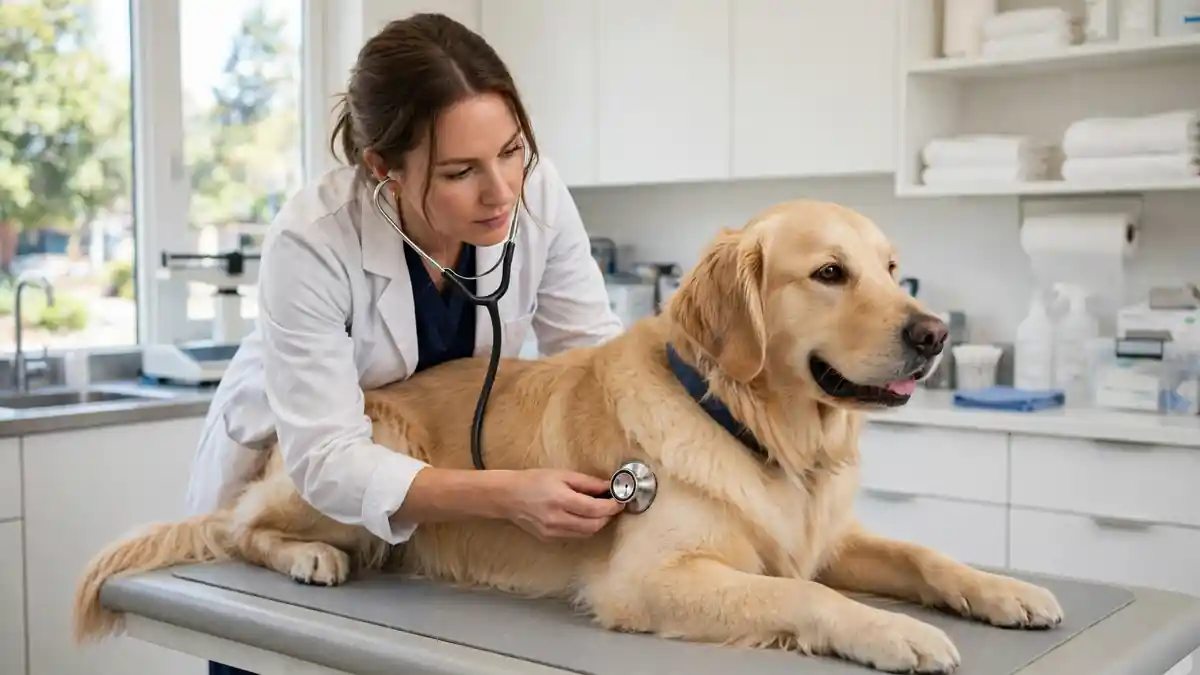
DCM is a disease where the heart walls thin, the chambers widen, and each beat pushes less blood around the body. The PetMD guide to enlarged heart in dogs lists lethargy, coughing, breathing trouble, and fainting among the signs, and notes that the disease can move to heart failure. A vet usually finds it first through a murmur, an irregular rhythm, or an X-ray that shows a large heart shadow.
The strongest taurine evidence comes from a study of golden retrievers with DCM eating commercial diets, where 23 of 24 dogs improved after a diet change and taurine supplements. That result applies to taurine deficient DCM, not to every dog with a large heart. The AKC guide to heart disease in dogs notes that cardiomyopathy is the second most common heart disease in dogs and the most common in some large breeds.
Which dogs face the highest taurine risk?
Golden retrievers, American cocker spaniels, Newfoundlands, and Portuguese water dogs face the highest taurine risk, since research shows some of them make or use taurine poorly. Large and giant breeds also run higher risk, and older dogs tend to hold lower levels. Dogs eating grain free or legume heavy diets need a closer look too.

Golden retrievers sit at the top of the list because study after study finds taurine deficient DCM in the breed, including dogs on ordinary commercial food. American cocker spaniels showed the link even earlier, and vets have treated their DCM with taurine for years. Newfoundlands and Portuguese water dogs carry their own risk, and DCM in general hits large and giant breeds hardest.
Diet adds a second layer of risk on top of breed. In 2018 the FDA began looking into DCM reports in dogs eating foods heavy in peas, lentils, and potatoes, many of them sold as grain free. The AKC summary of the FDA grain free alert reports that more than 90 percent of the foods named in DCM reports were grain free, and 93 percent held peas or lentils. Yet the FDA later said case reports alone do not prove cause, and some affected dogs had normal taurine.
Which foods give dogs the most taurine?
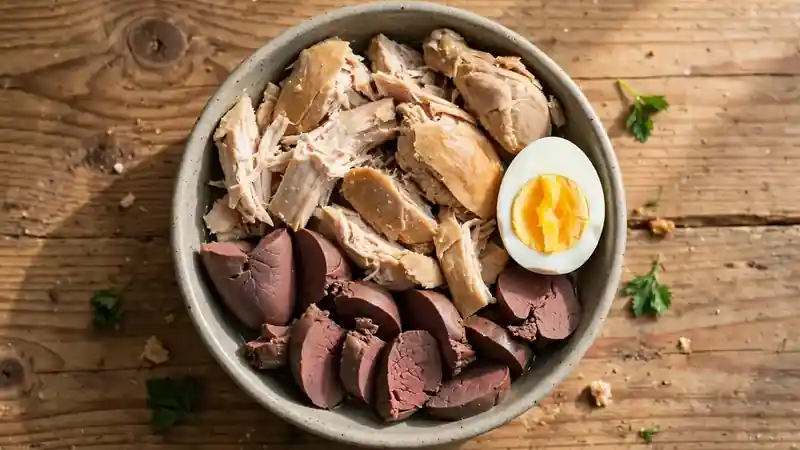
Animal tissues give dogs the most taurine, with dark meat, heart, and other organ meats at the top of the list. Fish, shellfish, beef, pork, turkey, eggs, and cheese also supply taurine or its building blocks. Plants carry little to no taurine, so a meat free diet needs vet and nutritionist guidance.
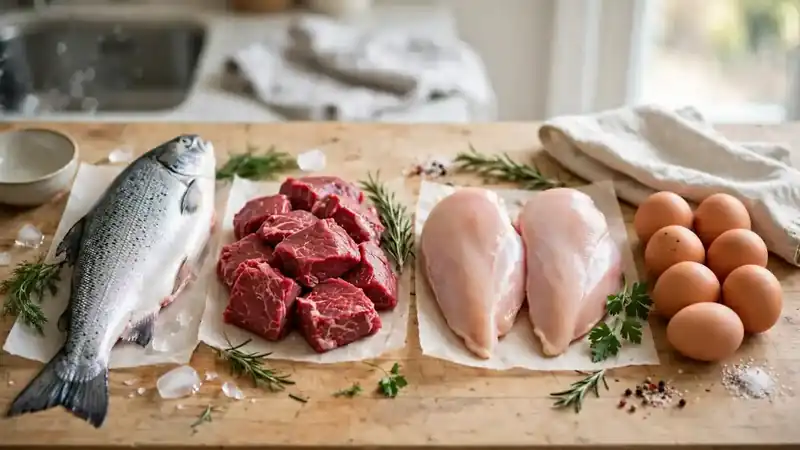
Dark chicken meat beats white meat for taurine, and heart muscle beats both, since the heart stores taurine in large amounts. Sardines and other oily fish bring taurine plus the fats that support the heart, while beef and lamb sit close behind. Eggs and cheese add smaller amounts, and they also bring methionine and cysteine, the building blocks the liver uses to make more taurine.
Cooking changes the math, because taurine dissolves easily in water. Boiling meat and throwing the water away pours taurine down the drain, while roasting, baking, or frying keeps more of it in the meat. Raw feeding keeps taurine too, but it brings its own safety risks, so owners should talk to a vet before going raw. Plant heavy diets face the steepest climb, since peas, lentils, and grains carry almost no taurine. A dog on a homemade or meat free diet needs a nutritionist to check the recipe.
When do vets test taurine levels?
Vets test taurine levels when a dog shows heart disease, eats a grain free or homemade diet, or belongs to a breed prone to deficiency. A blood sample measures taurine in whole blood and plasma, and results guide diet changes and supplements. A vet may also order an echocardiogram to check how the heart pumps.
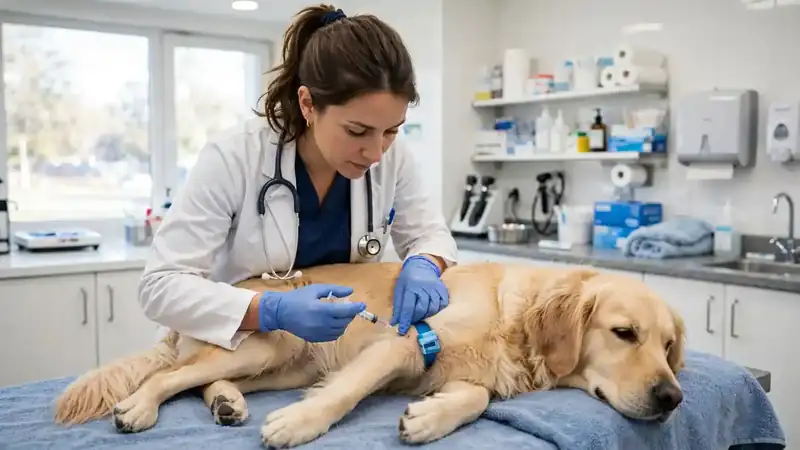
Testing starts with a blood draw, usually sent to a specialist lab such as the one at UC Davis, and results take days rather than minutes. Whole blood taurine shows what the blood cells carry, while plasma taurine shows what floats free, and vets read both together. A low result supports a diet change and a taurine supplement, while a normal result pushes the vet to look for other causes.
An echocardiogram, or heart ultrasound, often matters more than the blood number. It shows the size of each chamber, how strongly the walls squeeze, and whether fluid has built up. A vet repeats the scan after a diet change and supplements to see if the heart shrinks back, and that change in size is the true test of whether taurine helped.
Should you give your dog a taurine supplement?
You should give your dog a taurine supplement only when a vet advises it, after testing or a heart diagnosis points to a shortage. Dogs tolerate taurine well, yet a supplement cannot fix genetic heart disease, and it is no substitute for a balanced diet. A vet sets the dose, the form, and the follow up checks.
PetMD explains that taurine supplements belong in the plan for Newfoundlands and cocker spaniels diagnosed with DCM, while healthy dogs of those breeds usually do not need them. A supplement earns its place when a test or a diagnosis backs it, not when a label promises heart health. Dogs pass extra taurine in urine, so an unneeded dose mostly wastes money.
A vet picks the dose by weight and by how low the levels fell, and usually pairs the supplement with a diet change to a complete food with quality animal protein. Follow up visits check blood taurine and repeat the heart scan, since improvement takes weeks to months, not days. Owners who buy taurine online and dose by guess risk the opposite error: a dog with genetic DCM gets a powder while the real treatment waits.
Frequently asked questions about taurine for dogs
Owners ask the same questions about taurine again and again, so this section gathers the most common ones in one place. You will find answers on testing, food sources, grain free diets, supplements, and safety. Use these answers as a starting point, and ask your vet about your own dog before you change its diet.

Do all dogs need taurine supplements?
No, most dogs do not need taurine supplements. Healthy dogs on a complete diet with quality animal protein make enough taurine on their own. Supplements help dogs with a proven shortage or taurine deficient DCM, and dogs in high risk breeds may be tested first.
Can taurine reverse DCM in dogs?
Taurine can improve DCM when taurine shortage caused it, and in one golden retriever study 23 of 24 dogs improved after a diet change and supplements. It cannot reverse genetic DCM, which needs heart medicine and regular cardiology care.
Is grain free food bad for taurine levels?
Grain free food is not bad by itself, and the FDA has not proven that it causes DCM. The concern is with diets heavy in peas, lentils, and potatoes, which may drain taurine in some dogs. If your dog eats a grain free diet, ask your vet about taurine testing and a heart listen.
How much taurine does a dog need per day?
There is no single daily taurine number for dogs, since needs vary by size, breed, age, and diet. Vets set supplement doses by weight after testing, and complete dog foods are built to supply the building blocks. Your vet can work out the right amount for your dog.
Can I test my dog's taurine at home?
No, there is no home test for taurine in dogs. Testing needs a blood sample sent to a specialist lab, and a vet reads the result beside a heart exam. If your dog eats a homemade or grain free diet, or belongs to an at risk breed, book a vet visit and ask about testing.
Is too much taurine dangerous for dogs?
Taurine has a wide safety margin, and healthy dogs pass extra taurine in urine, so an overdose is unlikely from food or a normal supplement dose. Dogs with kidney disease clear taurine poorly, and a big dose can hide a real problem while the heart waits for care. Use the dose your vet sets.
Taurine holds the heart steady day after day. Most dogs make enough on their own, and a good diet with real animal protein keeps the supply topped up. The dogs that need help are the ones with slow enzymes, heavy legume diets, or a heart that already shows strain, and those dogs do best when a vet tests first and treats second. Feed well, watch for tiredness and coughing, and let a blood test and a heart scan settle the question. Simple foods such as chicken, salmon skin, and sweet potatoes already bring taurine and its building blocks to the bowl, and our guide to the best dog food for small dogs can help you pick a complete food that fits your dog.