Zyrtec for Dogs: Is It Safe and When Vets Use It

Zyrtec for dogs means plain cetirizine, used off label under vet direction for itching, hives, and insect bite reactions. It is not approved for dogs, and the dose must come from your vet for your dog’s weight and health. Never give Zyrtec-D, since the decongestant in it can poison a dog.
Zyrtec sits in many bathroom cabinets, so owners reach for it when a dog starts scratching. That easy access hides real risk. The wrong product on the shelf looks almost identical to the safe one, and the safe one still needs a vet to judge whether it fits the dog in front of you. This guide explains what cetirizine does, which dogs it suits, what to watch for, and which products to keep far from your dog.
What is Zyrtec for dogs used for?
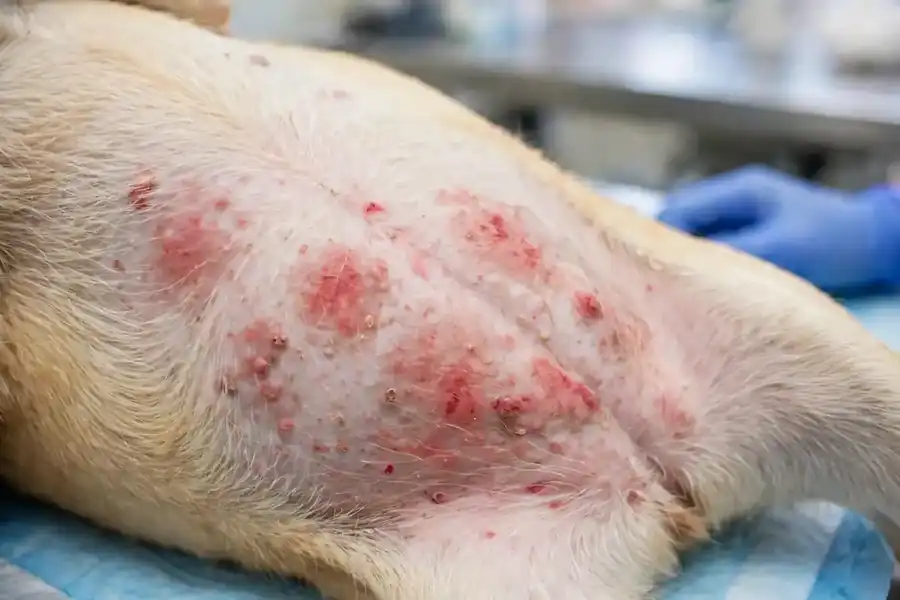
Zyrtec for dogs is used for itching linked to skin allergies, hives, and insect bite reactions, plus some respiratory allergy signs. Vets choose it for mild, seasonal itch and for short flare ups. It does not cure the allergy, and it does not suit every itchy dog.

The drug works best when histamine drives the itch. Hives after a bee sting, a sudden red rash, and mild seasonal scratching all fit that picture. Chronic atopic dermatitis is a harder case, since many chemicals beyond histamine drive the itch there. Vets often pair cetirizine with other treatments for those dogs, or move to a prescription drug that targets the itch signal directly.
Owners sometimes give Zyrtec for sneezing or watery eyes too. The VCA cetirizine page notes respiratory allergy signs among its uses, yet the main veterinary use stays skin related. Ask your vet before using it for any new sign, since a cough or sneeze can come from infection rather than allergy.
How does cetirizine work in a dog?
Cetirizine works in a dog by blocking histamine receptors, so the histamine released during an allergic reaction cannot trigger itching and swelling. Histamine is the chemical the immune system releases when it meets an allergen such as pollen, dust mites, or an insect bite. Blocking its receptor calms the signal at the skin.
Cetirizine belongs to the second generation of antihistamines. It crosses into the brain far less than older drugs such as diphenhydramine, so it causes less drowsiness in most dogs. That difference is one reason vets pick it for daytime use, when a sleepy dog is a problem. The drug still reaches the skin receptors well, which is where the itch lives.
The effect builds over hours rather than minutes. A dog with hives may look calmer the same day, while a dog with seasonal itch may need several days of regular dosing before the owner sees a clear change. The drug leaves the body through the kidneys, which is why kidney health shapes how a vet uses it. The PetMD cetirizine page explains the receptor blocking action and the extra label status in plain terms.
Is Zyrtec safe for dogs?
Zyrtec is safe for many dogs when a vet directs its use, the product is plain cetirizine, and the dog has no health problem that rules it out. Most healthy adult dogs tolerate it well, with mild side effects at most. Safety rests on those three points together, not on the drug alone.

The product choice is where most mistakes happen. Plain cetirizine lists one active ingredient. Combination products add a decongestant, a painkiller, or a sweetener, and those extras can harm a dog. Read the active ingredients panel every time, even on a brand you bought before, since makers change formulas. If the box lists anything beyond cetirizine, put it back.
The vet visit matters because the vet checks the whole dog. Kidney disease, liver disease, pregnancy, and other medicines all change the decision. A dog that takes a sedative or another drug that affects the brain may grow too drowsy on cetirizine. Puppies need a vet decision too, since young dogs clear drugs differently from adults.
What should you check on the box before giving Zyrtec?
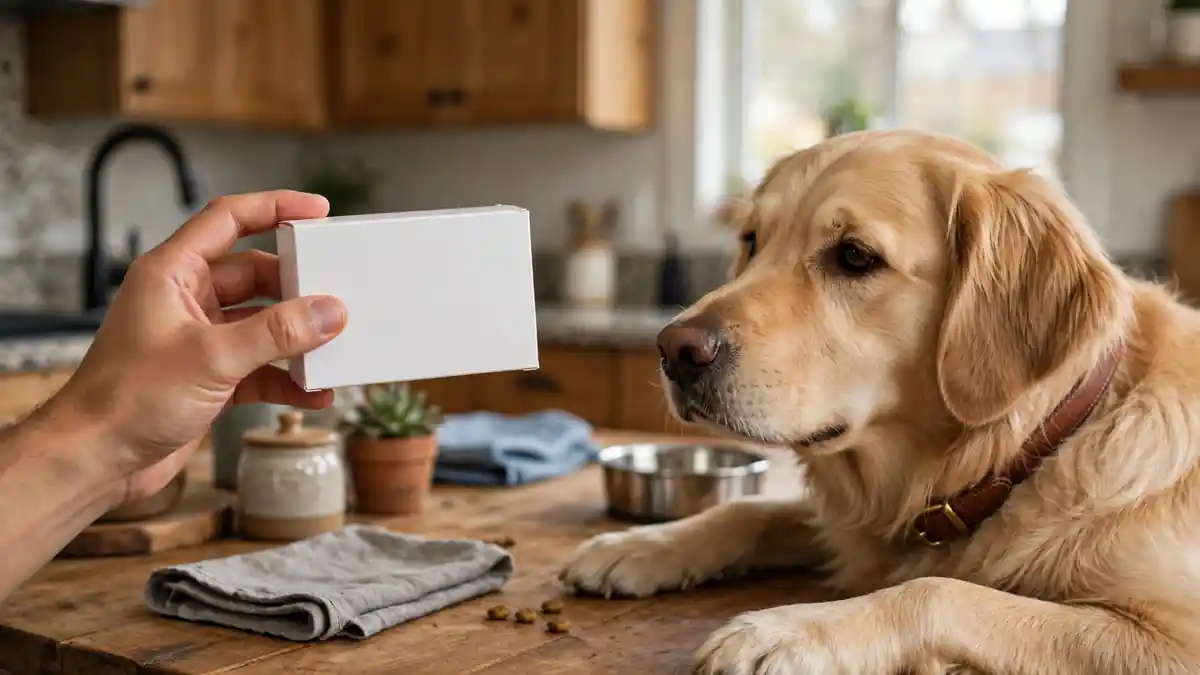
You should check the box for one active ingredient only, cetirizine, and for no decongestant, no extra painkiller, and no xylitol before giving Zyrtec to a dog. The words Zyrtec-D, plus, or sinus on the pack mean the product is not the plain one. Check the label even when a family member already opened the box.
Zyrtec-D is the danger most owners miss. It pairs cetirizine with pseudoephedrine, a decongestant that is highly toxic to dogs. It can raise heart rate and blood pressure, cause agitation and tremors, and lead to seizures or death. A single tablet can harm a small dog. The VCA cetirizine handout states plainly that the cetirizine plus pseudoephedrine product must not be used in dogs or cats.
Xylitol hides in some liquid and fast dissolving products. It is a sweetener that is safe for people and toxic for dogs, and it can drop blood sugar and damage the liver. PetMD warns that some Zyrtec products may contain xylitol, so liquids and melt away tablets need extra care. Plain swallow tablets are the simplest form to verify, and your vet can confirm the product you hold.
What are the side effects of Zyrtec in dogs?
The side effects of Zyrtec in dogs are usually mild, and drowsiness tops the list, followed by dry mouth, drooling, and mild stomach upset. Most dogs show nothing at all, and the effects that do appear often fade as the body adjusts. Vomiting, soft stools, or a smaller appetite can appear in the first days.

Drowsiness deserves a closer look. Cetirizine causes less sleepiness than older antihistamines, yet some dogs still grow quiet and nap more than usual. That effect is stronger when the dog also takes a sedative, a painkiller, or another drug that slows the brain. Watch the first few days, and tell the vet if the dog seems hard to wake or unsteady on its feet.
Rare effects need a fast call. Trouble breathing, swelling of the face or tongue, collapse, tremors, or extreme agitation after a dose are not mild effects, and the dog needs a vet at once. Trouble passing urine can appear in older male dogs with prostate trouble. If vomiting or diarrhea lasts more than a day, stop and call the vet for advice before the next dose. If stomach upset keeps returning, your vet may suggest a stomach acid reducer, and our page on famotidine for dogs explains how that drug works.
Which dogs should not take Zyrtec?
Dogs that should not take Zyrtec include dogs allergic to cetirizine or hydroxyzine, dogs with severe kidney disease, and dogs that already take drugs that clash with it, unless a vet judges the benefit worth the risk. Pregnant or nursing dogs need a vet decision too, since safety data for those dogs is thin.

Kidney disease matters because the kidneys clear cetirizine from the body. When kidneys work poorly, the drug can build up and the side effects can grow stronger. A vet who knows the bloodwork can adjust the plan or pick a different drug. Older dogs often carry hidden kidney trouble, which is one more reason an older dog deserves bloodwork before starting a new medicine.
Allergy to the drug itself is rare but real. A dog that reacted to cetirizine or to hydroxyzine, a close relative in the same drug family, should not take it again. Tell the vet about every past drug reaction, even a mild one. Dogs with urinary retention or prostate enlargement also need care, since antihistamines can make passing urine harder. Our page on Benadryl for dogs covers the older antihistamine many vets compare with cetirizine.
How long does Zyrtec take to work in dogs?
Zyrtec takes hours to start working in dogs, and the full effect on itching often shows over a few days of regular use. A dog with hives may look better the same day, while a dog with seasonal allergy may need a week before the owner can judge the result. The drug works best as a steady daily treatment.

Timing shapes expectations. An owner who gives one tablet during a bad flare and sees no change by evening may call the drug a failure too soon. Antihistamines block new histamine signals, yet they do little against an itch that is already raging through other pathways. That limit is why vets set a trial period, often a week or two, before deciding whether the drug helps.
Missed doses break the steady level the drug needs. Give it at the same time each day, with or without food as your vet directs, and use a pill pocket or a small treat if the dog spits tablets out. If a dose is missed, ask the vet whether to give it late or wait for the next one. Never double up to catch up without vet advice.
Zyrtec versus Benadryl for dogs: how do they differ?
Zyrtec versus Benadryl for dogs comes down to duration and drowsiness, since cetirizine lasts about a day with less sleepiness, while diphenhydramine lasts hours and often makes dogs drowsy. Both block histamine, yet vets pick between them based on the dog, the itch, and the time of day. Neither drug cures an allergy.

Diphenhydramine, sold as Benadryl, is the older drug. It works fast, which suits a sudden hive outbreak or a sting, but it wears off in hours and often leaves the dog sleepy. Some vets use that sleepiness on purpose, for a dog that needs rest after a reaction. The VCA diphenhydramine page covers its uses and its sedative effect in detail. Our page on Benadryl dosage for dogs explains how vets approach dosing for the older drug.
Cetirizine suits a dog that needs steady daytime cover without much drowsiness. It also suits a dog that hates frequent pilling, since one dose a day is easier to keep up than three. The choice is not about which drug is stronger in general, since the evidence in dogs is thin for both. The AKC dog allergies guide stresses that the vet matches the treatment to the allergy type, and our page on Apoquel for dogs covers the prescription option vets turn to when antihistamines fall short.
What to do if your dog gets the wrong Zyrtec product
If your dog gets the wrong Zyrtec product, call your vet or an animal poison line and bring the box with you, since the extra ingredient guides treatment. Do not wait for signs, and do not try to make the dog vomit at home unless the vet or poison line tells you to. Time matters most with pseudoephedrine.

Tell the vet the product name, the amount the dog took, the dog weight, and the time of the dose. The vet may ask you to come in at once for monitoring, blood pressure checks, and treatment to control heart rate and agitation. A dog that took a xylitol product needs blood sugar checks, since xylitol can drop blood sugar fast and harm the liver later.
Keep the box, the receipt, and any chewed packaging. Vets and poison lines work from the exact ingredient list, and a guess wastes time. Save the poison line number in your phone now, before an emergency: the ASPCA Animal Poison Control Center runs around the clock. Prevention beats treatment here, so store human medicines in a closed cabinet and never leave a pill box on a low table.
Frequently asked questions about zyrtec for dogs
Owners ask the same questions about Zyrtec again and again, and the honest answers all point back to the vet. The questions below cover safety, timing, and the products that cause the most trouble, so you can ask your vet from a stronger position.

Can I give my dog Zyrtec without asking a vet?
You should not give your dog Zyrtec without asking a vet first, even though the drug is sold over the counter for people. The vet checks the dog weight, kidney health, other medicines, and the cause of the itch, then sets the dose. A drug that is safe for one dog can be wrong for another, and the itch itself may need a different treatment.
How much Zyrtec should I give my dog?
Ask your vet for the dose for your dog weight and health, since the dose depends on size, kidney function, and other medicines. This guide gives no dose chart on purpose, because a chart cannot see your dog. Your vet will set the amount, the timing, and how long to keep giving it, and will adjust the plan if the itch does not improve.
Is Zyrtec-D safe for dogs?
Zyrtec-D is never safe for dogs, since it contains pseudoephedrine, a decongestant that is toxic to dogs. It can cause a racing heart, high blood pressure, tremors, seizures, and death. If your dog swallows Zyrtec-D, call your vet or a poison line at once, even if the dog looks fine. Bring the box so the vet can see the exact ingredients.
Can puppies take Zyrtec?
Puppies should only take Zyrtec under direct vet direction, since young dogs clear drugs differently and the cause of a puppy itch is often not allergy at all. Fleas, mites, ringworm, and food reactions all make puppies itch, and each needs its own treatment. A vet visit finds the cause instead of masking it with an antihistamine.
Does Zyrtec make dogs sleepy?
Zyrtec can make some dogs sleepy, though it causes less drowsiness than older antihistamines such as Benadryl. Most dogs stay alert on it, yet a few nap more in the first days. The effect grows stronger when the dog also takes a sedative or painkiller. Tell the vet if the sleepiness lasts or the dog seems unsteady.
Can I give Zyrtec every day for my dog allergies?
You can give Zyrtec every day only when your vet directs long term use and keeps checking the dog. Seasonal allergies often need daily treatment through the pollen season, and the vet may pair it with baths, flea control, or a prescription drug. Never keep a dog on any medicine for months without a vet review, since the allergy, the skin, and the kidneys all change over time.
Zyrtec for dogs is a useful tool when it is the right tool, and a risky one when it is the wrong product or the wrong dog. Plain cetirizine, chosen by a vet, can calm hives and mild seasonal itch with few side effects. The combination products on the next shelf can poison a dog, and no dose chart can replace a vet who knows the dog. Check the box, ask the vet for the dose, watch the first days, and call the clinic early when something looks off. That order keeps a simple allergy drug simple.