Hydrolyzed Protein Dog Food: What It Is and When Vets Use It
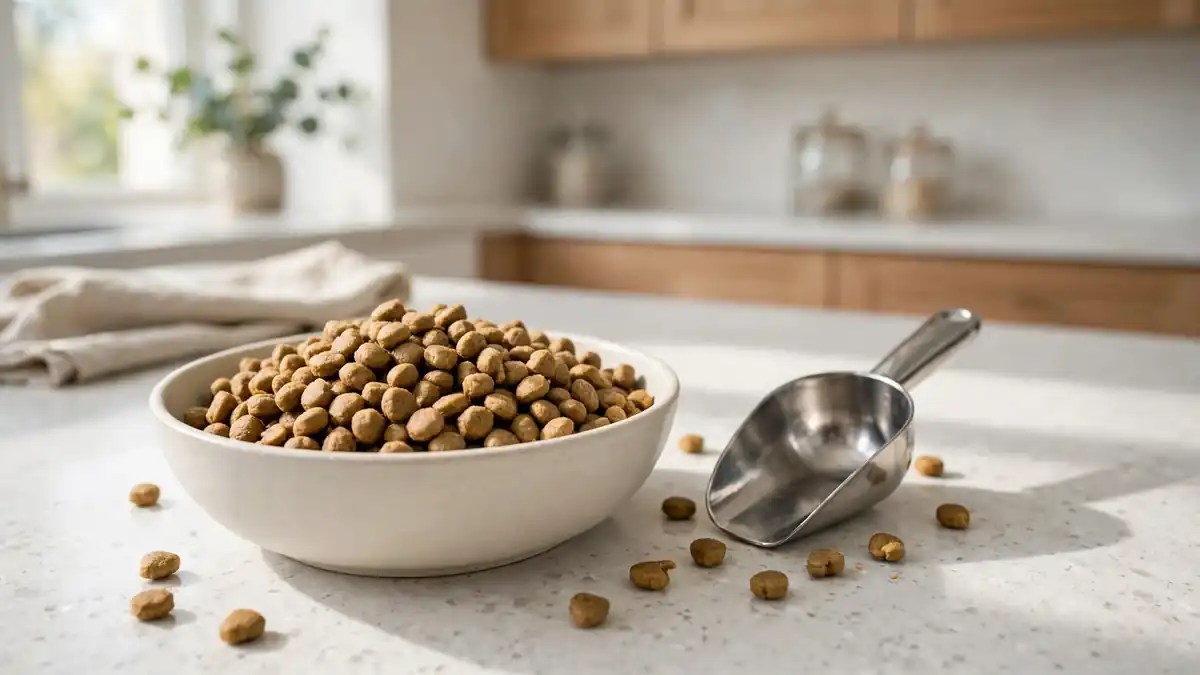
Hydrolyzed protein dog food is a prescription diet that can calm a food allergy because its proteins are cut into pieces too small for the immune system to attack. Vets reach for it when a dog itches, scratches, or has gut trouble that points to food. The diet still gives full nutrition, so a dog can eat it for a full trial and beyond while the vet watches for change.
This guide explains what hydrolysis does, which dogs gain from it, how a food trial runs, and what the diet costs in money and patience. It also covers the switch and the treats that break a trial.
What is hydrolyzed protein dog food?
Hydrolyzed protein dog food is a prescription diet in which the protein has been broken into fragments so small that a dog’s immune system usually fails to spot them. Vets use it for dogs with food allergy, food intolerance, or gut disease. The food stays complete and balanced, so it can feed a dog for months or longer.
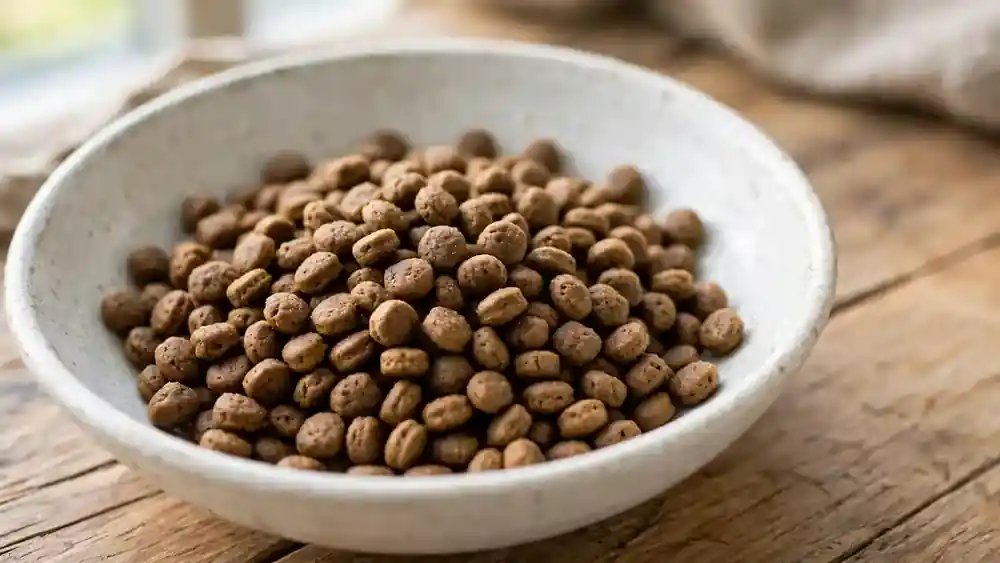
Hydrolysis uses water and enzymes to split long protein chains into short peptides and single amino acids. A normal protein carries shapes the immune system can read. After hydrolysis, those shapes are gone, so the immune system has little to grab. The protein still supplies the amino acids a dog needs.
Most hydrolyzed diets use soy, chicken, or chicken liver as the starting protein, plus one simple carbohydrate such as corn starch or rice. The short ingredient list is part of the point. Fewer inputs mean fewer suspects when a vet hunts for a trigger. Fats, fiber, vitamins, and minerals keep the food complete. The PetMD guide to hydrolyzed protein dog food explains how the process works and why vets pick these diets for allergy cases.
How does hydrolysis stop an allergic reaction?
A food allergy starts when the immune system mistakes a protein shape for a threat and fires off inflammation. Hydrolysis chops that protein into fragments below the size the immune system can read. With no shape to attack, the immune system stays quiet, so itching, ear redness, and gut upset fade while the dog gets the amino acids it needs.
The immune system spots allergens by shape, not by name. Two proteins from different sources can set off the same dog. Breaking the chain erases that shape. This is why a dog that reacts to whole chicken can often eat hydrolyzed chicken without a flare. The source stays the same, but the immune system no longer sees it as chicken. Our chicken safety guide covers how normal chicken affects dogs.
Hydrolysis does not make a food perfect. A few dogs still react, and PetMD records a case where a vet’s own dog flared on a new hydrolyzed formula built from a different protein source. Vets pick the brand and formula, since formulas that break protein smallest carry the lowest risk.
Which dogs need a hydrolyzed protein diet?
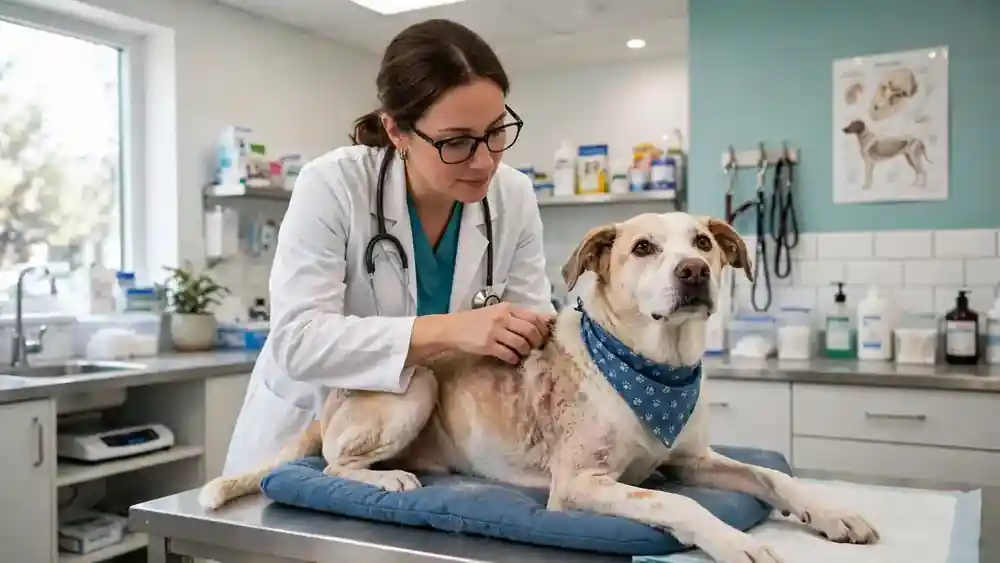
Vets prescribe hydrolyzed protein dog food for dogs with food allergy, itch, ear infections, or gut disease such as inflammatory bowel disease. It also suits dogs that failed a limited ingredient diet or a novel protein diet. A vet may use it when the trigger is unknown and a clean test diet is the fastest way to find out.

Skin signs point to food more often than owners expect. A dog that licks its paws, scratches its ears, or breaks out in hot spots may be reacting to a protein in its bowl. Ear infections that return soon after treatment are another clue.
Gut signs matter just as much. Dogs with chronic soft stool, vomiting, or weight loss tied to gut inflammation may improve on a hydrolyzed diet because the tiny protein pieces are easy to digest. The AKC guide to food allergies in dogs lists the common signs and explains how food allergy differs from a simple intolerance. Dogs with kidney trouble need a separate vet talk, and our kidney disease guide covers how protein plans change.
How does a food elimination trial work?
A food elimination trial feeds the dog only the hydrolyzed diet for 8 to 12 weeks, with no other food, treats, table scraps, or flavored medicine. The vet then checks whether the itch or gut trouble fades. If signs improve, the old food returns for a short challenge to confirm that food was the cause.
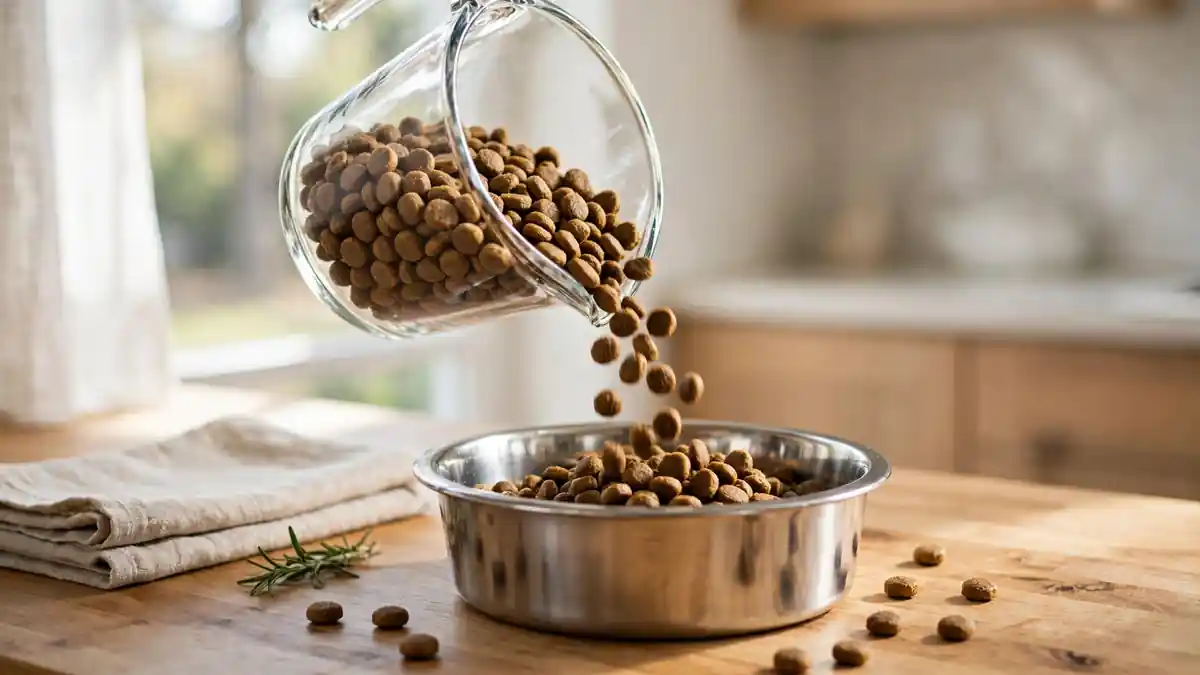
The strict part is the whole point. One biscuit, one flavored chew, or one stolen bite can restart the reaction and waste weeks of work. Vets ask owners to feed the dog apart from other pets and to use only treats made from the same hydrolyzed formula. Flavored heartworm chews and some medicines also need a swap to an unflavored form during the trial.
The challenge phase is what most owners never hear about. After the trial, the vet asks the owner to feed the old diet again and watch for a flare within days. If signs return, food allergy is confirmed. The VCA guide to elimination diet trials walks through both phases and explains why the diet must run for at least eight weeks.
What do hydrolyzed protein diets contain?
Hydrolyzed protein diets contain one hydrolyzed protein source, one simple carbohydrate, added fats, fiber, vitamins, and minerals. Common protein sources are hydrolyzed soy, hydrolyzed chicken, or hydrolyzed chicken liver. Common carbohydrates are corn starch, rice, or potato. The label stays short on purpose.
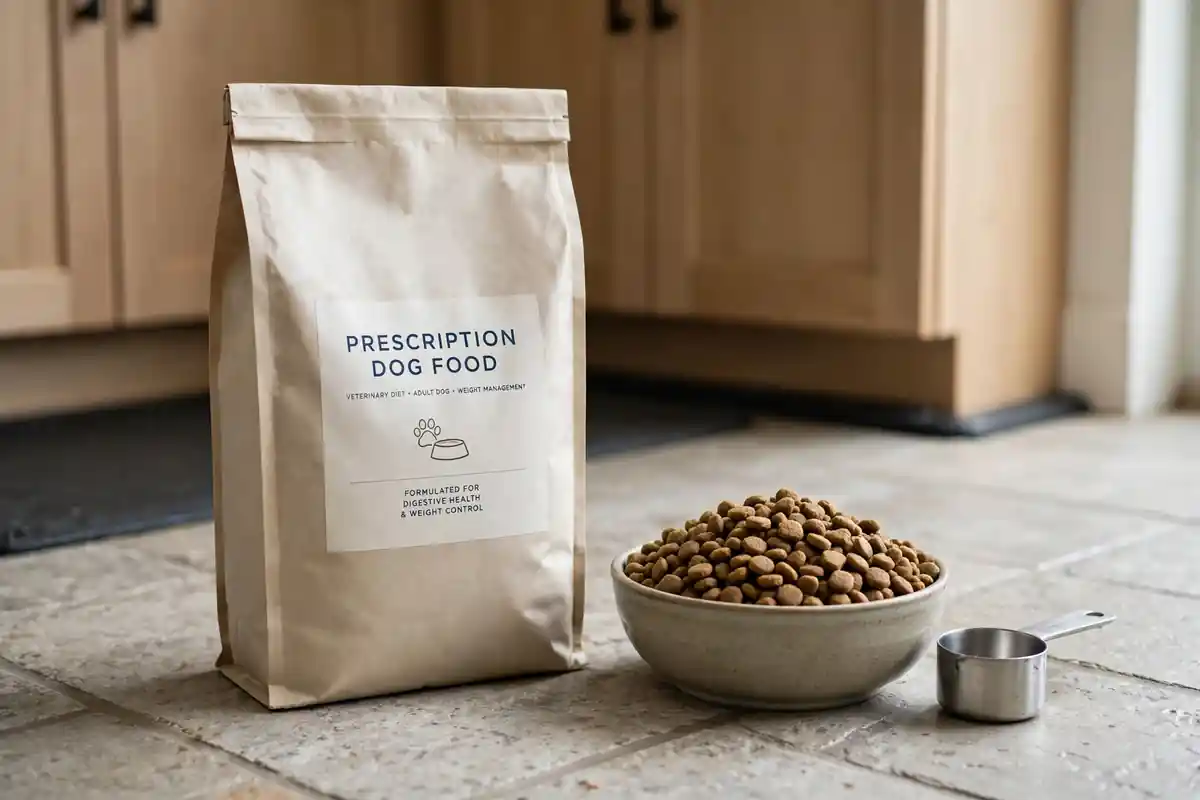
The fat blend usually mixes vegetable oils with fish oil. Fiber comes from cellulose or beet pulp in small amounts to keep stools firm without adding new protein. Vitamins and minerals fill the gaps so the food meets full nutrition standards for adult dogs.
Some formulas add extras for skin or gut support. Fish oil brings omega fats that help the skin barrier. Prebiotic fiber feeds gut bacteria that support digestion. Owners should not add extras such as bone broth during a trial, since even a plain topper can carry a protein that breaks the test.
How do you switch a dog to hydrolyzed protein food?
Switch a dog to hydrolyzed protein dog food over 7 to 10 days by mixing a small share of the new food into the old food and raising the share each day. A slow switch limits stomach upset. The vet sets the pace, and the trial clock starts only once the old food is fully gone.
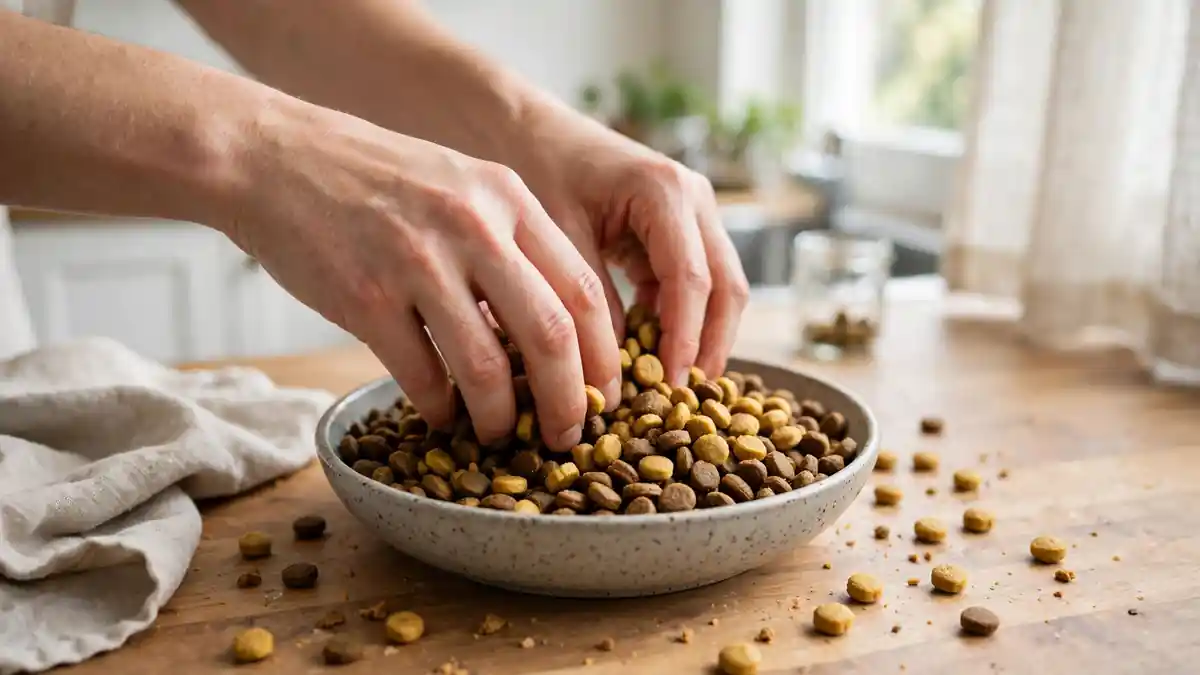
Start with one part new food to three parts old food for two or three days, then move to half and half, then three parts new to one part old, then all new. Watch the stool at each step. If loose stool or vomiting shows up, hold at the current mix for an extra day or two before moving on. Soaking the kibble in warm water can help a dog that refuses the new food.
The first week is the hardest. Hydrolyzed diets taste plain, and some dogs turn away from the bowl. Do not mix in eggs, sweet potatoes, or rice to tempt the dog, because any extra food breaks the trial. If the dog skips meals for more than a day, call the vet instead of adding a topper.
What are the downsides of hydrolyzed protein dog food?
The main downsides of hydrolyzed protein dog food are cost, plain taste, and limited choice. A bag often costs far more than normal kibble, some dogs refuse it at first, and only a few flavors and textures exist. Most owners accept these trade offs because the diet can end months of itch and vet visits.
Cost is the complaint owners raise first. Hydrolyzed diets need strict factory controls to keep stray proteins out, and that control raises the price. A large dog can go through an expensive bag in two weeks.
Taste and choice run close behind. Hydrolyzed kibble smells and tastes mild, and dogs that love rich food may eat less at first. The range is narrow, with only a handful of formulas per brand, so a dog that dislikes one formula has few options. Side effects stay rare and mostly mean mild stomach upset from a fast switch, which a slower transition usually fixes.
Hydrolyzed protein dog food versus limited ingredient dog food
Hydrolyzed protein dog food breaks the protein into pieces the immune system cannot read, while limited ingredient dog food only cuts the number of whole proteins in the recipe. Hydrolyzed diets suit confirmed or stubborn allergy cases and need a prescription. Limited ingredient diets suit milder cases and sell over the counter.

A limited ingredient diet still feeds whole protein, so if the dog reacts to that one protein, the diet fails and the guess was wrong. A hydrolyzed diet removes the guess. The protein is broken down before it reaches the bowl, so the immune system has far less to react to. That is why vets call hydrolyzed diets the gold standard for food trials, even though they cost more and need a prescription.
The choice often follows a ladder. A vet may start with a limited ingredient diet for mild signs, then move to a hydrolyzed diet when signs persist or when the trial must give a clear answer. Dogs that improve may later move back to a limited ingredient diet built around a safe protein. The PetMD guide to food for dogs with allergies compares both paths and explains why prescription diets beat over the counter options for a true diagnosis.
How long does a dog stay on hydrolyzed protein food?
A dog stays on hydrolyzed protein dog food for at least the 8 to 12 week trial, and many dogs stay on it for life. Dogs with a confirmed food allergy often keep the diet as their daily food. Dogs that pass the challenge phase may move to a simpler diet built around proteins the trial proved safe.
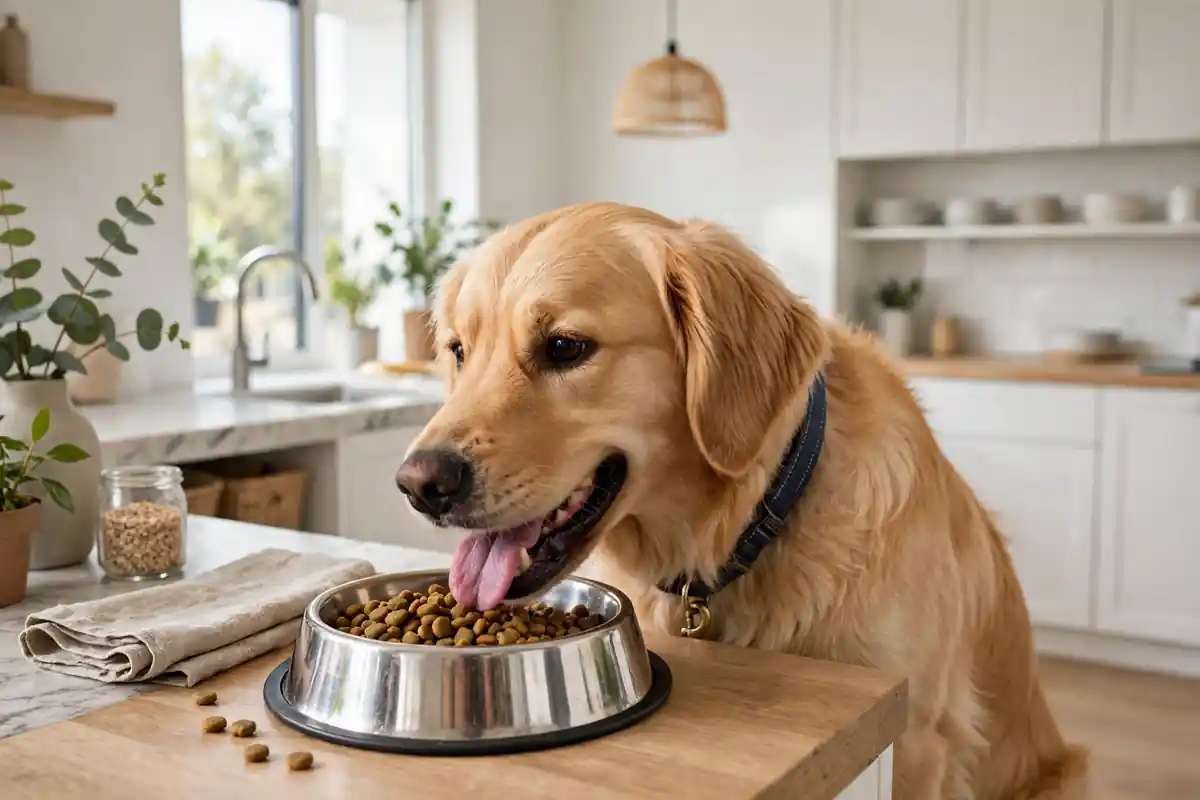
The trial length is not a guess. Skin takes weeks to calm because the immune system needs time to settle and the skin barrier needs time to heal. Small gains often show by week five. Stopping early is the most common reason a trial fails, since the vet cannot tell whether the diet works or the dog simply needed more time.
Long term feeding is safe for most dogs because these diets are complete and balanced. The vet will still want a check every six months to weigh the dog, look at skin and coat, and confirm the diet still fits. Others keep the hydrolyzed diet for life and do well on it.
Frequently asked questions about hydrolyzed protein dog food for dogs
Owners ask the same questions when a vet first mentions this diet. The answers below cover the prescription, the trial, the cost, and the daily rules that keep the test honest. Read them before the first bag, since a few small mistakes can waste weeks of work and force the trial to start over.
Do I need a prescription for hydrolyzed protein dog food?
Yes. Hydrolyzed protein dog food is a veterinary therapeutic diet, so you need a vet authorization to buy it. The vet first checks the dog, rules out other causes of itch or gut trouble, and picks the formula that fits the dog’s age, weight, and health. A vet check every six months is the usual advice while the dog stays on the diet.
Can puppies eat hydrolyzed protein dog food?
Most hydrolyzed diets are made for adult dogs, so puppies need a vet decision before starting one. One maker, Royal Canin, makes a hydrolyzed formula that suits puppies, but the vet must still pick it and set the amount. Puppies grow fast, so never put one on a therapeutic diet without a vet plan. If a puppy shows allergy signs, the vet may run a shorter trial or pick a different test diet.
How long before hydrolyzed protein dog food helps itching?
Many owners see less scratching by week four or five, but the full trial runs 8 to 12 weeks. Skin heals slowly, and the immune system needs time to quiet down. If nothing changes by week eight, the vet may switch formulas or look for a cause outside food, such as dust mites or pollen.
Can my dog eat treats on a hydrolyzed protein diet?
No, not normal treats. Any treat, chew, or table scrap can carry a protein that breaks the trial. Use only treats made from the same hydrolyzed formula, such as the matching hypoallergenic treats sold for these diets. Flavored medicines need a swap to unflavored forms too, so ask the vet before the trial starts.
Is hydrolyzed protein dog food safe for long term feeding?
Yes, for most dogs. These diets are complete and balanced, so they meet daily nutrition needs over months and years. The vet will still want regular checks to track weight, coat, and stool. Dogs with high energy needs may need a different formula. Never change the diet without a vet plan, since a switch can bring the allergy back.
What if my dog refuses to eat hydrolyzed protein food?
Try the wet version of the same formula, or warm the kibble with a little hot water and let it cool before serving. Do not add toppers or mix in old food once the trial has started. If the dog still refuses for more than a day, call the vet. The vet may try a different hydrolyzed formula with another protein base.
A hydrolyzed protein diet is a test and a treatment in one bowl. It asks for strict feeding, no treats, and weeks of patience, but it gives the clearest answer a food allergy case can get. Work with the vet and keep the trial clean.