Can Dogs Eat Peaches? Safety, Pits, and Serving Guide

Yes, dogs can eat peaches when the fruit is fresh, ripe, and cut away from the pit. A few small cubes of peach flesh make a sweet occasional treat for most adult dogs, and the American Kennel Club lists peaches among the fruits dogs can eat in small amounts. The flesh brings fiber, vitamin A, and water. The pit, stem, and leaves stay out of the bowl every time, since they carry cyanide compounds and can block the gut.
This guide walks through the parts that change the answer: which parts are safe, how much fits your dog’s size, how to wash and cut the fruit, and what to do if your dog swallows a pit. A little care keeps the treat safe.
Can dogs eat peaches?
Yes, dogs can eat peaches when the fruit is fresh, ripe, washed, and cut away from the pit. The flesh is safe in small amounts for most adult dogs. Never serve the pit, stem, or leaves, since those parts carry cyanide compounds and can block the gut. Keep peach as an occasional treat, and keep portions small.
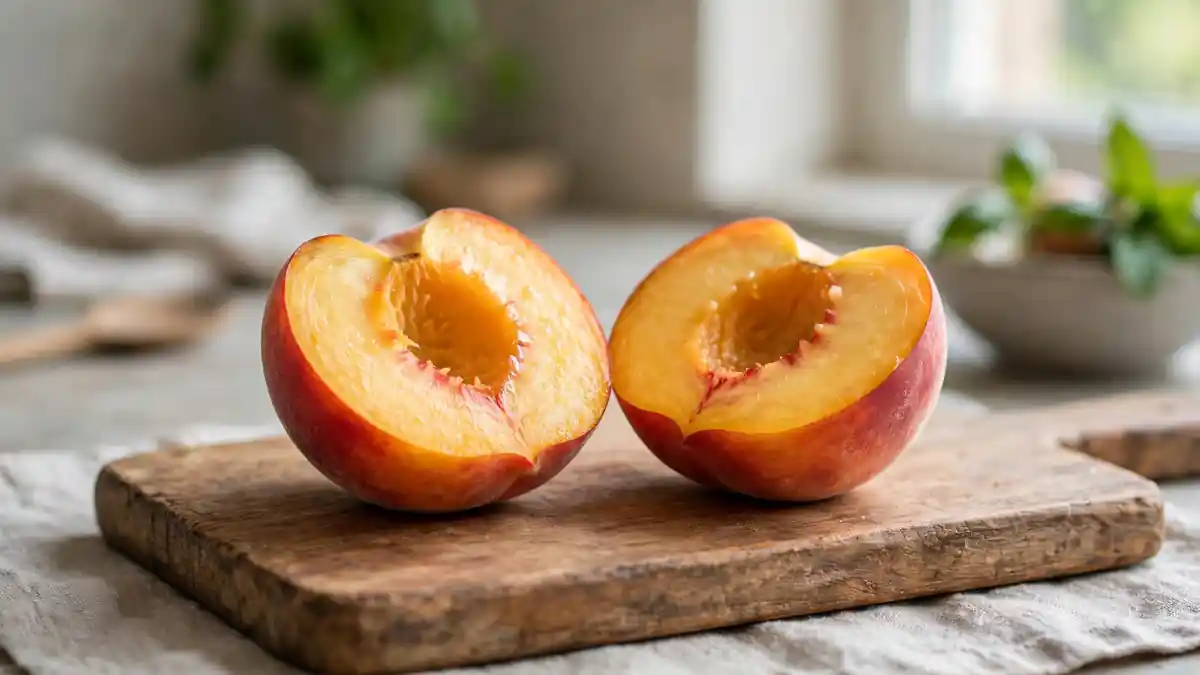
The AKC peaches guide says dogs can eat peaches in moderation, with the stem and pit removed, and it warns that canned or dried peaches often carry extra sugar. Fresh flesh is the only form worth sharing. A ripe peach smells sweet, gives a little when pressed, and cuts cleanly from the stone.
The ASPCA lists the peach tree as toxic because its stems, leaves, and seeds hold cyanogenic glycosides, as the ASPCA peach plant page shows. That listing confuses owners, since it covers the plant parts, not the ripe flesh people eat. A dog that eats a few cubes of flesh faces none of that risk, while a dog that chews a pit or eats leaves faces a real one.
What nutrients do peaches offer dogs?
Peaches offer dogs fiber, vitamin A, vitamin C, potassium, and water in few calories. A medium peach holds about 59 calories, and most of that comes from natural sugar and water. The flesh also carries antioxidants that support skin and immune health. These nutrients add variety to a diet, since a complete dog food already covers them.
Fiber helps the gut move food along, and vitamin A supports vision, skin, and coat health. Vitamin C plays a role in immune function, though dogs make their own vitamin C, so a few cubes add only a small bonus. Potassium supports muscle and nerve function. Water makes up most of a peach, so a few cubes add hydration on a warm day without much energy.
The catch is sugar. Peaches carry a fair amount of natural sugar, which is why the portion stays small and why dogs with extra weight or diabetes need a vet check before any peach. The serving is so small that no dog should count on peach for nutrition. Treat it as a pleasant extra, not a health food.
Why is the peach pit so dangerous?
The peach pit is dangerous in two ways, and each needs its own warning. The hard stone can lodge in the throat or gut and block the passage of food, and the kernel inside holds amygdalin, a compound that releases cyanide when chewed. A pit swallowed whole mainly threatens blockage, while a pit cracked open adds a poisoning risk.
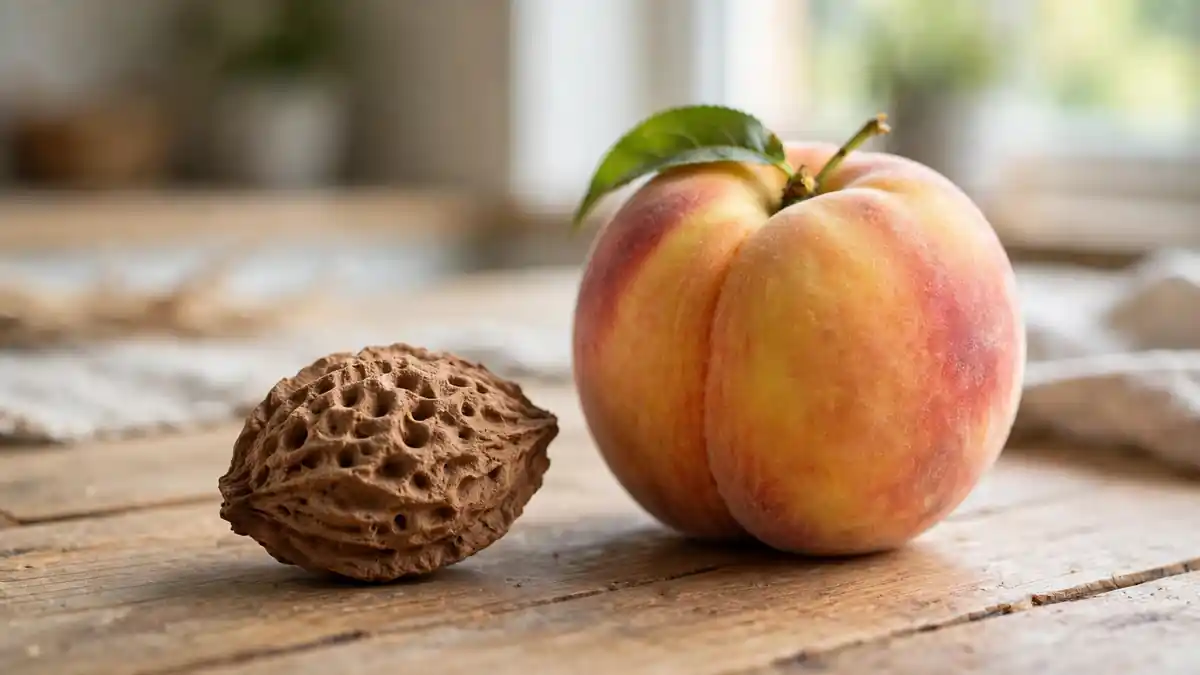
Size decides how bad the blockage risk gets. A pit is about the size of a walnut, with a rough surface that grips the gut wall, much like a cherry pit. Small dogs face the highest risk, since a pit can block a narrow intestine with ease, and a large dog can still choke on one or crack a tooth trying to bite it. Vets treat a swallowed pit as a same day call, even when the dog looks fine at first, because a blockage can take hours to show signs.
Cyanide works by blocking cells from using oxygen. The ASPCA notes that wilting leaves carry extra risk, since cyanide compounds grow more concentrated as leaves die. A dog would need to chew several pits open to release much cyanide, yet no owner should test that limit. Throw pits straight into a lidded bin, and keep fallen fruit and pruned branches out of the yard.
How much peach can a dog eat?
A small dog under 20 pounds can have one or two small cubes, a medium dog of 20 to 50 pounds can have three to five cubes, and a large dog over 50 pounds can have up to half a peach. Offer peach once or twice a week at most, inside the 10 percent treat rule.

The 10 percent rule frames every portion here. Treats of all kinds, including fruit, should stay under a tenth of daily calories, and the rest should come from a complete dog food. A toy breed that eats half a peach has blown past that limit, while a large dog that eats the same half has room to spare.
Start below the amounts above on the first try. Offer one cube, wait a day, and watch the stool, appetite, and energy. Loose stool or extra gas means the gut was not ready. Dogs that handle one cube well can move up to the full amount for their size. Dogs with diabetes, extra weight, or a sensitive gut should skip peach until a vet weighs in.
How do you prepare peaches for dogs?
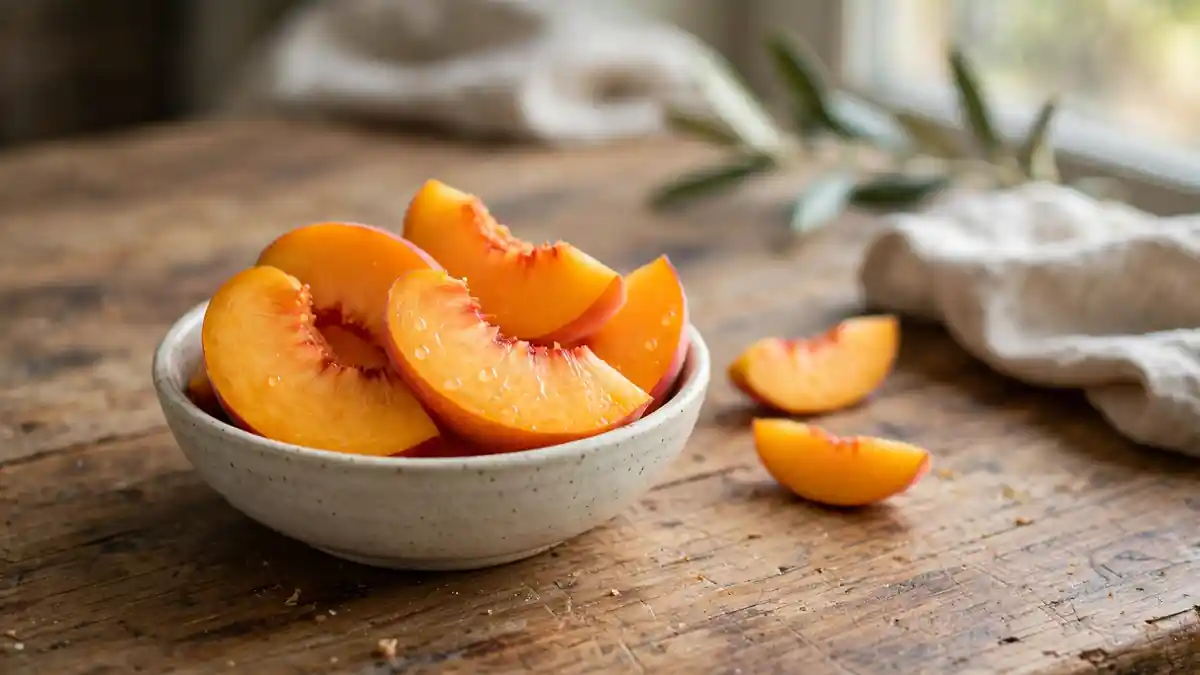
Wash the peach under running water, cut the flesh away from the pit, throw the pit in a lidded bin, and cut the flesh into small cubes. Remove the stem and any leaves before cutting. Serve the cubes plain, with no sugar, cream, or topping.
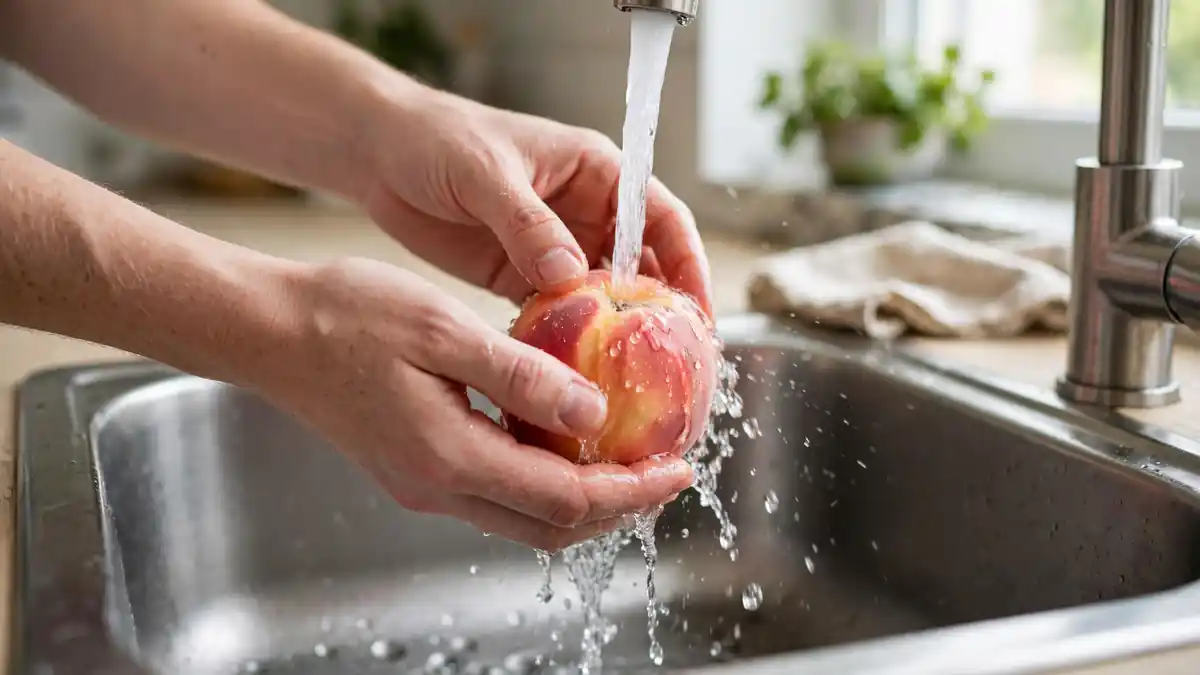
Washing matters because peach skin can carry dirt and spray residue. The skin itself is safe once washed, and peeling is a choice rather than a need. Cut around the stone rather than through it, since a knife that hits the pit can slip. Slice the flesh off in slabs, then dice into cubes no wider than a thumbnail for a large dog and no wider than a pea for a small dog.
Fresh is the only form that works without a second thought. Frozen peach slices are fine too, since they are just fresh peach that was frozen. Let frozen pieces soften a little before serving, so a hard chunk does not crack a tooth. Dried and canned forms fail the test, as the next two sections explain.
Can dogs eat canned peaches?
Dogs should not eat canned peaches, even when the label says the fruit sits in natural juice. Canned peaches carry far more sugar than fresh peach, and many cans add preservatives and sweeteners that a dog does not need. The pit is gone, yet the sugar load makes the can a poor trade.

Syrup is the main problem. Peaches packed in heavy syrup swim in added sugar, and a few spoonfuls can upset a small dog’s stomach and push blood sugar up fast. Peaches packed in juice look better on the label, yet the juice still concentrates sugar well above fresh fruit. Some cans also use artificial sweeteners, and a sugar free can that lists xylitol is an emergency, since xylitol drops a dog’s blood sugar fast.
The AKC guide to fruits and vegetables dogs can and cannot eat tells owners to skip canned peaches and pick fresh or frozen instead. A can also hides the fruit’s state, so an owner cannot tell if the peach was ripe or sound. Fresh peach carries none of the extras.
Can dogs eat dried peaches or peach desserts?
Dogs should not eat dried peaches, peach cobbler, peach pie, peach jam, or peach yogurt. Drying pulls the water out and leaves the sugar behind, so a small handful of dried peach carries far more sugar than the same weight of fresh fruit. Desserts add butter, sugar, flour, and often spices that dogs should not eat.

A single dried peach slice can hold as much sugar as several fresh cubes, and dogs that eat dried fruit often get loose stool from the concentrated sugar and fiber. Store bought dried peaches may also carry sulfites, and sweetened dried peach sold as candy is worse still. Peach jam and jelly are nearly all sugar, and a sugar free version may hide xylitol.
Peach cobbler and pie add fat from butter and pastry, plus sugar and sometimes cinnamon or nutmeg in amounts a dog should not eat. Peach yogurt sounds light, yet most flavored yogurts carry added sugar and sometimes xylitol. Keep the fresh fruit and leave the dessert on the human plate.
Which dogs should skip peaches?
Dogs with diabetes, extra weight, pancreatitis, a sensitive gut, or a history of intestinal blockage should skip peaches or eat them only with a vet’s approval. Puppies under six months and dogs on a prescription diet also need a vet check first, since their diets are set for a reason.

Sugar is the reason for most of these limits. A dog with diabetes handles sugar poorly, and even natural fruit sugar can push blood glucose up. A dog that carries extra weight gains nothing from sweet treats. Dogs with pancreatitis react badly to rich foods, and while peach is not fatty, a sweet treat can still upset an inflamed gut.
Dogs that gulp food face a different risk. A dog that swallows food without chewing can swallow a pit whole, and a dog that has blocked before can block again with less. Puppies have small guts and fast dehydration, so a new food that causes diarrhea hits them harder. A vet who knows the dog can say yes or no in one visit.
What should you do if your dog eats a peach pit?
Call your vet that day if your dog swallows a peach pit, even when the dog looks fine. Note the time, the dog’s size, and whether the pit was chewed or swallowed whole. Never try to make the dog vomit unless a vet tells you to, since a hard pit can injure the throat on the way back up.

Watch for vomiting, retching, loss of appetite, a sore belly, straining, lethargy, or labored breathing over the next day. A blockage can show up hours after the pit went down, and early signs are easy to miss. The ASPCA lists brick red gums, dilated pupils, and trouble breathing as signs of cyanide trouble, and those need emergency care at once.
Bring a matching pit if one is left, since it tells the vet the size of the object. The vet may watch the dog, take an X-ray, or induce vomiting in the clinic when the timing is right. A dog that chewed a pit needs closer watching than one that swallowed it whole, since chewing releases the cyanide compounds inside. Fast action gives the vet the most options.
Frequently asked questions about peaches for dogs
The questions below cover the details owners ask most about peaches: puppies, skin, nectarines, daily feeding, poisoning signs, and what a swallowed pit really means. Each answer gives the short version first, then the detail you need to act on it.

Can puppies eat peaches?
Puppies can eat a tiny piece of plain fresh peach flesh after six months of age, but a vet check comes first. Puppy diets are balanced for growth, and new foods can trigger diarrhea that dehydrates a small pup fast. Offer one pea sized cube once, watch the stool for a day, and keep treats under 10 percent of daily calories.
Can dogs eat peach skin?
Dogs can eat peach skin once the fruit is washed well, since the skin itself is not toxic. Some dogs dislike the fuzzy texture and will spit it out, which is fine. Peel the peach if your dog refuses the skin or has a sensitive gut, and always wash first.
Can dogs eat nectarines?
Dogs can eat nectarines under the same rules as peaches, since a nectarine is a smooth skinned peach with the same pit risk. Cut the flesh away from the pit, remove the stem, wash the fruit, and serve a few small cubes. The pit holds the same cyanide compounds and blockage risk, so it goes in the bin.
Can dogs eat peaches every day?
Dogs should not eat peaches every day. Daily feeding piles up sugar and fiber, and it can cause loose stool, weight gain, and a higher blood sugar load over time. Once or twice a week in a small amount gives variety without that buildup. Rotate peach with other dog safe fruits across the week, such as apples, bananas, and cantaloupe.
What are the signs of peach pit poisoning in dogs?
Signs of cyanide trouble include brick red gums, dilated pupils, trouble breathing, panting, weakness, and shock, and they need emergency vet care at once. Signs of blockage include vomiting, loss of appetite, a sore belly, straining, and lethargy, and they need a same day vet call. Call the ASPCA Animal Poison Control Center at (888) 426-4435 if you cannot reach your vet.
Are peach pits toxic if swallowed whole?
A pit swallowed whole is mainly a choking and blockage hazard, since the hard shell keeps most of the cyanide compounds locked inside. The risk is still serious, because a walnut sized stone can lodge in the throat or gut, and small dogs face the highest risk. Call your vet the same day, and watch for vomiting, appetite loss, and belly pain.
Peach flesh earns its place as an occasional summer treat, not a daily food. Fresh ripe cubes suit most healthy adult dogs in a small amount, while the pit, stem, leaves, canned fruit, and sweet desserts cause the problems owners want to avoid. Wash the fruit, cut the flesh away from the stone, throw the pit in a lidded bin, and start with one cube. Dogs with diabetes, extra weight, or a sensitive gut need a vet’s word first. When in doubt, skip the share and offer a plain treat the dog already tolerates, such as mango flesh or apricots without the pit.