Interceptor Plus is a monthly prescription chew that prevents heartworm disease and treats roundworms, hookworms, whipworms, and tapeworms in dogs at least 6 weeks old and weighing at least 2 pounds. It pairs two active ingredients, milbemycin oxime and praziquantel, in one chicken flavored tablet. The first kills heartworm larvae and common intestinal worms. The second adds tapeworm coverage that plain Interceptor lacks. It does not cover fleas or ticks, and it never kills adult heartworms, so a heartworm test comes first.

What is Interceptor Plus for dogs?
Interceptor Plus is a prescription chewable tablet that dogs take once a month for heartworm prevention and intestinal worm treatment. The FDA approved it for dogs and puppies from 6 weeks of age and 2 pounds of body weight. Ask your vet which strength fits your dog.
Each chew holds milbemycin oxime at a minimum of 0.23 mg per pound of body weight and praziquantel at a minimum of 2.28 mg per pound. Federal law restricts it to use by or on the order of a licensed vet, so no legal sale happens without a prescription.
Elanco makes the product, and it comes in four color coded strengths matched to weight bands. The chew is flavored, and most dogs take it as a treat. Owners who have a dog that spits out tablets should watch the dog swallow it, because a chewed and spat out dose is a missed dose. The FDA label for Interceptor Plus lists the full indications, dosing, and cautions in one place.

What parasites does Interceptor Plus cover?
Interceptor Plus prevents heartworm disease caused by Dirofilaria immitis and treats adult roundworms, adult hookworms, adult whipworms, and four adult tapeworm species. The tapeworm list covers Taenia pisiformis, Echinococcus multilocularis, Echinococcus granulosus, and Dipylidium caninum, the flea tapeworm. That five worm panel is the widest intestinal coverage of any monthly heartworm chew on the market.
Dogs pick up these worms from soil, feces, fleas, and prey animals, so the coverage fits real life.
Roundworms and hookworms pass to puppies from their mothers and lurk in contaminated soil. Whipworms come from eggs in soil that survive for years. Tapeworms arrive through fleas or hunted prey. Raw meat is another route for tapeworms and other parasites, which is one more reason raw feeding needs care. The AKC guide to internal parasites in dogs describes how each of these worms spreads and what signs to watch for.

How does Interceptor Plus work?
Milbemycin oxime works by disrupting nerve transmission in parasites, which paralyzes and kills them. Given monthly, it kills heartworm larvae that entered the dog in the past month before they can grow into adults. Praziquantel works differently: it damages the tapeworm, which then loses its grip on the gut wall and breaks apart.
The two drugs act on separate targets, which is why the combination covers more worms than either one alone.
Timing is the whole trick. Heartworm larvae need about six months to mature into adults, and the chew kills them while they are still young and vulnerable. That is why the label says to give it for at least six months after the last mosquito exposure. One or two doses do not finish the job. Six consecutive monthly doses build the protection the label promises, and the American Heartworm Society recommends year round dosing to close every gap.
Interceptor Plus vs Interceptor: what changes with the Plus
Both products hold milbemycin oxime, and both prevent heartworm disease and treat roundworms, hookworms, and whipworms. Interceptor Plus adds praziquantel, which brings tapeworm treatment into the same chew. Plain Interceptor has no tapeworm coverage at all. That one ingredient is the entire difference, and it decides which product fits which dog.
A dog with no tapeworm history and no flea problem may do fine on plain Interceptor. A dog that hunts, eats prey, or keeps getting fleas faces real tapeworm exposure, and the Plus version covers it without a second drug. The safety record differs a little too. Plain Interceptor is considered safe for breeding, pregnant, and lactating females, while the safety of Interceptor Plus has not been tested in those dogs. Your vet weighs that difference when the dog is pregnant or nursing.
Who can take Interceptor Plus?
Interceptor Plus is approved for dogs and puppies at least 6 weeks old and at least 2 pounds. That early start is one of its strengths: puppies can begin protection before they ever meet a mosquito season. The chew comes in weight bands, and the vet picks the strength that covers the dog’s current weight.
Growing puppies need reweighing, because a puppy that outgrows its band is underdosed.
Some dogs need extra care. The label advises caution in dogs with a history of seizures, and use with caution in Collies and related breeds, where the safety margin is lower and the exact dose matters more. The VCA guide to milbemycin oxime explains how the drug works and which dogs need a closer look. Dogs with high numbers of circulating microfilariae can have hypersensitivity reactions, which is one more reason the heartworm test comes first. Safety has not been confirmed in breeding or lactating females. Tell the vet about every drug the dog takes, including flea products, before starting.

How to give Interceptor Plus each month
Give one chew by mouth once a month, on the same date if you can. Most dogs eat it willingly as a treat. If your dog is picky, hide it in a small piece of food or use a pill pocket made for dogs, then watch to confirm the whole chew went down.
A dog that chews and spits needs a second attempt with a fresh chew, and the vet can advise whether to re-dose.
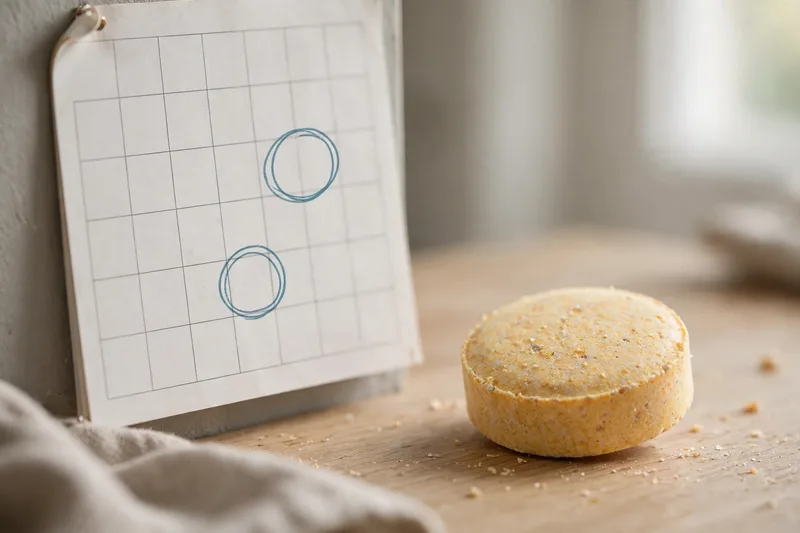
Set a reminder that cannot be ignored. Phone alarms, calendar alerts, and the empty blister pack on the fridge all work. Consistency is the product: the chew kills larvae from the past month, so a late dose leaves a window open. The label says to start within one month of the first mosquito exposure of the season and continue until at least six months after the last exposure. Year round dosing removes the guesswork about when the season starts and ends.

Side effects to watch for
Interceptor Plus is generally well tolerated, and most dogs show nothing at all after a dose. The side effects that do appear are usually mild and short lived. Vomiting, diarrhea, lethargy, drooling, and loss of appetite top the reported list.
Rare neurologic signs include loss of coordination, tremors, weakness, and seizures. Those are uncommon, but they are the reason to watch the dog for a few hours after the first few doses.
Call the vet promptly if vomiting or diarrhea repeats, if the dog seems weak or wobbly, or if a seizure happens. An overdose can bring the same signs in stronger form, with tremors and convulsions reported at doses well above the label. Gastroenteritis is the general term for the stomach upset owners see most, and bloody diarrhea is the sign that always earns a prompt vet visit. For mild stomach upset once the vet rules out anything serious, a bland diet for a day or two is the usual recovery path.

What Interceptor Plus does not cover
Interceptor Plus covers heartworms and intestinal worms, and nothing else. It offers zero protection against fleas or ticks, so dogs that need flea and tick control need a separate product. Capstar is one flea product owners ask about, but it kills adult fleas only and is not a heartworm preventive.
Pair Interceptor Plus with a flea and tick preventive your vet recommends, and check for interactions before combining products.
It also does not kill adult heartworms. A dog that already carries adult worms needs a different treatment entirely, built around melarsomine injections and strict rest. Giving Interceptor Plus to a heartworm positive dog does not treat the infection, and it can trigger reactions in dogs carrying many microfilariae. It does not cover coccidia, giardia, or lungworms either. Know the edges of the product, and you will not lean on it for jobs it was never built to do.

Missed doses and what to do
A missed dose is the most common way heartworm prevention fails. If you remember within a few days, give the chew at once and return to the normal monthly date. Do not double up. If weeks have passed, give the dose, call the vet, and expect a heartworm test.
The test matters because larvae from the gap may have grown past the stage the chew can kill.
After a lapse, the vet usually tests right away, then again six months later, and yearly after that. That schedule catches infections that were too young to show on the first test. The honest fix for missed doses is a system, not willpower: set a recurring alarm, buy a full year at once so the box is always there, and ask the clinic to send reminders. Prevention costs far less than treatment, and a missed month is the gap an infection walks through.

Cost, prescription, and where to get it
Interceptor Plus is prescription only, so the route runs through your vet or a licensed pet pharmacy with your vet’s authorization. Prices vary by weight band, region, and pharmacy, and a year of chews costs far less than a single course of heartworm treatment.
Many clinics sell six or twelve month supplies, and some offer rebates or reminder programs. Compare the clinic price with a licensed online pharmacy before you buy, and skip any seller that offers it without a prescription.
That last point matters. A site selling prescription heartworm preventive with no prescription check is selling outside the law, and the product may be counterfeit, expired, or stored wrong. Buy from a source your vet recognizes. Keep the receipt and the box lot number, and store the chews away from heat and moisture. The cheapest safe dose is the one bought through the proper channel, on time, every month.

Frequently asked questions about Interceptor Plus for dogs
Does Interceptor Plus kill fleas and ticks?
No, it does not kill fleas or ticks. It covers heartworms and intestinal worms only. Dogs that need flea and tick protection need a separate product, such as a topical or chew your vet recommends. Ask about combining products before you start a second one.
Can puppies take Interceptor Plus?
Yes, from 6 weeks of age and 2 pounds of body weight. Puppies should be reweighed often, because a growing puppy can outgrow its dose band in a few weeks. The vet adjusts the strength as the puppy grows.
What if my dog vomits after taking Interceptor Plus?
A single vomit shortly after dosing may mean the chew was not absorbed. Do not re-dose on your own. Call the vet, describe the timing, and follow their advice on whether to give another chew.
Is Interceptor Plus safe for Collies?
Milbemycin oxime at preventive doses is generally considered safe for MDR1 affected breeds, including Collies, when given at the label dose. The label still advises caution in Collies and related breeds. Tell your vet about the breed and any MDR1 test result before starting.
Can pregnant or nursing dogs take Interceptor Plus?
Safety has not been tested in breeding, pregnant, or lactating females. Plain Interceptor is considered safe for those dogs. Your vet will choose the product that fits the dog’s situation.
Does my dog need a heartworm test before starting?
Yes, if the dog is over 7 months old or has never been on prevention. The test finds adult worms before the first dose, because the chew cannot kill them. Puppies under 7 months can start without a test and be tested later on the vet’s schedule.
Interceptor Plus earns its place by doing one job well: five worms, one chew, once a month. It is not a flea product, not a tick product, and not a cure for adult heartworms. Used the way the label describes, with a heartworm test first, a dose every month, and a separate flea and tick plan, it gives a dog steady protection against the worms owners meet most. If your dog vomits after a dose, misses a month, or shows any wobbly or weak behavior, call the vet the same day. The chew works when the routine holds, and the routine holds when the reminder is set.
Disclaimer: This article is for information only and is not a substitute for veterinary advice. Interceptor Plus is a prescription drug. Your vet sets the dose by weight and condition, and only your vet can judge whether it fits your dog.