Bravecto for dogs is a prescription chew that kills fleas and ticks for up to 12 weeks after a single dose. Its active ingredient, fluralaner, attacks the nervous system of fleas and ticks while leaving the dog’s own nerves mostly untouched. One chew replaces three months of monthly treatments, which is why busy owners like it. The drug carries a real safety warning too: the FDA has flagged neurologic side effects in the isoxazoline class, so dogs with a seizure history need a vet conversation before the first dose.

What is Bravecto for dogs?
Bravecto is a flavored chewable tablet containing fluralaner, a drug in the isoxazoline class, and only a licensed veterinarian can prescribe it. The standard chew protects dogs and puppies 6 months of age and older, weighing at least 4.4 pounds, for 12 weeks against fleas and most ticks.
A newer monthly version, Bravecto 1-Month, covers dogs 8 weeks and older for one month per chew. Your vet picks the version that fits the dog’s age and your routine.
The chew kills adult fleas and controls tick infestations, including black-legged ticks, American dog ticks, brown dog ticks, and Asian longhorned ticks. The chew covers lone star ticks for 8 weeks rather than 12. Bravecto does not repel pests, so a tick can still bite before it dies. The protection comes from killing the pest fast enough to break the flea life cycle and cut the window for disease transmission. The FDA approved Bravecto label lists every tick species covered and the exact dosing schedule by weight.

How fluralaner kills fleas and ticks
Fluralaner blocks chloride channels in the nervous system of fleas and ticks, which paralyzes the pest and kills it. The drug works systemically: after the dog swallows the chew, fluralaner enters the bloodstream, and any flea or tick that feeds on the dog takes in a lethal dose.
Fleas start dying within hours, and the drug keeps killing new arrivals for the full 12 weeks as blood levels fall slowly.
That slow fall is the whole point of the product. Most monthly chews fade after 30 days, so a late dose opens a gap where fleas can breed. Bravecto’s long tail covers the flea life cycle, which can run about 12 weeks from egg to adult, so one dose can clear an infestation instead of just pausing it. The trade-off is the same long tail: if the dog reacts badly, the drug stays in the body for weeks, and the vet can only manage symptoms while it clears. That is worth knowing before the first chew, not after.

How long does Bravecto last?
One standard Bravecto chew lasts up to 12 weeks for fleas and most ticks, and 8 weeks for lone star ticks. Studies have not shown full 12 week protection in puppies under 6 months, which is why the monthly version exists for younger dogs.
The vet doses the chew by weight, at a minimum of 11.4 mg per pound of body weight, and picks the right tablet size from the weight bands on the label.
Timing the next dose matters. Mark the calendar the day you give it, and set a reminder for week 11 so the next chew lands before protection fades. A gap of even a week lets fleas lay eggs in the house, and the next infestation starts from those eggs. Year round dosing is the standard advice in areas where fleas never freeze out, and many vets recommend it everywhere because ticks stay active in mild winters too.

Bravecto chew vs topical vs monthly version
Bravecto comes as a chew, a topical liquid, and a monthly chew, and the choice depends on the dog. The 12 week chew suits owners who forget monthly doses, since four chews cover the year. The topical suits dogs that refuse tablets or vomit after oral drugs, though it can cause hair loss or skin irritation where it is applied.
The monthly chew suits puppies from 8 weeks old and owners who prefer a shorter commitment per dose.
All three use fluralaner, so the safety warning follows the drug, not the form. Switching from a chew to a topical does not dodge the isoxazoline warning. Cost also differs: one 12 week chew often costs more than one monthly tablet but less than three months of monthly products. Ask the vet to compare the yearly total for your dog’s weight, since prices vary by size. The Bravecto 1-Month label gives the monthly dosing details for puppies and small dogs.

Side effects of Bravecto in dogs
Vomiting tops the list of reported side effects, followed by decreased appetite, diarrhea, lethargy, and itching. In the field study behind the label, about 7 in 100 dogs vomited, and most cases were mild and passed without treatment. Some dogs drool or go off food for a day after the dose.
Giving the chew with a meal can settle the stomach, and a dog that vomits within a couple of hours may need a replacement dose, so call the vet rather than guessing.
Skin reactions, thirst, and gas show up less often. The topical version adds its own list: hair loss at the application site, moist skin irritation, and rash. Watch the dog for the first day after any new form, and keep a note of what you see. A mild stomach upset that clears by morning is one thing. Repeated vomiting, collapse, or a seizure is an emergency, and the dog needs a vet at once. Gastroenteritis in dogs covers the stomach warning signs that mean a vet visit rather than waiting.
The FDA warning on isoxazoline drugs
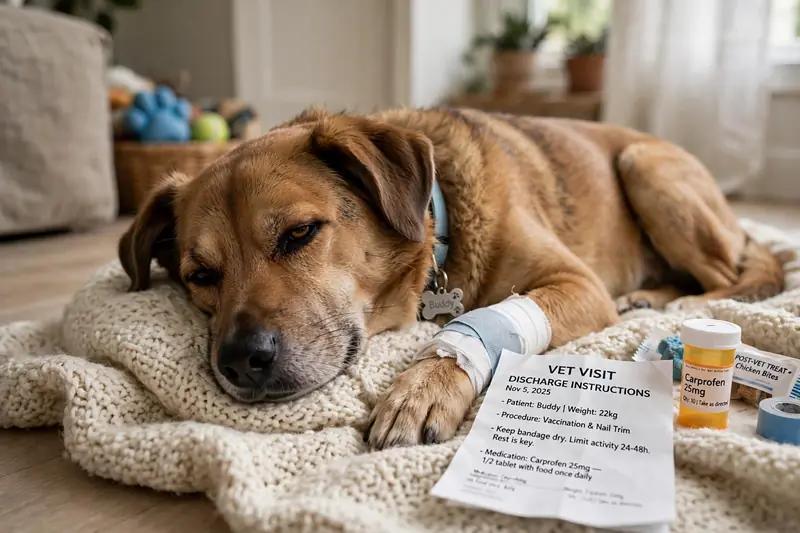
In September 2018 the FDA alerted owners and vets that isoxazoline flea and tick products, including Bravecto, NexGard, Simparica, and Credelio, had been linked to neurologic adverse events in some dogs and cats. The reported reactions were muscle tremors, ataxia, and seizures, and some happened in animals with no history of seizures at all.
The FDA did not recall any product, and it still considers the class safe and effective for most animals. The alert exists so owners and vets can weigh the risk for each dog.
Dogs with a history of seizures or neurologic disorders need extra care. The label itself says to use fluralaner with caution in those dogs, and many vets pick a non-isoxazoline product for them instead. If your dog has ever had a seizure, a tremor, or a neurologic illness, tell the vet before the first dose. The FDA fact sheet on isoxazoline products lays out the warning in full, including how to report a reaction.
Which dogs should avoid Bravecto
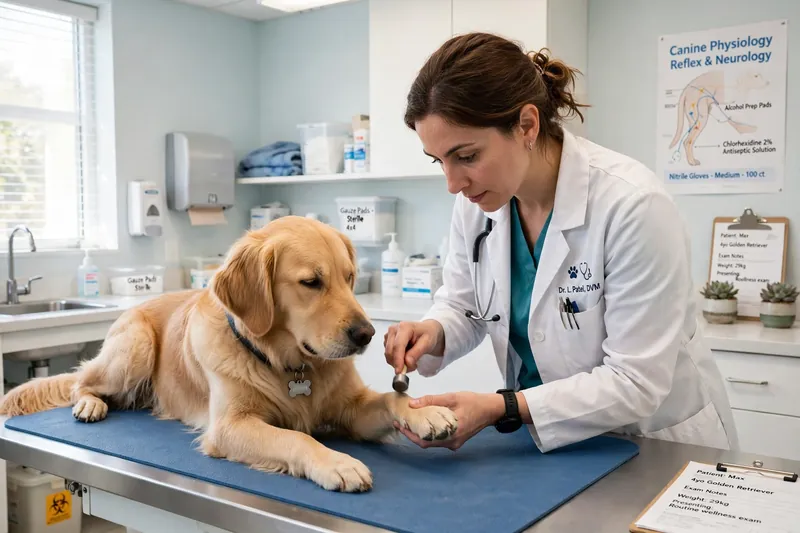
Puppies under 6 months should not get the 12 week chew, since effectiveness for the full 12 weeks has not been shown in that age group. The monthly chew covers them from 8 weeks instead. Dogs under 4.4 pounds fall below the smallest tablet size.
Dogs with a seizure history or neurologic disorder need a vet decision, not an over the counter guess, and many will do better on a different class of product.
Breeding females need a mention too. Vets have reported adverse events after use in breeding dogs, so the vet should review the label’s animal safety section before prescribing for a pregnant or breeding dog. Dogs with liver disease or kidney disease also deserve a conversation, since the body processes the drug over a long period. None of this makes Bravecto wrong for most dogs. It makes the vet visit before the first dose worth having, especially for a dog with any medical history at all.

What to do if your dog vomits the chew
A dog that vomits soon after swallowing may have lost part or all of the dose, and a half dose protects nobody. Do not give a second chew on your own, because a double dose doubles the drug load for 12 weeks.
Call the vet, say when the chew was given and when the vomiting started, and follow the advice. The vet may replace the dose, switch the dog to the topical form, or wait and watch.
To cut the risk, give the chew with food and keep the dog calm for an hour afterward. Some dogs do better when the chew is split across a small meal rather than given on an empty stomach. If vomiting happens after every chew, that pattern points to a different product, not a stronger stomach. A bland diet for dogs can settle the stomach for a day after a vomiting episode, but it does not replace the vet’s call about the dose.

Bravecto vs NexGard: the honest comparison
Bravecto and NexGard both belong to the isoxazoline class, so they share the same FDA neurologic warning and the same basic safety profile. The real difference is duration. Bravecto lasts up to 12 weeks per chew, while NexGard lasts one month.
Owners who miss monthly doses often do better on Bravecto, since four doses cover the year. Owners who want a shorter commitment, or who want to stop fast if a reaction appears, often prefer NexGard, since the drug clears sooner.
Both kill fleas and ticks, both need a prescription, and both use weight based dosing. NexGard covers lone star ticks for the full month, while Bravecto covers them for 8 weeks of the 12. Price per year is close once you count the number of doses. Owners who prefer non-drug options sometimes ask about diatomaceous earth for fleas, but it does not replace a proven preventive. The VCA guide to flea control in dogs is a good starting point for comparing options with your vet. Pick the schedule you will actually follow, because the best product is the one given on time.

Frequently asked questions about Bravecto for dogs
Is Bravecto safe for dogs?
For most dogs, yes. It is FDA approved and widely used, with vomiting as the most common side effect. Dogs with a seizure history or neurologic disorder need a vet review first, because the isoxazoline class carries a neurologic warning.
How fast does Bravecto kill fleas?
Bravecto starts killing fleas within hours of the dose, and it keeps killing new fleas for up to 12 weeks. An existing infestation can take a few weeks to clear fully, since eggs in the house keep hatching.
Can puppies take Bravecto?
Puppies 6 months and older can take the 12 week chew if they weigh at least 4.4 pounds. Puppies from 8 weeks old can take the monthly version instead. The vet picks the version by age and weight.
What happens if I miss a Bravecto dose?
Give the missed chew as soon as you remember, then restart the 12 week clock from that date. A late dose leaves a gap where fleas can breed, so set a reminder for the next one.
Can Bravecto cause seizures?
Seizures have been reported in dogs taking isoxazoline drugs, including some dogs with no seizure history. The risk is low, but it is real, and dogs with a seizure history should use it only if the vet advises it. How to induce vomiting in dogs is not a substitute for vet care in a seizure, so get the dog to a vet fast if one happens.
Does Bravecto protect against heartworm?
No, Bravecto covers fleas and ticks only. Heartworm prevention needs a separate product, and many vets pair the two so the dog is covered on both fronts.
Can I buy Bravecto without a vet visit?
No, Bravecto needs a prescription in the United States, and a vet must prescribe it. Online sellers that skip the prescription are a warning sign, since the product may be fake or stored badly.

Bravecto earns its fans by solving the oldest problem in flea control: remembering the next dose. One chew, 12 weeks, and the flea cycle breaks. The price of that convenience is a drug that stays in the body for months, so the first dose deserves a real conversation with the vet, especially for a dog with a seizure history. Get that conversation done, mark the calendar, and the chew does the rest.
Disclaimer: This article is for information only and is not a substitute for veterinary advice. Bravecto is a prescription medicine. Talk to your veterinarian before starting it, especially if your dog has a history of seizures or neurologic problems, and seek veterinary care promptly if your dog shows tremors, wobbliness, or a seizure after a dose.