

Most dogs eat grass simply because they enjoy it, not because they are sick. That surprises a lot of owners, because the folk wisdom says dogs graze to make themselves vomit. The data tells a different story: according to VCA Animal Hospitals, fewer than 25% of dogs vomit after eating grass, and only about 10% show any sign of illness beforehand. So for the vast majority of grazers, grass is a snack, not a medicine. Still, there are five real reasons dogs do it, and knowing which one fits your dog tells you whether to smile, adjust the routine, or call the vet. This guide walks through all five.
Reason 1: They simply like it
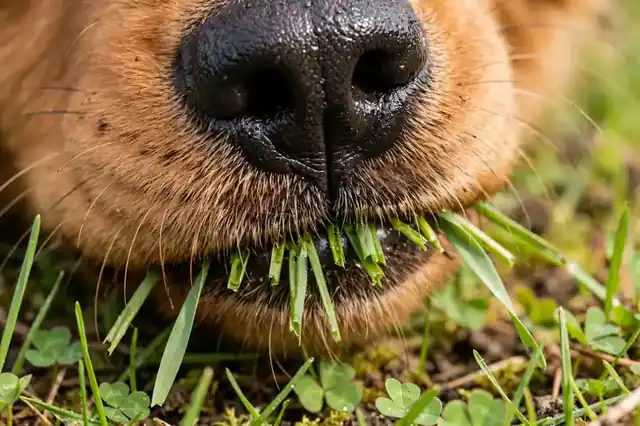
The most common reason is also the most boring: many dogs just like grass. VCA’s behaviorists note that some dogs genuinely enjoy the taste, especially the fresh, sweet spring growth, and the texture of chewing it. Dogs explore the world through their mouths, and grass is everywhere, interestingly textured, and mildly sweet.
If your dog grazes casually on walks, picks at the lawn without urgency, and carries on happily afterward, you likely have what one VCA article affectionately calls a “grass gourmand.” There is nothing to fix. Wild canids, wolves, foxes, coyotes, have been observed eating grass and other plant matter too, so the behavior is deeply normal, not a sign of domestication gone wrong. Some researchers believe the taste preference may even be partly inherited, with certain lines and breeds grazing more enthusiastically than others for no pathological reason at all.
The key distinction is urgency. A relaxed grazer nibbling here and there is enjoying a snack. A dog frantically gulping handfuls of grass is telling you something else, which brings us to the other reasons.
Reason 2: They need more fiber
Dogs need roughage in their diets, and grass is a ready source of fiber. VCA explains that fiber affects a dog’s ability to digest food and pass stool normally, so a dog whose diet runs low on fiber may instinctively seek plant matter to fill the gap.
This does not mean your dog is malnourished. Dogs on well-balanced commercial diets are rarely nutritionally deficient. But individual dogs vary: some have slightly higher fiber needs, and grazing may be their way of self-adjusting. If your dog grazes regularly and also has soft stools or irregular digestion, mention it at the next vet visit, a small diet tweak (a fiber-rich vegetable topper, a different formula) often resolves both.
That said, grass is an inefficient fiber supplement. Purpose-made options, plain pumpkin, green beans, or a vet-recommended fiber supplement, deliver the roughage without the risks of lawn grazing (more on those risks below).
Reason 3: An upset stomach (less common than you think)

This is the famous one, and the data says it describes a minority. Yes, some dogs eat grass when nauseous. VCA notes that dogs with gurgling stomachs, vomiting, or diarrhoea sometimes head outside urgently to eat grass, and it is thought they do it instinctively to soothe the stomach, grass is high in fiber and may help settle discomfort.
But the numbers keep this in perspective: fewer than 25% vomit afterward, and only 10% looked ill before grazing. So while the upset-stomach grazer exists, most grass eating is not self-medication. The chicken-and-egg question, does the dog eat grass to vomit, or vomit because it ate grass?, leans toward the latter for most dogs.
When it IS the stomach: the pattern is unmistakable. Urgent, frantic eating (not casual nibbling), often followed by vomiting, sometimes repeatedly. If that pattern appears, especially with lethargy, appetite loss, or diarrhoea, the grass is a symptom, not the problem. Underlying causes can include dietary indiscretion (ate something bad), gastric reflux, inflammatory bowel disease, or pancreatitis. See your vet rather than treating the grass.
Reason 4: Boredom, anxiety, and attention

Dogs with too little to do invent hobbies, and grass is a convenient one. VCA specifically flags boredom: dogs left alone in yards for long stretches may graze simply because there is nothing better to do. The behavior can also be self-soothing, like a person chewing a fingernail, in anxious dogs, or attention-seeking in dogs that have learned grazing gets a reaction.
Clues it is behavioral: grazing happens when the dog is alone, under-exercised, or during routine changes (a move, a new schedule, a new pet). The fix is not about the grass at all, it is about the life around it. More walks, play sessions, puzzle toys, training, and companionship usually shrink the habit faster than any deterrent. If anxiety seems deep-rooted (destructive behavior, pacing, vocalizing), talk to your vet or a certified behaviorist.
One caution from VCA worth repeating: eating a lot of grass can itself cause problems, grass can clump in the gut and, rarely, create a blockage requiring surgery. So even “just boredom” deserves management, not indifference.
Reason 5: Pica and genuine nutritional gaps
Eating non-food items has a clinical name, pica, and it can signal a diet deficient in nutrients, vitamins, or minerals. In practice, dogs on complete commercial diets are rarely deficient, so true nutritional pica is uncommon. But it is worth ruling out if grazing is obsessive, sudden, or paired with eating other odd items (dirt, rocks, paper).
This is a vet conversation, not a DIY diagnosis. Bloodwork can check for deficiencies, and your vet can assess whether the current food suits your dog’s age, size, and health. Do not start supplementing on guesswork, excesses of some nutrients (like calcium or vitamin D) cause their own problems.
Is eating grass actually dangerous?

Casual grazing on a clean lawn is low-risk. But “the lawn” is not always clean:
- Pesticides and herbicides, the biggest real danger. Treated lawns can carry chemicals that cause drooling, vomiting, diarrhoea, or worse. Know what your lawn service uses, keep dogs off treated grass until it is fully dry and the recommended waiting period has passed, and be extra cautious on walks where you cannot verify treatment.
- Fertilizers, many are irritating or toxic if ingested in quantity.
- Parasites, grass in areas frequented by other animals can harbor intestinal parasite eggs.
- Foxtails and sharp grasses, in some regions, barbed grass awns can lodge in noses, ears, paws, and eyes, causing painful infections. Know your local hazards.
- Mushrooms and hidden objects, lawns hide things; grazing dogs occasionally find the wrong thing.
The practical rule: your own untreated yard, fine. Unknown public grass, supervise. Freshly treated anything, avoid entirely.
When grass eating is a red flag
Most grazing is harmless. Call your vet when you see:
- Frantic, urgent grass eating followed by repeated vomiting
- Vomiting that does not stop, or vomit with blood
- Lethargy, appetite loss, or abdominal pain alongside grazing
- A sudden change, a dog that never grazed and suddenly cannot stop
- Eating grass plus other odd items (pica pattern)
- Known exposure to treated lawns, mushrooms, or toxins
These patterns suggest the grass is a symptom of something medical, from simple dietary indiscretion to pancreatitis or intestinal blockage, and the underlying cause needs diagnosis, not grass management.
How to manage grass eating sensibly
You do not need to eliminate a harmless habit, but a few smart moves keep it safe:
- Keep your lawn chemical-free (or know exactly what is applied and when).
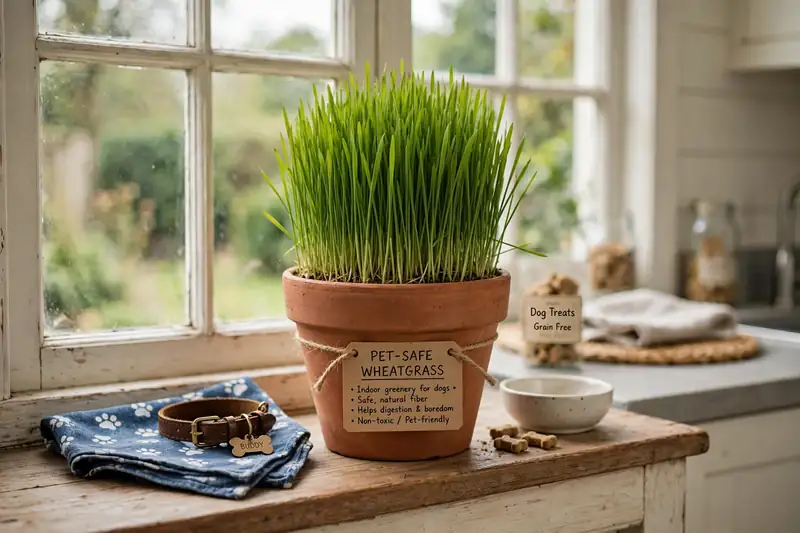
- Offer a safe alternative, a pot of pet grass (wheatgrass) indoors gives grazers their fix with zero pesticide risk.
- Exercise and enrichment, a tired, engaged dog grazes less out of boredom.
- Check the diet, if grazing is frequent, ask your vet whether a fiber tweak makes sense.
- Supervise on walks, a quick “leave it” for unknown grass, especially near roads or treated areas.
- Clean up the yard, remove mushrooms, sharp debris, and other animals’ waste promptly.
A reliable “leave it” cue is worth teaching for a dozen reasons; grass is just one of them. Practice it daily until it is automatic.
The evolutionary angle, why this is ancient behavior
Grass eating predates domestication by a very long way. Wild wolves eat grass and berries seasonally; foxes graze too. One well-supported theory: ancestral canids consumed the stomach contents of herbivore prey, ingesting partially digested plant matter, and modern dogs retain the taste and the habit. Another: plant fiber helped wild canids purge intestinal parasites, and the behavior stuck around even as the original pressure faded.
Either way, your lawn-munching Labrador is not broken and not weird. He is running very old software, software that, for most dogs most of the time, is perfectly fine.
The honest summary: grass eating is normal dog behavior with five common drivers, enjoyment, fiber needs, occasional stomach upset, boredom or anxiety, and rarely nutritional gaps. For most dogs it needs no intervention beyond a chemical-free lawn and an eye on the pattern. Learn your dog’s pattern: the relaxed grazer is fine, the frantic gulper deserves attention, and anything paired with vomiting, lethargy, or appetite loss deserves a vet visit. When in doubt, the vet visit is always the right call.
For the same plain-only, small-portion thinking across the foods dogs meet most often, see our wider guide to what human food dogs can eat. And for another fiber-rich vegetable treat, our carrot guide covers safe portions.
Frequently Asked Questions
Is it normal for dogs to eat grass?
Yes, it is one of the most common dog behaviors. Studies and veterinary observation show most grass-eating dogs are not sick beforehand and do not vomit afterward. It is normal, not a sign of deficiency, in the large majority of cases.
Do dogs eat grass to make themselves vomit?
Sometimes, but less often than people think. Fewer than 25% of dogs vomit after eating grass (VCA), and only about 10% show illness beforehand. Most are grazing for taste, fiber, or boredom, not self-medication.
Should I stop my dog from eating grass?
Not necessarily. Casual grazing on a clean, chemical-free lawn is harmless. Do redirect away from treated lawns, unknown public grass, and frantic gulping, and address the underlying cause if grazing is obsessive or paired with symptoms.
Why does my dog eat grass frantically and then vomit?
Frantic eating followed by vomiting usually signals nausea or stomach discomfort, the grass is a symptom response. If it happens repeatedly, or with lethargy, appetite loss, or diarrhoea, see your vet to rule out conditions like dietary indiscretion, reflux, or pancreatitis.
Can grass eating hurt my dog?
It can, indirectly: pesticides and herbicides on treated lawns, fertilizers, intestinal parasites from contaminated grass, and sharp awns like foxtails are the real hazards. The grass itself is rarely the problem, what is on it matters more.
Do dogs eat grass when they lack fiber?
Some do. Dogs need roughage for normal digestion, and grass is a fiber source. VCA notes this as a plausible driver for regular grazers. If grazing is frequent, ask your vet whether a fiber-rich food adjustment makes sense.
Why does my puppy eat grass?
Puppies explore everything with their mouths, and grass is novel, textured, and everywhere. Most puppies graze out of curiosity and usually moderate as they mature. Just keep them off treated lawns and watch that it stays casual.
Is wheatgrass safe for dogs?
Yes, wheatgrass (often sold as “pet grass”) is a safe indoor alternative that lets grazers indulge with zero pesticide risk. Many owners grow a pot for dedicated lawn-munchers.
This article is general information only and is not a substitute for veterinary advice. If your dog shows repeated vomiting, lethargy, appetite loss, or a sudden change in grazing behavior, check with your veterinarian.



3 thoughts on “Why Do Dogs Eat Grass? 5 Reasons Explained”